
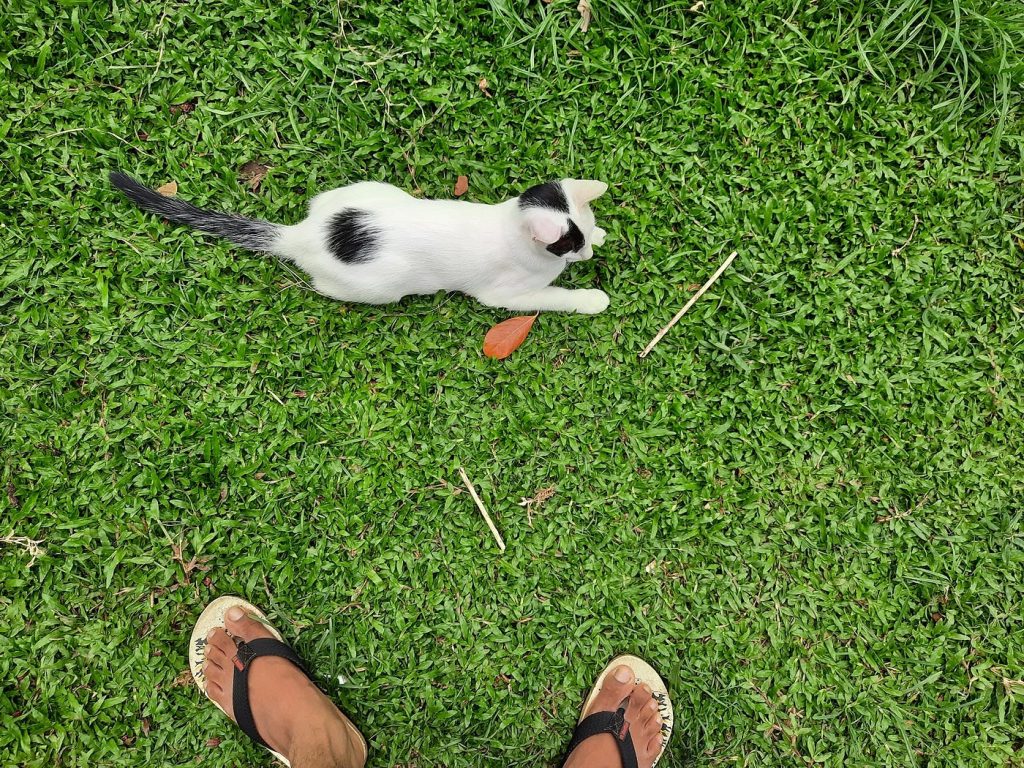
Have you ever watched cats after they mate and wondered why they suddenly start rolling on the ground? It’s a strange and fascinating behavior that might leave you curious or even a bit puzzled.
Understanding why cats do this can help you connect better with your furry friend and learn more about their natural instincts. You’ll discover the surprising reasons behind this curious act and what it means for your cat’s health and happiness.
Keep reading—you’ll be amazed at what’s really going on beneath those playful rolls!
Credit: www.theguardian.com
Cat Mating Behavior
Cats have a unique way of expressing themselves during and after mating. Their behavior can seem puzzling, especially when you see them rolling on the ground. Understanding what drives these actions helps you better interpret your cat’s natural instincts and emotional state.
Typical Post-mating Actions
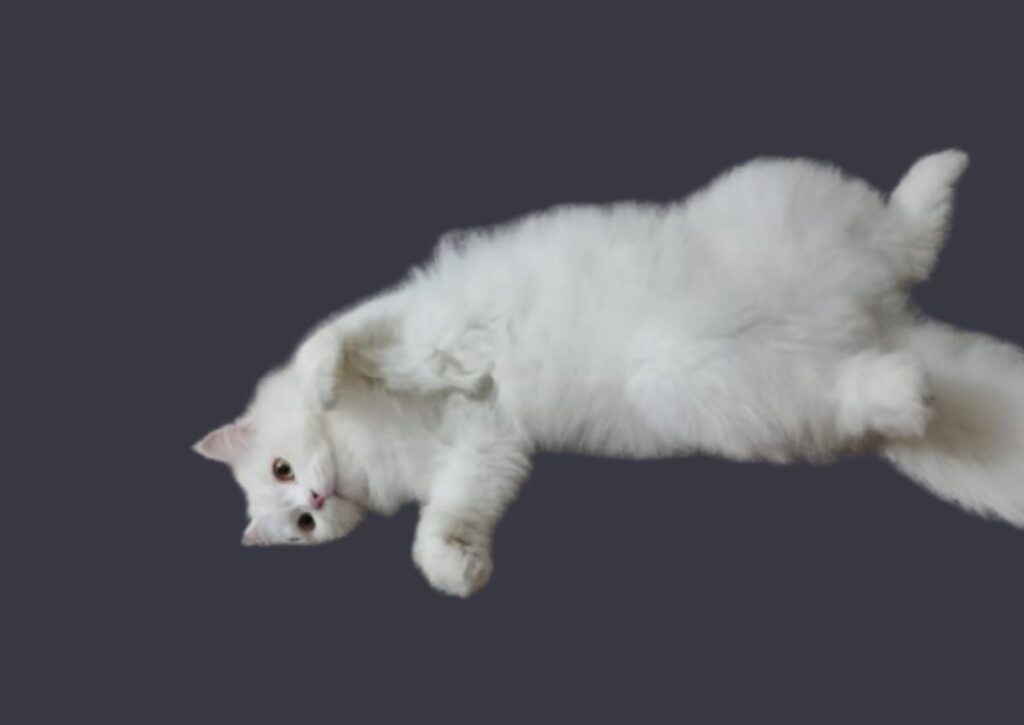
Right after mating, cats often engage in several distinct behaviors. Rolling on the ground is one of the most common. This movement can help the female relieve discomfort caused by mating and may also signal to other cats that she has been claimed.
Besides rolling, you might notice:
- The female grooming herself more frequently.
- The male staying nearby or grooming himself as well.
- Occasional vocalizations or restlessness.
These actions are natural and tied closely to their reproductive cycle. Have you seen your cat exhibit these behaviors after a visit from a neighborhood tomcat?
Body Language Signals
Cats communicate a lot through body language, especially during mating. Rolling on the ground can be a way to show submission or readiness to the male. It also might serve to spread pheromones, helping attract mates or discourage rivals.
Watch for additional signs like:
- Tail position – often raised or twitching to signal receptiveness.
- Ear positioning – alert but relaxed, showing comfort.
- Eye contact – direct or blinking slowly to communicate trust.
Understanding these signals can help you know when your cat is stressed or comfortable. Next time you catch your cat rolling after mating, consider what her body language is telling you beyond the obvious.

Credit: www.kinship.com
Reasons For Rolling On The Ground
Cats often roll on the ground after mating for several key reasons. This behavior is natural and serves important roles in their communication and physical comfort. Understanding why cats do this helps us learn more about their instincts and social habits.
Scent Marking
Rolling on the ground spreads a cat’s scent over a larger area. Cats have scent glands on their bodies. When they roll, these glands leave a strong smell on the ground. This scent tells other cats that the area is claimed. It also signals that the cat has mated recently. This helps reduce fights and confusion among cats in the neighborhood.
Stretching And Relaxation
After mating, cats often feel tense or tired. Rolling helps them stretch their muscles and relax. This movement loosens their bodies and reduces stress. It can also feel good and comforting. Stretching this way helps cats recover quickly and stay agile.
Communication With Other Cats
Rolling on the ground sends messages to other cats nearby. It shows the cat’s mood and status. A cat that rolls after mating may be signaling readiness or satisfaction. Other cats can understand these cues through body language and scent. This behavior helps maintain social order among cats.
Biological And Instinctual Factors
Cats often roll on the ground after mating due to deep biological and instinctual reasons. This behavior is not random but linked to their natural body processes and survival strategies. Understanding these factors helps explain why cats act this way after such an important event.
Hormonal Influences
After mating, cats experience a rush of hormones like oxytocin and endorphins. These chemicals create feelings of relaxation and pleasure. Rolling on the ground helps release tension and calm the body. It also signals readiness for the next phase of reproduction. This behavior is instinctual, driven by the cat’s internal hormonal changes.
Evolutionary Benefits
Rolling on the ground after mating has survival advantages. It helps spread the cat’s scent, marking territory and attracting other mates. This increases the chance of reproductive success. The action may also serve to dislodge any remaining pheromones or fluids, keeping the cat clean. Such instincts developed over generations to improve mating outcomes and species survival.
Differences Between Male And Female Cats
Cats show clear differences in behavior after mating, depending on their sex. Male and female cats react differently to the mating process. These differences come from biology and instincts. Understanding these helps explain why cats roll on the ground after mating. It also reveals how their roles in reproduction shape their actions.
Behavioral Variations
Male cats often become more restless after mating. They may roam or seek more mates. Their behavior is driven by the urge to spread their genes. Male cats rarely show signs of pain or discomfort after mating.
Female cats, in contrast, show more complex behaviors. They often roll on the ground or vocalize loudly. This behavior can signal discomfort or stimulate further mating. Females may also groom themselves more carefully after mating.
Role Of Estrus Cycle
The female cat’s estrus cycle controls her mating behavior. During heat, she becomes more receptive to males. Rolling on the ground is part of her signaling to attract mates. This behavior helps spread her scent and show readiness.
Male cats do not have an estrus cycle. Their mating drive depends on the presence of a female in heat. They respond to the female’s signals, such as scent and sounds. This causes their behaviors to change during mating seasons.
Common Myths And Misinterpretations
Many cat owners notice their pets rolling on the ground after mating and quickly jump to conclusions. This behavior has sparked plenty of myths and misunderstandings that can confuse even the most attentive cat lovers. Let’s clear up some of these common misinterpretations to help you better understand your feline’s actions.
Misreading Cat Behavior
It’s easy to misread what your cat is trying to communicate when you see her rolling around post-mating. Some people assume she’s in pain or distress, but that’s not always the case.
Rolling on the ground can be a way for cats to stretch their muscles or release tension after mating. It’s also linked to marking their territory with scent glands located on their body.
Have you ever watched your cat roll on the floor just after a play session? The same relaxed, almost satisfied vibe often follows mating behaviors. So, your cat might just be settling down rather than signaling discomfort.
Separating Fact From Fiction
One popular myth is that cats roll on the ground after mating because they regret it or feel guilty. Cats don’t have the same sense of guilt or regret as humans, so this idea doesn’t hold up.
Another misconception is that this behavior means the mating was unsuccessful or that the cat is trying to attract another mate immediately. In reality, the rolling is not an invitation but a natural response tied to physical and hormonal changes.
Understanding the difference between instinct-driven behavior and human emotional interpretations can change how you react to your cat’s actions. Next time you see your cat rolling, ask yourself what you know about cat instincts and what you might be projecting.
Credit: kittycornerblog.com
How To Respond As A Cat Owner
Knowing how to respond when cats roll on the ground after mating helps keep them safe and calm. This behavior is natural and part of their communication. Cat owners must watch carefully and understand when to step in or let things be.
When To Intervene
Most times, cats rolling after mating is harmless. Do not disturb unless signs show stress or injury. Look for:
- Excessive biting or scratching
- Loud yowling or distress sounds
- Visible wounds or bleeding
- One cat trying to escape forcefully
If these happen, gently separate the cats. Use a soft towel to avoid scratches. Give them space to calm down. Contact a vet if injury occurs or behavior worsens.
Encouraging Healthy Behavior
Support your cats’ well-being after mating by providing a quiet, safe space. Offer fresh water and food nearby. Avoid loud noises or sudden movements around them.
Regular vet check-ups ensure they stay healthy. Spaying or neutering helps reduce mating stress and unwanted litters. Watch for signs of discomfort and keep their environment clean.
Frequently Asked Questions
Why Do Cats Roll After Mating?
Cats roll after mating to release tension and signal comfort. This behavior helps them relax and communicate non-threat to others nearby.
Does Rolling Indicate Cat’s Mood Post-mating?
Yes, rolling often shows contentment and relief. It can also be a way for cats to spread their scent and mark territory.
How Long Do Cats Roll After Mating?
Cats usually roll for a few minutes post-mating. This brief behavior helps them calm down and readjust their body.
Is Rolling A Sign Of Pain Or Discomfort?
No, rolling after mating is generally not painful. It’s a natural, instinctive action for stress relief and bonding.
Conclusion
Cats have many curious behaviors after mating. Rolling on the ground is one of them. This action may help them relieve stress. It also spreads their scent, marking territory. Rolling might also be a way to clean themselves. Each cat is unique in its behavior.
Understanding these actions strengthens our bond with them. Observing these patterns can be fascinating. It provides insights into their instincts and nature. Next time your cat rolls, appreciate their mysterious ways. It’s all part of the charm that makes cats so captivating.

Lily Purrington is the founder of MyKittyPicks.com, a cozy corner of the web dedicated to helping cat lovers discover the best cat products, furniture, toys, and home decor ideas.
A lifelong cat enthusiast, Lily shares trusted tips, honest product recommendations, and stylish inspiration designed to keep kitties happy and homes beautiful.
Her mission is simple: to bring together practical advice and purr-fect picks that make life better for cats and the people who love them.


