
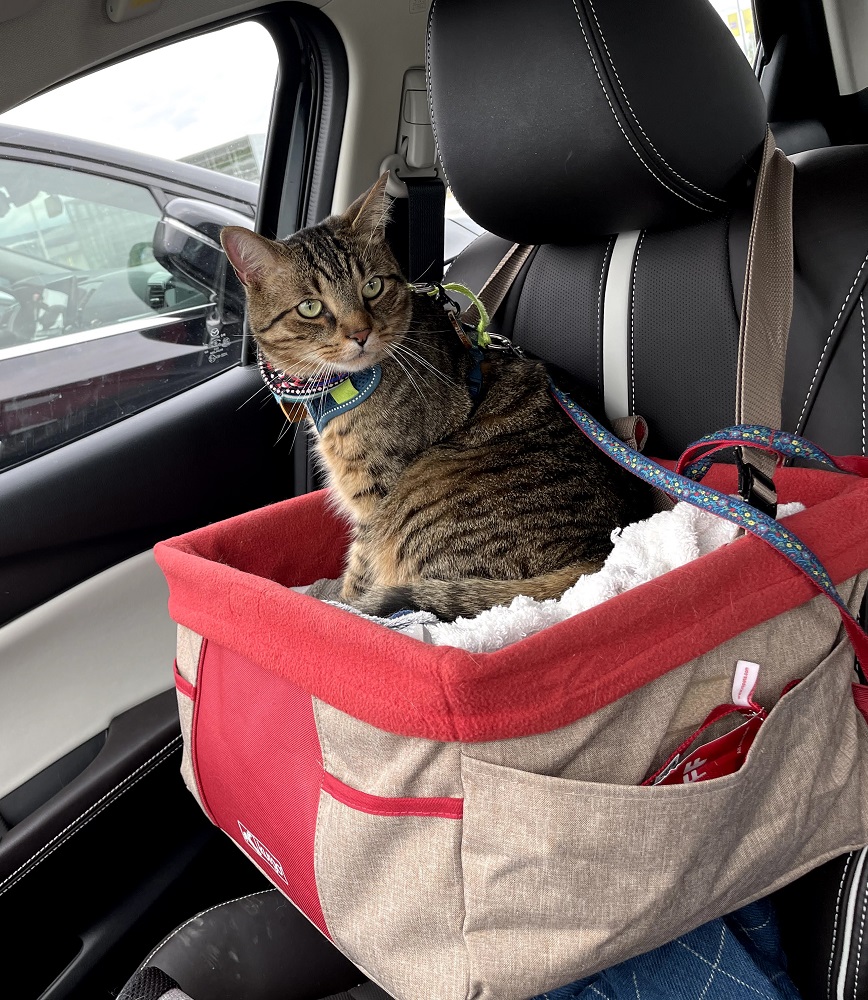
Traveling with your cat can be stressful, especially when it comes to keeping them safe in the car. You want to make sure your furry friend stays calm and secure throughout the trip.
But how do you properly secure a cat carrier in your vehicle to prevent accidents or discomfort? If you’ve ever worried about your cat’s safety during car rides, this guide is for you. Keep reading to discover simple, effective ways to keep your cat safe and comfortable on the road.
Your pet’s well-being depends on it.
Credit: www.carecredit.com
Choosing The Right Carrier
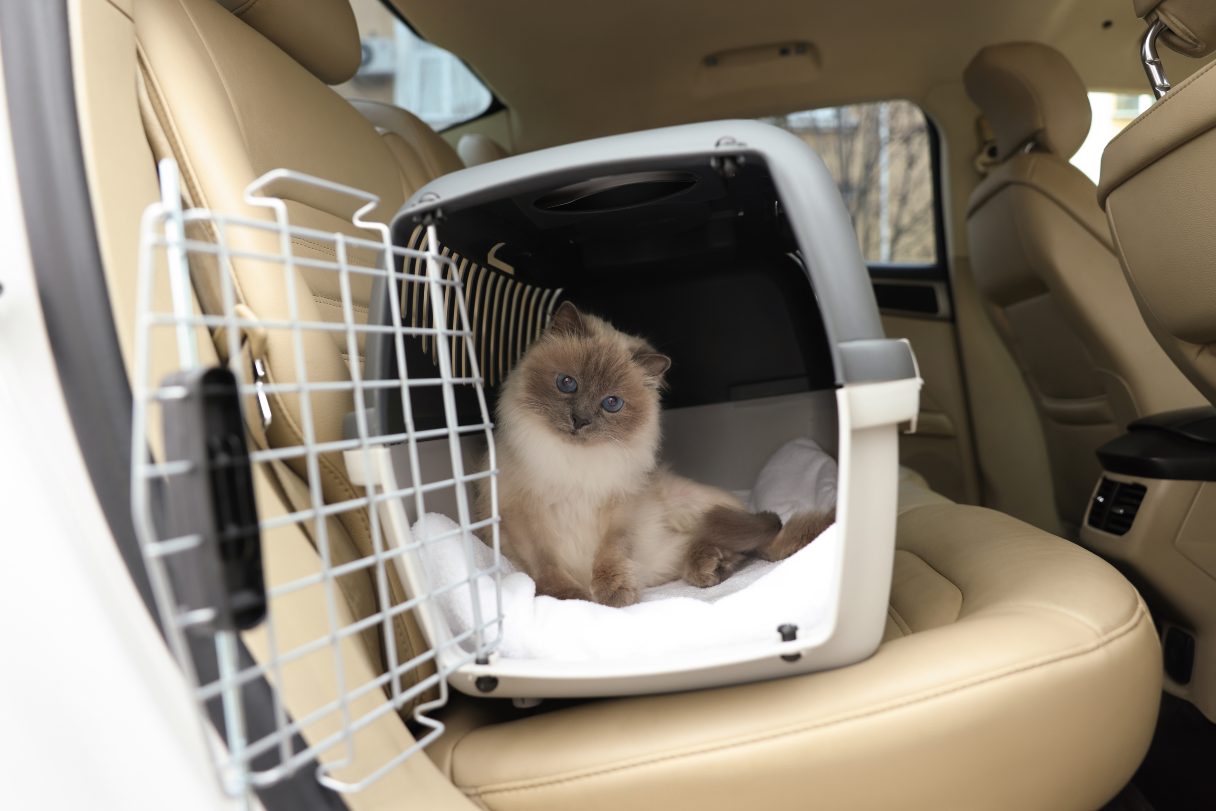
Choosing the right cat carrier is the first step to securing your pet safely in the car. It’s not just about picking any carrier; it’s about finding one that fits your cat’s needs and keeps them comfortable throughout the journey. The right carrier affects how easily you can secure it and how calm your cat remains during travel.
Size And Comfort
Your cat should have enough room to stand, turn around, and lie down comfortably. A carrier that’s too small can cause stress and discomfort. On the other hand, a carrier that’s too large can shift around in the car, making it harder to secure and less safe.
Think about your cat’s size and weight before choosing a carrier. You want a snug fit that feels like a safe little den, but not cramped. Have you noticed how your cat reacts when confined in small spaces at home? That’s a good indicator of what size to pick.
Material And Durability
Look for carriers made from strong, sturdy materials like hard plastic or reinforced fabric. A durable carrier can withstand sudden stops and protect your cat if the car jolts or takes a sharp turn. Soft carriers might seem convenient but often lack the structural support needed for car safety.
Check the quality of zippers, seams, and handles. They should feel solid and secure, not flimsy. Have you ever struggled with a zipper that got stuck or broke? Avoid that hassle by testing these features before buying.
Ventilation And Visibility
Good airflow is essential to keep your cat calm and comfortable during the drive. Make sure the carrier has plenty of ventilation openings on multiple sides. This prevents overheating and helps reduce anxiety by allowing your cat to see their surroundings.
Visibility matters not just for your cat but for you too. When you can see your pet, you can quickly check if they’re stressed or need attention. Wouldn’t you feel more at ease knowing your cat isn’t hiding in a dark, stuffy corner?
:strip_icc()/spruce-pets-road-trip-tips-43d4a32ee1bb481a8a8a141203eda5de.png)
Credit: www.thesprucepets.com
Preparing The Carrier For Travel
Preparing the cat carrier for travel helps your pet stay calm and safe. It reduces stress during the trip. A well-prepared carrier feels like a small, secure space for your cat. This preparation starts days before the journey. It involves making the carrier familiar, comfortable, and secure.
Familiarizing Your Cat
Place the carrier in your home where your cat spends time. Leave the door open so your cat can explore it freely. Put treats or toys inside to create positive feelings. Let your cat enter and exit without pressure. This builds trust and reduces fear of the carrier.
Adding Comfort Items
Line the carrier with a soft blanket or towel. Choose materials that smell like home or your cat’s bedding. Add a favorite toy to distract and soothe your pet. Avoid items that can move or cause discomfort during travel. Comfort items make the carrier inviting and calming.
Securing Doors And Openings
Check all carrier doors and openings before travel. Ensure they close tightly without gaps. Use additional clips or locks if needed for extra security. Make sure your cat cannot push open any part. Properly secured doors prevent escapes and keep your pet safe.
Positioning The Carrier In The Car
Positioning your cat carrier correctly inside the car is crucial for your pet’s safety and comfort during travel. The right spot helps reduce stress and prevents unnecessary movement that can upset your cat. Think about how your cat experiences the ride and how you can make it smoother.
Best Locations Inside The Vehicle
The back seat is usually the safest and most stable place for a cat carrier. Placing it on the floor behind the front passenger seat offers a flat surface and limits shaking. Some cat owners find that the middle of the back seat works well too, as it reduces side-to-side movement.
Try to avoid the trunk or any spot where the carrier might slide around. Does your car have a flat cargo area? That can be a good option if it’s secure and separate from heavy items that could shift.
Avoiding Airbag Zones
Airbags are designed to protect humans, but they can seriously injure pets in carriers. Never place the carrier in the front seat if there’s an active airbag. The force of deployment could cause harm to your cat in an instant.
Check your vehicle manual to identify airbag locations. A simple question to ask yourself: “Is this spot safe if the airbag suddenly inflates?” If the answer is no, find another place.
Minimizing Movement And Noise
Movement and noise stress cats during travel. Secure the carrier with a seatbelt or bungee cords to prevent it from sliding or tipping. Adding a soft blanket inside can absorb sound and provide familiar smells that calm your cat.
Have you noticed how a carrier rattling against the door makes your cat more anxious? Padding around the carrier’s edges can reduce this noise. Small adjustments like this make a big difference in your cat’s comfort.
Securing The Carrier Safely
Securing the cat carrier safely in a car protects your pet and ensures a calm ride. A well-secured carrier prevents sudden movement that can scare or hurt your cat. It also keeps the carrier stable during stops or turns. Use simple tools like seat belts and straps to secure the carrier firmly. Always check the carrier’s stability before driving.
Using Seat Belts
Seat belts are the easiest way to secure a cat carrier. Place the carrier on the back seat. Thread the seat belt through the carrier’s handle or designated loops. Buckle the seat belt and tighten it. This holds the carrier firmly against the seat. Avoid loose belts that allow too much movement.
Employing Carrier Straps And Anchors
Some carriers come with straps or anchors for extra security. Attach these straps to the car’s seat anchors or headrest bars. Pull the straps tight to keep the carrier from sliding. Straps reduce shaking and bouncing during the ride. Use these with seat belts for the best hold.
Checking For Stability
After securing, test the carrier’s stability by gently shaking it. It should not move more than a few inches. Make sure it does not tip or slide. Adjust the belts or straps if needed. A stable carrier keeps your cat safe and calm throughout the trip.
Additional Safety Precautions
Securing your cat carrier in the car is just one piece of the puzzle. Ensuring your pet’s safety means taking additional precautions that go beyond just fastening the carrier. These extra steps help create a calm, safe environment for your cat during the trip.
Avoiding Loose Items
Loose objects can become dangerous projectiles during sudden stops or sharp turns. Make sure to clear the area around the carrier of any small items like water bottles, toys, or bags.
If you must bring items, store them in closed compartments or secure them with straps. This reduces the risk of objects hitting the carrier and startling your cat.
Monitoring Temperature
Cars can heat up or cool down quickly, and cats are sensitive to temperature changes. Keep an eye on the car’s interior temperature to avoid overheating or chilling your pet.
Use sunshades or park in shaded areas whenever possible. If the air conditioning is on, ensure the airflow reaches the carrier but isn’t blowing directly on your cat.
Planning For Breaks And Hydration
Long trips can be stressful and dehydrating for cats. Schedule regular breaks to check on your cat’s comfort and offer water if they’re willing to drink.
Bring a portable water bowl and some of your cat’s favorite treats to encourage hydration and reduce anxiety. Have you ever noticed how a brief pause can calm your cat and make the journey smoother?

Credit: www.holistapet.com
Frequently Asked Questions
How Do I Safely Secure A Cat Carrier In A Car?
Use a seatbelt to fasten the carrier tightly on the seat. Ensure it doesn’t move during travel. Position the carrier facing forward or sideways for stability.
What Is The Best Spot To Place A Cat Carrier In A Car?
Place the carrier on the back seat for safety. Avoid the front seat due to airbags. The back seat reduces risk during sudden stops or accidents.
Should I Use Additional Restraints For My Cat Carrier?
Yes, use extra straps or bungee cords if possible. They prevent shifting during sharp turns or sudden braking. Always double-check the carrier’s stability before driving.
Can I Leave My Cat Unattended In A Carrier Inside The Car?
No, never leave your cat alone in a parked car. Temperatures can rise quickly and cause heatstroke. Always take your cat with you when leaving the vehicle.
Conclusion
Securing a cat carrier in your car keeps your pet safe and calm. Use seat belts or straps to hold the carrier firmly. Place the carrier where it won’t move during the drive. Check the carrier’s stability before you start driving.
A secure carrier helps prevent accidents and stress. Your cat will feel more comfortable and less scared. Always prepare before every trip for a smooth ride. Safe travel means happy pets and worry-free owners. Keep these tips in mind for your next car journey.

Lily Purrington is the founder of MyKittyPicks.com, a cozy corner of the web dedicated to helping cat lovers discover the best cat products, furniture, toys, and home decor ideas.
A lifelong cat enthusiast, Lily shares trusted tips, honest product recommendations, and stylish inspiration designed to keep kitties happy and homes beautiful.
Her mission is simple: to bring together practical advice and purr-fect picks that make life better for cats and the people who love them.


