
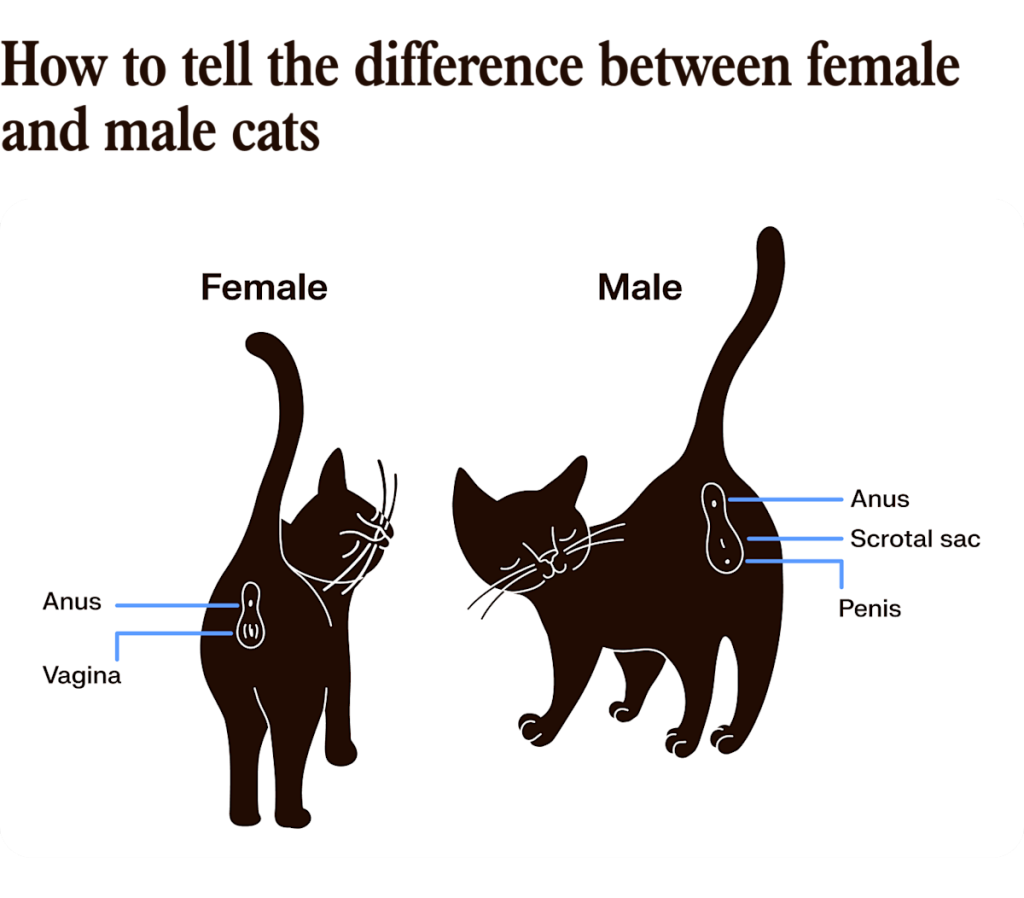
Are you wondering why your male cat isn’t showing interest in mating with your female? It can be frustrating and confusing when you expect your cats to breed, but they just don’t seem to connect.
You might be asking yourself if something is wrong with either of them or if you’re missing a key step. Understanding the reasons behind this behavior is important, especially if you want your cats to mate successfully. Keep reading, because uncovering these surprising facts could change how you care for your cats and improve their chances of bonding.

Credit: www.reddit.com
Male Cat Mating Basics
Understanding the basics of male cat mating is essential if you notice your male cat isn’t showing interest in mating with your female. It’s not always about attraction or dominance; several natural behaviors and biological factors play a role. Let’s break down how male cats act during mating and what influences their response to a female in heat.
Male Cat Reproductive Behavior
Male cats, also known as toms, have a strong instinct to mate, but their behavior varies widely. Some males are assertive and quick to respond, while others may be shy or uninterested. Stress, health issues, or lack of experience can affect their mating drive.
During mating, a male cat often displays vocalizations like yowling and may become restless or aggressive. He usually seeks out females in heat by following their scent, which triggers his reproductive hormones. If your male cat ignores a female, consider whether he’s feeling healthy or if environmental changes are causing anxiety.
Female Cat Heat Cycle
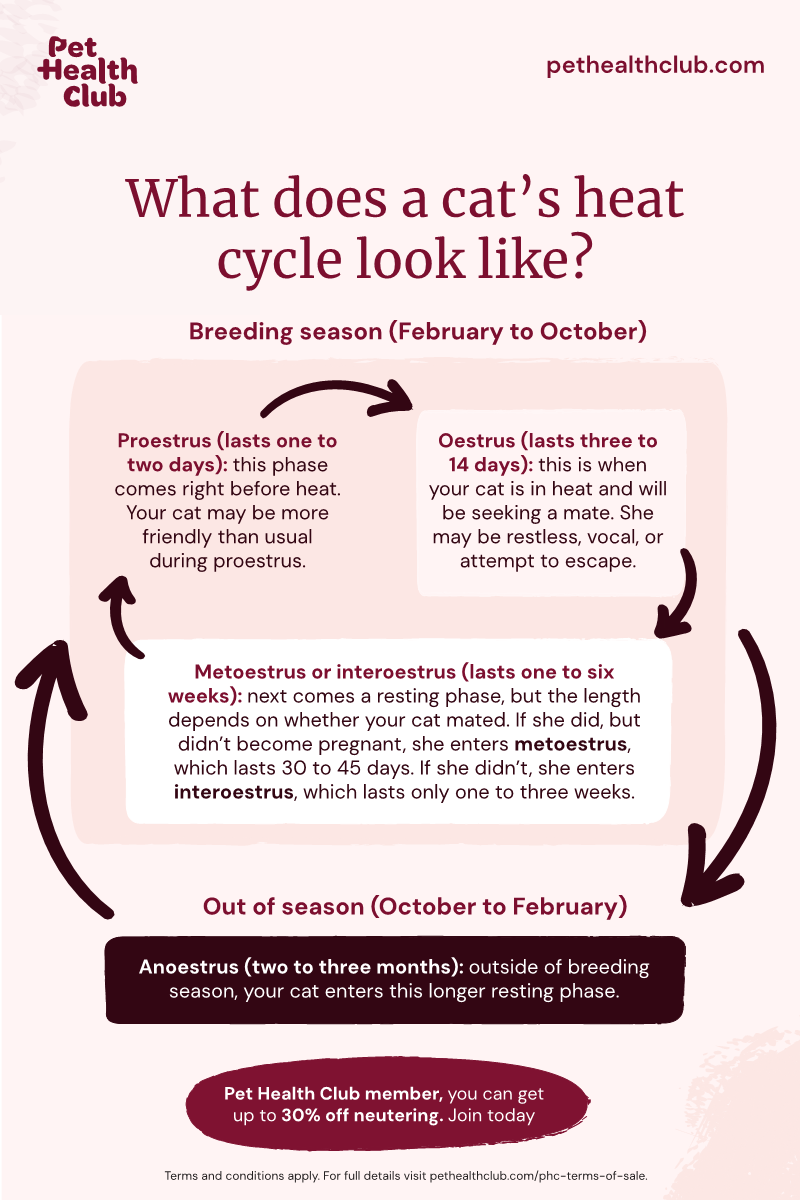
Female cats go through a heat cycle called estrus, which repeats every few weeks during breeding season. This cycle makes them receptive to males for a limited time, usually a few days. If your female isn’t currently in heat, your male cat won’t show interest.
Signs your female is in heat include loud vocalizing, restlessness, and rubbing against objects or people. If these signs are subtle or absent, your male may simply not recognize her readiness. Have you noticed if your female shows clear heat signals?
Health Issues Affecting Mating
Health issues can play a major role in why your male cat is not mating with your female. Sometimes, the problem isn’t about attraction or behavior but about underlying physical conditions that affect fertility and mating ability. Identifying these health concerns early can help you address them and improve your cat’s chances of successful mating.
Common Male Cat Health Problems
Male cats can face various health problems that impact their mating behavior. One common issue is low testosterone levels, which reduce sexual drive and performance. Infections or injuries to the reproductive organs can also cause pain or discomfort, making your cat avoid mating altogether.
Another concern is urinary tract infections (UTIs) that cause frequent urination and discomfort, distracting your male cat from mating activities. Obesity and poor nutrition can lower energy levels and affect hormone balance, further reducing interest in females.
If your male cat suddenly loses interest in mating, consider a veterinary check-up to rule out these health problems. Have you noticed any changes in his behavior or physical condition lately?
Female Cat Fertility Concerns
Your female cat’s health is just as important in the mating process. Fertility issues such as hormonal imbalances or ovarian cysts can prevent her from going into heat properly or accepting a mate. Sometimes, silent heat cycles occur without obvious signs, confusing both cats.
Infections or diseases affecting the reproductive tract can also lower fertility or cause pain during mating, leading the female to avoid the male. Stress and poor nutrition can worsen these issues, so maintaining her overall well-being is key.
Watch for signs like irregular heat cycles, unusual discharge, or behavioral changes in your female cat. Could her health be the hidden reason why mating isn’t happening?
Behavioral Factors
Behavioral factors play a major role in why a male cat might not mate with a female. Cats rely heavily on instinct and signals from each other. Any disruption in their behavior can stop mating attempts. Understanding these behaviors helps identify the problem.
Male Cat Stress And Anxiety
Stress lowers a male cat’s interest in mating. Loud noises, new environments, or sudden changes cause anxiety. A stressed cat feels unsafe and less likely to mate. Signs include hiding, decreased appetite, and restlessness. Calm surroundings help reduce stress and improve mating chances.
Female Cat Receptiveness
The female cat must be in heat to accept mating. She shows signs like restlessness, vocalizing, and rubbing. If the female is not receptive, the male will lose interest. Hormonal cycles control this behavior. Observing the female’s signals is key to timing mating attempts.
Territorial And Social Dynamics
Cats are territorial animals. Conflicts between males or between male and female cats can block mating. The male may feel threatened by other cats nearby. Social hierarchy also affects interactions. A dominant male may prevent others from mating. Creating a peaceful environment encourages positive social behavior.
Environmental Influences
Environmental factors play a crucial role in your cats’ mating behavior. Even if both your male and female cats are healthy and ready, the surroundings might be stopping them from connecting. Understanding these influences can help you create a setting that encourages natural behavior.
Living Space And Privacy
Cats need a calm and private area to feel comfortable enough for mating. If your cats share a crowded or noisy living space, they might feel stressed or distracted. Providing a quiet, secluded spot can make a big difference.
Think about how you feel when you need privacy for something important. Your cats feel the same way. Try setting up a separate room with minimal human traffic where your cats can interact without interruptions.
Distractions And Noise
Loud noises and constant activity can easily disrupt the delicate mood needed for mating. If your home is filled with loud televisions, music, or other pets, your cats might be too distracted or anxious to mate.
Consider the typical sounds in your home. Could reducing noise during mating periods improve their comfort? Turning off background noises and limiting visitors can help your cats focus on each other.
Age And Maturity
Age and maturity play crucial roles in whether your male cat is ready to mate with your female cat. Understanding these factors helps you identify if the problem lies in their biological readiness rather than behavior or environment. Sometimes, cats simply aren’t at the right stage in life to breed.
Sexual Maturity In Male Cats
Male cats usually reach sexual maturity between 6 and 12 months old. However, just because they are physically capable doesn’t mean they are mentally or emotionally ready to mate.
Some males may show little interest in females if they are too young or inexperienced. If your male cat is under a year old, his mating instincts might still be developing.
Also, keep in mind that certain breeds mature at different rates. Have you noticed if your male cat is displaying typical mating behaviors like spraying or vocalizing? Lack of these signs could mean he’s not mature enough yet.
Female Cat Age And Breeding Readiness
Female cats generally enter their first heat cycle around 5 to 9 months of age, but this can vary widely. A female too young or too old might not be ready or interested in mating.
Even if your female cat is in heat, she may not be receptive if she’s just entering or exiting her cycle. Timing is critical and affects whether your male cat will respond to her signals.
Have you observed whether your female cat is actively seeking attention or displaying signs like restlessness and vocalizing? These are good indicators she’s ready to breed.
Credit: www.pethealthclub.com
Breeding Compatibility
Breeding compatibility plays a crucial role when your male cat refuses to mate with your female. It’s not just about having a male and female cat in the same room; their genetic and behavioral alignment matters deeply. Understanding these factors can help you identify why mating isn’t happening and guide you toward a successful pairing.
Genetic Factors
Genetics influence more than just your cat’s coat color or eye shape—they affect fertility and reproductive behavior too. Some cats carry genes that make them less interested or even unable to mate with certain partners. For example, if your male cat has a genetic predisposition for lower testosterone levels, he might show little interest in the female, regardless of her readiness.
Another genetic barrier can arise if the two cats share too similar or too different genetic backgrounds. Cats often instinctively avoid mating with close relatives to prevent inbreeding, which can cause health problems in kittens. Conversely, extreme genetic differences can sometimes lead to incompatibility, making the female less receptive or the male less motivated.
Personality Matches
Personality is often overlooked but can make or break mating success. Just like people, cats have unique temperaments that affect how they interact. A shy or anxious male may avoid the female if she’s too dominant or aggressive, while a confident male might intimidate a timid female.
Think about your cats’ daily interactions—do they play well or tend to avoid each other? If they clash during play or show signs of stress around one another, their personalities might not be aligning for mating. You might notice your male cat simply walks away or ignores the female during her heat, signaling a personality mismatch rather than a physical problem.
When To Consult A Vet
Knowing when to consult a vet can save your cat from discomfort and health problems. If your male cat avoids mating, it might be more than just behavior. Health issues often cause changes in mating habits. A vet can check for hidden problems and offer solutions.
Signs Of Medical Issues
- Loss of appetite or weight
- Visible pain or discomfort
- Lethargy or low energy
- Swelling or redness in genital area
- Changes in urine or bowel movements
- Excessive grooming or biting
- Sudden aggression or irritability
These signs suggest your cat might be sick or in pain. Ignoring these can worsen the problem and affect mating behavior.
Seeking Professional Advice
Visit a vet for a full physical exam and tests. The vet can check hormone levels and reproductive organs. Treatment could include medication or special care. Early action improves your cat’s health and mating chances.
Credit: pethelpful.com
Frequently Asked Questions
Why Is My Male Cat Ignoring The Female Cat?
Male cats may ignore females due to lack of sexual maturity, health issues, or stress. Hormonal imbalances or neutering can also affect mating behavior.
Can Health Problems Prevent Male Cats From Mating?
Yes, illnesses, infections, or injuries can reduce a male cat’s interest in mating. A vet checkup is essential to rule out medical issues.
How Does Neutering Affect Male Cat Mating Behavior?
Neutering lowers testosterone levels, often reducing or stopping mating instincts. Unneutered males are more likely to show natural mating behaviors.
Could Stress Cause My Male Cat To Avoid The Female?
Stress from environment changes or conflicts can inhibit mating. Providing a calm, safe space helps encourage natural behavior.
Conclusion
Understanding your cat’s behavior is key to addressing mating issues. Ensure your cats are healthy and comfortable. Stress or medical conditions can affect mating behavior. Providing a calm environment helps. Sometimes, male cats need more time or proper introduction. Observe their interactions closely.
Consult a vet if concerns persist. Patience and observation often lead to solutions. Every cat is unique, so tailor your approach. With time and care, you’ll likely see improvements. Remember, expert advice is always beneficial. Your cat’s happiness is the priority.
Support their needs, and positive changes will follow.

Lily Purrington is the founder of MyKittyPicks.com, a cozy corner of the web dedicated to helping cat lovers discover the best cat products, furniture, toys, and home decor ideas.
A lifelong cat enthusiast, Lily shares trusted tips, honest product recommendations, and stylish inspiration designed to keep kitties happy and homes beautiful.
Her mission is simple: to bring together practical advice and purr-fect picks that make life better for cats and the people who love them.


