

Are you curious about when your male cat will start showing interest in mating? Understanding this important stage in your cat’s life can help you take better care of him and make informed decisions.
Knowing the right time can also prevent unexpected litters and keep your feline friend healthy. You’ll discover exactly when male cats reach sexual maturity and what signs to watch for. Keep reading to learn everything you need to know about your cat’s mating behavior.
Credit: www.pethealthclub.com
Male Cat Maturity Age
Understanding when male cats reach maturity is key to knowing when they might start mating. Male cats usually become capable of reproducing between six to twelve months of age. However, maturity isn’t just about age—it’s a mix of physical growth and behavioral shifts that signal readiness.
Physical Development
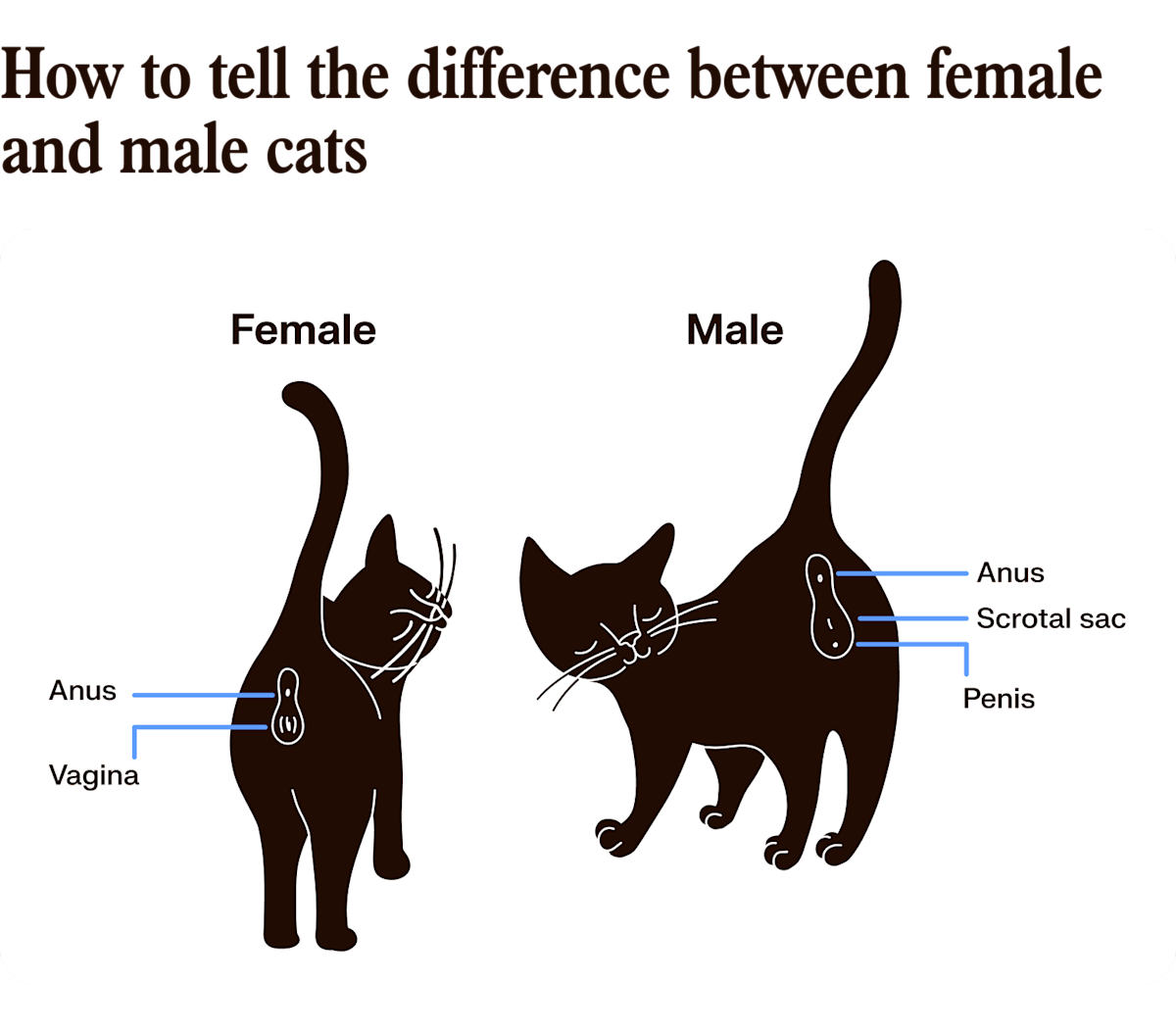
Male cats experience noticeable physical changes as they mature. Their testicles typically drop and grow larger around six months, which is a clear sign they are becoming sexually mature.
Along with this, you might see an increase in muscle mass and a more robust frame. These physical traits prepare them for mating and territorial behavior.
Behavioral Changes
As your male cat matures, his behavior will change too. You may notice him marking territory with strong-smelling urine or becoming more vocal, especially at night.
He might also start roaming further from home, showing interest in females nearby. These behaviors indicate his natural drive to find a mate is kicking in.
Have you observed these changes in your cat yet? Recognizing these signs helps you decide when to consider neutering or managing his mating instincts.
Credit: www.kinship.com
Signs Of Sexual Maturity
Recognizing the signs of sexual maturity in male cats is crucial for any cat owner. These signs indicate that your cat is ready to mate and may start exhibiting behaviors that can impact your home and their wellbeing. Paying attention to these changes helps you manage your cat’s needs better and make informed decisions about neutering or controlling their environment.
Marking Territory
One clear sign your male cat is reaching sexual maturity is when he starts marking his territory. You might notice him spraying strong-smelling urine on walls, furniture, or even outside areas. This behavior is a way to communicate his presence and ward off other males.
Have you caught your cat suddenly acting like he owns every corner of your house? This territorial marking often begins around six months old but can vary. It’s your cat’s way of saying, “This is mine,” which is a classic sign he’s entering adulthood.
Increased Aggression
Sexual maturity often brings a rise in aggression. Your once calm kitten may start to challenge other cats or even humans, showing more biting, scratching, or dominance behaviors. This aggression is tied to hormones and the instinct to compete for mates.
If you notice your cat getting more confrontational, it might be time to consider ways to reduce stress and provide outlets for his energy. Have you tried playing with him more or creating safe spaces to help manage his mood swings?
Vocalizations
Male cats tend to become much louder and more persistent in their vocalizations when they reach sexual maturity. Expect more yowling, especially at night, as they call out to potential mates or warn rivals. This can be quite intense and disruptive.
Does your cat’s sudden serenade keep you awake? This noisy behavior signals he’s ready to find a mate and is a natural part of his development. Understanding this can help you respond with patience and appropriate care strategies.
Typical Mating Timeline
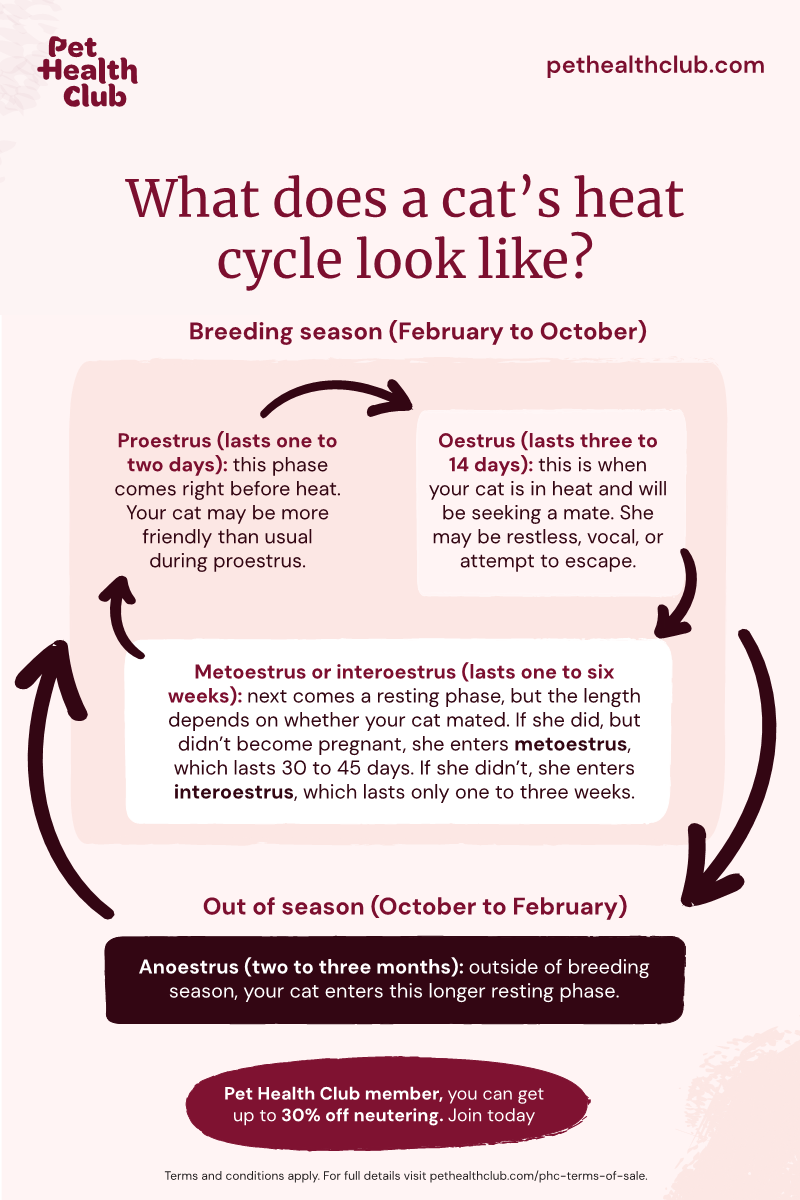
The typical mating timeline for cats begins with the female’s first estrus cycle. This cycle signals when she is ready to mate. Male cats start showing interest around this time but reach full mating capability a bit later.
Understanding this timeline helps in knowing when cats become sexually mature. It also explains their behavior during mating seasons. Both males and females follow natural cycles that guide their mating activities.
First Estrus Cycle In Female Cats
Female cats usually have their first estrus cycle between 5 and 9 months old. This phase is also called “heat.” During heat, females become more vocal and may show restless behavior.
Estrus cycles repeat every few weeks if the female does not mate. Each cycle lasts about 7 to 10 days. This period is when females are fertile and ready to mate.
Peak Mating Age For Males
Male cats often start mating from around 6 months old. However, they reach their peak mating age between 1 and 3 years. At this age, males are most active and competitive in seeking mates.
During peak age, males mark territory more and may fight with other males. Their hormone levels drive these behaviors. Knowing this helps manage male cat behavior during mating seasons.
Factors Influencing Mating Behavior
Male cats’ mating behavior varies due to several key factors. These factors affect the age they start mating and how often they seek mates. Understanding these influences helps in caring for male cats responsibly.
Breed Differences
Different cat breeds reach sexual maturity at different ages. Some breeds mature faster and start mating earlier. For example, smaller breeds may become active sooner than larger ones. Breeds with strong hunting instincts might show more mating behavior. Knowing the breed helps predict mating habits.
Environmental Impact
Environment plays a big role in mating behavior. Outdoor cats usually mate earlier than indoor cats. The presence of female cats in heat nearby triggers male cats to become active. Seasonal changes also affect mating times. Warmer months often increase mating activity.
Health And Nutrition
Good health and proper nutrition speed up maturity in male cats. Well-fed cats grow faster and reach breeding age sooner. Poor health or lack of food delays sexual development. Regular vet check-ups ensure the cat is healthy for mating. Nutrition and care directly influence mating readiness.
Preventing Unwanted Mating
Preventing unwanted mating in male cats is essential to control the pet population and ensure your cat’s health and happiness. Understanding when male cats start mating helps you take timely action. It also protects your home from unexpected litters and reduces stress for both you and your pet.
Neutering Benefits
Neutering male cats is the most effective way to prevent unwanted mating. It stops them from producing sperm and reduces their urge to roam in search of a mate.
Besides preventing litters, neutering lowers the risk of certain cancers and infections. It often calms aggressive or territorial behavior, making your cat more affectionate and easier to handle.
Have you noticed a difference in your cat’s behavior after neutering? Many owners report a more relaxed and less restless pet, which improves your overall bond.
Behavioral Management
Sometimes, neutering isn’t immediate or possible. Managing your cat’s behavior can help reduce mating attempts and roaming tendencies.
Try keeping your male cat indoors during the female cat’s heat cycles. Provide engaging toys and playtime to distract him from mating instincts.
Using pheromone diffusers can also reduce stress and aggressive behaviors linked to mating drives. Consistent routines and positive reinforcement teach your cat boundaries.
What small changes can you make today to keep your cat safe and comfortable during mating seasons? Addressing this can prevent many problems before they start.

Credit: www.youtube.com
When To Seek Veterinary Advice
Knowing when to seek veterinary advice about your male cat’s mating behavior is crucial for his health and your peace of mind. Mating instincts can bring changes in behavior and physical health that may not always be obvious. Paying attention to these signs helps you act early and avoid complications.
Unusual Behaviors
Have you noticed sudden aggression or excessive roaming in your male cat? These can be normal mating behaviors, but if they become intense or last too long, it’s time to consult a vet.
Other red flags include:
- Extreme vocalization that disrupts the household
- Persistent marking or spraying of urine inside the house
- Signs of distress or withdrawal from family members
These behaviors might indicate stress or underlying health issues triggered by mating instincts. Your vet can help identify whether these actions are typical or require treatment.
Health Concerns Related To Mating
Mating can expose your male cat to infections and injuries. Have you seen wounds or swelling around the genital area? These need immediate veterinary attention.
Common health concerns include:
- Urinary tract infections
- Sexually transmitted diseases
- Injuries from fights with other cats
Ignoring these signs could lead to serious complications. Regular check-ups and prompt vet visits ensure your cat stays healthy during his mating phase.
Frequently Asked Questions
When Do Male Cats Reach Sexual Maturity?
Male cats typically reach sexual maturity between 5 to 8 months of age. At this stage, they become capable of mating and may start showing mating behaviors.
How Can I Tell If My Male Cat Is Ready To Mate?
Signs include increased aggression, territorial spraying, and roaming behavior. Your cat may also show interest in female cats during their heat cycle.
Can Male Cats Mate Before One Year Old?
Yes, male cats can start mating as early as 5 months. However, their fertility and mating success improve as they grow older.
Does Neutering Affect When Male Cats Start Mating?
Neutering usually prevents mating behaviors by reducing hormone levels. Early neutering before sexual maturity stops your cat from mating altogether.
Conclusion
Male cats start mating around six months old. This age varies slightly. Early signs include increased wandering and vocalizations. These behaviors are natural. Owners should consider neutering to control the cat population. Neutering also reduces aggressive behavior. It helps keep your cat healthier and happier.
Understanding your cat’s needs is essential. It ensures a peaceful home environment. Always consult with a veterinarian. They provide the best advice for your pet. Knowing when and why cats mate helps pet owners. It keeps their cats safe and content.
Being informed is key to responsible pet ownership.

Lily Purrington is the founder of MyKittyPicks.com, a cozy corner of the web dedicated to helping cat lovers discover the best cat products, furniture, toys, and home decor ideas.
A lifelong cat enthusiast, Lily shares trusted tips, honest product recommendations, and stylish inspiration designed to keep kitties happy and homes beautiful.
Her mission is simple: to bring together practical advice and purr-fect picks that make life better for cats and the people who love them.


