
You love your cat and want to keep their toys safe and fun. But have you ever stopped to think about how clean those toys really are?
Dirty cat toys can harbor germs, dust, and even bacteria that might make your furry friend sick. Cleaning them regularly isn’t just about hygiene—it helps your cat stay healthy and happy. You’ll discover simple, effective ways to clean your cat’s toys, so you can protect your pet and enjoy playtime worry-free.
Keep reading to learn easy tips that will make a big difference for both you and your cat.
Why Clean Cat Toys Matter
Keeping your cat’s toys clean is more than just a chore—it directly affects your cat’s health and happiness. Dirty toys can harbor bacteria, dust, and allergens that may cause infections or allergic reactions in your furry friend. You might not see the mess, but your cat certainly feels it.
I once noticed my cat sneezing more often and losing interest in her favorite toys. After cleaning them thoroughly, her energy and playfulness returned. That experience showed me how important regular cleaning really is.
Health Risks From Dirty Toys
Cat toys can collect saliva, dirt, and germs over time. This buildup can lead to mouth infections, skin irritations, or even digestive issues if your cat chews on contaminated toys. Are you sure your cat’s toys are safe to play with right now?
Extending The Life Of Your Cat’s Toys
Cleaning toys regularly helps keep them in good shape for longer. Dirt and grime break down materials faster, causing toys to wear out quickly. By maintaining them, you save money and reduce waste.
Keeping Your Home Cleaner
Dirty toys can spread mess around your home. Dust and fur stuck to toys can fall off and settle on furniture or floors. Clean toys help keep your living space fresher and more pleasant for everyone.
Encouraging Your Cat’s Playfulness
Fresh-smelling, clean toys are more inviting for your cat. A clean toy feels different and can reignite your cat’s interest. When was the last time your cat ignored a toy because it just didn’t feel right?
Credit: www.petsradar.com
Types Of Cat Toys
Cat toys come in various types that suit different play styles. Each toy needs special care for cleaning. Understanding the types helps keep your cat’s toys safe and fresh.
Soft And Plush Toys
These toys feel soft and cuddly. Cats love to carry and snuggle them. Cleaning usually means hand washing or gentle machine cycles. Avoid harsh detergents to keep the fabric safe. Dry them completely before giving back to your cat.
Rubber And Plastic Toys
These toys are durable and easy to clean. Cats enjoy chewing and batting them around. Wash with warm, soapy water and rinse well. Some can go in the dishwasher. Check the toy’s label for cleaning instructions.
Interactive And Electronic Toys
These toys have moving parts or sounds. They keep cats engaged for longer times. Avoid water on electronic parts. Use a damp cloth to wipe the surface gently. Remove batteries before cleaning to prevent damage.
When To Clean Cat Toys
Knowing when to clean cat toys helps keep your pet healthy and happy. Dirty toys can harbor germs and bacteria that cause illness. Regular cleaning also keeps toys smelling fresh and looking new. Watch your cat’s toys closely for signs of dirt and wear. Some toys need more frequent cleaning than others.
After Visible Dirt Or Stains Appear
Clean toys immediately if you see dirt or stains. Mud, food, or saliva can build up quickly. These spots can attract bacteria and germs. Wiping or washing toys right away prevents bad smells. It also stops dirt from spreading to other areas.
Following Illness Or Infection
Wash all toys after your cat gets sick. Germs from illness can stick to toys. Cleaning removes harmful bacteria and viruses. This helps stop the illness from spreading again. Use hot water and pet-safe soap for better cleaning.
After Outdoor Playtime
Outdoor toys get dirtier fast. Grass, soil, and debris stick to toys outside. Clean toys before bringing them indoors. This keeps your home cleaner. It also protects your cat from picking up parasites or germs.
On A Regular Schedule
Set a routine to clean toys regularly. Weekly or biweekly cleaning works well. It keeps toys fresh and safe. Regular cleaning reduces buildup of germs and dirt. It also helps you check toys for damage or wear.
When Toys Start To Smell
Unpleasant odors mean it’s time to clean. Smell changes show bacteria growth or leftover food. Remove the smell with a good wash. Fresh-smelling toys encourage your cat to play more. Avoid harsh cleaners that harm your pet.
Cleaning Soft And Plush Toys
Soft and plush cat toys need gentle cleaning to stay safe and comfy for your pet. Dirt, dust, and germs can build up quickly on these toys. Regular cleaning keeps them fresh and helps avoid allergies or infections. Use mild cleaning methods to protect the fabric and stuffing inside. Avoid harsh chemicals or rough scrubbing that can damage the toy.
Hand Washing Method
Fill a basin with warm water and add a small amount of mild detergent. Soak the plush toy for 10 to 15 minutes. Gently rub the surface to remove dirt and stains. Rinse the toy thoroughly with clean water to remove soap. Press the toy lightly to remove excess water. Avoid wringing or twisting, which can misshape the toy.
Machine Washing Tips
Place the soft toy inside a pillowcase or laundry bag for protection. Use a gentle cycle with cold water on the washing machine. Choose a mild detergent designed for delicate fabrics. Avoid bleach or fabric softeners that can harm the toy’s material. Wash the toys separately from heavy or rough items to prevent damage.
Drying Techniques
After washing, reshape the toy gently to its original form. Air dry the toy by laying it flat on a clean towel. Avoid direct sunlight to prevent fading of colors. For faster drying, place the toy near a fan or in a well-ventilated room. Do not use a dryer, as heat can damage the fabric and stuffing.
Cleaning Rubber And Plastic Toys
Use warm water and mild soap to gently clean rubber and plastic cat toys. Rinse well to remove soap and let them air dry completely before giving them back to your cat. Regular cleaning keeps toys safe and fresh for play.
Cleaning your cat’s rubber and plastic toys is essential not only for maintaining hygiene but also for ensuring your furry friend’s safety. These toys can accumulate grime, saliva, and bacteria, which may lead to infections or allergies. Regular cleaning is crucial, but how do you do it effectively without damaging the toys? Let’s dive into some practical methods.Soap And Water Cleaning
Start with a simple soap and water solution. It’s effective and gentle for most rubber and plastic toys. Use a mild dish soap and warm water, ensuring it lathers well. Gently scrub the toys using a soft brush or cloth. Pay extra attention to crevices where dirt tends to hide. Rinse thoroughly to remove any soap residue, as leftover soap can irritate your cat.Using Vinegar Solutions
Vinegar is a natural disinfectant and can be an excellent choice for cleaning. Mix equal parts of water and white vinegar in a spray bottle. This solution works wonders for removing odors and bacteria. Spray the mixture on the toys and let it sit for a few minutes. Then, wipe them clean with a damp cloth. The vinegar smell will fade as the toys dry, leaving them fresh and clean.Sanitizing Methods
If you are concerned about bacteria or viruses, consider sanitizing the toys. Use a diluted bleach solution, with one part bleach to ten parts water. Soak the toys for a short period, about five minutes. Thoroughly rinse to remove all bleach traces. It’s crucial to ensure no bleach is left, as it can be harmful if ingested by your pet. Are you regularly cleaning your cat’s toys, or is this a new routine for you? Keeping these toys clean not only protects your pet but also gives you peace of mind. Your cat deserves a safe and playful environment—one toy at a time.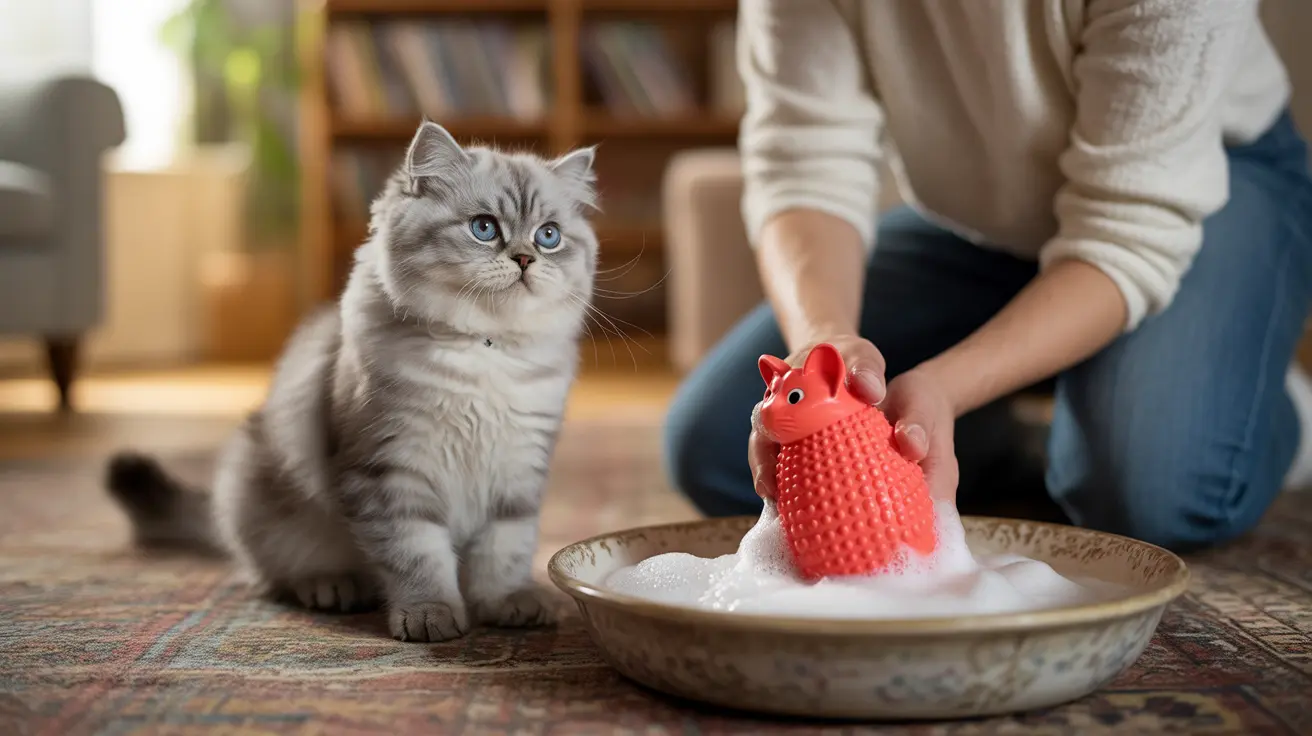
Credit: www.petscare.com
Cleaning Interactive And Electronic Toys
Interactive and electronic cat toys can be a big hit with your feline friend, but they also require special care when it comes to cleaning. These toys often have delicate parts that don’t handle moisture well, so cleaning them properly is key to keeping them both safe and functional. Let’s break down how to keep these fun toys fresh without causing any damage.
Surface Wiping
Start by unplugging or turning off any electronic toys before cleaning. Use a soft, damp cloth to gently wipe down the surface, focusing on spots where your cat’s saliva or dust may accumulate. Avoid harsh chemicals; a mild soap solution or pet-safe cleaner works best to keep surfaces clean without leaving harmful residues.
Pay special attention to crevices where dirt can hide. A cotton swab dipped in a cleaning solution helps reach tight spots without soaking the toy. Have you noticed how much your cat loves to nibble on certain parts? Those areas need extra care.
Avoiding Water Damage
Water and electronics don’t mix well, so never submerge interactive toys in water. Instead, opt for spot cleaning with minimal moisture. If a toy’s instructions say it’s waterproof, verify how much water it can handle before you clean it.
Keep charging ports and battery compartments dry at all times. Using a dry microfiber cloth after wiping can help remove any leftover dampness. Would you want to risk replacing a pricey toy just because of water damage?
Battery Care
Remove batteries before cleaning to prevent short circuits or corrosion. If you spot any rust or leakage, replace the batteries immediately to protect the toy’s internal components. Keeping spare batteries on hand means you won’t have to delay playtime.
Rechargeable toys need gentle handling—avoid overcharging and store them in a cool, dry place. Consider scheduling regular battery checks to extend the life of your interactive toys. How often do you check your cat’s toy batteries?
Safe Cleaning Products For Cat Toys
Cleaning cat toys is important to keep your pet healthy. Using safe cleaning products protects your cat from harmful chemicals. Choose products with gentle ingredients made for pets. Harsh cleaners can irritate your cat’s skin or cause sickness. Always pick options that clean well without risks.
Non-toxic Ingredients
Non-toxic ingredients are safe for cats and humans. They break down dirt and germs without harmful effects. Look for products labeled “pet-safe” or “non-toxic.” Common safe ingredients include:
- Water-based solutions
- Plant-derived surfactants
- Natural enzymes
- Essential oils (use sparingly and check safety)
Avoid cleaners with ammonia, bleach, or strong fragrances. These can cause allergies or poisoning. Always rinse toys well after cleaning to remove residue.
Homemade Cleaning Solutions
Homemade solutions offer safe and simple cleaning for cat toys. They use common household ingredients that are gentle and effective. Try these mixes:
- Warm water with mild dish soap
- White vinegar diluted with water (1 part vinegar to 3 parts water)
- Baking soda paste for scrubbing tough spots
These solutions kill germs and remove odors without chemicals. Rinse toys thoroughly and air dry before giving them back to your cat. Homemade cleaners save money and keep your pet safe.
Tips To Keep Cat Toys Fresh Longer
Regularly washing cat toys removes dirt and germs, keeping them safe and fresh. Use mild soap and warm water, then dry completely to prevent damage. Storing toys in a clean, dry place helps maintain their quality longer.
Keeping your cat’s toys fresh and clean is crucial for both their health and enjoyment. Cats, much like humans, appreciate a clean environment, and their toys are no exception. This section offers practical tips to ensure your cat’s playthings remain in top condition for longer. Whether you’ve got a playful kitten or a seasoned feline, maintaining the freshness of their toys can make a significant difference. Let’s explore how you can extend the life of your cat’s favorite items with ease.Regular Cleaning Routine
Establishing a regular cleaning routine for your cat’s toys is essential. Just like their litter box or feeding area, toys can harbor bacteria and germs. Aim to wash plush toys weekly using mild soap and warm water. Hard toys can be cleaned with a simple vinegar-water solution. This not only disinfects but also removes odors. Rinse thoroughly and let them dry completely before returning them to your cat.Proper Storage
Storing cat toys properly can significantly prolong their lifespan. After playtime, gather the toys and store them in a clean, dry place. Consider using a dedicated toy bin that’s easily accessible. Avoid leaving toys in damp or dirty areas where they can collect dust or get damaged. By organizing your cat’s toys, you also make it easier to rotate them, keeping playtime exciting.Rotating Toys
Just like children, cats can get bored with the same toys. Regularly rotating their toys can keep them engaged and prevent wear and tear. You don’t need a huge collection; just a few well-chosen items can do the trick. Switch out toys every week to keep things fresh. This not only keeps your cat intrigued but also reduces the frequency of cleaning each item. What’s your cat’s favorite toy? It might just be time to give it a little break!
Credit: blog.adoredbeast.com
Frequently Asked Questions
How Often Should I Clean My Cat’s Toys?
Clean cat toys every 1-2 weeks to remove dirt and bacteria. Frequent cleaning keeps toys safe and hygienic for your cat’s health.
What’s The Safest Way To Clean Cat Toys?
Use mild soap and warm water to clean toys. Avoid harsh chemicals that can harm your cat or leave toxic residues.
Can I Wash Fabric Cat Toys In A Machine?
Yes, fabric cat toys can be machine washed on a gentle cycle. Use mild detergent and air dry to maintain their shape and safety.
How Do I Clean Electronic Cat Toys Properly?
Remove batteries before cleaning electronic toys. Wipe them with a damp cloth and avoid submerging in water to prevent damage.
Conclusion
Cleaning cat toys keeps your pet healthy and happy. Regular washing removes dirt and germs. Use gentle soap and warm water for best results. Let toys dry completely before giving them back. Clean toys last longer and stay safe to use.
Make this a simple habit in your pet care routine. Your cat will enjoy fresh, clean toys every day. Keeping toys clean helps prevent illness and discomfort. A small effort goes a long way for your cat’s well-being.

Lily Purrington is the founder of MyKittyPicks.com, a cozy corner of the web dedicated to helping cat lovers discover the best cat products, furniture, toys, and home decor ideas.
A lifelong cat enthusiast, Lily shares trusted tips, honest product recommendations, and stylish inspiration designed to keep kitties happy and homes beautiful.
Her mission is simple: to bring together practical advice and purr-fect picks that make life better for cats and the people who love them.


