
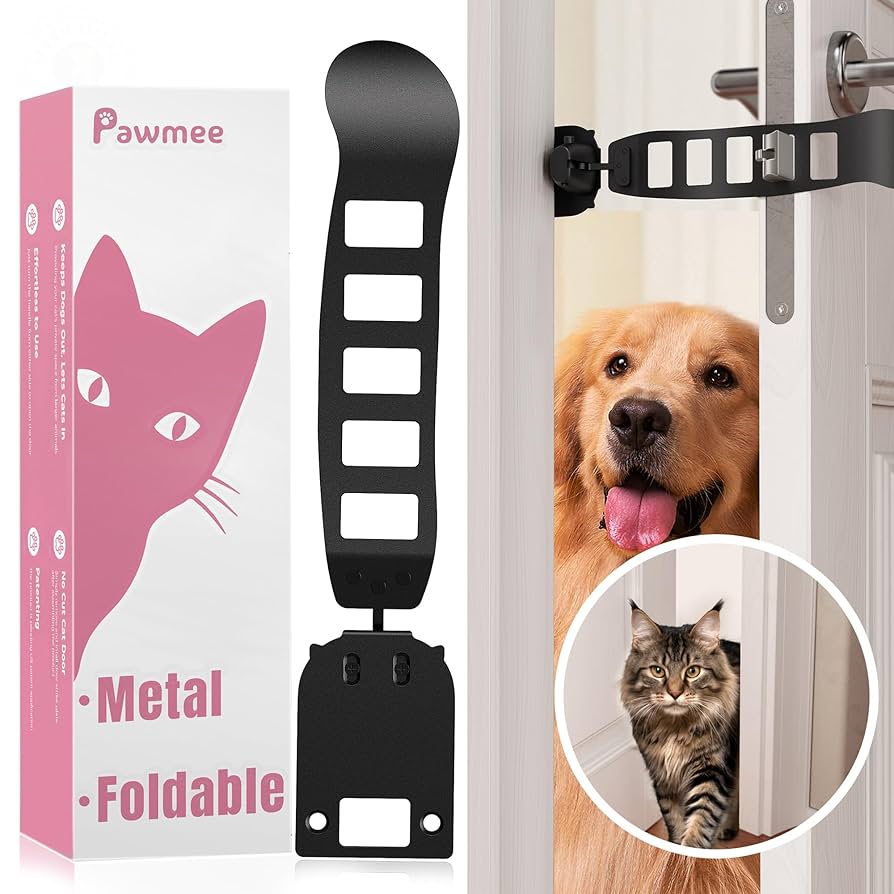
Are you tired of constantly opening the door for your cat? Installing a cat door in your metal door can give your furry friend the freedom they deserve while making your life easier.
You might think it’s a difficult job, but with the right steps, you can do it yourself quickly and safely. In this guide, you’ll learn exactly how to install a cat door in a metal door without any hassle. Keep reading to discover simple tips and tricks that will save you time and make your cat’s day better instantly.

Credit: theraleighbeergarden.com
Choosing The Right Cat Door
Choosing the right cat door is crucial before you start cutting into your metal door. It affects not only how well your pet can use it but also how secure and durable the installation will be. The right choice balances your cat’s needs with your home’s safety and the metal door’s structure.
Sizing Your Cat Door
Measure your cat carefully. The door should be wide and tall enough for your cat to pass through comfortably without squeezing. A good rule is to add a couple of inches to your cat’s shoulder width and height.
Think about your cat’s growth or if you have multiple cats of different sizes. A slightly bigger door avoids future hassles and makes your pet feel more comfortable. Too small a door can cause frustration or even injuries.
Material Compatibility
Metal doors need a cat door designed to work with tough surfaces. Look for doors made with materials that can be securely attached to metal, like stainless steel or heavy-duty plastic frames with metal reinforcements.
Some cat doors come with templates and special screws for metal doors, making installation easier and safer. Avoid flimsy plastic models—they may not hold up well and could damage your door over time.
Security Features
Security matters a lot with metal doors, especially if it’s an exterior door. Choose cat doors with locking mechanisms to control when your cat can go in or out. This keeps unwanted animals or intruders from entering your home.
Some models offer electronic or magnetic locks that open only for your cat’s collar tag. Think about how much control you want over your cat’s access. A secure cat door means peace of mind for you and freedom for your pet.

Credit: www.amazon.ca
Gathering Tools And Materials
Gathering the right tools and materials is the first step to install a cat door in a metal door. Having everything ready saves time and avoids interruptions. It also ensures the installation is safe and clean. Focus on tools that suit metal work, and don’t forget protective gear. Here is what you need to prepare before starting.
Essential Tools List
- Measuring tape to mark the door accurately
- Marker or pencil for outlining the cut area
- Electric drill with metal drill bits
- Jigsaw or metal cutting saw for making the door hole
- File or sandpaper to smooth rough edges
- Screwdriver to attach the cat door frame
- Clamps to hold the door steady while cutting
- Vacuum or brush to clean metal shavings
Safety Equipment
- Safety goggles to protect your eyes from metal shards
- Heavy-duty gloves to avoid cuts and scrapes
- Ear protection to reduce noise from power tools
- Dust mask to prevent inhaling metal dust
- Long sleeves and pants to cover your skin
Preparing The Metal Door
Preparing your metal door before installing a cat door is crucial for a smooth and secure fit. Metal doors are tough, but with the right preparation, you can avoid common issues like misalignment or damage. Taking time to measure and protect the door will save you headaches later on.
Measuring And Marking
Start by measuring your cat door carefully. Use a tape measure to note the height and width of the opening required. Remember, accuracy here determines how well the cat door fits and functions.
Next, mark the exact spot on your metal door where you want to install the door. Use a fine-tip marker or pencil for clear, precise lines. Double-check your measurements before making any cuts—once you cut, there’s no turning back.
Think about your cat’s comfort. Is the height suitable for easy access? You don’t want your furry friend struggling to reach the door. Taking this extra moment to picture your cat’s movement can guide your placement perfectly.
Protecting The Door Surface
Metal doors can scratch or dent easily during installation. Protect the surface by applying painter’s tape around the marked area. This simple step prevents damage from tools and keeps your door looking neat.
Also, consider using a piece of cardboard or cloth under your tools while cutting. It absorbs vibrations and helps control dust and metal shavings. I once skipped this step and ended up with tiny scratches that were hard to buff out later.
Don’t forget safety gear like gloves and goggles. Protecting yourself is just as important as protecting the door. Are you ready to handle the metal safely and keep your door pristine?
Cutting The Opening
Cutting the opening in a metal door requires care and precision. This step is crucial to fit the cat door properly. Using the right tools and techniques will make the process smooth and safe. Prepare the door by measuring and marking the exact spot for the cut. Ensure the outline matches the cat door template for a perfect fit.
Drilling Starter Holes
Start by drilling holes at the corners of the marked outline. Use a drill bit sized to fit your saw blade. These holes create entry points for the saw to begin cutting. Drill slowly to avoid bending or damaging the metal. Clean out any metal shavings to keep the workspace safe.
Using A Jigsaw Or Reciprocating Saw
Choose a jigsaw or reciprocating saw with a metal-cutting blade. Insert the blade into a starter hole and follow the marked outline carefully. Keep the saw steady and move slowly to prevent rough edges. Apply light pressure to avoid warping the door. Take breaks if needed to maintain control and accuracy.
Smoothing The Edges
After cutting, the edges may be sharp or uneven. Use a metal file or sandpaper to smooth the edges. Work around the entire opening to remove burrs and rough spots. This step protects your cat and prevents damage to the cat door frame. Wipe away metal dust before installing the door.
Installing The Cat Door Frame
Installing the cat door frame into a metal door requires precision and care. This step sets the foundation for a sturdy and functional cat door that lasts through all weather conditions. Paying attention to alignment, securing the frame properly, and sealing it effectively will ensure your pet enjoys easy access without compromising your door’s integrity.
Aligning The Frame
Start by placing the frame against the cutout in your metal door. Check that it fits snugly without gaps or wobbling. Use a level to make sure the frame is perfectly straight—your cat will appreciate a door that swings smoothly without sticking.
Try holding the frame in place and gently pushing the flap to test movement before securing it. Is the flap centered and balanced? Small adjustments now save you from headaches later.
Securing With Screws
Once the frame is aligned, grab the screws provided in your cat door kit. Metal doors can be tough, so use a drill with a metal bit to pre-drill holes if necessary. This prevents the door from bending or cracking under pressure.
Tighten the screws evenly around the frame, alternating sides to keep the frame flush against the door. Avoid over-tightening, which might warp the frame or strip the screw holes. Solid, firm anchoring is key to prevent the frame from loosening over time.
Sealing For Weatherproofing
After the frame is secured, it’s crucial to seal the edges to keep out drafts, moisture, and insects. Apply a bead of waterproof silicone sealant around the perimeter where the frame meets the door. Smooth it with a finger or tool for a neat finish.
Check for any missed spots or gaps that could let in water or cold air. Weatherproofing not only protects your door but also keeps your home comfortable and your cat’s passage dry. Would you want your pet trudging through a chilly, wet flap every day?
Testing And Adjustments
Check the cat door for smooth opening and closing. Adjust the flap and frame to prevent drafts or gaps. Test several times to ensure your pet can use it easily.
Installing a cat door in a metal door can be a game changer for both you and your feline friend. Once the installation is complete, the next crucial phase is testing and adjustments. This process ensures that the cat door operates smoothly and safely, offering your cat the freedom they crave while maintaining the security of your home. Let’s delve into this vital stage to ensure everything is in perfect working order.Checking Door Operation
Begin by gently swinging the cat door open and closed a few times. Feel for any resistance or unusual sounds that might indicate an issue with the installation. A properly functioning cat door should move freely without any hindrance. Watch closely as the door swings back into place. Does it align correctly with the frame? Misalignment could mean the screws need tightening or the frame needs repositioning.Ensuring Cat Access
Invite your cat to test their new entryway. Encourage them with treats or toys to pass through the door. It’s crucial that your cat feels comfortable and confident using the door. Observe your cat’s movement through the door. Do they hesitate or struggle? If so, the flap might be too heavy or the opening too small. Consider adjustments like trimming the flap or enlarging the opening for smoother access.Troubleshooting Common Issues
Encountering problems is not uncommon, but they can often be resolved with simple fixes. If the door sticks, check for any debris caught in the hinges or frame. Cleaning these areas can alleviate the issue. Is the door not locking properly? Inspect the locking mechanism for any misalignment or damage. A slight adjustment or replacement of faulty parts can restore functionality. Sometimes, even after adjustments, the door might still not work perfectly. Could it be that the magnet is too strong or the weather stripping is too thick? Reassessing these elements can lead to the solution. Testing and adjustments are not just about functionality; they are about ensuring a seamless experience for your cat. By taking these steps, you not only improve the door’s operation but also strengthen the bond with your pet by offering them newfound independence.Maintaining Your Cat Door
Choose the right cat door designed for metal doors to ensure a perfect fit. Carefully measure and mark the area before cutting. Use proper tools to make clean cuts and secure the door firmly for safe use.
Maintaining your cat door ensures it lasts long and works well. Regular maintenance keeps it clean and free from damage. This section provides helpful tips for taking care of your cat door.Regular Cleaning Tips
Keep the cat door clean for smooth operation. Use a damp cloth to wipe off dust and dirt. Avoid harsh chemicals that can damage the door. Clean the frame and flap regularly to prevent buildup.Inspecting For Damage
Check the door for signs of wear and tear. Look for cracks, loose screws, or bent frames. Fix minor issues quickly to prevent bigger problems. Replace any damaged parts to ensure safety and functionality. Regular care of your cat door saves time and money. It also keeps your home secure and your cat happy.
Credit: www.wayfair.com
Frequently Asked Questions
How Do You Measure A Metal Door For A Cat Door?
Measure the door’s width and height accurately. Mark the desired height for your cat door. Use a level to ensure straight lines. Double-check measurements before cutting to avoid mistakes.
What Tools Are Needed To Install A Cat Door In Metal?
You need a drill with metal bits, jigsaw, screwdriver, measuring tape, pencil, and safety goggles. These tools help cut and secure the cat door properly.
Can A Cat Door Be Installed Without Damaging Metal Doors?
Yes, with careful measuring and proper tools, damage is minimal. Follow instructions closely and use protective gear to avoid scratches or dents.
How To Ensure A Cat Door Fits Securely In A Metal Door?
Use the manufacturer’s template for cutting. Tighten all screws firmly. Apply weather stripping for a snug fit and to prevent drafts.
Conclusion
Installing a cat door in a metal door is simple with the right steps. Measure carefully and use proper tools for a clean cut. Take your time to avoid mistakes and keep your pet safe. A well-installed cat door gives your cat freedom and peace of mind.
Enjoy watching your furry friend come and go easily. This small project adds convenience to your home and happiness to your pet. Try it yourself and see the benefits right away.

Lily Purrington is the founder of MyKittyPicks.com, a cozy corner of the web dedicated to helping cat lovers discover the best cat products, furniture, toys, and home decor ideas.
A lifelong cat enthusiast, Lily shares trusted tips, honest product recommendations, and stylish inspiration designed to keep kitties happy and homes beautiful.
Her mission is simple: to bring together practical advice and purr-fect picks that make life better for cats and the people who love them.


