
Have you ever noticed a female cat rolling around right after mating and wondered why she does that? It’s a curious behavior that might seem strange at first.
But understanding this action can tell you a lot about your cat’s natural instincts and health. If you want to learn what’s really going on and why it matters for your feline friend, keep reading. You’ll discover surprising facts that will change the way you see your cat’s behavior forever.
Female Cat Mating Behavior
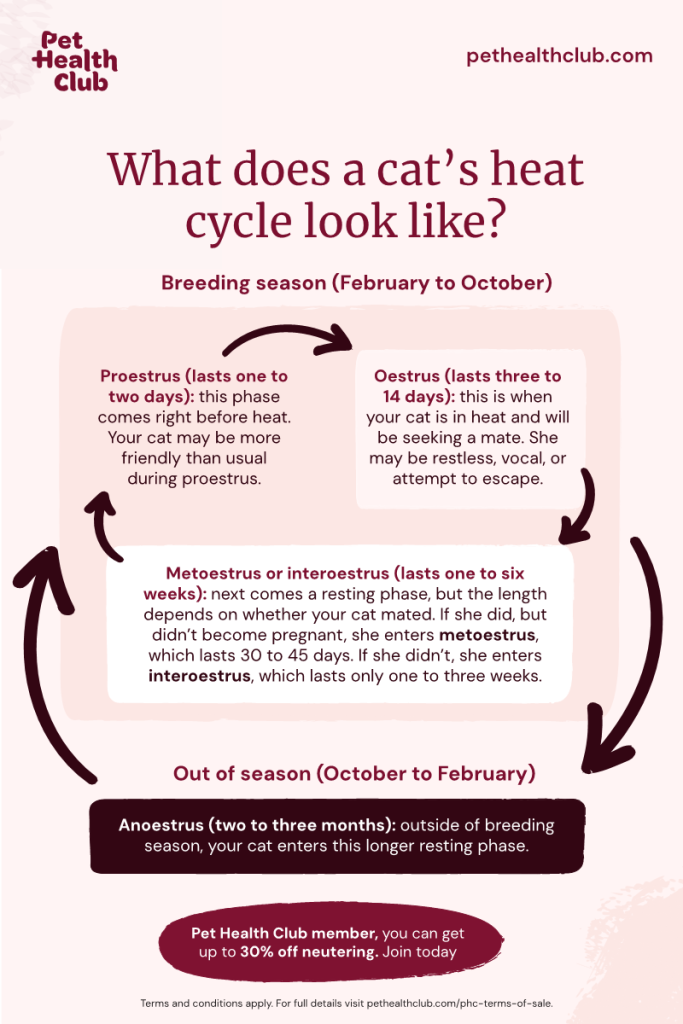
Female cats show unique behaviors during and after mating. These actions help with reproduction and signal readiness or discomfort. Understanding these behaviors gives insight into their natural instincts and health.
Typical Post-mating Actions
After mating, female cats often roll on the ground. This action may help them spread their scent. It also could soothe any discomfort from the mating process. Some females may groom themselves vigorously. Others might become more vocal or restless. These behaviors are normal and part of their natural cycle.
Role Of Hormones
Hormones play a big role in female cat behavior after mating. Estrogen and progesterone levels change quickly. These shifts influence mood and physical reactions. Hormones also prepare the body for possible pregnancy. They can cause the cat to seek comfort or show signs of stress. Hormonal changes explain why females act differently after mating.
Credit: www.pethealthclub.com
Physical Reasons For Rolling
After mating, female cats often roll around on the floor, a behavior that can seem puzzling at first glance. This action isn’t random; it serves important physical purposes linked to their reproductive health. Understanding these reasons can help you better interpret your cat’s behavior and her needs during this sensitive time.
Relieving Discomfort
Mating can be physically uncomfortable for female cats. The male cat’s barbed penis can cause a sharp sensation, prompting the female to roll around to ease the discomfort. This rolling motion helps shift her position, relieving pressure and soothing any irritation.
If you notice your cat rolling excessively after mating, it might be her way of coping with temporary soreness. Observing her carefully can tell you if she needs extra care or a quiet space to rest.
Stimulating Ovulation
Unlike many animals, female cats are induced ovulators, meaning the physical act of mating triggers the release of eggs. Rolling around helps stimulate the reproductive tract, encouraging ovulation after mating.
This behavior supports successful fertilization by promoting hormonal changes. Have you ever wondered why your cat doesn’t always roll around like this during other times? It’s a clear sign that her body is actively responding to mating.
Communication Signals
Female cats use body language to send clear messages after mating. Rolling around is one way to communicate with other cats nearby. This behavior helps them share important information without making loud noises.
These signals can indicate different things. They help protect the female’s space and show her readiness for future interactions. Understanding these signals offers insight into cat behavior and social dynamics.
Marking Territory
Female cats roll on the ground to leave their scent behind. Their paws and body have scent glands that spread pheromones as they move. These scents mark the area as their own, warning other cats to keep away.
This territorial marking helps reduce conflicts with other cats. It tells males and females in the area that the space is claimed. This silent message keeps peace and order in their environment.
Signaling Readiness
Rolling around also signals the female’s readiness to mate again. It shows she is fertile and open to further mating attempts. This behavior attracts males and encourages courtship rituals.
The movement highlights her physical condition and willingness. It helps males recognize the right timing for mating. This communication boosts the chances of successful reproduction.
Behavioral Benefits
Female cats often roll around after mating, and this behavior isn’t random. It serves important behavioral benefits that affect their emotional and social well-being. Understanding these benefits can help you better interpret your cat’s actions and respond to her needs.
Reducing Stress
Rolling around helps female cats release tension built up during mating. This movement allows them to relax their muscles and calm their nervous system.
Think about a time when you stretched or moved around after a stressful event—your cat is doing something similar. This natural stress relief can prevent anxiety and promote a sense of safety.
Have you noticed your cat purring or kneading after rolling? These are signs she is soothing herself and feeling more comfortable.
Bonding With Mate
Rolling after mating can also strengthen the bond between the female and her mate. This behavior signals acceptance and trust, making the male feel more secure.
In a way, it’s like a handshake or hug for cats—an important social cue that fosters connection. When you observe this, it means your cat is engaging in natural bonding rituals.
Next time you see your cat roll after mating, think of it as her way of building a relationship, not just a random action. How might this insight change the way you watch their interactions?
Comparisons With Other Animals
Female cats display unique behaviors after mating that catch the attention of many. Comparing these actions with other animals helps us understand their purpose and meaning. Some behaviors appear across mammals, while others remain distinct to cats.
Similar Behaviors In Mammals
Many mammals show post-mating actions that seem strange but serve important roles. Rolling or rubbing against surfaces happens to spread scent markers. This behavior helps communicate reproductive status to other animals nearby.
For example, female dogs often roll or sniff around after mating. This may signal to males that she is ready or has mated successfully. Similarly, some rodents groom themselves or their partner after mating to strengthen bonds.
These behaviors share common goals:
- Signaling fertility
- Marking territory
- Promoting social bonds
Unique Traits In Cats
Cats show distinct post-mating behaviors not seen in many other mammals. Female cats often roll on the ground immediately after mating. This action may help them cope with physical sensations or stimulate ovulation.
Unlike some mammals, cats rely on induced ovulation, triggered by mating itself. Rolling might help increase stimulation, aiding this process. This behavior also appears linked to stress relief and comfort after mating.
Other unique traits include:
- Rapid rolling combined with vocalizations
- Sudden changes in body posture
- Increased grooming after mating
These actions highlight the cat’s special reproductive biology and communication style.

Credit: www.kinship.com
When To Consult A Vet
Knowing when to consult a vet after your female cat rolls around post-mating can be crucial for her health. Not all behaviors are cause for alarm, but some signals should never be ignored. Paying attention to changes can save your cat from discomfort or serious issues.
Identifying Abnormal Behavior
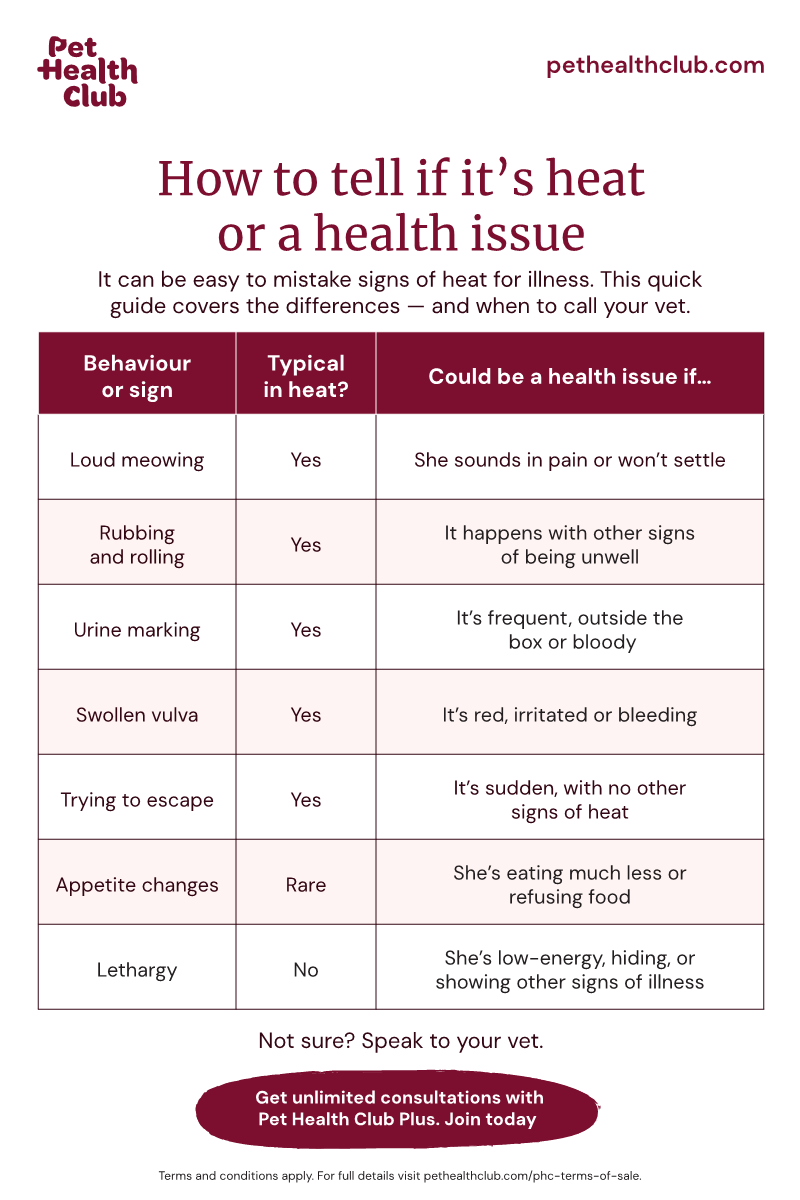
Most female cats roll around after mating as a natural response, but if you notice excessive restlessness or distress, take note. Does she seem unusually lethargic or aggressive? These shifts in behavior might indicate pain or infection.
Look for signs like persistent vocalizing, refusal to eat, or hiding more than usual. These are red flags that your cat may need medical attention. Trust your instincts—if something feels off, it probably is.
Health Concerns After Mating
Sometimes, rolling can mask underlying health problems such as urinary tract infections or reproductive complications. If your cat shows swelling, discharge, or foul odors, don’t wait to seek veterinary care.
Watch out for symptoms like vomiting, fever, or difficulty walking. These could point to conditions that require prompt treatment. Have you ever noticed your cat acting strangely after mating? Early vet visits can prevent small issues from becoming serious.
Credit: cats.fandom.com
Frequently Asked Questions
Why Do Female Cats Roll After Mating?
Female cats roll after mating to spread their scent and signal readiness. This behavior also helps them stimulate ovulation and calm post-mating discomfort.
Is Rolling Normal Behavior After Cat Mating?
Yes, rolling is a normal behavior. It helps female cats communicate and physically adjust after mating, promoting successful reproduction.
How Long Do Female Cats Roll Post-mating?
Female cats typically roll for a few minutes to an hour after mating. This time allows scent spreading and physical adjustment.
Does Rolling Indicate Pregnancy In Female Cats?
No, rolling does not indicate pregnancy. It is a natural response to mating and helps with reproductive processes but does not confirm pregnancy.
Conclusion
Understanding why female cats roll after mating offers valuable insights. It’s a natural behavior influenced by biology. This action helps relieve stress and stimulates ovulation. Observing these behaviors enhances our knowledge of feline reproduction. It also highlights their unique instincts.
Cats exhibit this rolling behavior instinctively. It ensures successful reproduction in nature. By learning more, cat owners can better care for their pets. This knowledge fosters a deeper connection with our feline friends. A fascinating glimpse into the world of cats.

Lily Purrington is the founder of MyKittyPicks.com, a cozy corner of the web dedicated to helping cat lovers discover the best cat products, furniture, toys, and home decor ideas.
A lifelong cat enthusiast, Lily shares trusted tips, honest product recommendations, and stylish inspiration designed to keep kitties happy and homes beautiful.
Her mission is simple: to bring together practical advice and purr-fect picks that make life better for cats and the people who love them.


