
Have you ever wondered if female cats bleed after mating? If you’re a cat owner or just curious about feline behavior, this question might have crossed your mind.
Understanding what happens during and after a cat’s mating process can help you take better care of your furry friend. You’ll discover the truth about female cats and bleeding, what’s normal, and when you should be concerned. Keep reading to get clear answers and feel confident about your cat’s health.

Credit: www.youtube.com
Why Cats Bleed After Mating
Noticing a bit of blood after your female cat mates can be alarming. But why exactly does this happen? Understanding the reasons behind bleeding after mating can help you ensure your cat’s health and avoid unnecessary worry.
Biological Reasons
Female cats have a unique reproductive system that explains this bleeding. During mating, the male cat’s barbed penis stimulates ovulation in the female by causing small tears in the vaginal lining. These tiny injuries can lead to light bleeding.
This bleeding is usually minimal and short-lived. If you observe heavy or continuous bleeding, it could signal an injury or infection, and a vet visit is necessary.
Physical Changes During Mating
The physical act of mating in cats is quite vigorous. The male’s barbed penis causes discomfort, prompting the female to vocalize loudly and sometimes even try to escape. This reaction is normal but contributes to minor vaginal trauma.
In addition, the female’s body undergoes hormonal changes that prepare her for possible pregnancy. These changes can make the vaginal tissues more sensitive and prone to slight bleeding after mating.
Have you ever noticed your cat acting differently right after mating? These physical and hormonal shifts explain those behaviors and the occasional spotting you might see.
Signs Of Normal Bleeding
Noticing bleeding after your female cat mates can be alarming, but it’s important to recognize what’s normal. Understanding the typical signs of bleeding helps you avoid unnecessary panic and identify when a vet’s visit is needed. Let’s look closely at what you should expect in terms of color, amount, and duration.
Color And Amount
Normal bleeding after mating usually appears as light spotting rather than heavy flow. You might see small drops of pink or reddish fluid on your cat’s fur or bedding. This happens because the mating process can cause minor irritation to the delicate tissues inside her reproductive tract.
Keep an eye out for bright red blood or large clots, which are less common and might signal injury or infection. If you notice only faint spotting, it’s likely nothing to worry about.
Duration Of Bleeding
Typically, normal bleeding lasts no more than a day or two after mating. If the spotting stops quickly, it means your cat’s body is healing as expected. Prolonged bleeding beyond 48 hours, however, should prompt a closer look.
Think about how you would react if the bleeding stretched longer. Would you feel confident it’s normal, or would you seek help? Your attentiveness can make a big difference in your cat’s health, so don’t hesitate to contact your vet if bleeding continues or worsens.
When Bleeding Is A Concern
Bleeding after mating in female cats is not always normal. It can sometimes signal health problems that need attention. Knowing when bleeding is a concern helps protect your cat’s health and comfort.
Excessive Bleeding
Some bleeding after mating can be light and short. Excessive bleeding means a large amount or bleeding that lasts more than a day. This can cause weakness or distress in the cat. Excessive bleeding might indicate injury or a medical issue that needs a vet’s care.
Signs Of Infection
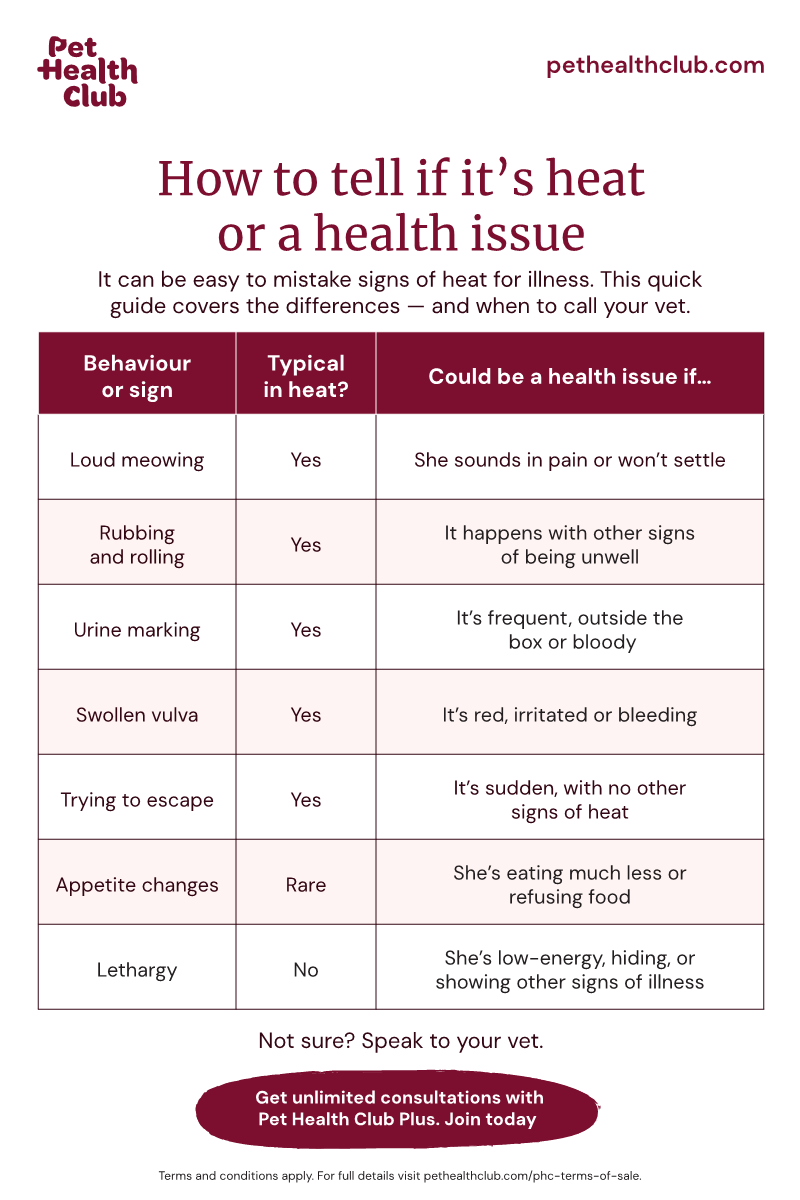
Infection after mating can cause bleeding and other symptoms. Look for swelling, redness, or discharge with a bad smell. The cat may also lick the area a lot or show signs of pain. Fever and loss of appetite are also warning signs. These signs mean a vet should check your cat quickly.
Credit: www.pethealthclub.com
Impact Of Heat Cycle On Bleeding
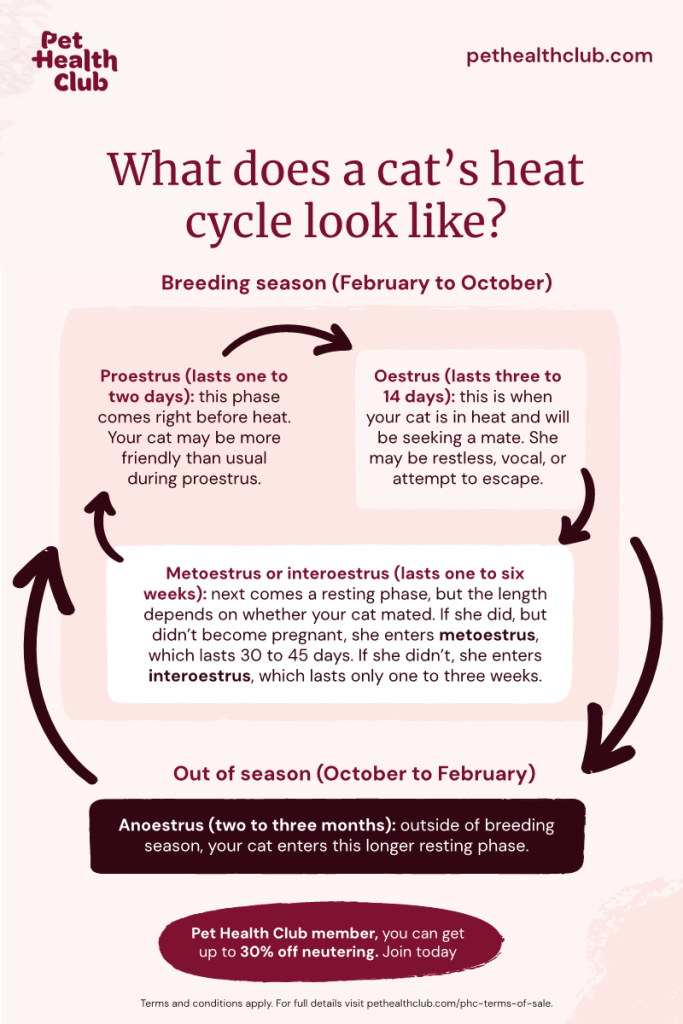
The heat cycle in female cats plays a crucial role in understanding any bleeding that might occur after mating. This cycle, known as estrus, influences not only physical changes but also behavioral shifts that can sometimes confuse cat owners. Recognizing the connection between the heat cycle and bleeding helps you provide better care and respond appropriately to your cat’s needs.
Estrus And Bleeding
During estrus, female cats experience hormonal changes that prepare their bodies for potential pregnancy. It’s common to see some spotting or light bleeding during this period, but heavy bleeding is rare and usually signals a problem.
Bleeding after mating is often linked to the physical act itself rather than the heat cycle alone. The mating process can cause minor vaginal irritation or small tears, leading to slight bleeding. If you notice heavy or prolonged bleeding, it’s important to consult a vet immediately.
Behavioral Changes
Your cat’s behavior during heat can shift dramatically. She might become more vocal, restless, or affectionate as her body signals she’s ready to mate. These changes can help you identify when she’s in estrus, which is the time bleeding might occur.
Understanding these behavioral signs can guide you in monitoring her health closely. Have you noticed your cat’s mood swings or increased attention-seeking? These are clues to her reproductive cycle and can alert you to any abnormal symptoms like unusual bleeding.
Care Tips For Female Cats Post-mating
Taking care of your female cat after mating is crucial for her well-being. You want to ensure she stays comfortable and healthy during this sensitive time. Proper care can help prevent infections and detect any unusual symptoms early.
Hygiene Practices
Keep your cat’s living area clean and dry to avoid any risk of infection. Change bedding frequently and wash your hands before and after handling her. Avoid bathing her immediately after mating unless absolutely necessary, as stress can affect her recovery.
If you notice any discharge or bleeding, gently clean the area with a damp cloth but don’t use harsh soaps or chemicals. Have you checked the litter box regularly? This can help you spot changes in her urination or stool, which might indicate health issues.
Monitoring Health
Watch your cat closely for signs of discomfort, excessive bleeding, or lethargy. A small amount of spotting can be normal, but heavy bleeding needs immediate veterinary attention. Observe her appetite and behavior—loss of interest in food or hiding are red flags.
Keep a journal of any changes you notice. This can be very helpful during vet visits. Have you ever noticed your cat acting differently after mating? Early detection of problems often comes from knowing what’s normal for your pet.
When To Visit The Vet
Knowing when to visit the vet after your female cat mates is important. Some bleeding can be normal, but certain signs require immediate care. Monitoring your cat’s behavior and health helps catch problems early. Timely visits protect her well-being and prevent complications.
Critical Symptoms
- Heavy or continuous bleeding from the genital area
- Swelling or redness around the vulva
- Foul-smelling discharge
- Excessive licking or biting of the area
- Signs of pain such as yowling or hiding
- Loss of appetite or vomiting
- Weakness or lethargy
- Difficulty urinating or defecating
These symptoms suggest infection or injury. Immediate veterinary care is crucial.
Routine Check-ups
Regular vet visits help keep your cat healthy after mating. The vet can check for infections or complications early. Schedule check-ups especially if your cat plans to breed or if you notice any unusual signs. These visits also allow for vaccinations and parasite control.
Credit: animals.howstuffworks.com
Frequently Asked Questions
Do Female Cats Bleed After Mating?
Female cats may bleed slightly after mating due to minor vaginal irritation. This bleeding is usually light, short-lived, and not a cause for concern. If bleeding is heavy or prolonged, consult a veterinarian to rule out infection or injury.
Why Do Cats Have Bleeding During Heat?
Cats do not typically bleed during heat. Unlike dogs, feline heat cycles cause behavioral changes but minimal to no bleeding. Any vaginal bleeding during heat could indicate a health issue and should be evaluated by a vet.
Is Bleeding Normal After Cat Mating?
Light bleeding after cat mating can be normal due to the male’s barbed penis causing slight tissue irritation. However, heavy or persistent bleeding is abnormal and requires veterinary attention to prevent complications.
How Long Does Bleeding Last After Cat Mating?
If bleeding occurs, it usually lasts only a few hours to a day. Prolonged or heavy bleeding is unusual and should prompt a veterinary examination to ensure the cat’s health is not at risk.
Conclusion
Female cats don’t usually bleed after mating. It’s not common. If you notice bleeding, consult a vet. This could indicate health issues. Understanding your cat’s behavior is essential. It helps in taking proper care. Cats communicate in unique ways. Pay attention to changes.
Observe their habits closely. Your knowledge ensures their well-being. Always prioritize their health. Regular vet visits are important. Keep your feline friend happy and healthy. Your cat depends on you. Stay informed and attentive. Your care makes a difference.

Lily Purrington is the founder of MyKittyPicks.com, a cozy corner of the web dedicated to helping cat lovers discover the best cat products, furniture, toys, and home decor ideas.
A lifelong cat enthusiast, Lily shares trusted tips, honest product recommendations, and stylish inspiration designed to keep kitties happy and homes beautiful.
Her mission is simple: to bring together practical advice and purr-fect picks that make life better for cats and the people who love them.


