
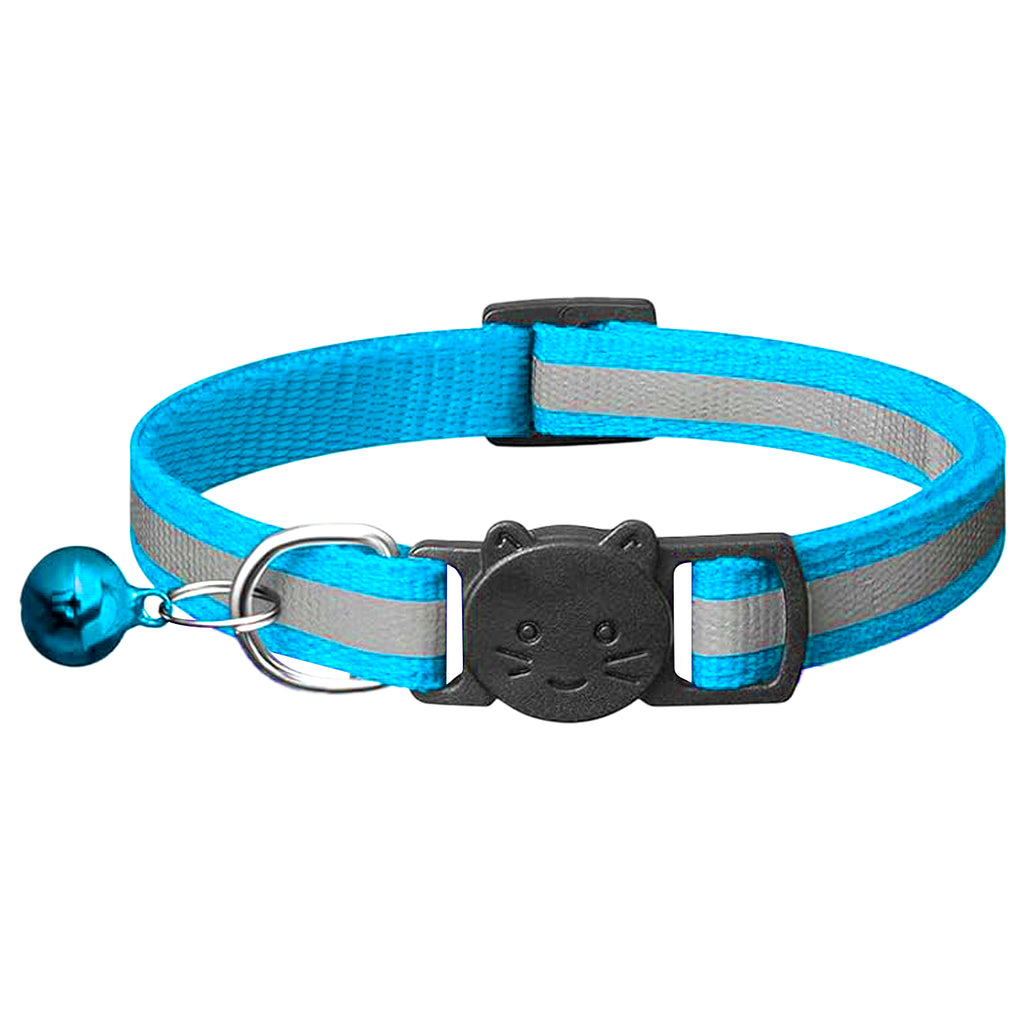
Are you wondering if your feline friend is comfortable with that jingly accessory around their neck? Many cat owners ponder whether bell collars are beneficial or harmful to their pets.
Maybe you’re concerned about the noise, or perhaps you’re curious about how it affects your cat’s behavior and well-being. You’re not alone. Understanding the impact of bell collars on cats is crucial for making informed decisions that benefit both you and your furry companion.
We’ll delve into the world of bell collars, exploring the pros and cons to help you determine what’s best for your kitty. Stay with us to uncover insights that could change the way you think about this popular cat accessory.

Credit: www.birdsbesafe.com
Bell Collars And Cat Behavior
Bells on cat collars can change how cats behave daily. Cats rely on their senses to explore and hunt. A bell’s sound may interfere with these natural habits. Understanding this impact helps decide if a bell collar suits your cat.
How Bells Affect Hunting Instincts
Cat hunting depends on silence and stealth. Bells make noise that may warn prey. This noise can reduce hunting success for outdoor cats. Some cats may become frustrated or anxious from constant sounds. The bell might stop them from practicing natural skills.
Impact On Play And Exploration
Play is important for a cat’s health and happiness. Bells can distract cats during playtime. The jingling sound may cause stress or annoyance. Some cats may ignore toys to avoid the noise. Exploration can also become less enjoyable with a bell collar.

Credit: www.birdsbesafe.com
Health Risks Of Bell Collars
Bell collars might seem like a harmless accessory for your cat, but they come with health risks you should seriously consider. Understanding these risks helps you make better choices for your furry friend’s safety and comfort. Let’s look closely at some specific concerns that bell collars can cause.
Potential For Neck Injuries
Bells add weight and bulk around your cat’s neck, which can lead to strain or injury. Cats are agile and often squeeze through tight spaces; a collar with a bell can get caught, causing sudden jerks or choking hazards.
One cat owner shared how their pet almost injured itself after the collar snagged on a fence. Such incidents show how easily a bell collar can turn from cute to dangerous.
To protect your cat, consider collars designed with breakaway features that release under pressure. Always check the fit and condition of the collar regularly to avoid any harm.
Hearing Sensitivity Concerns
Cats have extremely sensitive hearing, far beyond human capabilities. The constant jingling of a bell near their ears can cause stress or discomfort over time.
Imagine living with a tiny bell ringing every few seconds—your cat experiences this 24/7 when wearing a bell collar. This continuous noise can affect their behavior and well-being.
If your cat shows signs of agitation or tries to paw at the collar frequently, it might be a sign that the bell is bothering them. You can try removing the bell or using quieter alternatives to reduce stress.
Stress And Anxiety Factors
Stress and anxiety can significantly impact your cat’s well-being, and certain accessories, like bell collars, might contribute more than you realize. Understanding how these collars affect your cat’s mental state helps you decide if they’re right for your furry friend. Let’s look closely at the stress and anxiety factors involved.
Noise-induced Stress
The constant jingling of a bell can be overwhelming for cats. Their sensitive hearing picks up every tiny sound, and a bell attached to their collar creates a persistent noise that they cannot control or escape.
Imagine having a small bell ringing every few seconds no matter where you go. This noise can start to irritate and stress your cat, especially in quiet moments when they seek calm. You might notice your cat shaking their head or trying to paw at the collar, showing clear signs of discomfort.
Behavioral Changes
Stress from bell collars often leads to subtle but important changes in your cat’s behavior. They may become less playful or hide more frequently, avoiding situations where the bell noise is most noticeable.
Some cats might even stop grooming themselves properly, a key indicator of anxiety. Have you seen your cat suddenly act withdrawn or aggressive after introducing a bell collar? These changes can be a sign that the collar is causing more harm than good.
Alternatives To Bell Collars
Bell collars may cause stress or harm to cats. Many cat owners seek safer options. Alternatives help keep cats safe without loud noises. These choices also allow cats to move freely and comfortably. Here are some popular alternatives to bell collars.
Breakaway Collars
Breakaway collars release quickly if caught on something. They prevent choking or injury by freeing the cat fast. These collars often come with ID tags for identification. They are lightweight and designed for comfort. Using a breakaway collar keeps cats safe and secure.
Silent Identification Tags
Silent ID tags attach to collars without making noise. They provide important information like the cat’s name and owner contact. These tags help return lost cats safely. Many come in different shapes and sizes. Silent tags avoid disturbing wildlife or neighbors while keeping cats identified.
Expert Opinions And Studies
Experts and studies offer valuable views on the use of bell collars for cats. These opinions help cat owners make smart choices. Understanding the benefits and risks is key for a cat’s safety and comfort.
Veterinarian Insights
Many veterinarians agree that bell collars can help protect wildlife from cats. Bells warn birds and small animals, reducing hunting success. Some vets warn about possible stress for cats. The constant noise may cause anxiety. Others mention risks like collar injuries if the bell gets caught. They suggest using quick-release collars for safety. Regular checks on the collar fit and condition are important. Vets often recommend balancing safety with the cat’s comfort.
Recent Research Findings
Studies show mixed results about bell collars. Research confirms bells reduce the number of animals cats catch. One study found a 30% to 50% drop in hunting success. Another study noted cats might learn to move quietly despite bells. Some research highlights stress signs in cats wearing bells, such as increased hiding or reduced activity. Scientists suggest more research on long-term effects. Results encourage careful use and monitoring of cats with bell collars.
Safe Use Tips For Cat Owners
Using bell collars can help protect wildlife and keep track of your cat, but safety should always come first. Knowing how to pick the right collar and watching how your cat reacts can make a big difference in their comfort and well-being. Here are some practical tips to help you use bell collars safely.
Choosing The Right Collar
Look for collars made specifically for cats, with a breakaway or quick-release feature. This helps prevent accidents if your cat gets caught on something. Soft, lightweight materials reduce irritation and discomfort during daily wear.
Size matters. The collar should fit snugly but not tight—about two fingers should fit between the collar and your cat’s neck. Avoid collars with heavy or large bells, as they can be noisy and bothersome.
Consider collars that use quieter bells or bells that can be removed when your cat is indoors. This balance helps protect wildlife without stressing your pet.
Monitoring Your Cat’s Reaction
After putting on the collar, watch your cat closely for the first few days. Are they scratching at their neck more than usual? Do they seem uncomfortable or stressed? These signs might mean the collar isn’t a good fit or the bell is too loud.
Pay attention to changes in behavior like hiding, reduced activity, or difficulty moving. Your cat’s reaction tells you if the collar is safe or if adjustments are needed. Don’t hesitate to remove the collar if your cat shows signs of distress.
Ask yourself: is the bell helping you keep track of your cat without causing them discomfort? If not, explore other options like breakaway collars without bells or GPS trackers.

Credit: www.birdsbesafe.com
Frequently Asked Questions
Are Bell Collars Safe For Cats?
Bell collars can be safe if properly fitted and monitored. They help alert wildlife but may irritate some cats. Always choose lightweight, breakaway collars to prevent injury.
Do Bell Collars Harm A Cat’s Hearing?
Bell collars generally do not harm a cat’s hearing. The sound is soft and intermittent. However, some cats may find it annoying or stressful.
Can Bell Collars Prevent Cats From Hunting?
Bell collars can reduce hunting success by warning prey. They don’t completely stop hunting but can lower the number of caught animals. This helps protect local wildlife.
How Often Should I Check My Cat’s Bell Collar?
You should check your cat’s bell collar weekly. Ensure it fits well, the bell rings freely, and the collar isn’t causing discomfort or injury.
Conclusion
Bell collars can protect birds but may stress some cats. Watch your cat’s behavior closely when wearing a bell collar. Not all cats like the noise or feel of a bell. Consider your cat’s personality and safety needs before choosing one.
Soft, lightweight collars cause less discomfort. Regularly check the collar fits well and does not irritate. Bells are not bad by nature but need careful use. Your cat’s comfort and safety should always come first. Choose what works best for your furry friend’s happiness.

Lily Purrington is the founder of MyKittyPicks.com, a cozy corner of the web dedicated to helping cat lovers discover the best cat products, furniture, toys, and home decor ideas.
A lifelong cat enthusiast, Lily shares trusted tips, honest product recommendations, and stylish inspiration designed to keep kitties happy and homes beautiful.
Her mission is simple: to bring together practical advice and purr-fect picks that make life better for cats and the people who love them.


