
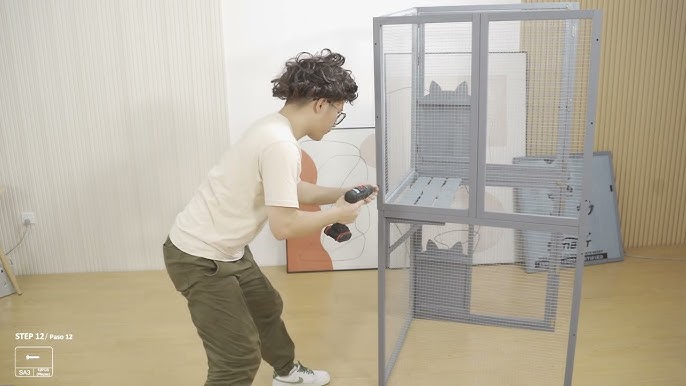
Are you ready to create a safe and cozy space for your furry friend? Knowing how to assemble a cat cage might seem tricky at first, but with the right steps, you can do it quickly and easily.
Imagine having a secure place where your cat can relax, play, and stay protected—right in your home. In this guide, you’ll discover simple, clear instructions to put your cat cage together without frustration. Keep reading, and you’ll have your cat’s new favorite spot ready in no time!
Choosing The Right Cat Cage
Choosing the right cat cage is important for your pet’s comfort and safety. A good cage gives your cat enough room to move and rest. It should also be strong and safe to prevent injuries. Think about your cat’s needs and your space at home before buying a cage.
Size And Space Considerations
Pick a cage that fits your cat’s size and activity level. Your cat should stand, turn, and stretch inside. A small cage can make your cat feel trapped and stressed. Bigger cages allow room for toys, beds, and food bowls. Measure your available space at home to ensure the cage fits well.
Material Options
Cat cages come in different materials like metal, plastic, and fabric. Metal cages are strong and easy to clean. Plastic cages are lightweight and good for travel. Fabric cages are soft and cozy but less durable. Choose a material that suits your cat’s behavior and your cleaning habits.
Safety Features To Look For
Safety is key when selecting a cage. Look for secure locks to prevent escapes. Smooth edges and corners reduce injury risks. Good ventilation keeps air fresh inside the cage. Avoid cages with gaps where your cat can get stuck. Check for sturdy construction to support your cat’s weight.

Credit: www.amazon.ca
Tools And Materials Needed
Gathering the right tools and materials is key to assembling a cat cage smoothly. This step saves time and reduces frustration. Having everything ready helps the process go fast and easy.
Before you start building, make sure you have all the essentials. These tools help with measuring, tightening, and securing parts. You also need some extra accessories to improve the cage’s function and comfort.
Essential Tools
- Screwdriver (Phillips and flathead)
- Adjustable wrench
- Measuring tape
- Pliers
- Hammer
- Allen keys (often included with cage kits)
- Protective gloves
Additional Accessories
- Zip ties for extra security
- Soft bedding or mats for comfort
- Food and water dishes that attach to the cage
- Toys to keep your cat entertained
- Cleaning spray for hygiene
- Extra screws or connectors as backup
Preparing The Assembly Area
Getting ready to assemble your cat cage means setting up a space that makes the entire process smooth and stress-free. Preparing your assembly area properly saves time and prevents frustration. It also helps you avoid losing tiny parts or making mistakes that could affect your pet’s safety.
Clear And Clean Workspace
Start by choosing a spacious spot with good lighting. A clean, flat surface like a large table or an open floor area works best. Remove any clutter, dust, or obstacles that could get in your way or damage the cage parts.
Think about where the cage will eventually go. Is the space close enough to your assembly area to move the cage easily once built? Clearing this space beforehand can save you from awkward lifting or rearranging later.
Organizing Parts
Open the box carefully and lay out all the pieces in an orderly manner. Group similar parts together—like panels, screws, and connectors—so you can find what you need quickly. Use small containers or bowls to hold tiny screws and bolts to prevent them from rolling away.
Have the instruction manual nearby and cross-check each part as you lay it out. This simple habit helped me avoid missing a crucial connector once, which would have meant taking the cage apart again. Would you rather waste time searching for a lost screw or keep everything at your fingertips?

Credit: www.amazon.ca
Step-by-step Assembly Guide
Putting together your cat cage might seem tricky at first, but breaking it down into clear steps makes the process straightforward and even enjoyable. The key is to focus on each part separately, ensuring everything fits securely for your cat’s safety and comfort. Let’s dive into how you can build a sturdy and cozy space for your feline friend.
Assembling The Base
Start with a flat, clean surface to avoid losing small parts. Lay out all the base pieces and check that you have the right screws and connectors. Align the panels carefully before securing them with screws or clips—this prevents wobbling later on.
Think about the cage’s final location while assembling the base. Is the floor level? Uneven ground can cause instability. Taking a moment here saves you from a shaky cage that could stress your cat.
Attaching The Walls
Attach each wall panel firmly to the base, ensuring they lock into place without gaps. If your cage includes mesh panels, double-check that they are taut and securely fastened to avoid any escape routes.
Walls can be tricky if they’re heavy or awkwardly shaped. Ask for help if needed—two hands make this step safer and faster. Have you noticed any sharp edges? Smooth those out before moving on to protect your pet.
Securing The Roof And Doors
The roof and doors are crucial for both security and ventilation. Attach the roof panels last to keep the structure stable during assembly. Make sure the doors open and close easily but latch securely.
Test the door locks multiple times. Imagine your cat’s curiosity—would it be easy for them to escape? Adjust the locks or add extra clips if necessary to keep your cat safe and your mind at ease.
Adding Accessories
Now for the fun part—adding shelves, ramps, or hammocks. Place these accessories where your cat can easily reach and enjoy them. Consider your cat’s personality; shy cats might prefer cozy hideouts, while playful ones enjoy climbing structures.
Secure all accessories tightly to prevent wobbling. Have you thought about including food and water bowls inside? Fixing them in place prevents spills and keeps the cage tidy.
Common Assembly Challenges
Assembling a cat cage can bring some common challenges. These problems often slow down the process or cause frustration. Knowing how to handle these issues can make assembly smoother and faster.
Parts may not always fit perfectly. Stability is key for safety and comfort. Doors need to work properly for easy access.
Dealing With Misaligned Parts
Parts may not line up exactly. Check all pieces before starting. Loosen screws slightly to adjust alignment. Gently tap parts into place using a soft tool. Avoid forcing pieces to prevent damage. Double-check instructions for correct part placement.
Ensuring Stability
Stability keeps the cage safe for your cat. Tighten all screws and bolts firmly. Use a level surface during assembly. Add extra support brackets if available. Test the cage by gently shaking it. Fix any wobbling before use.
Troubleshooting Door Mechanisms
Door issues can cause frustration. Check hinges for correct installation. Lubricate moving parts with pet-safe oil. Ensure the latch lines up with the catch. Adjust screws to improve door movement. Test the door several times before finishing.
Safety Checks Before Use
Check all parts for damage or missing pieces before starting assembly. Ensure screws and joints are tight for stability and safety. Look for sharp edges or loose wires that could harm your cat.
Ensuring your cat cage is safe before use is crucial for your pet’s well-being. A few simple checks can prevent potential hazards and ensure your feline friend has a secure environment. Let’s dive into the key areas you should focus on for your safety checks.Inspecting For Sharp Edges
Before placing your cat inside, run your hand along the interior and exterior surfaces of the cage. Feel for any sharp edges or protruding wires that could harm your cat. It’s surprising how a small burr can lead to an injury, so be thorough in your inspection.Testing Door Locks
A secure lock is vital in keeping your cat safely contained. Test the door locks by opening and closing them several times. Consider how easily your clever cat might find a way to jiggle or nudge a loose lock open. If it feels unsteady, tighten any screws or replace the lock entirely.Ensuring Proper Ventilation
Cats need a well-ventilated space to breathe comfortably, especially during long periods inside the cage. Check that the cage has adequate openings on all sides. Can you feel the air flowing through when you place your hand inside? This simple test ensures your pet will stay cool and comfortable. Taking a few minutes for these safety checks can make all the difference in your cat's comfort and security. Do you have any additional tips for ensuring pet safety? Share your thoughts!Maintaining Your Cat Cage
Begin by laying out all parts and tools clearly. Follow the instructions carefully to connect panels and secure screws tightly. Double-check stability before placing your cat inside.
Maintaining your cat cage is essential to ensure a comfortable and safe environment for your furry friend. Regular upkeep not only extends the life of the cage but also keeps your cat healthy and happy. By implementing a few simple maintenance routines, you can create a sanctuary where your cat feels secure and loved.Regular Cleaning Tips
A clean cage is a happy cage. Make it a habit to clean your cat’s cage weekly. Remove all items, such as bedding and toys, and wash them thoroughly. Wipe down the cage’s surfaces with a mild soap and water solution. Avoid harsh chemicals that could harm your cat. Pay special attention to areas where dirt and fur accumulate, like corners and crevices. After cleaning, ensure everything is completely dry before reassembling. This prevents mold and mildew, creating a healthier space for your cat.Checking For Wear And Tear
Regular inspections can save you from bigger issues down the road. Look for signs of wear, such as rusted metal bars or cracked plastic. These can compromise the cage’s safety. Gently shake the cage to ensure it’s stable and secure. Listen for any unusual noises that might indicate loose parts. Are there any sharp edges or broken pieces? These need immediate attention to prevent injury to your cat.Replacing Parts When Needed
No cage lasts forever, and sometimes parts need replacing. Keep an eye on hinges, latches, and other moving parts. If they show signs of rust or wear, it’s time to replace them. When the bedding becomes too worn or torn, swap it out for a new one. Your cat will appreciate the comfort of fresh bedding. Do you notice any parts that are beyond repair? It’s better to replace them sooner rather than later. This ensures your cat's cage remains a safe and cozy haven. Maintaining your cat cage doesn’t have to be a chore. With regular cleaning, inspections, and timely replacements, you create a welcoming environment for your feline friend. What steps will you take today to ensure your cat’s cage is in top condition?
Credit: www.amazon.ca
Frequently Asked Questions
How Long Does It Take To Assemble A Cat Cage?
Assembling a cat cage usually takes 15 to 30 minutes. Time varies depending on the cage size and complexity. Following the instruction manual carefully speeds up the process. Having all parts and tools ready before starting helps complete assembly quickly and efficiently.
What Tools Are Needed To Assemble A Cat Cage?
Most cat cages require basic tools like a screwdriver or wrench. Some cages come with necessary tools included. Check the instruction manual for a specific tool list. Using the right tools ensures proper assembly and avoids damage to the cage parts.
How Do I Ensure Cat Cage Safety After Assembly?
Ensure all connections and locks are tight and secure. Check for sharp edges or loose parts that could harm your cat. Test the cage door to confirm it closes properly. Regularly inspect the cage for wear and repair any damage promptly.
Can I Assemble A Cat Cage Alone Or Need Help?
You can usually assemble a cat cage alone if instructions are clear. For larger or more complex cages, having an extra person helps. Assistance can speed up the process and ensure parts fit correctly. Always prioritize safety during assembly, whether alone or with help.
Conclusion
Assembling a cat cage can be simple and quick. Follow each step with care and patience. Check all parts before you start building. Use the right tools to avoid trouble. Make sure the cage is safe and sturdy. Your cat will enjoy a cozy and secure space.
Taking time to build it well pays off. Now, you can create a perfect home for your cat. Enjoy the process and your pet’s new cage!

Lily Purrington is the founder of MyKittyPicks.com, a cozy corner of the web dedicated to helping cat lovers discover the best cat products, furniture, toys, and home decor ideas.
A lifelong cat enthusiast, Lily shares trusted tips, honest product recommendations, and stylish inspiration designed to keep kitties happy and homes beautiful.
Her mission is simple: to bring together practical advice and purr-fect picks that make life better for cats and the people who love them.


