

Have you ever wondered if female cats actually enjoy mating? It’s a question that puzzles many cat owners and animal lovers like you.
Understanding what your cat feels during this natural process can help you care for her better and make informed decisions about her health and happiness. You’ll discover surprising facts about female cats and their mating behavior that might change the way you see your furry friend.
Keep reading to learn what really goes on behind those curious eyes.
Feline Mating Behavior
Feline mating behavior is a complex and instinct-driven process. Female cats exhibit distinct actions and reactions during their heat cycle. Understanding these behaviors helps clarify if female cats enjoy mating or respond out of instinct. Their mating habits include unique courtship and clear signs of readiness.
Courtship Rituals
Male and female cats engage in specific behaviors before mating. The male often follows the female closely. He may vocalize softly or rub against her. The female responds by moving her tail to the side. This signals her willingness to mate. Sometimes, cats chase or play to build connection. These actions prepare them for successful mating.
Signs Of Receptiveness
Female cats show clear signs when ready to mate. They often become more vocal, making loud calls. The female may roll on the floor or rub on objects. She raises her hindquarters and moves her tail aside. Restlessness and frequent rubbing are common too. These signs indicate she is receptive and ready to mate.
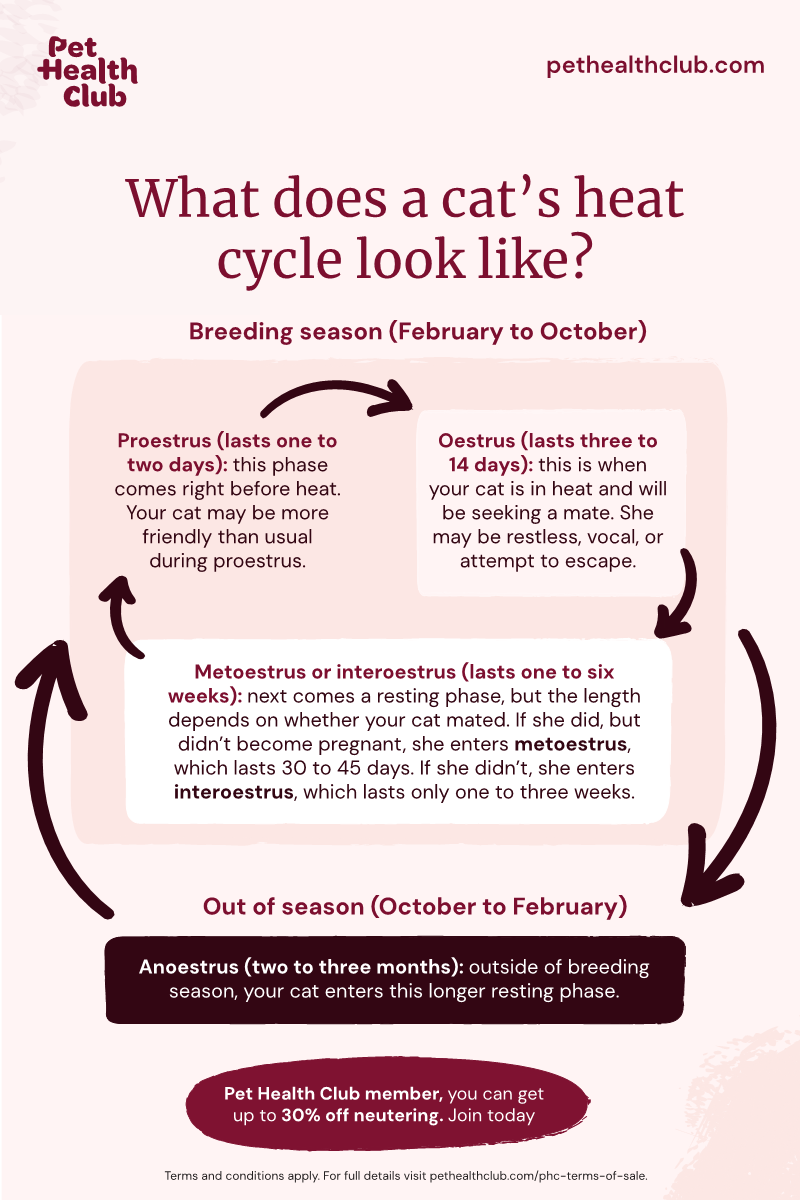
Credit: www.pethealthclub.com
Female Cat Reactions
Female cats show clear signs during mating. Their reactions help understand if they feel comfortable or stressed. Observing these signs is key for cat owners and breeders alike. Female cats have unique ways to express their feelings physically and through sounds.
Physical Responses
Female cats may arch their backs and raise their tails. This posture helps the male cat during mating. They might also rest quietly, showing acceptance. Sometimes, females try to move away if they feel uneasy. Their bodies can tense or relax, revealing their mood.
Vocalizations And Body Language
Many female cats make loud, sharp cries during mating. These sounds can signal discomfort or attract the male’s attention. Purring or soft meows may indicate a calm state. Tail flicking or ear movements also show their emotions. Watching these cues helps understand their experience better.
Instinct Vs Enjoyment
Understanding whether female cats enjoy mating requires looking closely at instinct and emotional experience. Their behavior is driven by biology, but that doesn’t always mean they find the process pleasurable. Distinguishing between automatic drives and feelings can help you better care for your cat’s well-being.
Biological Drives
Female cats have strong hormonal signals that push them to mate during their heat cycles. This biological urge is essential for reproduction and species survival. The behavior you see—restlessness, vocalizing, and presenting—is primarily instinctive, triggered by rising estrogen levels.
Nature programs female cats to accept mating to ensure the continuation of their genes. However, acceptance doesn’t necessarily equal enjoyment. It’s more about responding to internal cues than seeking pleasure.
Emotional Experience
While instinct drives the behavior, emotional responses in female cats vary. Some cats might show signs of stress or discomfort during mating, such as hiding or aggression afterward. Others seem indifferent, neither showing distress nor pleasure.
Think about your own cat’s personality. Does she handle new experiences calmly or get anxious? Her emotional state during mating likely reflects this same pattern. You can observe her body language closely—tail flicks, ear position, and vocalizations—to gauge her comfort level.
Could female cats experience something akin to enjoyment, or is their behavior purely functional? The answer remains complex, but your attentive care can make a huge difference in how she feels during these moments.
Role Of Hormones
Hormones play a vital role in female cats’ mating behavior. These chemical messengers control their reproductive cycle and influence how they feel and act. Understanding the role of hormones helps explain whether female cats enjoy mating or just respond to biological urges.
Estrus Cycle Impact
The estrus cycle, or heat cycle, is driven by hormones like estrogen and progesterone. Estrogen levels rise sharply during heat, signaling the cat is ready to mate. This phase lasts a few days and repeats every few weeks if the cat does not become pregnant.
During estrus, female cats actively seek male cats. They may call out loudly and adopt mating postures. Hormones create strong urges to mate, but this does not always mean the cat enjoys the experience.
Behavioral Changes
Hormones cause clear changes in behavior during heat. Female cats become restless and more vocal. They may rub against objects or people more often. Their mood can shift quickly, showing signs of excitement or anxiety.
These behaviors help attract males and make mating possible. While hormones drive these actions, it is unclear if female cats feel pleasure or simply respond to instinct. The experience can vary between individual cats.
Male Cat Influence
The influence of a male cat during mating is more powerful than many people realize. His behavior and techniques can shape how the female experiences the encounter. Understanding this dynamic helps you see why some females might seem reluctant or even distressed during mating.
Mating Techniques
Male cats use very specific techniques to initiate and complete mating. They often bite the female’s neck to hold her in place. This can look rough but is a natural part of their mating ritual.
Sometimes, males employ vocalizations and body language to signal their intentions. The female’s reaction depends on how the male approaches her. A gentle but firm manner usually causes less resistance.
Have you noticed how some male cats are more dominant during mating? Their confidence often makes the process smoother for the female. On the other hand, a clumsy or overly aggressive male can cause the female to react negatively.
Stress And Aggression
Stress is a major factor affecting how much female cats enjoy mating. If the male is too aggressive, the female might become fearful or defensive. This stress can lead to aggressive behavior in return.
Female cats under stress might try to escape or vocalize loudly. This is their way of communicating discomfort. If you observe this, it’s a sign that the male’s behavior needs to be monitored or managed.
What happens when a female feels overwhelmed? Sometimes, she may refuse to mate altogether or show signs of anxiety afterward. Your awareness of these signs can help ensure healthier interactions between cats.
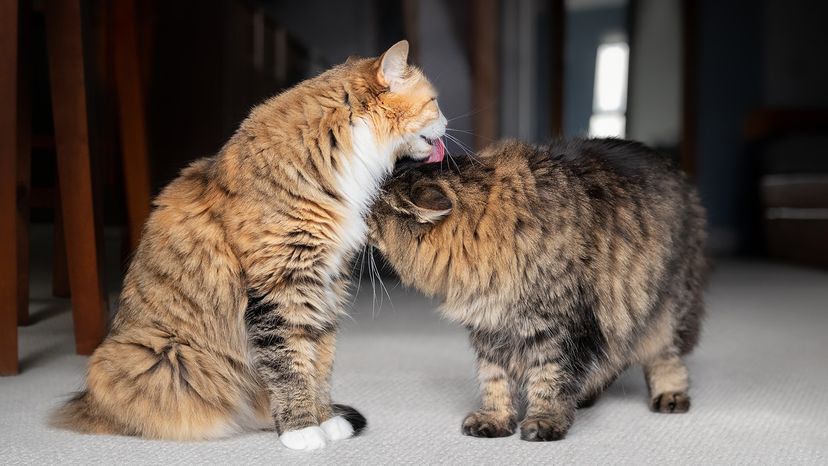
Credit: animals.howstuffworks.com
Common Misconceptions
Many people hold wrong ideas about female cats and mating. These misconceptions often cause confusion about how female cats feel during mating. Understanding the truth helps us care for cats better. Separating myths from facts is important for pet owners and animal lovers alike.
Myths About Cat Mating
- Female cats enjoy mating like humans do.
- Mating is always gentle and calm for female cats.
- Female cats seek out males because they want to mate.
- Mating causes no stress or pain to female cats.
- Female cats can mate anytime without any signals.
Clarifying Facts
- Female cats go into heat to signal readiness for mating.
- Mating is often uncomfortable or painful for female cats.
- Female cats do not seek mating for pleasure but for reproduction.
- Male cats bite the female’s neck to hold her during mating.
- The female controls the timing and acceptance of the male.
- Behavior changes in female cats during heat are natural signs.
Implications For Cat Owners
Understanding whether female cats enjoy mating isn’t just an interesting fact; it has real consequences for how you care for your feline friend. Their behavior during heat cycles can be stressful for both cats and owners. Knowing how to manage these cycles and the benefits of spaying can make a big difference in your cat’s well-being and your household’s peace.
Managing Heat Cycles
Female cats in heat can be loud, restless, and demanding. You might notice your cat rubbing against furniture more or vocalizing loudly at odd hours. These behaviors are natural but can be challenging to handle.
Here are some ways to ease the situation:
- Provide extra playtime to distract her.
- Keep her indoors to prevent unwanted mating.
- Offer cozy spots for her to relax and feel safe.
I remember when my cat went through her first heat cycle. The constant yowling made it hard to sleep. Offering her gentle petting and toys helped reduce her anxiety and gave me a break too.
Spaying Benefits
Spaying your female cat eliminates heat cycles completely. This means no more loud calls or frantic behavior, making life more comfortable for both of you.
Beyond behavior, spaying has health benefits:
- Reduces the risk of uterine infections and breast tumors.
- Prevents unwanted litters, helping control the cat population.
- Can extend your cat’s lifespan by avoiding certain diseases.
Have you noticed how much calmer a spayed cat can be? It’s not just a change in mood; it’s a real improvement in quality of life. If you’re unsure about the timing or effects, talk to your vet. They can guide you on the best choice for your pet’s health and happiness.

Credit: cats.fandom.com
Frequently Asked Questions
Do Female Cats Enjoy Mating Behavior?
Female cats usually do not enjoy mating due to pain caused by male cats’ barbed penises. However, mating is a natural reproductive behavior for them.
How Do Female Cats Behave During Mating?
Female cats often vocalize loudly and may seem distressed during mating. This behavior is a natural response to physical stimulation and hormonal changes.
Can Female Cats Refuse To Mate?
Yes, female cats can refuse to mate by hiding or becoming aggressive. They have control over their participation during the estrus cycle.
Why Do Female Cats Vocalize During Mating?
Female cats vocalize loudly during mating as a response to discomfort. This vocalization signals males and can attract other cats.
Conclusion
Understanding feline mating behavior helps cat owners. Female cats have unique needs. They may not find mating enjoyable. It often involves instinctual behavior. Observing their actions provides insights. Each cat shows different responses. Some appear indifferent, others seem stressed. Always prioritize their comfort and well-being.
Consult a vet for guidance. This ensures your cat’s health. It’s important to respect their nature. Recognizing their signals is key. It helps in creating a safe environment. Happy cats lead to happy homes. Keep learning about your pet. It strengthens your bond and enhances care.

Lily Purrington is the founder of MyKittyPicks.com, a cozy corner of the web dedicated to helping cat lovers discover the best cat products, furniture, toys, and home decor ideas.
A lifelong cat enthusiast, Lily shares trusted tips, honest product recommendations, and stylish inspiration designed to keep kitties happy and homes beautiful.
Her mission is simple: to bring together practical advice and purr-fect picks that make life better for cats and the people who love them.


