
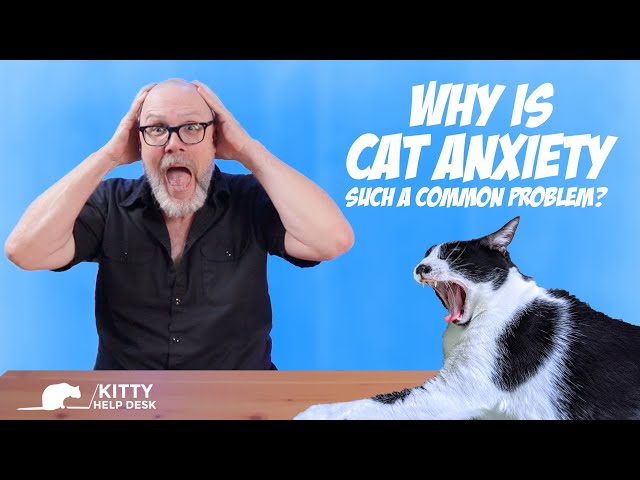
Have you ever noticed your cat acting restless, hiding more than usual, or suddenly avoiding you? These could be signs of anxiety, something many cat owners don’t easily recognize.
Understanding what cat anxiety looks like is key to helping your furry friend feel safe and happy again. You’ll discover the common signs your cat might be stressed and simple ways to support them. Keep reading—you’ll learn how to spot the subtle clues that show your cat needs your comfort and care.

Credit: justcatsclinic.com
Common Signs Of Cat Anxiety
Cat anxiety can show in many ways. Spotting these signs early helps keep your cat calm. Anxiety changes how cats act and feel. Understanding these signs helps you give better care.
Behavioral Changes
An anxious cat may hide more than usual. They might avoid people or other pets. Some cats stop playing or lose interest in toys. Pacing or restlessness can also be a sign. Sudden aggression or irritability might appear too.
Physical Symptoms
Changes in eating habits can indicate stress. Some cats eat less or refuse food. Grooming habits may change; over-grooming causes bald spots. Others might groom less, leading to a messy coat. Trembling, yawning, or dilated pupils can also show anxiety.
Vocalization Patterns
Anxiety may cause cats to meow more often. The meows might sound louder or more urgent. Some cats may growl or hiss without clear cause. Sudden crying at night could mean stress. Listen carefully to changes in your cat’s voice.
Credit: www.rd.com
Causes Of Anxiety In Cats
Understanding what causes anxiety in cats helps us care for them better. Cats can feel stressed for many reasons. Some triggers come from their surroundings, health, or social life. Identifying these causes is key to easing their worries and improving their well-being.
Environmental Triggers
Cats are sensitive to changes in their environment. Loud noises like thunder or fireworks can scare them. Moving to a new house or rearranging furniture may cause stress. Strange smells from cleaning products or other animals can upset them. Even a lack of hiding places can make cats feel unsafe.
Health Issues
Illness and pain can make cats anxious. Conditions like arthritis or dental problems cause discomfort. Hormonal imbalances or neurological issues also affect their mood. Sometimes, anxiety shows up before physical signs of illness appear. Regular vet visits help catch these problems early.
Social Factors
Cats are social animals but can be picky about company. New people or pets in the home can cause stress. Lack of attention or too much handling may upset them. Changes in their social group, like losing a companion, also lead to anxiety. Cats need time to adjust to new social settings.
Impact Of Anxiety On Cat Health
Cats, like humans, can experience anxiety. This anxiety can greatly affect their health. Understanding the impact of anxiety on a cat’s health is crucial. It helps cat owners provide better care and improve their pet's quality of life.
Physical Health Risks
Anxiety can lead to physical health problems in cats. One common issue is a weakened immune system. This makes cats more prone to infections and illnesses. Stress can also cause digestive issues. Cats may vomit or have diarrhea. Weight loss is another concern. Anxious cats often eat less, leading to weight issues. They may also overgroom, resulting in hair loss or skin problems.
Emotional Wellbeing
Emotional health is vital for cats. Anxiety can harm a cat’s emotional state. It may become withdrawn or aggressive. Fearful behavior is common. Cats may hide more often or avoid interaction. This can strain the bond between the cat and its owner. A stressed cat may also display changes in sleep patterns, becoming restless or sleeping too much.
Long-term Effects
Chronic anxiety can have lasting effects on cats. Long-term stress can shorten a cat’s lifespan. It may lead to chronic health conditions. These conditions can be costly and difficult to manage. Behavioral issues may become permanent. Addressing anxiety early is essential to prevent these long-term effects. Proper care and attention can improve a cat’s health and happiness.
Home Remedies To Calm Anxious Cats
Helping a cat feel calm at home can reduce anxiety naturally. Simple changes and care can make a big difference. Many cats respond well to gentle, consistent approaches. Home remedies are safe and easy to try daily. They build trust and comfort for your furry friend.
Creating A Safe Space
A quiet, cozy area lets your cat relax fully. Use soft bedding and place it where there is little noise. Keep this spot free from sudden movements and loud sounds. Add familiar toys or blankets with your cat’s scent. This space becomes a retreat when your cat feels stressed.
Using Calming Products
Calming sprays and diffusers release soothing scents into the air. Pheromone-based products mimic natural cat signals to reduce stress. Herbal remedies like chamomile or valerian can help in small amounts. Use calming collars designed to ease anxiety. Always check with a vet before trying new products.
Routine And Play
Regular feeding and playtimes create a sense of security. Cats feel safer with predictable daily schedules. Interactive toys encourage exercise and mental focus. Short, fun play sessions reduce nervous energy. End playtime with gentle petting to strengthen your bond.
When To Seek Professional Help
Recognizing when your cat’s anxiety needs expert care is important. Some signs go beyond normal stress and need professional attention. Persistent hiding, aggression, or loss of appetite are red flags. Sudden behavior changes may affect your cat’s health and happiness. Acting early helps prevent worse problems and improves your cat’s quality of life.
Veterinary Assessment
A vet checks for health issues causing anxiety. Physical exams and tests rule out illnesses. This step is vital because some diseases mimic anxiety symptoms. The vet also reviews your cat’s history and behavior. Clear diagnosis guides the right treatment plan.
Behavioral Therapy Options
Trained specialists offer behavior modification techniques. These include desensitization and counter-conditioning. Therapy teaches your cat to face triggers calmly. Consistent routines and positive reinforcement help reduce fear. Professional guidance ensures safe and effective progress.
Medication Choices
Sometimes anxiety needs medical support. Vets may prescribe anti-anxiety drugs or calming supplements. Medication helps balance brain chemicals linked to stress. It is often used with behavior therapy. Proper dosing and monitoring prevent side effects.
Preventing Anxiety In Cats
Preventing anxiety in cats is key to helping them lead calm and happy lives. Anxiety can creep in quietly, but with the right care, you can create a safe space that keeps your feline friend relaxed. Let’s look at some practical ways to reduce your cat’s stress before it even starts.
Early Socialization
Introducing your cat to different people, sounds, and environments early on builds their confidence. Kittens that experience gentle handling and new situations tend to be less anxious as adults.
If your cat missed this stage, don’t worry—you can still help by gradually exposing them to new experiences. Start slow and reward calm behavior with treats or affection. Have you noticed how your cat reacts to visitors or loud noises? Pay attention to these moments as clues to their comfort level.
Consistent Environment
Cats thrive on routine. Keeping feeding times, play sessions, and resting spots consistent helps them feel secure. Sudden changes in their environment can trigger anxiety, so try to avoid unexpected moves or rearrangements.
Imagine how you’d feel if your daily schedule changed every day. Your cat feels the same way with their surroundings. Small things like placing their litter box in the same quiet corner or maintaining a regular playtime can make a big difference.
Stress Reduction Techniques
There are simple tools to help lower your cat’s stress levels. Calming pheromone diffusers mimic natural scents that soothe cats, creating a relaxed atmosphere. Soft background music or gentle brushing sessions also help some cats feel at ease.
Have you tried creating quiet hideaways for your cat? Boxes, cat trees, or covered beds offer safe spots where they can retreat when feeling overwhelmed. Observing your cat’s behavior will guide you to the right mix of calming techniques that work for them.

Credit: soykitty.com
Frequently Asked Questions
What Are Common Signs Of Cat Anxiety?
Cats with anxiety often show hiding, excessive grooming, or vocalizing. They may also display restlessness or aggression. Changes in appetite and litter box habits can occur too.
How Can I Tell If My Cat Is Stressed?
Look for trembling, pacing, or avoidance behaviors. Cats might scratch furniture or refuse food. Sudden changes in behavior or increased clinginess also indicate stress.
Can Cat Anxiety Affect Their Health?
Yes, anxiety can lead to digestive issues, weight loss, or skin problems. Chronic stress weakens the immune system, making cats prone to illness.
What Triggers Cat Anxiety Most Often?
Common triggers include loud noises, new environments, unfamiliar people, or other pets. Changes in routine or lack of stimulation can also cause anxiety.
Conclusion
Cats show anxiety in many ways, such as hiding or excessive meowing. Their body language changes, like twitching tails or flattened ears. Recognizing these signs helps you support your pet better. Calm environments and gentle care can ease their stress.
Watch your cat closely to understand their feelings. Small changes make a big difference in their comfort. Patience and kindness work best for anxious cats. Your attention helps them feel safe and loved every day.

Lily Purrington is the founder of MyKittyPicks.com, a cozy corner of the web dedicated to helping cat lovers discover the best cat products, furniture, toys, and home decor ideas.
A lifelong cat enthusiast, Lily shares trusted tips, honest product recommendations, and stylish inspiration designed to keep kitties happy and homes beautiful.
Her mission is simple: to bring together practical advice and purr-fect picks that make life better for cats and the people who love them.


