

Are you wondering how often your cat should eat to stay healthy and happy? Feeding your feline friend the right way is more important than you might think.
Too much or too little food can affect their energy, mood, and overall well-being. You’ll discover simple, practical tips to make sure your cat’s meals are just right. Keep reading to learn how to give your cat the best nutrition, so they can thrive every day.
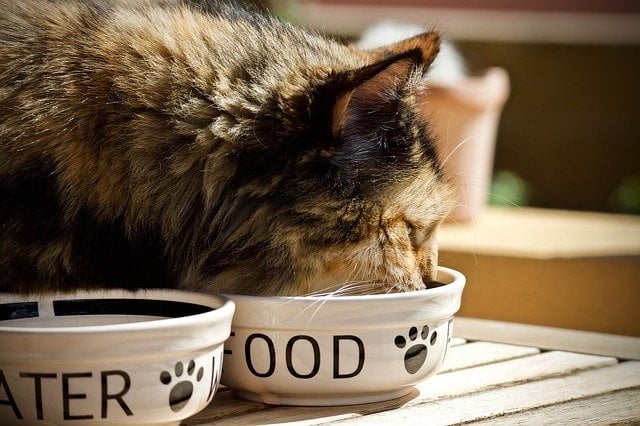
Credit: companion-vets.com
Cat Feeding Frequency
Understanding how often your cat should eat is key to keeping them healthy and happy. Feeding frequency depends greatly on your cat’s age and lifestyle, so tailoring their meal times can make a big difference. Let’s look at how feeding needs change from kittenhood through senior years.
Kittens Vs Adult Cats
Kittens have tiny stomachs but burn energy fast, so they need to eat more often than adult cats. Typically, kittens should eat three to four small mealsdaily to support their rapid growth.
Once your cat reaches adulthood, usually around one year old, their metabolism slows down. At this stage, feeding them two meals per dayis usually enough to maintain a healthy weight and energy level.
Have you noticed your adult cat begging for food between meals? This might be a sign they need a bit more food or a different feeding schedule tailored to their activity level.
Senior Cat Needs
Senior cats often have different nutritional requirements and may need more frequent, smaller meals. Aging cats can have digestive sensitivities or dental issues, making it harder for them to eat large meals at once.
Offering three or more small mealsthroughout the day can help them absorb nutrients better and stay comfortable. Pay attention to changes in appetite or weight — these can signal when it’s time to adjust their feeding routine.
Think about how your senior cat behaves after meals. If they seem lethargic or uncomfortable, consider splitting their food into smaller portions to ease digestion.
Meal Size And Portions
Understanding the right meal size and portions for your cat ensures they get the nutrients without overeating. Proper portion control supports a healthy weight and good energy levels. Cats need balanced meals that match their lifestyle and body needs.
Daily Caloric Requirements
Cats need a certain number of calories every day to stay healthy. This amount depends on their age, weight, and health status. On average, an adult cat requires about 20 calories per pound of body weight daily.
For example:
| Cat Weight (lbs) | Calories Needed Per Day |
|---|---|
| 8 | 160 |
| 10 | 200 |
| 12 | 240 |
Keep in mind, kittens and pregnant cats need more calories for growth and development. Older cats might need fewer calories due to lower activity levels.
Adjusting Portions By Activity Level
Active cats burn more calories and need bigger portions. Less active or indoor cats require smaller meals to prevent weight gain. Watch your cat’s behavior and weight to adjust portions properly.
- Playful, outdoor cats may need 10-20% more food.
- Indoor, calm cats often need 10-20% fewer calories.
- Monitor weight every few weeks to check if portions suit your cat.
Divide the daily calories into two or three meals to keep energy steady. Avoid free feeding to control portion sizes and prevent overeating.
Choosing Feeding Times
Choosing the right feeding times for your cat is a key part of keeping them healthy and happy. It’s not just about what they eat, but also when they eat. The timing can influence their digestion, behavior, and overall well-being.
Scheduled Meals Vs Free Feeding
Scheduled meals mean you offer food at specific times each day. You control portions and know exactly how much your cat eats. This method helps prevent overeating and makes it easier to notice changes in appetite.
Free feeding means leaving food out all day for your cat to nibble on whenever they want. It works for cats that regulate their own eating well, but it can lead to weight gain in less active cats. Also, it’s harder to track if your cat is eating enough or too much.
Think about your cat’s personality and habits. Does your cat graze throughout the day or prefer meals at set times? You might even try scheduled feeding first, then adjust if it doesn’t fit your cat’s style.
Benefits Of Consistent Feeding Times
Feeding your cat at the same times every day creates a routine they can rely on. Cats thrive on predictability, which reduces stress and anxiety related to food.
Consistent feeding times also help you spot health problems early. If your cat suddenly skips a meal or eats less, you’ll know something might be wrong. It’s a simple way to keep a closer eye on their health.
Plus, regular feeding times can improve digestion. Your cat’s body learns when to expect food, which can lead to better nutrient absorption and less stomach upset. Have you noticed how your cat’s energy changes around feeding times? That’s a clue to their internal clock.
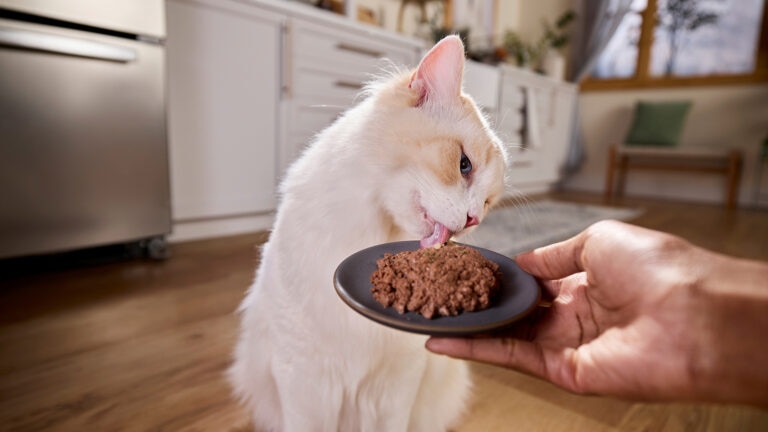
Credit: www.chewy.com
Types Of Cat Food
Cats need a balanced diet to stay healthy and active. Choosing the right type of food plays a big role in their well-being. There are mainly two types of cat food: dry and wet. Each has unique features and benefits. Some cat owners also mix both to give their pets variety and balanced nutrition.
Dry Food Advantages
- Easy to store and serve.
- Helps keep teeth clean by reducing plaque.
- Usually more affordable than wet food.
- Can be left out for free feeding during the day.
- Long shelf life after opening.
Wet Food Benefits
- High moisture content helps keep cats hydrated.
- Often more palatable, especially for picky eaters.
- Contains fewer carbohydrates than dry food.
- Better for cats with dental problems.
- Provides a texture closer to natural prey.
Mixing Food Types
Combining dry and wet food offers several benefits. It gives cats variety in taste and texture. It also balances moisture intake and dental health. Mixing can prevent boredom with meals. Always introduce new food gradually. Monitor your cat’s reaction to avoid stomach upset.
Hydration And Feeding
Hydration plays a key role in your cat’s overall health. Feeding habits and water intake work together to keep your cat active and well. Cats often get most of their water from food, especially if they eat wet food. Dry food contains less moisture, so extra water is needed to stay hydrated.
Water Intake Importance
Water helps your cat digest food and absorb nutrients. It also regulates body temperature and supports organ function. Cats that do not drink enough water can face health problems. These include urinary tract issues and kidney disease. Monitoring your cat’s water intake is crucial for long-term health.
Encouraging Cats To Drink More
Some cats do not drink enough water naturally. There are simple ways to encourage them to drink more:
- Place multiple water bowls around your home.
- Use fresh, clean water and change it daily.
- Try a pet water fountain to attract interest.
- Offer wet food to increase moisture intake.
- Add a little flavor, like tuna juice, to water occasionally.
These small changes can improve hydration and support your cat’s health. Healthy hydration and feeding habits help your cat live a happy life.
Signs Of Overfeeding Or Underfeeding
Noticing the signs of overfeeding or underfeeding your cat is essential to keep them healthy and happy. Both can lead to serious health problems that affect your cat’s quality of life. Paying attention to subtle changes can help you adjust their diet before issues become severe.
Weight Monitoring Tips
Regularly weighing your cat is one of the simplest ways to spot feeding issues early. Ideally, weigh your cat once a week using the same scale to track any weight gain or loss accurately.
- If your cat gains more than 5% of its body weight in a month, overfeeding might be the cause.
- Weight loss of more than 5% in a short time could indicate underfeeding or health problems.
Keep a weight journal or use an app to record these changes. This data gives you a clear picture and helps you discuss concerns with your vet.
Behavioral Changes To Watch
Your cat’s behavior can reveal a lot about their feeding status. Overfed cats often become less active and may sleep more than usual.
On the other hand, underfed cats may show signs of increased hunger, such as:
- Constant meowing or begging for food
- Restlessness or pacing around their food bowl
- Searching for food in unusual places
Notice if your cat suddenly stops eating or shows disinterest in food, as this could signal health issues rather than just feeding problems. Have you observed any odd behaviors around mealtime? These clues can guide you to make timely changes in their diet.
Special Dietary Considerations
Not all cats thrive on the same feeding schedule or diet. Special dietary considerations come into play especially when your cat has unique health needs or lifestyle factors. Paying attention to these details can make a big difference in your pet’s overall well-being.
Health Conditions Impacting Diet
Certain health issues require changes to your cat’s eating habits. For example, cats with kidney disease often need diets low in phosphorus and protein. Diabetic cats benefit from meals with controlled carbohydrates to keep their blood sugar stable.
Some cats develop food allergies or sensitivities that cause digestive upset or skin problems. In these cases, you might need to avoid common allergens like beef, dairy, or grains. Tailoring your cat’s diet to manage these conditions can improve their comfort and energy.
Consulting A Veterinarian
Never guess when it comes to your cat’s diet if health concerns arise. A veterinarian can diagnose conditions and suggest the right food type and feeding frequency. They can also recommend supplements or prescription diets tailored to your cat’s needs.
Ask your vet about the best times and amounts to feed your cat based on their age, weight, and health status. Regular check-ups help you adjust the diet as your cat’s condition changes. What questions will you bring to your next vet visit to ensure your cat eats for optimal health?
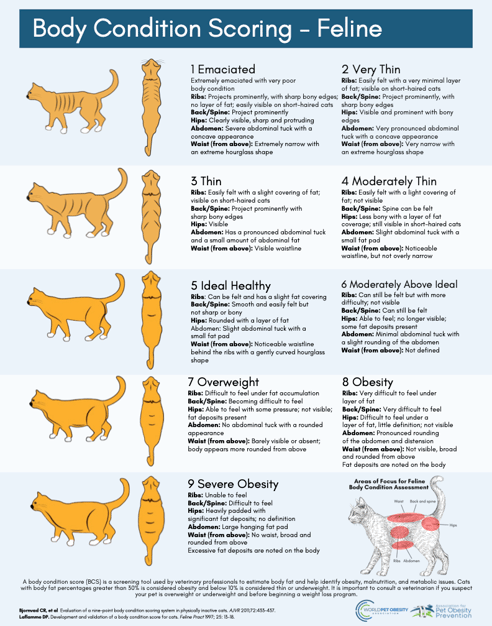
Credit: www.preventivevet.com
Frequently Asked Questions
How Many Times A Day Should Cats Eat?
Cats typically eat two to three small meals daily. Kittens may need more frequent feeding, around four times a day. Regular feeding helps maintain their metabolism and energy levels. Always adjust portions based on your cat’s age, health, and activity.
Can Cats Eat Too Often?
Yes, overfeeding can lead to obesity and health issues. Stick to recommended meal times and portion sizes. Avoid free feeding unless advised by a vet. Monitoring your cat’s weight and behavior helps prevent overeating problems.
What Is The Best Feeding Schedule For Cats?
A consistent feeding schedule suits most cats well. Morning and evening meals work best for adult cats. Kittens and older cats may need more frequent, smaller meals. Consistency supports digestion and healthy eating habits.
Should Cats Eat Wet Or Dry Food More Often?
Both wet and dry foods have benefits for cats. Wet food helps with hydration and is easier to digest. Dry food supports dental health and is convenient. A balanced mix provides variety and nutritional balance.
Conclusion
Feeding your cat correctly ensures its health and happiness. Cats generally need two meals daily. This routine supports their natural hunting instincts. Portion control is vital to prevent obesity. Always choose quality cat food. Fresh water should always be available.
Observe your cat’s habits for any changes. Adjust feeding if needed. Consult your vet for specific dietary needs. A well-fed cat is a happy cat. Remember, their needs can vary. Stay attentive to your cat’s health. Regular vet visits help keep your feline friend fit.
Feed right, love more, and enjoy a joyful cat companion.

Lily Purrington is the founder of MyKittyPicks.com, a cozy corner of the web dedicated to helping cat lovers discover the best cat products, furniture, toys, and home decor ideas.
A lifelong cat enthusiast, Lily shares trusted tips, honest product recommendations, and stylish inspiration designed to keep kitties happy and homes beautiful.
Her mission is simple: to bring together practical advice and purr-fect picks that make life better for cats and the people who love them.


