

Are you curious about the best cat litter for your furry friend? Choosing the right cat litter can make a big difference in your daily routine and your cat’s comfort.
You want something that controls odor, is easy to clean, and keeps your home fresh. But with so many options, how do you know which one is right for you and your cat? Keep reading to discover everything you need to know about cat litter and find the perfect match for your home.
Health Risks Linked To Cat Litter
Handling cat litter might seem like a simple daily chore, but it carries some health risks that are often overlooked. Being aware of these dangers can help you protect yourself and your feline friend. Let’s look closely at some common health issues linked to cat litter and how they might affect your household.
Respiratory Problems
Dust from certain types of cat litter, especially clay-based ones, can irritate your lungs. If you or someone in your home has asthma or other breathing issues, this dust could trigger symptoms like coughing or shortness of breath.
Using low-dust or dust-free litter options can reduce this risk. Also, cleaning the litter box in a well-ventilated area helps minimize airborne particles.
Allergic Reactions
Some people and pets develop allergies to components in cat litter, such as fragrances or chemicals added for odor control. Symptoms might include sneezing, itching, or watery eyes.
Choosing unscented, natural litters can help prevent allergic reactions. Have you noticed any sneezing or discomfort after cleaning your cat’s box? It might be time to switch brands.
Toxoplasmosis Exposure
Toxoplasmosis is an infection caused by a parasite found in cat feces. If you handle litter without proper hygiene, you risk exposure, which can be particularly dangerous for pregnant women and individuals with weak immune systems.
Always wash your hands thoroughly after cleaning the litter box. Wearing disposable gloves and changing the litter daily reduces the chance of infection.
Types Of Cat Litter And Their Effects
Choosing the right type of cat litter can make a big difference in your daily routine and your cat’s comfort. Different litters have unique properties that affect odor control, dust levels, and environmental impact. Understanding these types helps you pick the one that fits your needs and your cat’s preferences.
Clay-based Litters
Clay-based litters are the most common and affordable option. They clump well, making scooping easy and efficient. However, they tend to produce a lot of dust, which can irritate both your cat’s and your respiratory system.
Another downside is their environmental impact. Clay is strip-mined, which harms natural habitats and is not biodegradable. If you have multiple cats, you might find yourself changing the litter box more often due to odor buildup.
Silica Gel Litters
Silica gel litters look like tiny crystals and absorb moisture quickly. They control odor effectively without clumping, which means less frequent scooping. Many cat owners appreciate the low dust and minimal tracking of these litters.
On the flip side, some cats dislike the texture, and silica can be more expensive. It’s important to monitor your cat’s reaction if you switch to this type. Would your cat accept a different texture for better odor control?
Natural And Biodegradable Options
Natural litters use materials like corn, wheat, pine, or walnut shells. They are usually biodegradable and better for the environment. These litters often have a pleasant natural scent and less dust compared to clay.
Some natural litters clump, while others do not, so check the packaging carefully. They can be pricier but might reduce waste and chemicals in your home. Have you considered how your choice of litter impacts the planet and your cat’s health?
Symptoms To Watch For
Cat litter is a household staple for many pet owners. However, it’s crucial to be aware of the potential symptoms that may arise from its use. Whether it’s your feline friend exhibiting unusual behavior or you noticing changes in your own health, understanding these signs can help address issues before they escalate.
Signs In Cats
When it comes to your cat, watch for sudden changes in their litter box habits. Is your cat avoiding the litter box altogether or perhaps spending excessive time in it? Such behaviors might indicate discomfort or an allergic reaction to the litter material.
Also, keep an eye on any respiratory issues. If your cat is sneezing more than usual or has watery eyes, it could be a sign of litter dust irritation. My own cat started sneezing frequently, and a switch to a dust-free litter made a noticeable difference.
Symptoms In Humans
For humans, exposure to certain types of cat litter can trigger respiratory issues. Do you find yourself coughing or experiencing a stuffy nose after cleaning the litter box? This might be due to inhaling fine particles from clumping litter.
Additionally, skin irritation is another concern. If you notice red, itchy patches on your skin after handling litter, consider using gloves. Switching to a hypoallergenic brand can also alleviate this issue.
Always be vigilant and consider the health of both you and your pet. Have you noticed any symptoms recently? It might be time to reevaluate your choice of cat litter for the well-being of everyone in your household.
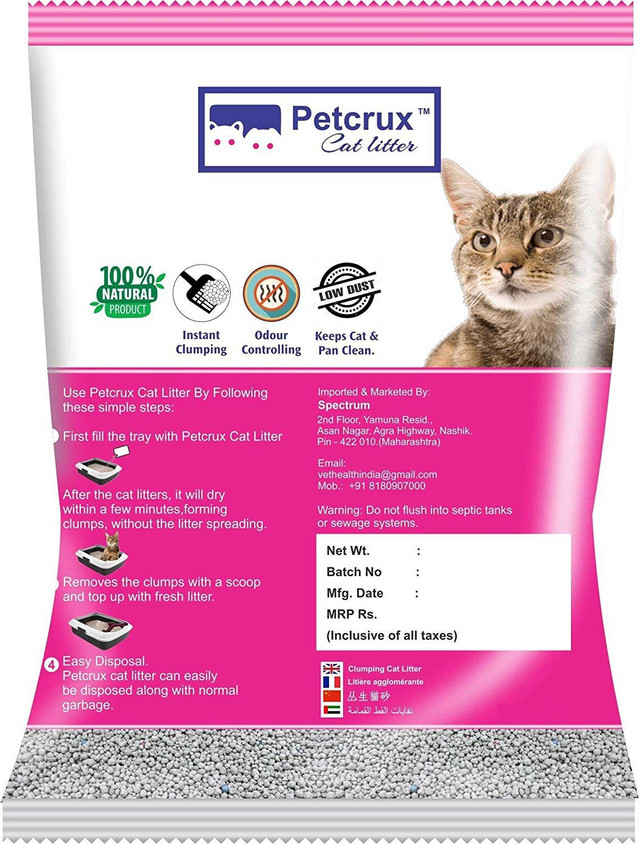
Credit: www.flipkart.com
Preventive Measures
Taking preventive measures can make a big difference in keeping your cat healthy and comfortable while minimizing the risks associated with cat litter. Small changes in how you manage the litter box and what type of litter you choose can lead to cleaner air and a happier pet. Let’s dive into some practical steps you can take right now.
Proper Litter Box Maintenance
Cleaning the litter box regularly is crucial. Scoop waste at least once a day to prevent bacteria buildup and odors. Completely changing the litter and washing the box with mild soap once a week keeps harmful germs at bay.
Have you noticed your cat avoiding the litter box? It might be a sign that it’s not clean enough. Keeping the box fresh encourages your cat to use it consistently, reducing accidents around the house.
Choosing Safer Litter Types
Not all cat litters are created equal. Some contain dust or chemicals that can irritate your cat’s lungs or skin. Opt for natural, dust-free litters made from materials like corn, wheat, or recycled paper.
Switching to a safer litter type may seem minor, but it can significantly improve your cat’s comfort and your home’s air quality. Have you tried different litters to find what works best for your cat’s health?
Ventilation And Hygiene Tips
Good airflow around the litter box area helps reduce odors and airborne particles. Place the litter box in a well-ventilated spot, away from your cat’s feeding area to keep things hygienic.
Washing your hands after cleaning the box is simple but effective in preventing the spread of germs. You might also want to wear a mask during cleaning if dust is a problem in your home.
When To Consult A Doctor Or Vet
Knowing when to consult a doctor or vet about cat litter issues can save your pet from discomfort and prevent potential health problems. Sometimes, what seems like a minor concern with your cat’s litter habits might be a sign of something more serious. Being alert and proactive helps you protect your furry friend’s well-being.
Signs Of Urinary Or Digestive Problems
If your cat starts urinating outside the litter box or straining to pee, it could indicate a urinary tract infection or blockage. Watch for blood in the urine or frequent attempts to use the litter box without success. These symptoms require immediate veterinary attention to avoid serious complications.
Unusual Behavior Around The Litter Box
Does your cat seem anxious, restless, or in pain when using the litter box? Sudden changes in behavior can signal discomfort or illness. If your cat avoids the box or cries out while inside it, it’s time to get a professional opinion.
Persistent Litter Box Avoidance
Sometimes cats stop using the litter box for reasons beyond medical issues, like stress or litter preference. However, if avoidance continues despite your efforts to change litter types or clean more often, consult your vet. They can rule out hidden health problems or offer behavioral advice.
Allergic Reactions Or Skin Irritations
If your cat shows redness, itching, or sores on their paws after using the litter, it might be an allergic reaction to the litter ingredients. This discomfort can affect their willingness to use the box. A vet visit will help identify safe litter alternatives or treatments.
When You Notice Unusual Litter Consumption
Some cats eat their litter, which can be dangerous. If you spot your cat nibbling on the litter regularly, seek veterinary advice. This behavior could indicate nutritional deficiencies or other health issues needing attention.

Credit: www.upgrademystatus.com

Credit: www.amazon.in
Frequently Asked Questions
Can Cat Litter Be Flushed Down The Toilet?
Most cat litters are not flushable and can clog pipes. Only specific biodegradable brands are safe for flushing. Always check packaging before flushing to avoid plumbing issues and environmental harm.
How Often Should I Change Cat Litter?
Change cat litter at least once a week for hygiene. Scoop daily to remove waste and reduce odor. Frequent changes keep your cat healthy and your home smelling fresh.
What Type Of Cat Litter Controls Odor Best?
Clumping clay and silica gel litters are best for odor control. They trap moisture and odors effectively. Choose unscented or lightly scented options to avoid irritating your cat.
Is Dust From Cat Litter Harmful To Cats?
Dusty cat litters can cause respiratory issues in cats. Opt for low-dust or dust-free litters to keep your pet safe. Proper ventilation also helps reduce airborne particles.
Conclusion
Cat litter plays an important role in keeping homes clean and odor-free. Choosing the right type helps both cats and owners stay happy. Regular cleaning ensures a fresh and healthy space for your pet. Pay attention to your cat’s preferences and needs.
Small changes can make a big difference in comfort and hygiene. Trust your judgment and observe your cat’s behavior closely. Clean litter means a happier cat and a fresher home. Simple care routines keep problems away and improve daily life.

Lily Purrington is the founder of MyKittyPicks.com, a cozy corner of the web dedicated to helping cat lovers discover the best cat products, furniture, toys, and home decor ideas.
A lifelong cat enthusiast, Lily shares trusted tips, honest product recommendations, and stylish inspiration designed to keep kitties happy and homes beautiful.
Her mission is simple: to bring together practical advice and purr-fect picks that make life better for cats and the people who love them.


