
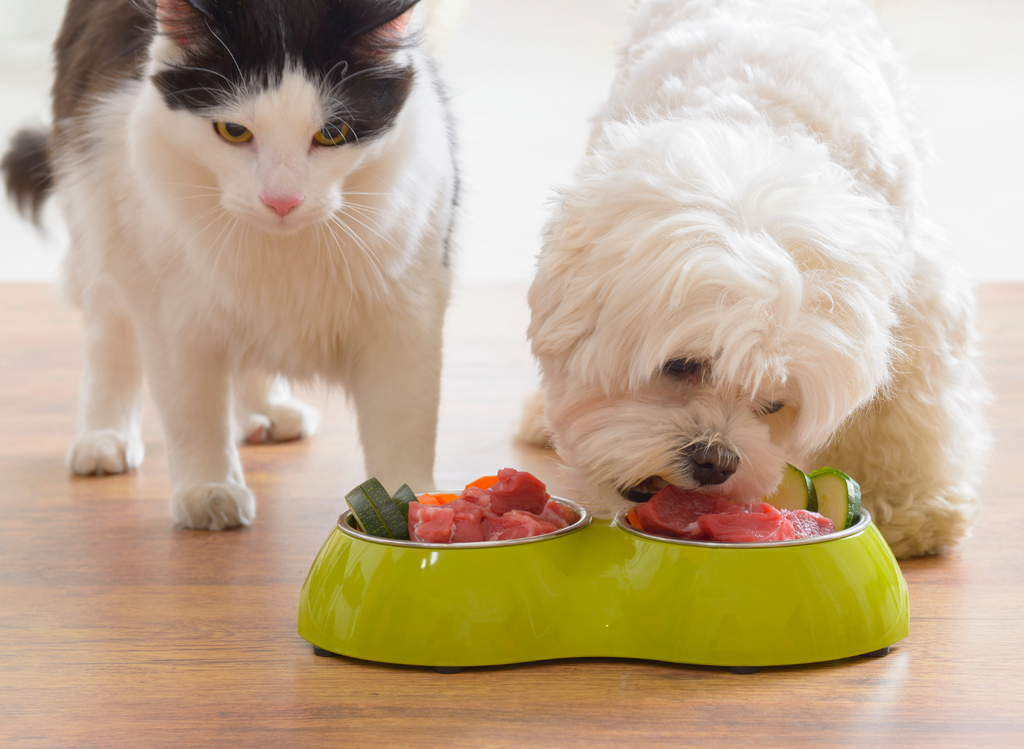
You love your dog and your cat, but when your dog sneaks over to eat your cat’s food, it can cause big problems. You worry about your dog’s health and your cat’s nutrition.
It’s frustrating, right? What if there was a simple way to stop this from happening? You’ll discover easy, practical steps to keep your dog away from the cat’s bowl. By the end, you’ll feel confident that both your pets get the food they need—without any fuss.
Keep reading to find out how!
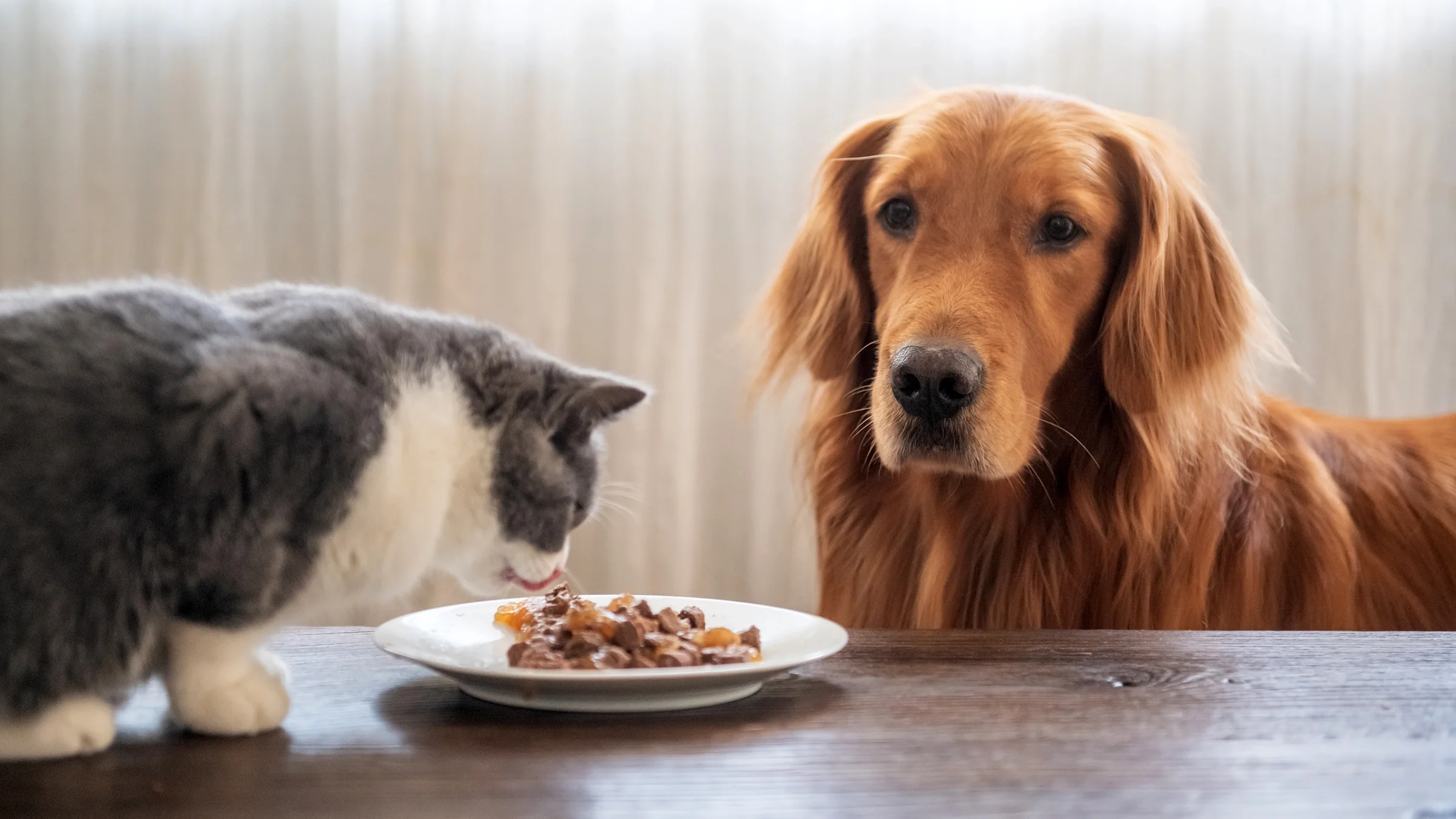
Credit: www.goodrx.com
Reasons Dogs Eat Cat Food
Dogs sometimes eat cat food even when they have their own meals. This can be confusing for pet owners. Understanding why dogs do this helps in stopping the behavior.
There are several reasons dogs find cat food appealing. These reasons include nutrition, taste, and behavior. Each plays a role in why dogs are attracted to cat food.
Nutritional Attraction
Cat food has more protein and fat than dog food. Dogs may feel the extra nutrients are tasty and filling. This makes cat food a tempting choice for dogs.
Because cats need more energy from their food, their meals are richer. Dogs might eat cat food to get more calories quickly. This is common if a dog is very active or hungry.
Taste Preferences
Cat food often has strong smells and flavors. Dogs like these smells more than the milder scent of dog food. This makes cat food more attractive to their taste buds.
- Cat food is usually fish or meat flavored.
- It contains more fats and oils that dogs enjoy.
- Different textures in cat food can interest dogs.
Behavioral Factors
Dogs may eat cat food out of curiosity or boredom. If a dog sees a cat eating, it may want to try the same food. Sometimes dogs just like exploring new tastes.
Some dogs learn that eating cat food gets attention from owners. This can make the behavior repeat. Also, if cat food is easy to reach, dogs will take advantage.
- Curiosity about new food.
- Boredom or lack of stimulation.
- Seeking attention from owners.
- Easy access to cat food bowls.
Credit: www.litter-robot.com
Risks Of Dogs Eating Cat Food
Dogs sometimes eat cat food by mistake or curiosity. This can cause problems for their health. Cat food is made differently from dog food.
Knowing the risks helps owners keep pets safe. Here are some main concerns when dogs eat cat food.
Health Concerns
Cat food has more fat and protein than dog food. Eating too much can lead to weight gain in dogs. Some dogs may develop allergies or skin issues. Cat food lacks some nutrients dogs need daily.
Digestive Issues
Dogs’ stomachs are not made for cat food. Eating it can cause upset stomach, diarrhea, or vomiting. Some dogs may have stomach pain or discomfort.
- Vomiting after eating cat food
- Loose stools or diarrhea
- Loss of appetite
- Stomach cramps
Nutritional Imbalance
| Nutrient | Cat Food | Dog Food | Effect on Dogs |
|---|---|---|---|
| Protein | High | Moderate | May strain kidneys |
| Fat | High | Lower | Weight gain, pancreatitis risk |
| Taurine | Added | Low | Unnecessary for dogs |
| Vitamin A | High | Balanced | Can cause toxicity |
Setting Up Separate Feeding Areas
Dogs often eat cat food because it smells tasty and is easy to reach. To stop this, create separate feeding areas for your pets. This helps each animal eat their own food without problems.
Setting up distinct feeding spots keeps your dog from stealing cat food. It also makes mealtime calmer for both pets. Using simple tools and smart placement can solve this issue well.
Choosing Feeding Spots
Pick places for feeding that are far apart. Cats like quiet, safe spots. Dogs prefer open spaces where they can watch around.
Try to feed your cat in a room where the dog cannot enter easily. This stops the dog from reaching the cat’s food.
- Feed cats in high or closed rooms
- Choose quiet areas for cats
- Place dog food in open, easy spots
- Keep feeding places away from each other
Using Barriers And Gates
Barriers and gates help keep pets in separate areas during feeding time. Use baby gates or pet barriers to block access.
Make sure the barriers are tall enough so dogs cannot jump over. Cats can jump high, so use gates with small openings.
- Use baby gates in doorways
- Try pet playpens or barriers
- Choose gates that cats can climb but dogs cannot
- Close off rooms to keep dog out
Elevated Feeding Stations
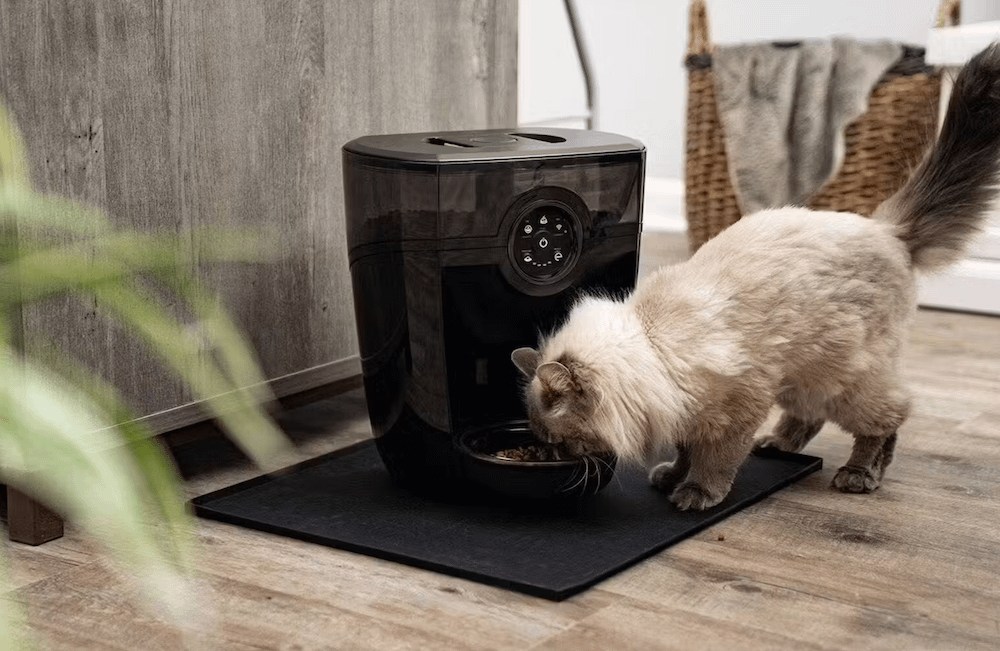
Elevated feeding stations keep cat food out of dogs’ reach. Cats enjoy eating on higher surfaces. Dogs find it hard to reach food placed above them.
Use sturdy shelves or tables for cat bowls. Make sure the station is safe and stable. This stops dogs from jumping up and stealing food.
- Place cat bowls on shelves or counters
- Use tall feeding stations for cats
- Keep dog bowls on the floor
- Check stability to avoid accidents
Training Techniques To Discourage Behavior
Dogs often find cat food tempting. It’s important to train them not to eat it. Using simple techniques can help prevent this behavior.
Here are some effective training methods to ensure your dog leaves the cat food alone.
Positive Reinforcement
Reward your dog for ignoring cat food. Use treats they love as a reward. This encourages them to repeat the behavior.
Consistency is key. Reward them every time they avoid the cat’s bowl. Over time, they learn what is expected.
Command Training
Teach your dog commands like “leave it” or “no”. Use these commands when they approach cat food.
Practice these commands regularly. Use them in different situations to reinforce the behavior.
Redirecting Attention
Distract your dog from cat food with toys or activities. Give them something else to focus on.
Engage them in playtime or offer a chew toy. Keeping them busy helps prevent unwanted eating.
- Offer a toy when they approach cat food
- Play fetch or tug-of-war to distract them
- Provide a chew toy to keep them occupied
Managing Feeding Times And Portions
Dogs often find cat food tempting. Preventing them from eating it can be a challenge. Managing feeding times and portions helps keep your pets’ diets separate.
Proper feeding strategies ensure your dog eats its food, not the cat’s. Let’s explore some effective methods.
Scheduled Feeding
Scheduled feeding helps regulate meal times. Both pets eat at set times each day.
Set a feeding schedule for your dog and cat. This reduces the chance of them eating each other’s food.
- Feed your cat first, then your dog.
- Keep a consistent schedule for both pets.
- Remove leftover food after meal times.
Supervised Meals
Supervised meals ensure your dog doesn’t eat the cat’s food. Watch them while they eat.
Stay in the room during meal times. This helps you intervene if your dog approaches the cat’s bowl.
- Feed pets in separate areas.
- Use a leash to control your dog if needed.
- Close doors to keep them apart while eating.
Avoiding Free Feeding
Free feeding means leaving food out all day. This increases the risk of your dog eating cat food.
Instead, provide meals at specific times. This prevents your dog from snacking on cat food when you’re not watching.
- Set up a feeding routine for both pets.
- Store food securely after meals.
- Use feeders with timers if you’re away.

Credit: petzyo.com.au
Using Deterrents And Distractions
Dogs often try to eat cat food because it smells tasty. This can cause health problems for both pets. Using deterrents and distractions helps keep your dog away from the cat’s food.
Below are safe and effective ways to stop your dog from eating cat food by using sprays, toys, and activities.
Safe Deterrent Sprays
Deterrent sprays have smells or tastes dogs dislike. They help keep dogs away from cat food without harming them.
- Use bitter apple spray near the cat’s food bowl.
- Try citrus-scented sprays that dogs find unpleasant.
- Test sprays on a small area first to avoid damage.
- Reapply sprays regularly to maintain effectiveness.
Interactive Toys
Interactive toys keep your dog busy and focused. They reduce the chance your dog will want to eat cat food.
| Toy Type | Purpose |
| Puzzle Feeders | Challenge dogs to get treats slowly. |
| Chew Toys | Keep dogs occupied and calm. |
| Fetch Toys | Encourage physical activity and play. |
Engaging Activities
Activities help your dog use energy in good ways. They reduce boredom and the urge to eat cat food.
- Take your dog for daily walks to burn energy.
- Play hide and seek with toys or treats.
- Teach simple commands to keep your dog focused.
- Set up obstacle courses for mental and physical exercise.
Consulting Veterinarians And Experts
Stopping your dog from eating cat food needs care and guidance. Experts like veterinarians can help you find safe solutions.
They check your pet’s health and suggest the best diet and training tips. This way, both your dog and cat stay healthy.
Health Assessments
Veterinarians examine your dog for health problems that cause food stealing. They look for hunger, allergies, or digestive issues.
Regular health checks help catch problems early. This can stop your dog from needing extra food from the cat’s bowl.
Dietary Recommendations
Experts suggest diets that keep your dog full and happy. They may change the type or amount of food to meet your dog’s needs.
Veterinarians can also recommend feeding schedules. These plans reduce your dog’s urge to eat cat food.
- Choose dog food with good nutrition
- Feed on a regular schedule
- Provide enough food for your dog
- Avoid feeding dog with cat food
Behavioral Advice
Experts watch your dog’s behavior to find why it eats cat food. They look for boredom, anxiety, or habit problems.
Veterinarians or trainers suggest ways to change these habits. They teach owners how to train dogs to avoid cat food.
- Keep cat food out of dog’s reach
- Use barriers or closed doors
- Train your dog with positive rewards
- Give your dog toys to reduce boredom
Frequently Asked Questions
How Can I Stop My Dog From Eating Cat Food?
To stop your dog, feed pets separately in different rooms. Use baby gates or closed doors. Train your dog to understand boundaries. Provide enough dog food to reduce temptation.
Why Is It Bad For Dogs To Eat Cat Food?
Cat food has high protein and fat levels. It can cause digestive upset in dogs. Eating cat food regularly may lead to obesity. It may also cause nutrient imbalances harmful to dogs.
What Are Safe Feeding Practices For Dogs And Cats?
Feed dogs and cats in separate areas. Use elevated feeding stations for cats. Supervise mealtime to prevent food stealing. Maintain consistent feeding schedules to reduce food guarding.
Can Training Help Prevent Dogs Eating Cat Food?
Yes, training helps. Teach commands like “leave it” and “stay. ” Reward your dog for good behavior around cat food. Consistent training builds discipline and reduces unwanted eating habits.
Conclusion
Preventing your dog from eating cat food keeps both pets healthy. Keep cat food in a place your dog cannot reach. Use barriers or feeding at different times to help. Train your dog with clear commands and positive rewards. Watch your pets closely during feeding time.
Small changes make a big difference in their diet. Healthy pets mean happy homes. Stay consistent and patient for the best results.

Lily Purrington is the founder of MyKittyPicks.com, a cozy corner of the web dedicated to helping cat lovers discover the best cat products, furniture, toys, and home decor ideas.
A lifelong cat enthusiast, Lily shares trusted tips, honest product recommendations, and stylish inspiration designed to keep kitties happy and homes beautiful.
Her mission is simple: to bring together practical advice and purr-fect picks that make life better for cats and the people who love them.


