
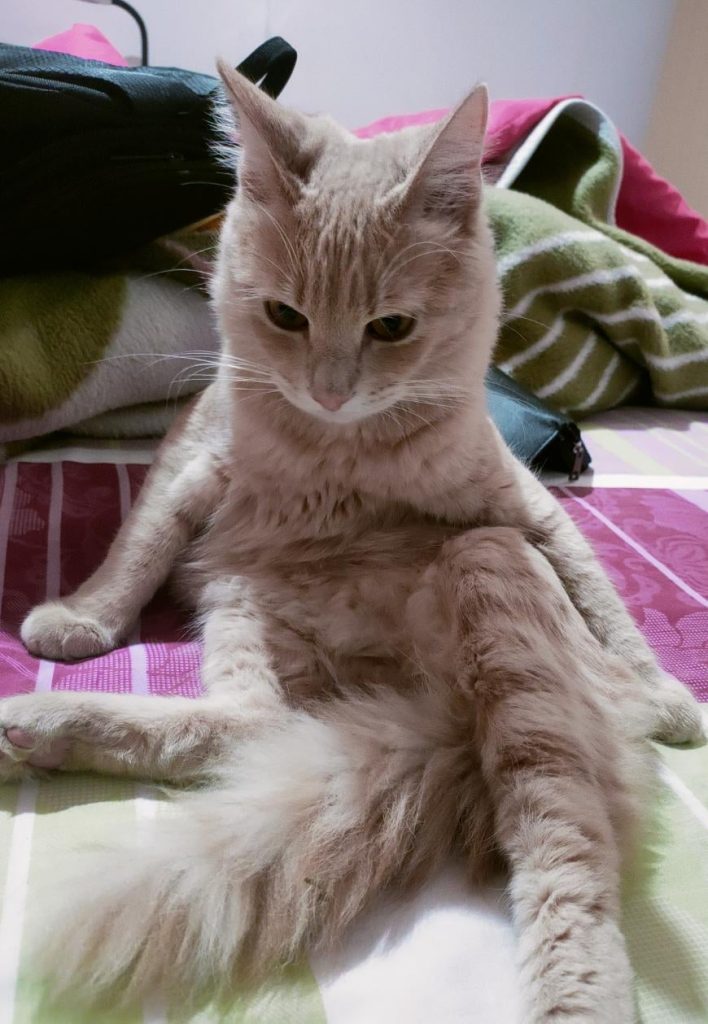
If you’ve recently had your cat neutered, you’re probably wondering when you’ll start to see changes in their behavior. You might be hoping for a calmer, less aggressive pet or maybe less marking around the house.
But how long does it really take for these changes to happen? Understanding this can help you set the right expectations and care for your cat during this important time. Keep reading to discover what you can expect and when, so you can better support your furry friend’s transition.

Credit: www.petscare.com
Behavior Changes After Neutering
Neutering can lead to noticeable behavior changes in cats. These changes usually happen gradually over time. Understanding these shifts helps owners know what to expect after surgery. Behavior changes often improve a cat’s quality of life and ease owner concerns.
Typical Timeline For Changes
Behavior changes do not occur immediately after neutering. Most cats begin to show differences within two to four weeks. Some changes may start sooner, while others take a few months. The timeline depends on the cat’s age and personality.
- Within 1 week: Reduced restlessness and less marking behavior
- 2-4 weeks: Decreased aggression and roaming tendencies
- 1-3 months: Noticeable calmness and less territorial behavior
Patience is key during this period. Monitoring your cat helps track progress and spot any unusual signs.
Factors Influencing Behavior Shift
Several factors affect how quickly and how much a cat’s behavior changes. Age plays a major role. Younger cats often adjust faster than older ones. The cat’s temperament also matters. Some cats are naturally calmer or more social.
- Age at neutering: Early neutering often leads to quicker changes
- Personality: More active cats may take longer to calm down
- Environment: Stressful surroundings can slow behavior improvement
- Health: Underlying health issues may affect behavior after surgery
Each cat is unique. Owners should observe and support their pet’s transition.

Credit: www.petscare.com
Common Behavioral Improvements
After your cat is neutered, you might notice some positive changes in their behavior. These improvements don’t happen overnight but usually develop over a few weeks. Understanding these common shifts can help you set realistic expectations and better support your feline friend during their adjustment period.
Reduced Aggression
Neutering often lowers aggressive behavior in cats. You may find your cat less likely to hiss, scratch, or bite, especially around other pets or people.
One cat owner shared how her previously hostile cat became calmer within a month after neutering, making playtime much more enjoyable. This change happens because neutering reduces testosterone, which fuels aggressive tendencies.
Decreased Roaming
Neutered cats usually lose the urge to roam far from home. This means fewer escapes and less chance of getting lost or injured.
Have you noticed your cat wandering less since the procedure? This behavior change often kicks in within two to four weeks as their mating instincts fade.
Less Marking And Spraying
Marking territory with urine is a common problem among intact male cats. After neutering, this behavior typically diminishes significantly.
If your cat was spraying on furniture or walls, you might see a noticeable reduction in just a few weeks. This improvement not only makes your home cleaner but also lowers stress for both you and your pet.
Variations Between Cats
Behavior changes in cats after neutering vary widely. Most cats show noticeable calmness within two weeks. Some may take longer, while others change quickly.
Variations Between Cats When neutering a cat, many pet owners expect immediate behavioral changes. However, it’s essential to understand that each cat is unique, and the timeline for behavior changes can vary. Some cats might show noticeable changes within weeks, while others may take months.Age At Neutering
The age at which a cat is neutered can significantly affect how quickly behavioral changes manifest. Younger cats, particularly those neutered before reaching sexual maturity, often show quicker and more pronounced changes. In contrast, older cats might take longer as their behaviors have become more ingrained over time. Consider your cat’s age when assessing behavioral changes. Patience is key.Personality Differences
Just like humans, every cat has its own distinct personality. Some cats are naturally more laid-back, while others are energetic and assertive. These inherent traits can influence how behaviors change post-neutering. If your cat is naturally calm, you might notice subtle changes more easily. However, in a highly active cat, changes may be harder to spot initially. Observing your cat closely will help you understand its unique timeline.Health Impact
A cat’s overall health plays a crucial role in how behavior changes post-neutering. Healthier cats tend to recover faster from surgery, potentially leading to quicker behavioral adjustments. On the other hand, cats with underlying health issues might take longer to show changes. Regular vet check-ups ensure your cat is in optimal health, facilitating smoother behavioral transitions. Is your cat's health supporting or hindering its behavioral change? Keep an eye on it, and consult your vet when in doubt. Understanding these variations will help manage your expectations and provide better care for your feline friend. Remember, your cat’s journey to behavioral change is as unique as it is.Post-surgery Care Tips
Proper care after neutering helps your cat recover smoothly and adapt well. This time is crucial for healing and seeing behavior changes. Careful attention supports your pet’s comfort and prevents problems.
Managing Stress And Pain
Keep your cat in a quiet, cozy space after surgery. Limit loud noises and sudden movements around them. Offer soft bedding and a warm place to rest. Watch for signs of pain like hiding or growling. Use pain medicine exactly as the vet directs. Avoid letting your cat jump or run too soon. Calm environments reduce stress and help healing.
Encouraging Positive Behavior
Give gentle attention and soft words to your cat. Play quietly with favorite toys to keep them active. Praise calm and friendly behavior to build good habits. Keep litter boxes clean and food fresh to reduce discomfort. Avoid rough handling or forcing activity. Routine and patience guide your cat toward better behavior.
When To Consult A Vet
- Swelling or redness at the surgery site
- Excessive bleeding or discharge
- Loss of appetite lasting more than a day
- Continuous vomiting or diarrhea
- Unusual lethargy or weakness
- Signs of severe pain or distress
Contact your vet immediately if you notice any of these. Early help prevents complications and ensures recovery stays on track.
Long-term Behavior Expectations
Understanding how your cat’s behavior will change after neutering helps set realistic expectations. Some behaviors shift permanently, while others adjust temporarily as your cat heals and adapts. Knowing the difference can help you support your feline friend through this transition.
Permanent Changes Vs Temporary Adjustments
Neutering often leads to permanent behavior changes like reduced aggression and less territorial marking. These shifts happen because hormone levels decrease, calming dominant behaviors.
However, some behaviors are temporary and linked to post-surgery recovery or stress. Your cat might seem withdrawn or less active for a few days or weeks, but this usually fades as they regain energy.
Have you noticed your cat’s sudden change in playfulness or appetite shortly after surgery? That’s a typical temporary adjustment, not a sign of a permanent personality shift.
Monitoring And Supporting Your Cat
After neutering, watch your cat closely for signs of discomfort or prolonged behavioral issues. If your cat remains unusually aggressive or anxious beyond a month, it may need extra attention or a vet check.
Support your cat by creating a calm environment and offering gentle interaction. Simple acts like providing favorite toys and quiet spaces can ease stress and encourage positive behavior.
Remember, your involvement plays a big role in how well your cat adapts. How do you usually help your pet feel safe during changes? Sharing your experiences can reveal helpful tips for others.
Credit: sandiegovets.com
Frequently Asked Questions
How Soon Do Cats Show Behavior Changes After Neutering?
Cats usually begin showing behavior changes within 1 to 2 weeks after neutering. Some traits like reduced aggression or marking may take up to a month to fully change.
What Behaviors Improve After Neutering A Cat?
Neutering often reduces spraying, roaming, aggression, and excessive vocalization. It also helps cats become calmer and more affectionate over time.
Can Neutering Affect A Cat’s Activity Level?
Yes, neutering may slightly decrease a cat’s activity level. Cats often become less hyperactive and more relaxed after the procedure.
When Will My Cat Stop Urine Marking After Neutering?
Urine marking generally decreases within 2 to 4 weeks after neutering. However, some cats may need more time or additional behavior training.
Conclusion
Behavior changes in cats usually start within a few weeks after neutering. Most cats become calmer and less aggressive over time. Some behaviors may take up to three months to change fully. Patience is important during this period. Keep giving your cat love and care as it adjusts.
Remember, each cat is different and changes at its own pace. Neutering helps improve your cat’s health and behavior in the long run. Stay observant and enjoy the positive changes ahead.

Lily Purrington is the founder of MyKittyPicks.com, a cozy corner of the web dedicated to helping cat lovers discover the best cat products, furniture, toys, and home decor ideas.
A lifelong cat enthusiast, Lily shares trusted tips, honest product recommendations, and stylish inspiration designed to keep kitties happy and homes beautiful.
Her mission is simple: to bring together practical advice and purr-fect picks that make life better for cats and the people who love them.


