

Caring for a diabetic cat can feel overwhelming, but you’re not alone. If your furry friend has been diagnosed with diabetes, you probably have many questions and concerns.
How do you manage their diet? What signs should you watch for? And how can you make sure they stay happy and healthy? This guide will walk you through simple, effective steps to help your cat live a comfortable life.
Keep reading to discover the key tips you need to take control of your cat’s health and feel confident in your care.

Credit: ziggyfamily.com
Recognizing Diabetes In Cats
Recognizing diabetes in cats early can make a big difference in managing their health and quality of life. Diabetes symptoms in cats often develop slowly, and you might miss subtle signs if you’re not paying close attention. Understanding what to look for and how diabetes is diagnosed will help you act quickly and get your cat the care they need.
Common Symptoms To Watch For
Keep an eye out for increased thirst and frequent urination. You might notice your cat drinking more water than usual or making more trips to the litter box. These are classic signs that something is off.
Weight loss despite a good appetite is another red flag. Your cat may seem hungry all the time but still lose weight, which can be confusing and worrying. Some cats also develop a poor coat condition or show signs of lethargy.
Have you noticed your cat stumbling or having trouble jumping? Weakness in the hind legs can sometimes be linked to diabetes complications. These symptoms can be easy to overlook but are important to mention to your vet.
Diagnosing Diabetes In Pets
If you suspect your cat might be diabetic, a vet visit is essential. Your vet will perform blood tests to check glucose levels and may also test urine for sugar or ketones. These tests help confirm whether your cat has diabetes.
Sometimes, vets will run additional tests to rule out other conditions that mimic diabetes symptoms. It’s important to get a clear diagnosis to tailor the right treatment plan. Early diagnosis means you can start managing your cat’s condition sooner, improving their chances for a good outcome.
Have you ever wondered how your vet decides the best treatment after diagnosis? Understanding the diagnostic process can help you prepare questions for your next visit and feel more confident managing your cat’s health.
Managing Your Cat’s Diet
Managing your cat’s diet is key to controlling diabetes. Proper food choices help regulate blood sugar levels. Consistent feeding habits support your cat’s health. Careful attention to diet can make a big difference.
Choosing The Right Food
Select food with low carbohydrates and high protein. Wet food often has fewer carbs than dry food. Look for products labeled for diabetic cats or weight control. Avoid treats or snacks with sugar or fillers. Consult your vet for specific brand recommendations. Fresh water should always be available alongside meals.
Feeding Schedule Tips
Feed your cat at the same times daily. Consistency helps maintain steady blood sugar. Divide food into smaller meals, two to four times a day. Avoid free feeding or letting food sit out all day. Measure portions carefully to prevent overeating. Keep a feeding log to track amounts and times. Adjust feeding based on your vet’s advice and your cat’s response.
Administering Insulin Safely
Administer insulin gently and at the same time every day to keep your cat healthy. Use a clean needle and check the dosage carefully before each injection. Comfort and calm your cat to make the process easier for both of you.
Administering insulin safely to a diabetic cat is crucial. It ensures their well-being and manages their blood sugar levels. Owners need clear guidance. This section will cover key aspects. Learn about different insulin types, injection techniques, and dosage monitoring.Types Of Insulin For Cats
Cats may need specific insulin types. Options vary based on effectiveness and duration. Common types include Glargine and PZI. Consult your vet for the best choice. They will consider your cat’s unique needs.Injection Techniques
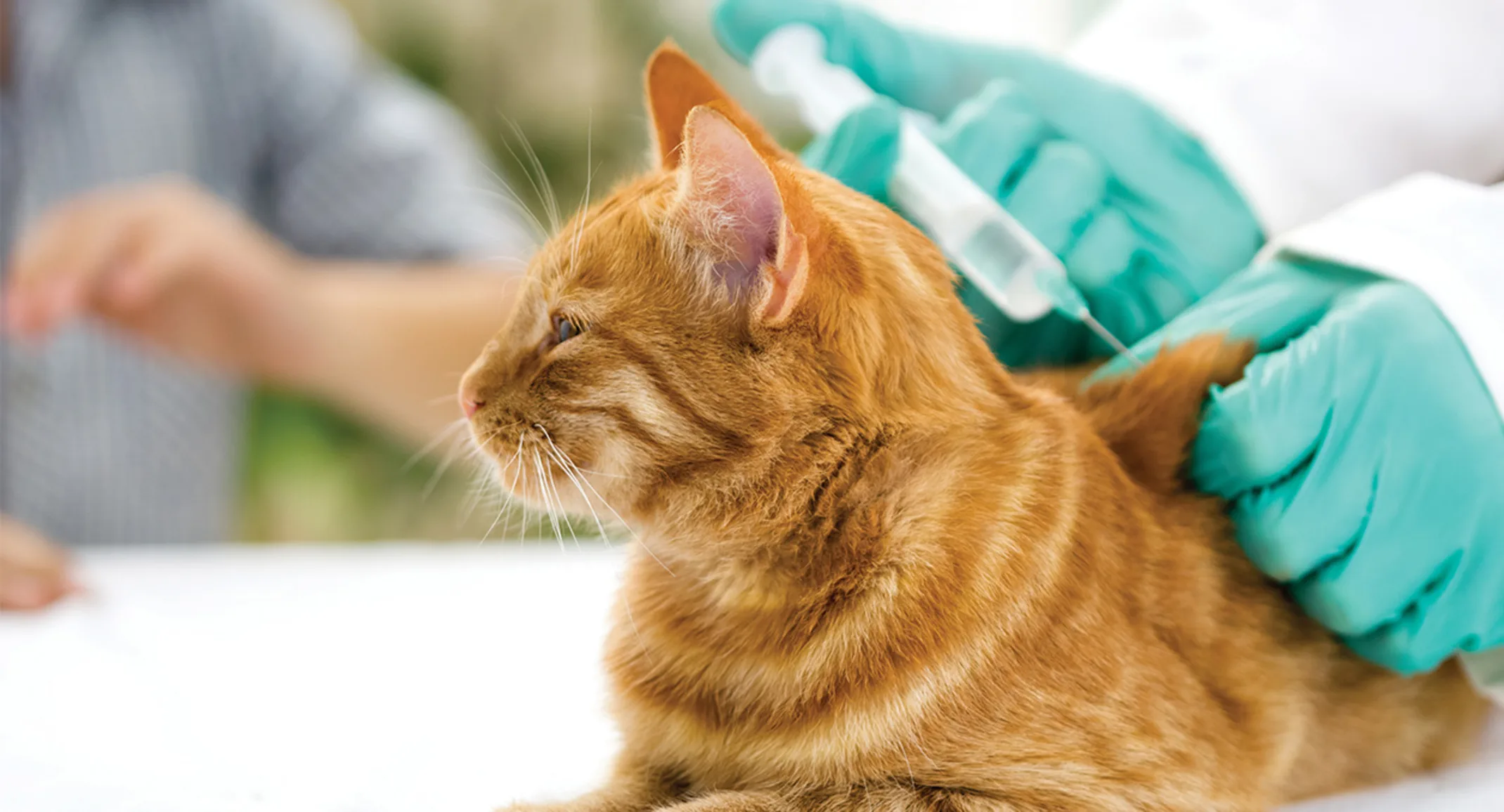
Proper injection techniques are vital. Prepare your supplies in advance. Use a new syringe for each dose. Choose an injection site on your cat’s body. Common sites include the back or side. Pinch the skin gently. Insert the needle at a slight angle. Press the plunger slowly to release insulin. Praise your cat afterward. It creates a positive experience.Monitoring Dosage
Monitor your cat’s insulin dosage closely. Keep a daily log of injections and times. Note any changes in behavior or appetite. Regular vet visits are essential. They help adjust the dosage as needed. Consistent monitoring ensures effective diabetes management.Monitoring Blood Sugar Levels
Monitoring your diabetic cat’s blood sugar levels is vital for managing their health effectively. Keeping close track helps you understand how treatments like insulin and diet affect your cat’s condition. It also helps prevent dangerous highs and lows that can impact their quality of life.
Using Glucose Meters At Home
Using a glucose meter at home makes tracking your cat’s blood sugar easier and faster. These devices require a tiny drop of blood, often taken from the ear or paw pad, so it’s less stressful for your cat than a vet visit. Choose a meter designed for pets or one recommended by your vet for the most accurate results.
Testing regularly helps you spot patterns and adjust care accordingly. Make sure you have a calm environment and plenty of treats to reward your cat afterward. Remember, practice makes perfect; your cat will get used to the routine over time.
Recognizing Hypoglycemia And Hyperglycemia
Knowing the signs of low (hypoglycemia) and high (hyperglycemia) blood sugar is crucial. Hypoglycemia can cause weakness, trembling, or seizures, while hyperglycemia might lead to increased thirst, frequent urination, or lethargy.
If you notice any unusual behavior, don’t wait—check their blood sugar immediately. Acting quickly can prevent serious complications. Have your vet’s contact info handy and a plan for emergencies to keep your cat safe.
Maintaining A Healthy Lifestyle
Maintaining a healthy lifestyle is vital for a diabetic cat. It helps control blood sugar and improves overall health. A balanced routine with proper diet and activity reduces complications. Focus on exercise and weight management for best results.
Encouraging Regular Exercise
Exercise helps regulate blood sugar levels in diabetic cats. It also keeps their muscles strong and supports heart health. Encourage playtime with toys like feather wands or laser pointers. Short, frequent sessions work well for cats with low energy.
- Use interactive toys for mental and physical activity.
- Set daily play sessions to build routine.
- Provide climbing areas or scratching posts.
Watch for signs of tiredness or stress. Stop activity if your cat seems overwhelmed.
Weight Management Strategies
Maintaining a healthy weight is crucial for diabetic cats. Excess weight makes diabetes harder to control. Feed measured portions of a vet-approved diet. Avoid free feeding to prevent overeating.
- Choose high-protein, low-carbohydrate foods.
- Split meals into small, frequent servings.
- Track your cat’s weight weekly.
Consult your vet before changing your cat’s diet. Adjust portions based on activity and weight changes.
Credit: www.happyhealthypets.com
Regular Vet Visits
Regular vet visits are crucial for managing your diabetic cat’s health effectively. These checkups help track your cat’s progress and catch any complications early. Staying consistent with these visits can make a real difference in your cat’s quality of life.
Scheduling Checkups
Set up vet appointments at least every 3 months. Your vet might suggest more frequent visits if your cat’s condition changes or if you’re adjusting insulin doses. Mark these dates on your calendar and treat them as essential, not optional.
Think about how your schedule fits with these visits. Can you commit to the times suggested? Missing a checkup can delay necessary treatment changes and lead to setbacks.
What To Expect During Exams
During the exam, your vet will check your cat’s weight, blood sugar levels, and overall condition. They may perform blood tests or urine analysis to see how well the diabetes is controlled. These tests help guide adjustments to insulin or diet.
You might feel overwhelmed by all the medical details. Don’t hesitate to ask questions about what the results mean and how you can help at home. Your vet’s advice is key to managing your cat’s diabetes day-to-day.
Handling Emergencies
Handling emergencies with a diabetic cat requires calm and quick responses. Recognizing early signs and acting fast can save your cat’s life. Knowing what to look for and what to do reduces stress for both you and your pet.
Signs Of Diabetic Crisis
- Weakness or trembling
- Confusion or disorientation
- Excessive drooling
- Sudden collapse or seizures
- Rapid breathing or panting
- Unusual aggression or hiding
- Loss of appetite
- Vomiting
Immediate Actions To Take
- Stay calm and keep your cat safe
- Check your cat’s blood sugar if possible
- Give a small amount of sugar water or honey on the gums
- Do not force food or water if your cat resists
- Contact your veterinarian immediately
- Prepare to transport your cat to the clinic
- Keep your cat warm and comfortable during transport
Supporting Your Cat Emotionally
Supporting your diabetic cat emotionally is as important as managing their medical needs. Stress and anxiety can affect blood sugar levels and slow recovery. Creating a calm and loving environment helps your cat feel safe and cared for.
Reducing Stress
Stress can make diabetes harder to control. Watch for signs like hiding, loss of appetite, or excessive grooming. Keep your home quiet and calm. Avoid loud noises or sudden changes in routine. Provide a cozy, quiet space where your cat can relax.
Use gentle petting and soft voices to comfort your cat. Play soothing music designed for pets. Avoid overcrowding your cat with visitors or other pets. A calm cat manages diabetes better.
Building A Routine
Cats thrive on routine. Feeding, medication, and playtime should happen at the same times daily. Consistency helps your cat feel secure. It also keeps blood sugar levels steady.
Set regular times for insulin shots and meals. Use a daily checklist to keep track. Spend quiet time with your cat each day. This routine reduces anxiety and builds trust.

Credit: lodianimalhospital.com
Frequently Asked Questions
How Do I Recognize Diabetes In My Cat?
Common signs include increased thirst, frequent urination, and weight loss. Your cat may also show lethargy or appetite changes. Early detection helps in managing diabetes effectively.
What Is The Best Diet For A Diabetic Cat?
A high-protein, low-carbohydrate diet is ideal for diabetic cats. It helps regulate blood sugar levels. Consult your vet for specialized diabetic cat food recommendations.
How Often Should I Test My Diabetic Cat’s Blood Sugar?
Blood sugar should be tested daily or as advised by your vet. Regular monitoring helps adjust insulin doses accurately. Keep a log to track your cat’s glucose trends.
Can Diabetic Cats Live Normal, Healthy Lives?
Yes, with proper care, diabetic cats can live long, healthy lives. Consistent insulin, diet management, and regular vet visits are crucial. Early treatment improves quality of life.
Conclusion
Caring for a diabetic cat takes patience and love. Monitor their diet and blood sugar levels daily. Give insulin shots as your vet advises. Watch for changes in behavior or appetite closely. Regular vet visits keep your cat healthy and safe.
Small steps make a big difference in their life. Stay calm and consistent with care routines. Your cat depends on you for a happy, healthy life. Trust yourself—you are doing a great job helping your pet.

Lily Purrington is the founder of MyKittyPicks.com, a cozy corner of the web dedicated to helping cat lovers discover the best cat products, furniture, toys, and home decor ideas.
A lifelong cat enthusiast, Lily shares trusted tips, honest product recommendations, and stylish inspiration designed to keep kitties happy and homes beautiful.
Her mission is simple: to bring together practical advice and purr-fect picks that make life better for cats and the people who love them.


