

Are you worried about those tiny pests jumping on your cat? Fleas are more than just a nuisance—they might be carrying hidden dangers for your furry friend and even your family.
You might wonder, can cat fleas actually spread diseases? Understanding this can help you protect your pet and your home. Keep reading to discover the surprising truth about cat fleas and what you need to watch out for. Your cat’s health could depend on it.
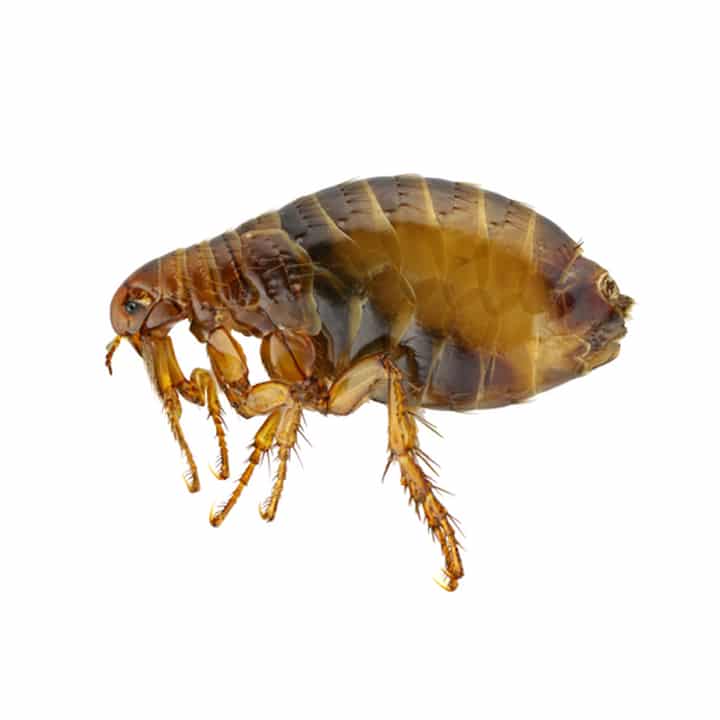
Credit: www.pestsolutions.co.uk
Cat Flea Basics
Fleas are tiny insects that live on cats and other animals. They feed on blood and can cause itching and discomfort.
Understanding how fleas live and spread helps keep cats safe and healthy.
Flea Life Cycle
The flea life cycle has four stages. Each stage is important for flea growth and survival.
- Egg:Flea eggs are tiny and white. They fall off the cat into the environment.
- Larva:Larvae hatch from eggs. They avoid light and eat organic debris.
- Pupa:Larvae spin cocoons. They stay inside until ready to become adults.
- Adult:Adult fleas emerge to find a host. They bite and feed on blood.
How Fleas Infest Cats
Fleas jump onto cats from the environment or other animals. They move quickly and hide in fur.
| Infestation Method | Description |
| Direct Contact | Fleas jump from another animal or person to the cat. |
| Environment | Flea eggs and larvae grow in carpets, bedding, or yard areas. |
| Human Transmission | People carry fleas on clothing or shoes into the home. |

Credit: www.discountpetmart.com
Diseases Linked To Cat Fleas
Cat fleas are common pests that can cause health problems. They do more than just bite and itch.
Fleas can carry diseases that affect cats and humans. It is important to know which illnesses are linked to fleas.
Bartonella Infection
Bartonella is a bacteria spread by cat fleas. It causes a disease called cat scratch fever.
People can get sick if bitten or scratched by an infected cat. Symptoms include fever, swollen lymph nodes, and fatigue.
Tapeworm Transmission
Fleas can carry tapeworm larvae. Cats get tapeworms by swallowing infected fleas during grooming.
Tapeworm infection causes weight loss and itching near the cat’s rear. It can be treated with medication.
Flea Allergy Dermatitis
Many cats are allergic to flea saliva. Flea bites cause severe itching and skin irritation.
This allergy can lead to hair loss, sores, and infections. It is a common skin problem in cats.
- Red and inflamed skin
- Excessive scratching and licking
- Hair loss in affected areas
- Secondary bacterial infections
Other Potential Illnesses
Fleas may also spread other diseases like murine typhus and plague. These are rare but serious.
Flea bites can cause anemia in young or sick cats. This happens when many fleas feed on the cat’s blood.
Risks To Humans
Cat fleas can carry germs that cause sickness in people. These tiny bugs do more than just bite. They can spread diseases that need medical care.
Understanding these risks helps keep you and your family safe. Learn about the main health problems linked to cat fleas.
Cat Scratch Disease
Cat fleas carry bacteria that cause cat scratch disease. This disease spreads when a flea bites a cat. Then the cat scratches or bites a person.
Symptoms include fever, swollen lymph nodes, and tiredness. Most people get better with rest and medicine.
Flea-borne Typhus
Flea-borne typhus is a serious disease passed by cat fleas. The fleas carry bacteria that infect humans through bites.
Symptoms include fever, headache, and rash. Doctors treat it with antibiotics. Early treatment helps avoid complications.
Allergic Reactions
Some people are allergic to cat flea bites. This causes redness, itching, and swelling on the skin. The reaction can be mild or strong.
Scratching bites can lead to infection. Use creams or see a doctor if symptoms get worse.

Credit: justcatsclinic.com
Symptoms In Pets
Fleas are more than just a nuisance for pets. They can cause serious health problems. Spotting symptoms early helps protect your pet.
Watch your pet closely for signs of flea infestation and any illness caused by flea-borne diseases.
Signs Of Flea Infestation
Pets with fleas often show clear signs. These symptoms help you know if your pet needs flea treatment.
- Excessive scratching or biting at the skin
- Red, irritated skin or small bumps
- Hair loss, especially near the tail and neck
- Flea dirt, which looks like small black specks on the fur
- Restlessness or discomfort
Health Issues From Flea Diseases
Fleas can carry harmful diseases that affect pets’ health. These diseases often cause symptoms beyond itching.
| Disease | Symptoms in Pets | Possible Effects |
|---|---|---|
| Tapeworm | Weight loss, scooting on the ground | Digestive issues |
| Flea Allergy Dermatitis | Severe itching, hair loss, skin infections | Chronic skin problems |
| Cat Scratch Fever | Fever, swollen lymph nodes, lethargy | Infection from flea bites or scratches |
Prevention Strategies
Fleas can carry diseases that affect cats and humans. Preventing flea infestations helps keep your cat healthy.
Using safe methods to control fleas is important. Here are ways to protect your cat and home.
Flea Control Products
Choose flea control products made for cats. These include topical treatments, collars, and oral medicines.
- Topical treatments kill fleas quickly and last for weeks.
- Flea collars provide long-lasting protection.
- Oral medicines can stop flea eggs from hatching.
- Always follow the product instructions carefully.
Home And Yard Treatment
Fleas can live in your house and yard. Treat these areas to stop infestations.
| Area | Recommended Treatment |
| Carpet and rugs | Vacuum daily and use flea spray |
| Pet bedding | Wash weekly in hot water |
| Yard | Apply flea control granules or sprays |
| Furniture | Clean and vacuum regularly |
Regular Grooming Tips
Groom your cat often to find fleas early. Use the right tools and techniques.
- Comb your cat with a fine-toothed flea comb.
- Check for flea dirt and live fleas on the fur.
- Bath your cat with flea shampoo if needed.
- Keep grooming areas clean to avoid flea spread.
Treatment Options
Fleas can carry diseases that affect both pets and humans. It’s important to know the treatment options available to manage these flea-borne diseases.
Understanding the right steps can help protect your pet and reduce the risks associated with flea infestations.
Medications For Flea-borne Diseases
There are several medications available that can treat diseases carried by fleas. These medications help in preventing the spread of infections to your pets.
- Topical treatments
- Oral medications
- Injectable solutions
Managing Flea Infestations
Managing flea infestations is crucial to prevent the spread of diseases. Regular cleaning and using flea-control products can keep these pests at bay.
Effective methods include:
- Vacuuming carpets and furniture regularly
- Washing pet bedding in hot water
- Using flea sprays and powders
Veterinary Care Recommendations
Consulting a veterinarian can provide you with specific recommendations tailored for your pet. They can suggest the best treatments and preventive measures.
| Service | Frequency |
| Regular Check-ups | Twice a year |
| Flea Prevention | Monthly |
| Vaccinations | As advised |
Long-term Care
Caring for your pet over the long term is important. Cat fleas can carry diseases that affect your pet’s health. These diseases can cause discomfort and require attention.
Ensuring the health of your pet means being vigilant. It involves regular checks and preventive measures to keep fleas away.
Monitoring Your Pet’s Health
Regular vet visits help in spotting flea-related diseases early. Watch for changes in your pet’s behavior or appearance.
Check your pet’s skin and fur for flea dirt or bites. Early detection helps in managing health issues swiftly.
- Visit the vet every six months
- Look for excessive scratching
- Notice any unusual fur loss
Preventing Reinfestation
Keeping fleas away is a continuous process. Use flea prevention products as advised by your vet.
Clean your pet’s bedding regularly to remove fleas and eggs. Vacuum your home often to reduce the risk of flea infestation.
- Apply flea treatments monthly
- Wash pet bedding every week
- Vacuum carpets and furniture regularly
Frequently Asked Questions
Do Cat Fleas Transmit Diseases To Humans?
Yes, cat fleas can transmit diseases like cat scratch fever and flea-borne typhus to humans. These diseases spread through flea bites or contact with infected flea feces. Proper flea control and hygiene can reduce the risk of transmission.
What Diseases Do Cat Fleas Carry?
Cat fleas carry diseases such as murine typhus, bartonellosis, and tapeworm infections. These illnesses affect both pets and humans. Flea bites can cause allergic reactions and skin infections, making flea prevention important for health.
Can Cat Fleas Infect Other Pets?
Yes, cat fleas can infest dogs, rabbits, and other pets. They spread quickly through close contact, causing itching and discomfort. Flea control on all pets is essential to prevent infestations and related diseases.
How To Prevent Diseases From Cat Fleas?
Prevent diseases by regularly treating pets with vet-approved flea control products. Keep your home clean and vacuum frequently. Early flea detection and treatment can stop disease spread and keep pets healthy.
Conclusion
Cat fleas can carry diseases that affect pets and humans. Protecting your cat helps reduce health risks. Regular flea treatment keeps fleas away and stops disease spread. Watch for signs like itching or redness on your pet. Clean your home often to remove flea eggs and larvae.
Staying alert helps keep your family safe and healthy. Simple steps make a big difference in flea control. Don’t wait until problems start—act early and stay safe.

Lily Purrington is the founder of MyKittyPicks.com, a cozy corner of the web dedicated to helping cat lovers discover the best cat products, furniture, toys, and home decor ideas.
A lifelong cat enthusiast, Lily shares trusted tips, honest product recommendations, and stylish inspiration designed to keep kitties happy and homes beautiful.
Her mission is simple: to bring together practical advice and purr-fect picks that make life better for cats and the people who love them.


