

If you’re a cat owner, you know how upsetting it can be to see your furry friend in discomfort. A urinary tract infection (UTI) in cats is not only painful but can also lead to serious health problems if left untreated.
You want to keep your cat happy and healthy, and the good news is that many UTIs can be prevented with the right care. You’ll discover simple, practical steps you can take to protect your cat from UTIs. Keep reading to learn how to safeguard your pet’s health and avoid unnecessary vet visits.
Causes Of Cat Utis
Cat urinary tract infections (UTIs) happen when bacteria infect the bladder or urethra. These infections can cause pain and trouble when your cat urinates.
Understanding the causes helps you keep your cat healthy and avoid UTIs. Here are the main factors that can lead to these infections.
Common Bacterial Infections
Most cat UTIs are caused by bacteria that enter the urinary tract. These bacteria grow and cause inflammation and discomfort.
- Escherichia coli (E. coli):The most common bacteria in cat UTIs.
- Staphylococcus:Can also infect the urinary tract.
- Streptococcus:Less common but still a cause of infection.
Risk Factors In Cats
Certain conditions and behaviors increase the chance of a UTI in cats. Some cats are more likely to get infections than others.
| Risk Factor | Description |
| Age | Older cats have weaker immune systems. |
| Gender | Female cats are more prone due to shorter urethras. |
| Obesity | Extra weight can lead to health issues raising UTI risk. |
| Stress | Stress can weaken the immune defense. |
| Underlying Illness | Diabetes or kidney disease can increase risk. |
Role Of Diet And Hydration
What your cat eats and drinks affects their urinary health. Poor diet and low water intake raise UTI chances.
- Dry food may cause less water intake.
- Wet food helps increase hydration.
- Fresh water should always be available.
- Special diets can help maintain urinary tract health.
Symptoms To Watch For
Urinary tract infections (UTIs) in cats can cause pain and discomfort. Early detection helps your cat get treatment fast.
Watch for changes in your cat’s habits and behavior. These signs often show the start of a UTI.
Changes In Urination Habits
One of the first signs of a UTI is a change in how your cat urinates. Pay attention to these signs:
- Frequent trips to the litter box
- Straining or crying while urinating
- Urinating outside the litter box
- Small amounts of urine each time
- Blood in the urine
Signs Of Discomfort Or Pain
Cats with a UTI often show pain or discomfort. Notice if your cat:
| Symptom | Description |
| Vocalizing | Meowing or crying when urinating |
| Licking | Excessive licking of the genital area |
| Posture | Hunched or tense body when trying to urinate |
| Restlessness | Cannot sit still or seems uneasy |
Behavioral Changes
UTIs can cause your cat to act differently. Look for these behavior changes:
- Loss of appetite
- Sleeping more than usual
- Hiding or avoiding contact
- Increased irritability or aggression
- Reduced grooming habits
Diet And Hydration Tips
Urinary tract infections (UTIs) in cats can cause discomfort and health issues. A good diet and proper hydration help keep your cat’s urinary system healthy.
This guide covers key ways to support your cat’s health through food choices and encouraging water intake.
Choosing The Right Food
Pick foods that support urinary health. Avoid diets high in magnesium and phosphorus. These minerals can increase the risk of crystals that cause UTIs.
- Look for foods labeled for urinary health
- Choose high-quality protein sources
- Avoid foods with artificial additives
- Feed age-appropriate formulas
Encouraging Water Intake
Water helps flush the urinary tract and reduces infection risks. Cats often drink less water, so encourage more intake.
- Provide fresh water daily in clean bowls
- Use water fountains to attract cats
- Place multiple water stations around your home
- Try adding a little tuna juice to the water
- Offer ice cubes as treats
Using Wet Food Benefits
Wet food contains more moisture than dry food. This extra water helps keep your cat hydrated and supports urinary health.
| Benefit | Description |
| Higher Moisture Content | Helps increase overall water intake |
| Easier to Digest | Supports better nutrient absorption |
| Helps Reduce Crystals | Dilutes urine to prevent crystal formation |
| More Palatable | Can entice cats who eat less dry food |

Credit: medicanimal.com
Litter Box Maintenance
Keeping your cat’s litter box clean is key to preventing urinary tract infections (UTIs). A well-maintained box encourages your cat to use it regularly. This helps avoid accidents and infections.
Proper litter box care includes cleaning often, choosing the right litter, and placing enough boxes in the right spots. These habits keep your cat healthy and happy.
Cleaning Frequency
Cleaning the litter box often stops bacteria buildup that can cause UTIs. Scoop out waste at least once a day. Fully change the litter and wash the box weekly.
- Scoop waste daily to keep the box fresh.
- Replace all litter every week.
- Wash the box with mild soap and warm water.
- Dry the box before adding new litter.
Choosing The Right Litter
Select litter that absorbs urine well and controls odor. Unscented, clumping litter is best to keep the box clean and reduce irritation.
| Type of Litter | Benefits | Drawbacks |
|---|---|---|
| Clumping Clay | Easy to scoop, controls odor | Dusty, heavy |
| Silica Gel | Absorbs moisture well, low dust | More expensive |
| Natural/Plant-Based | Eco-friendly, less dust | May not clump as well |
Number And Placement Of Boxes
Provide enough litter boxes to reduce stress and keep cats clean. Place boxes in quiet, easy-to-access areas away from food and water bowls.
- Have one box per cat, plus one extra.
- Place boxes in different rooms or levels of the home.
- Keep boxes in low-traffic, calm areas.
- Avoid placing boxes near noisy appliances.
Regular Vet Checkups
Regular vet checkups are crucial for your cat’s health. They help catch problems early, including urinary tract infections (UTIs). Scheduling these visits can prevent serious issues down the line.
These checkups allow vets to monitor your cat’s overall health. They can provide advice on diet and hydration, which are key to preventing UTIs. Let’s explore why these visits are so important.
Importance Of Early Detection
Early detection of health issues can make treatment easier and more effective. Regular vet visits help identify signs of UTIs before they become severe. This ensures your cat stays comfortable and healthy.
- Early signs of discomfort can be addressed quickly.
- Prevents complications from untreated infections.
- Reduces the risk of long-term health issues.
Vaccinations And Preventative Care
Vaccinations play a vital role in preventing diseases. They are part of your cat’s routine checkup and are crucial for their well-being. Preventative care includes more than just shots; it also involves lifestyle advice.
When To Seek Immediate Help
Sometimes, immediate vet attention is necessary. Recognize the signs that your cat needs urgent care to prevent complications.
| Symptom | Action Needed |
| Frequent urination with little output | Visit vet immediately |
| Blood in urine | Seek urgent care |
| Lethargy and loss of appetite | Consult your vet |
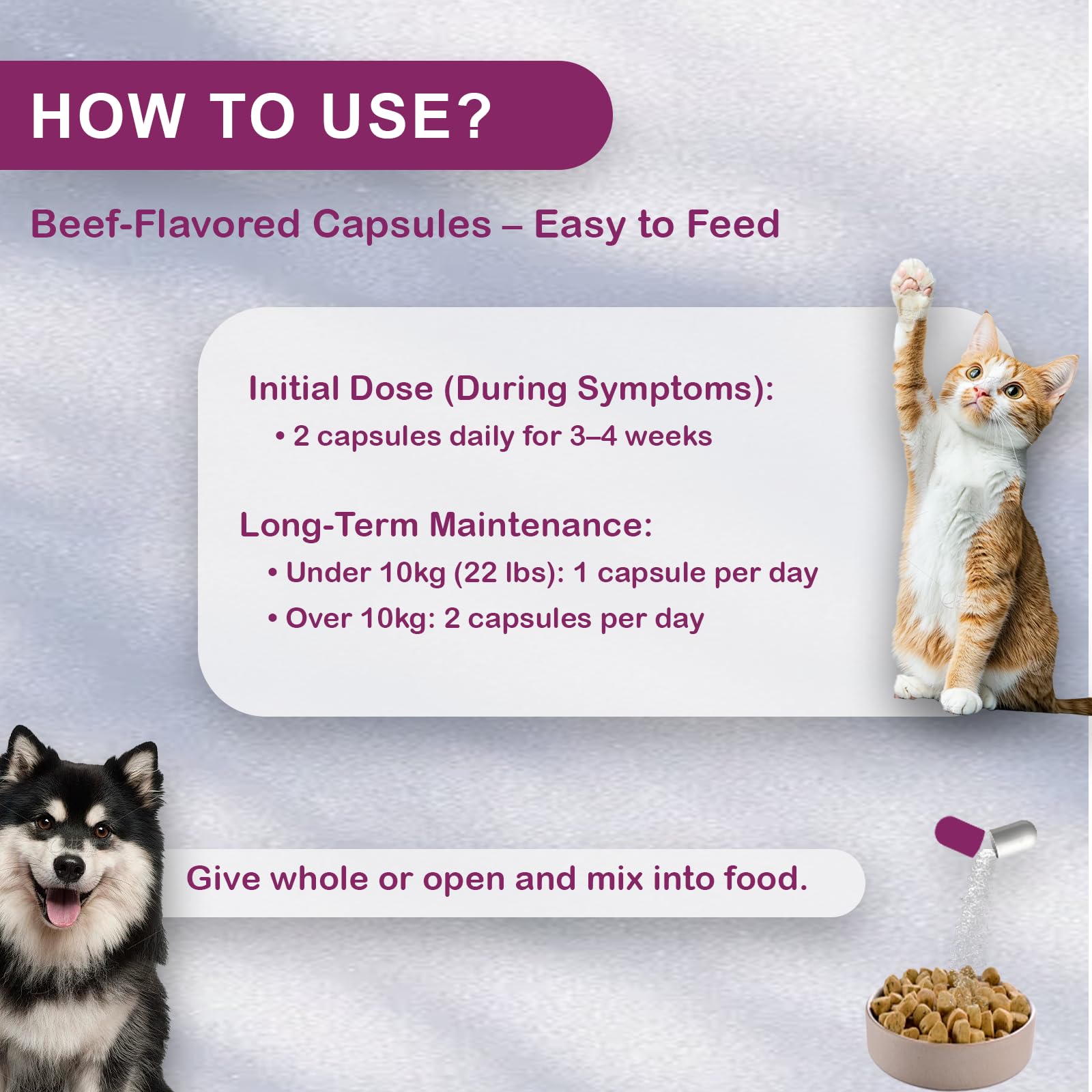
Credit: www.amazon.com
Stress Reduction Strategies
Stress can cause urinary tract infections in cats. Lowering stress helps keep your cat healthy. Using simple methods can calm your cat daily.
Here are ways to reduce your cat’s stress. They include creating a calm place, playing actively, and managing homes with many cats.
Creating A Calm Environment
Make a quiet space for your cat to relax. Avoid loud noises and sudden changes. Soft bedding and hiding spots help your cat feel safe.
- Place beds in quiet corners
- Use calming scents like lavender
- Keep the litter box clean and private
- Limit loud sounds and sudden movements
- Keep a steady daily routine
Interactive Play And Exercise
Playing helps your cat burn energy and lowers stress. Use toys that move or make noise to keep your cat interested. Play at least 10 minutes twice daily.
| Type of Play | Benefits |
| Chasing toys | Improves agility and focus |
| Puzzle feeders | Stimulates mind and curiosity |
| Interactive wand toys | Enhances bonding with owner |
| Laser pointers | Encourages quick movements |
Managing Multi-cat Households
More cats can mean more stress. Give each cat its own food and water bowls. Separate litter boxes help avoid fights and stress.
Tips for multi-cat homes:
- Provide one litter box per cat plus one extra
- Offer separate resting places
- Use vertical space like cat trees
- Watch for signs of bullying or fear
- Feed cats apart if needed to reduce tension
Natural Remedies And Supplements
Cat urinary tract infections (UTIs) can be troubling for both pets and owners. Natural remedies and supplements may help in prevention.
In this guide, learn about natural options like cranberry extract, probiotics, and herbal remedies.
Cranberry Extract Benefits
Cranberry extract is known to support urinary health. It may help prevent bacteria from sticking to the urinary tract walls.
- Reduces risk of bacterial infections
- Supports overall urinary tract health
- Can be found in supplement form for cats
Probiotics For Urinary Health
Probiotics are beneficial bacteria that support a healthy gut. They can also improve urinary health in cats.
| Probiotic Benefits | Effect on UTIs |
| Improves gut flora | Boosts immune response |
| Reduces harmful bacteria | Decreases infection risk |
| Supports digestion | Enhances nutrient absorption |
Herbal Options
Herbs like uva ursi and marshmallow root can be used to support urinary health. These herbs have soothing properties.
Before using herbs, consult your veterinarian. Some herbs can interact with medications.
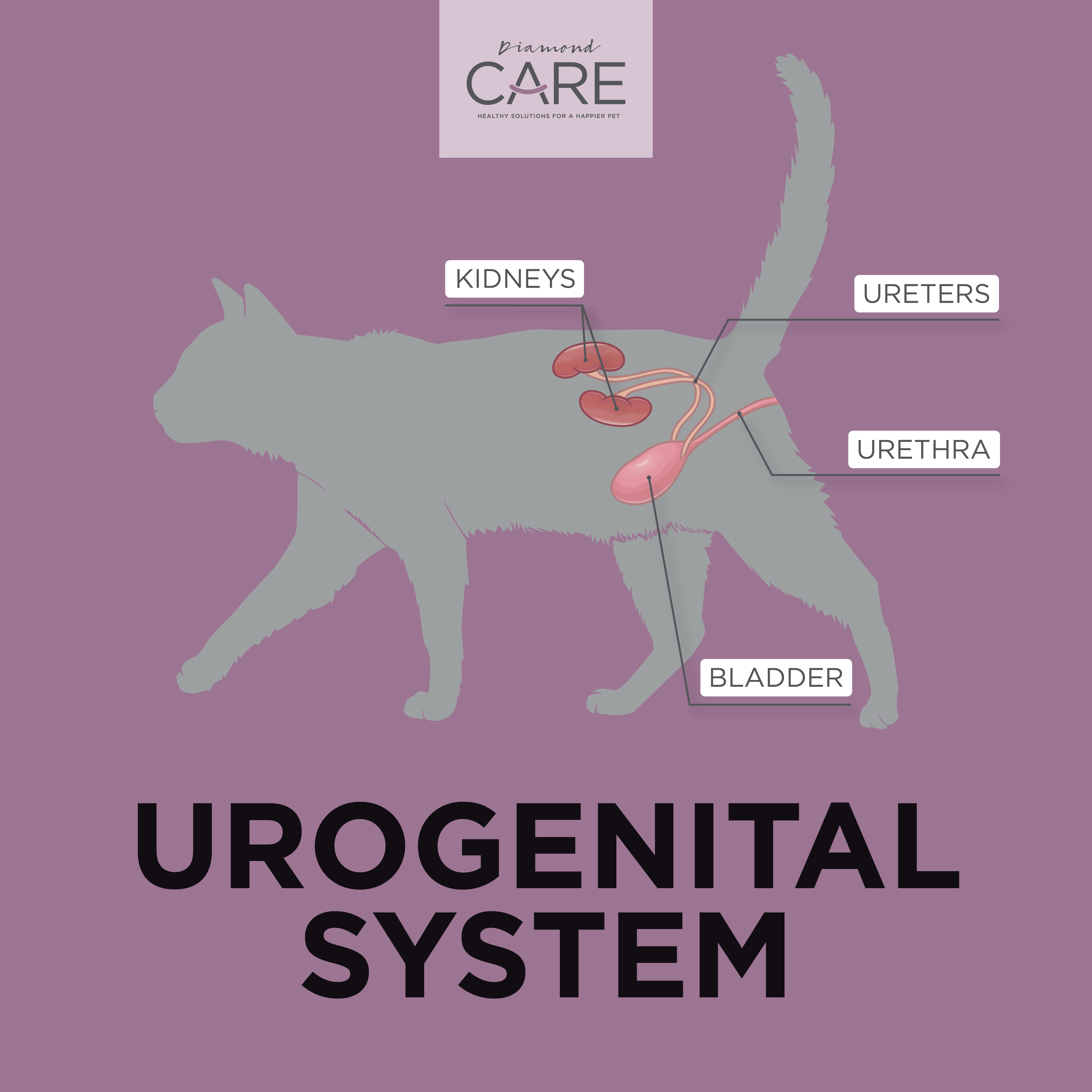
Credit: www.diamondpet.com
Frequently Asked Questions
What Are Common Causes Of Cat Utis?
Cat UTIs often result from bacterial infections, bladder stones, or poor hygiene. Stress and dehydration also increase risk. Identifying causes helps in prevention and treatment.
How Can Diet Prevent Cat Urinary Tract Infections?
Feeding wet food boosts hydration, which flushes the urinary tract. Avoiding high magnesium diets reduces stone formation. Balanced nutrition supports urinary health and lowers UTI chances.
What Are Early Signs Of A Cat Uti?
Frequent urination, straining, blood in urine, and licking the genital area signal UTIs. Early detection allows prompt treatment and prevents complications.
How Important Is Hydration In Preventing Cat Utis?
Hydration dilutes urine, flushes bacteria, and prevents crystal buildup. Always provide fresh water and encourage drinking to maintain urinary tract health.
Conclusion
Preventing cat UTIs needs simple, daily care. Keep your cat’s water fresh and clean. Offer wet food to help increase hydration. Clean the litter box often to avoid bacteria. Watch for any signs of discomfort or changes. Early action can stop serious problems from growing.
Regular vet visits keep your cat healthy and happy. Small steps make a big difference in prevention. Caring for your cat’s health is always worth it.

Lily Purrington is the founder of MyKittyPicks.com, a cozy corner of the web dedicated to helping cat lovers discover the best cat products, furniture, toys, and home decor ideas.
A lifelong cat enthusiast, Lily shares trusted tips, honest product recommendations, and stylish inspiration designed to keep kitties happy and homes beautiful.
Her mission is simple: to bring together practical advice and purr-fect picks that make life better for cats and the people who love them.


