
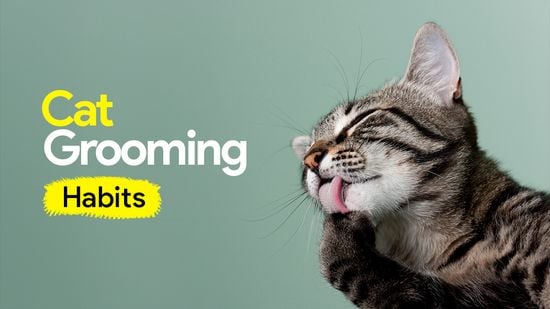
How often should you groom your cat? If you’ve ever wondered about the right timing and techniques to keep your feline friend looking and feeling their best, you’re not alone.
Grooming isn’t just about appearance—it affects your cat’s health and happiness too. You’ll discover simple tips to make grooming easy and stress-free for both you and your cat. Keep reading to find out how to create a grooming routine that fits your cat’s unique needs perfectly.
Grooming Frequency Basics
Knowing how often to groom a cat helps keep them healthy and happy. Grooming removes dirt, loose hair, and prevents mats. It also lets you check for skin problems early. The right grooming frequency depends on several key factors.
Factors Influencing Grooming Needs
Each cat’s grooming needs differ based on lifestyle and environment. Indoor cats usually need less frequent grooming than outdoor cats. Cats that shed a lot may require daily brushing. Stress and shedding cycles affect grooming frequency too. Regular grooming helps reduce hairballs and keeps the coat shiny.
Breed And Coat Type Differences
Short-haired cats often need less brushing than long-haired cats. Long-haired breeds, like Persians, need daily grooming to avoid mats. Some breeds have thick undercoats that shed seasonally. These cats benefit from extra grooming during shedding seasons. Understanding your cat’s coat type guides grooming routines.
Age And Health Considerations
Kittens usually need gentle grooming as they grow. Older cats might groom less due to arthritis or dental issues. Cats with health problems may need special grooming care. Regular grooming helps spot signs of illness early. Adjust grooming frequency based on your cat’s health and comfort.

Credit: www.purina.com
Tools For Effective Grooming
Effective grooming needs the right tools. These tools make the process easier and more comfortable for your cat. Choosing suitable grooming items helps keep your cat’s coat healthy and shiny. It also prevents skin problems and reduces shedding.
Choosing The Right Brush
Brushes come in various types for different coats. Use a soft-bristle brush for short-haired cats. Long-haired cats need a slicker brush to remove tangles. Brushing regularly stops mats and knots from forming. It also spreads natural oils for a healthy shine.
Using Combs And Nail Clippers
Combs help remove loose fur and check for fleas. A fine-tooth comb is great for sensitive areas like the face. Nail clippers keep your cat’s claws short and safe. Trim nails carefully to avoid hurting the quick, the sensitive part inside the nail.
Additional Grooming Accessories
- Grooming gloves for gentle massaging and fur removal.
- Pet wipes for cleaning paws and face between baths.
- Ear cleaners to keep ears free of dirt and wax.
- Toothbrushes and toothpaste for daily dental care.
Using these tools regularly makes grooming less stressful. It builds trust and keeps your cat happy and healthy.
Step-by-step Grooming Routine
Keeping your cat well-groomed is crucial for their health and happiness. A consistent grooming routine ensures your feline friend remains comfortable and clean. Let’s break down a detailed step-by-step grooming routine that will make your cat purr with delight.
Brushing Techniques
Regular brushing helps to remove loose hair and prevents mats. Use a soft-bristle brush for short-haired cats and a metal comb for long-haired breeds. Start from the head and gently work your way down to the tail, paying extra attention to areas prone to tangling, like behind the ears and under the legs.
Have you noticed how your cat reacts to brushing? Some may resist at first, but with time, it becomes a soothing ritual they look forward to.
Bathing Tips For Cats
Many cats are not fond of water, but occasional baths are necessary. Use a mild, cat-specific shampoo and lukewarm water. Wet their body gradually, avoiding the head, and gently lather the shampoo, then rinse thoroughly.
Consider using a showerhead or a cup for rinsing to ensure no residue is left. What creative ways have you found to make bath time less stressful for your cat?
Nail Trimming Guidelines
Regular nail trimming prevents overgrowth and reduces the risk of scratches. Use a cat-specific nail trimmer and gently press their paw to extend the nails. Trim only the sharp tips, avoiding the quick, which is visible as a pinkish area inside the nail.
Trimming nails every couple of weeks can be a bonding experience. Does your cat enjoy a treat after a successful trim?
Ear And Eye Cleaning
Clean ears and eyes are vital for your cat’s overall health. For ear cleaning, use a cotton ball slightly dampened with a vet-recommended solution. Gently wipe the outer ear without inserting anything into the ear canal.
For eyes, use a separate damp cotton ball to wipe away any discharge. Have you ever noticed how alert and lively your cat looks after a good ear and eye cleaning session?
Implementing these grooming steps regularly not only enhances your cat’s well-being but also strengthens your bond. How often do you engage in grooming sessions with your furry companion? Share your experiences in the comments!
Signs Your Cat Needs Extra Grooming
Knowing when your cat needs extra grooming can save you from stressful tangles and uncomfortable skin problems. Cats may not always show obvious signs, but subtle clues in their coat and skin can tell you when it’s time to step up your grooming routine. Have you ever noticed your cat hiding under the couch or scratching more than usual? These behaviors often signal grooming needs that shouldn’t be ignored.
Detecting Matted Fur
Matted fur feels tight and clumped, making your cat uncomfortable. You might notice patches of fur that look tangled or feel hard when you run your fingers through your cat’s coat. Long-haired cats or older cats that groom less often are especially prone to mats.
If you spot mats, don’t pull or cut them roughly—this can hurt your cat. Instead, use a wide-tooth comb to gently work through the tangles or seek professional help if the mats are severe. Regular brushing can prevent these painful clumps from forming in the first place.
Dealing With Shedding
Shedding is normal, but excessive hair loss can mean your cat needs more grooming. Look for fur scattered around your home or visible bald spots on your cat’s body. This can happen during seasonal changes or if your cat is stressed or unhealthy.
Adding frequent brushing sessions helps remove loose hair before it falls out everywhere. You can use a grooming glove or a soft brush to make your cat feel pampered while cutting down on shedding. Are you ready to reduce the mess and keep your cat’s coat shiny?
Spotting Skin Issues
Skin problems often hide beneath your cat’s fur but can cause itching and discomfort. Check for redness, bumps, scabs, or flaky skin during grooming sessions. These signs may indicate allergies, infections, or parasites that need attention.
If your cat is scratching more than usual or grooming one area obsessively, it’s time to inspect closely. Early detection lets you address skin issues before they worsen, keeping your cat healthy and happy. Have you noticed any unusual spots during your last grooming session?
Benefits Of Regular Grooming
Regular grooming offers many benefits for your cat’s health and happiness. It keeps their coat shiny and clean. Grooming also helps prevent common problems like hairballs. It creates a special time for bonding between you and your pet. Consistent grooming is key to a healthy and content cat.
Improving Coat Health
Brushing your cat removes dirt and loose hair. It spreads natural oils across the coat. This keeps fur soft and shiny. Grooming also helps spot skin problems early. Healthy skin supports a strong, beautiful coat.
Reducing Hairballs
Cats groom themselves by licking their fur. This can cause swallowed hair to form hairballs. Regular brushing removes loose fur before your cat swallows it. Less hair inside means fewer hairballs. It helps your cat feel more comfortable.
Strengthening Cat-owner Bond
Grooming time is a quiet moment together. Your cat learns to trust and relax with you. Gentle brushing can calm anxious cats. This shared activity builds love and friendship. It makes your cat feel safe and cared for.
Credit: temeculapetsalonandspa.com
Common Grooming Challenges
Grooming your cat regularly is essential, but it often comes with its own set of challenges. Cats are known for their independent nature, and not all of them enjoy being brushed or handled. Understanding common grooming difficulties can help you stay patient and find better ways to care for your feline friend.
Handling Uncooperative Cats
Many cats resist grooming because they feel trapped or uncomfortable. Instead of forcing the process, try to make grooming a positive experience. Use treats, gentle strokes, and short sessions to build trust.
Sometimes, changing the grooming tool can make a big difference. A soft brush or a comb designed for sensitive skin might be less intimidating. Have you noticed your cat responding better to one tool over another?
Managing Stress During Grooming
Stress can make grooming difficult for both you and your cat. Look for signs like flattened ears, twitching tail, or growling. If your cat shows these, pause and let them calm down.
Create a calm environment by choosing a quiet room and grooming at times when your cat is relaxed, such as after a nap. Using calming sprays or pheromone diffusers may also help reduce anxiety.
When To Seek Professional Help
Sometimes, grooming challenges require expert intervention. If your cat has severe mats, skin infections, or becomes aggressive during grooming, it’s time to see a professional groomer or vet. They have the tools and experience to handle difficult cases safely.
Remember, it’s okay to ask for help. Your cat’s comfort and safety come first, and professionals can offer solutions you might not have considered. What signs tell you it’s time to hand over grooming duties?

Credit: danspetcare.com
Frequently Asked Questions
How Often Should I Groom My Cat?
You should groom your cat at least once a week. Long-haired cats need grooming two to three times weekly. Regular grooming prevents mats, reduces shedding, and keeps your cat’s coat healthy and clean.
Does Grooming Reduce Cat Hair Shedding?
Yes, grooming significantly reduces cat hair shedding. Brushing removes loose fur before it falls off around your home. It also distributes natural oils, improving coat health and shine.
Can Grooming Prevent Cat Hairballs?
Regular grooming helps prevent hairballs. Brushing removes loose hair your cat might ingest while licking. This reduces the amount of hair swallowed, decreasing hairball formation and digestive issues.
What Tools Are Best For Grooming Cats?
Use a soft-bristle brush or a fine-toothed comb. For long-haired cats, a slicker brush works well. Choose tools suitable for your cat’s fur type to ensure comfort and effectiveness.
Conclusion
Grooming your cat regularly keeps its coat clean and healthy. Short-haired cats need grooming once a week or less. Long-haired cats require brushing several times each week. Watch your cat’s behavior to spot any skin issues early. A gentle grooming routine also strengthens your bond.
Keep grooming tools handy and use them gently. Consistent care helps prevent hairballs and matting. Remember, a happy cat is often a well-groomed cat. Make grooming a simple part of your pet’s life. Your cat will thank you with purrs and cuddles.

Lily Purrington is the founder of MyKittyPicks.com, a cozy corner of the web dedicated to helping cat lovers discover the best cat products, furniture, toys, and home decor ideas.
A lifelong cat enthusiast, Lily shares trusted tips, honest product recommendations, and stylish inspiration designed to keep kitties happy and homes beautiful.
Her mission is simple: to bring together practical advice and purr-fect picks that make life better for cats and the people who love them.


