

Are you thinking about bringing a cat into your home but wondering if it’s truly safe? You’re not alone.
Many people worry about the risks and challenges of keeping a cat indoors. What if your furry friend causes damage? Or what if they bring health issues? This article will answer your biggest questions and help you feel confident about having a cat at home.
Keep reading to discover how you can create a safe, happy space for both you and your cat.
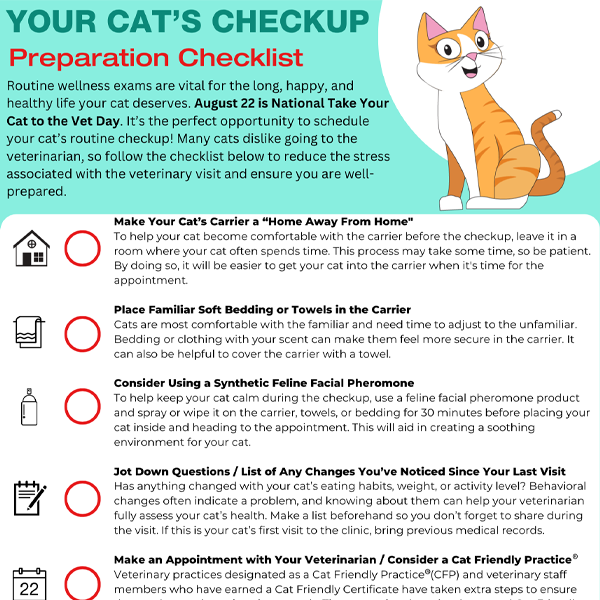
Credit: catfriendly.com
Health Benefits Of Having A Cat
Having a cat at home offers more than just companionship. Cats can positively impact your health in surprising ways. From easing emotional struggles to protecting your heart and even influencing your children’s immune system, the benefits of cat ownership are worth considering.
Emotional Support And Stress Relief
Cats have a unique way of calming your mind. Their gentle purring and soft fur can reduce feelings of anxiety and loneliness. When you stroke your cat, your body releases oxytocin, a hormone that lifts your mood and lowers stress.
Think about times when your day felt overwhelming. Did spending a few minutes with your cat help you feel more relaxed? Many cat owners find that the simple act of caring for their pet creates a comforting daily routine that improves mental health.
Improved Heart Health
Owning a cat is linked to better heart health. Studies show that cat owners often have lower blood pressure and reduced risk of heart attacks. The calming presence of a cat can help control stress hormones that strain your heart.
Have you noticed your heart rate slowing when your cat curls up beside you? This connection between cats and heart health can be a powerful reason to welcome a feline friend into your home.
Allergy Prevention In Children
Exposure to cats early in life may help children build stronger immune systems. Kids raised around cats are often less likely to develop allergies and asthma. The presence of a cat introduces harmless allergens that train the immune system to react less aggressively.
Do you have children or plan to? Having a cat around might protect them from certain allergies, giving them a healthier start. This benefit can make living with a cat even more rewarding for families.
Potential Health Risks
Keeping a cat at home can bring joy and companionship, but it’s important to be aware of the potential health risks involved. Understanding these risks helps you create a safer environment for both your family and your feline friend. Let’s look closely at some health concerns that might affect you and your cat.
Common Allergies To Cats
Cat allergies are more common than many realize. Symptoms can include sneezing, itchy eyes, and skin rashes. These reactions happen because of proteins found in cat saliva, dander, and urine.
If you or someone in your home has allergies, ask yourself: how severe could the reaction be? Some people might manage mild symptoms with air purifiers and frequent cleaning, but others may need to limit contact with cats entirely.
Zoonotic Diseases To Watch For
Zoonotic diseases are illnesses that can pass from cats to humans. Common ones include ringworm, toxoplasmosis, and cat scratch disease.
For example, toxoplasmosis poses a risk especially to pregnant women because it can harm unborn babies. Simple hygiene measures like washing hands after handling litter can drastically lower this risk.
Preventing Parasites And Infections
Parasites like fleas, ticks, and intestinal worms don’t just bother your cat; they can also affect your health. Regular veterinary check-ups and flea control treatments keep these pests in check.
- Keep your cat’s vaccinations up to date.
- Clean the litter box daily and wear gloves if possible.
- Inspect your cat regularly for signs of parasites.
Have you thought about how often you clean your cat’s environment? Small habits can make a big difference in preventing infections for both you and your pet.
Safety Tips For Cat Owners
Keeping a cat at home is a joy, but it comes with responsibilities to ensure both your pet’s safety and your own. Being proactive about safety helps prevent accidents and health issues, making your home a secure place for your feline friend. Here are some key tips you can apply right away.
Maintaining A Clean Living Environment
A clean home reduces the risk of your cat encountering harmful substances. Regularly wash their bedding, toys, and litter boxes to keep germs and parasites at bay.
Check for small objects or plants that could be toxic if ingested. Did you know certain common houseplants like lilies are highly poisonous to cats?
Keeping food and chemicals out of reach is crucial. You wouldn’t want your cat to nibble on cleaning supplies or leftover food that could upset their stomach.
Regular Veterinary Care
Routine vet visits catch health issues before they become serious. Vaccinations, parasite control, and dental check-ups are essential parts of your cat’s health plan.
Think about the last time your cat had a wellness exam. If it’s been over a year, scheduling one soon can save you stress and money down the line.
Spaying or neutering your cat also plays a big role in their overall safety and behavior, reducing risks like roaming or fighting.
Safe Handling And Interaction
How you handle your cat affects their comfort and safety. Always support their body fully and avoid sudden movements that may startle them.
Respect your cat’s space—if they walk away or show signs of stress, give them time to relax. This prevents bites or scratches, which can happen when cats feel threatened.
Teach children how to gently interact with your cat. This helps build a loving relationship while keeping both safe.

Credit: justcatsclinic.com
Cat Behavior And Household Safety
Keeping a cat at home brings joy and companionship. Understanding their behavior helps create a safe space. Cats have unique personalities and needs. Recognizing their temperament aids in preventing risks. Safety in the household depends on how well you know your cat.
Understanding Cat Temperament
Cats show different moods and reactions. Some are calm and friendly, while others are shy or skittish. Observing body language helps read their feelings. Tail position, ear movement, and eye contact matter. Respecting a cat’s space reduces stress and aggression.
Each cat adapts to home life differently. Some cats love to play often. Others prefer quiet resting spots. Knowing these traits helps owners manage expectations. Routine and gentle handling make cats feel secure.
Preventing Accidents And Injuries
Household hazards can harm cats. Sharp objects, toxic plants, and small items pose risks. Cats may chew on wires or swallow unsafe materials. Keep dangerous items out of reach.
- Cover electrical cords
- Remove toxic plants like lilies
- Secure small objects such as rubber bands
- Store cleaning products safely
Regularly check windows and balconies. Ensure they are secure to stop falls. Provide scratching posts to protect furniture and claws. A safe environment lowers injury chances.
Child And Pet Interaction Guidelines
Children and cats can form strong bonds. Teaching kids gentle touch is essential. Explain that pulling tails or ears hurts cats. Supervise all interactions to avoid accidents.
- Show children how to pet softly
- Encourage calm behavior around cats
- Set boundaries for playtime
- Teach kids to recognize cat signals of discomfort
Respecting the cat’s need for alone time prevents stress. Safe, positive experiences build trust between children and pets.
Environmental Considerations
Environmental considerations play a key role in deciding whether to keep your cat indoors or allow outdoor adventures. Your choices impact not only your pet’s safety but also the local ecosystem and wildlife. Understanding these factors helps you make smarter decisions that benefit both your cat and the environment around you.
Safe Indoor Vs. Outdoor Cat Life
Keeping your cat indoors protects them from dangers like traffic, predators, and disease. Indoor cats often live longer and stay healthier, but they need mental and physical stimulation to stay happy. If you let your cat outside, consider supervised outings or a secure cat enclosure to reduce risks.
Outdoor cats can explore and exercise naturally, but they face threats that indoor cats avoid. Ask yourself: does the local environment support safe outdoor play, or does it increase risks for your pet? Your decision should balance your cat’s well-being with the safety of the environment.
Protecting Wildlife And Ecosystems
Cats are natural hunters, and outdoor cats can significantly affect local bird and small mammal populations. This impact can disrupt local ecosystems, especially in areas with vulnerable wildlife. By keeping your cat indoors or controlling their outdoor time, you help protect native species and maintain ecological balance.
Think about the wildlife around your home. Are there endangered birds or small animals nearby? Simple actions like using a bell on your cat’s collar can reduce hunting success and protect local fauna.
Sustainable Cat Care Practices
Eco-friendly cat care starts with small choices that add up. Use biodegradable litter, avoid plastic toys, and choose sustainably made cat food to reduce your environmental footprint. Even switching to refillable water containers and reusable feeding bowls makes a difference.
Try creating a cat garden with native plants that attract safe insects and provide natural enrichment. These practices not only support your cat’s health but also contribute to a greener home environment. How can you make your cat’s daily routine more sustainable today?
Credit: www.rspcansw.org.au
Frequently Asked Questions
Is It Safe To Keep A Cat Indoors?
Yes, keeping a cat indoors is generally safe. Indoor cats avoid traffic, predators, and diseases. It also protects local wildlife. Proper care ensures their health and happiness inside your home.
Can Cats Carry Diseases Harmful To Humans?
Cats can carry some diseases, but the risk is low. Regular vet check-ups and hygiene reduce chances of transmission. Handling cats gently and cleaning litter boxes often keeps you safe.
What Precautions Ensure A Cat’s Safety At Home?
Keep toxic plants, chemicals, and small objects out of reach. Provide a cozy space, fresh water, and nutritious food. Regular vet visits and vaccinations protect your cat’s health indoors.
Do Cats Cause Allergies Or Health Issues At Home?
Some people may develop allergies from cat dander. Regular cleaning and air filtration reduce allergens. Most cats do not cause serious health problems for healthy individuals.
Conclusion
Cats can make wonderful companions at home. They bring joy and comfort. Keeping a cat is generally safe and rewarding. Ensure you provide proper care and attention. Regular vet visits are important for their health. Create a safe environment free from hazards.
Cats need love, play, and space to explore. Their presence can reduce stress and boost happiness. Remember to be patient and understanding. Every cat has a unique personality. Enjoy the experience of having a feline friend. It can enrich your life in many ways.

Lily Purrington is the founder of MyKittyPicks.com, a cozy corner of the web dedicated to helping cat lovers discover the best cat products, furniture, toys, and home decor ideas.
A lifelong cat enthusiast, Lily shares trusted tips, honest product recommendations, and stylish inspiration designed to keep kitties happy and homes beautiful.
Her mission is simple: to bring together practical advice and purr-fect picks that make life better for cats and the people who love them.


