

Have you ever wondered what happens after a simple scratch from your cat? While most scratches heal quickly, some can lead to a surprising and uncomfortable illness called Cat Scratch Disease.
Understanding what causes this condition is important for keeping both you and your furry friend safe. You’ll discover the hidden risks behind a cat scratch and how to protect yourself. Keep reading to learn what triggers Cat Scratch Disease and what steps you can take to stay healthy.

Credit: indianexpress.com
Cat Scratch Disease Basics
Cat scratch disease is an infection caused by bacteria from cats. It usually happens after a scratch or bite from a cat. Most people get better without treatment.
This disease mostly affects children and young adults. Knowing the signs helps to get care early and avoid complications.
What Is Cat Scratch Disease?
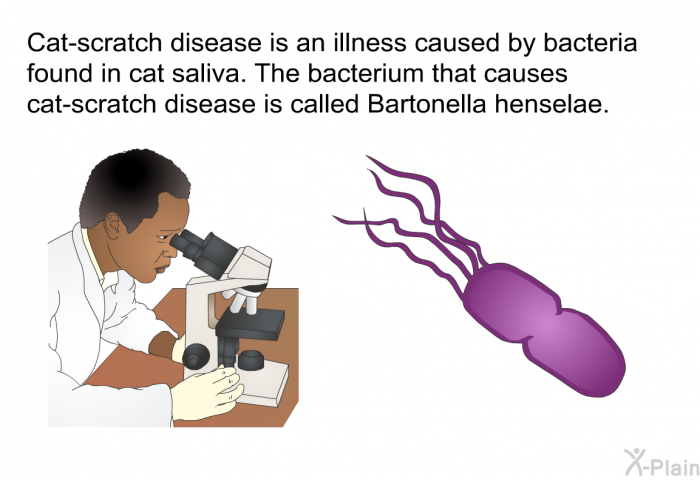
Cat scratch disease is caused by Bartonella henselae bacteria. Cats carry this bacteria in their saliva and on their claws. When a cat scratches or bites, the bacteria can enter the skin.
The infection is not spread from person to person. It often starts with a small sore or bump at the injury site. This sore can last for days or weeks.
Common Symptoms To Watch For
Symptoms usually appear within one to two weeks after a cat scratch or bite. They can range from mild to more severe signs.
- Swollen and tender lymph nodes near the scratch or bite
- Fever that lasts several days
- Fatigue and headache
- Loss of appetite
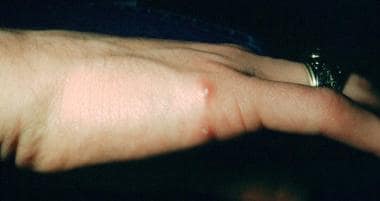
- Red bump or blister at the scratch or bite site
| Symptom | Description |
| Swollen Lymph Nodes | Usually near the injury, painful to touch |
| Fever | Low to moderate, lasting a few days |
| Fatigue | Feeling tired and weak |
| Skin Lesion | Red bump or blister at the scratch site |
Credit: www.patedu.com
How Cats Transmit The Disease
Cat Scratch Disease is caused by bacteria that cats can carry. People catch it mostly through contact with cats.
This disease spreads in different ways. Understanding how cats transmit it helps to prevent infection.
Role Of Cat Scratches And Bites
Cats often carry Bartonella henselae bacteria in their saliva. When a cat scratches or bites, the bacteria can enter the skin. This causes Cat Scratch Disease in humans.
- Cat scratches break the skin and allow bacteria to enter.
- Bites transfer bacteria deeper into tissues.
- Even small wounds can cause infection.
- Infected cats may not show signs of illness.
Fleas As Disease Carriers
Fleas play a key role in spreading the bacteria among cats. Fleas pick up the bacteria from infected cats and pass it to others.
| Flea Role | Effect on Disease Spread |
| Carry bacteria on body | Infect healthy cats |
| Flea feces contain bacteria | Contaminate cat fur and skin |
| Fleas bite cats | Transfer bacteria into blood |
| Fleas move between cats | Increase infection rates |
Bacteria Behind The Illness
Cat scratch disease is caused by a small type of bacteria. These bacteria live mostly in cats and can spread to humans.
Understanding the bacteria helps us learn how the disease starts and spreads.
Bartonella Henselae Explained
Bartonella henselae is the name of the bacteria that causes cat scratch disease. It is a tiny germ that lives in cat’s blood.
- The bacteria do not usually make cats sick.
- Fleas carry the bacteria between cats.
- Humans get infected when scratched or bitten by a cat.
- Sometimes, the bacteria enter the body through a cat lick on broken skin.
How The Bacteria Infects Humans
When Bartonella henselae enters the human body, it causes swelling and pain near the scratch or bite.
| Infection Stage | What Happens |
| Entry | Bacteria enter through skin scratches or bites |
| Spread | Bacteria move to nearby lymph nodes |
| Symptoms | Swelling, redness, and sometimes fever appear |
| Immune Response | Body fights bacteria, causing inflammation |
Risk Factors For Infection
Cat Scratch Disease is caused by bacteria spread mainly through cat scratches or bites. Certain factors increase the chance of getting this infection.
Understanding who is most vulnerable and how environment or lifestyle affects risk can help prevent the disease.
Who Is Most Vulnerable?
Children and young adults catch Cat Scratch Disease more often. Their immune systems may not be fully strong yet. People with weak immune systems also face higher risks.
- Children under 15 years old
- People with HIV or AIDS
- Patients undergoing chemotherapy
- Organ transplant recipients
- Older adults with chronic illnesses
Environmental And Lifestyle Influences
| Factor | Effect on Infection Risk |
| Living with Cats | High risk due to close contact and scratches |
| Outdoor Activities | Increased chance of encountering stray cats |
| Poor Hygiene | Higher risk of bacteria entering wounds |
| Living in Warm Climates | Bartonella bacteria thrive more in warm areas |
| Handling Kittens | Greater risk as kittens carry bacteria more often |
Unexpected Sources Of Infection
Cat Scratch Disease comes from bacteria found in cats. Most people think only pet cats can spread it. Some surprising sources also exist. Knowing these helps keep you safe.
Not only direct cat scratches cause infection. Sometimes, other ways can bring the disease to humans. These include stray cats and objects contaminated with bacteria.
Stray Cats And Outdoor Exposure
Stray cats often carry the bacteria that cause Cat Scratch Disease. They live outside without regular care. This increases the chance they have fleas and infections.
People who spend time outdoors near stray cats risk scratches or bites. These cats may not show signs of illness but can still spread the disease.
- Stray cats have more fleas carrying bacteria
- Outdoor cats are less likely to get medical treatment
- Scratches or bites from stray cats can infect humans
Transmission Through Contaminated Objects
Bacteria can live on objects touched by infected cats. Items like bedding, food bowls, or toys may carry germs. Touching these and then your skin can cause infection.
Cleaning these objects carefully helps reduce risk. Avoid sharing cat items with others to prevent spreading bacteria.
- Cat claws and saliva can contaminate objects
- Bacteria survive for short times on surfaces
- Touching contaminated items and then your skin may infect you
Credit: emedicine.medscape.com
Preventing Cat Scratch Disease
Cat Scratch Disease is an infection caused by bacteria. It spreads through a cat scratch or bite. Prevention is key to staying healthy.
Understanding how to handle cats and control fleas can reduce the risk of infection. Follow these steps to keep you and your pet safe.
Safe Handling Of Cats
Handling cats with care is important. Cats may scratch or bite if frightened or agitated. Learn how to interact with them safely.
Teach children to be gentle with cats. Avoid rough play and respect the cat’s space. Watch for signs of stress in your pet.
- Do not disturb cats while they are eating or sleeping
- Use toys instead of hands during playtime
- Provide a safe retreat for your cat to relax
Flea Control Measures
Fleas can carry the bacteria that cause Cat Scratch Disease. Keeping fleas away from your cat is crucial. Regular flea control helps.
Consult a veterinarian for the best flea treatment. Keep your home clean to reduce flea infestations. Regularly wash your pet’s bedding.
- Use vet-recommended flea treatments on your cat
- Vacuum carpets and furniture frequently
- Bathe your cat as advised by a veterinarian
When To Seek Medical Help
Cat scratch disease can cause mild to severe symptoms. It’s important to know when to see a doctor.
If you experience severe symptoms, don’t delay seeking medical advice. Early treatment can prevent complications.
Signs Of Severe Infection
Some symptoms may indicate a serious infection. These should be monitored closely.
- Fever that lasts several days
- Severe headache or confusion
- Swollen lymph nodes that are very painful
- Fatigue or weakness that doesn’t improve
Diagnostic Tests And Treatment Options
Doctors use tests to diagnose cat scratch disease. Treatments vary based on symptoms and severity.
| Test Type | Description |
| Blood Test | Checks for infection markers |
| Biopsy | Examines swollen lymph nodes |
| Imaging | Scans to assess internal organs |
Frequently Asked Questions
What Is The Main Cause Of Cat Scratch Disease?
Cat Scratch Disease is caused by the bacteria Bartonella henselae. It spreads through scratches or bites from infected cats. Fleas on cats can also transmit the bacteria. This disease commonly affects people who have close contact with cats, especially kittens.
How Do Cats Transmit Cat Scratch Disease?
Cats transmit the disease through their scratches, bites, or saliva. The bacteria live on their claws and mouths. When a cat scratches or bites a person, the bacteria enter the skin, causing infection. Flea bites on cats can also spread the bacteria to humans.
What Are The Common Symptoms Of Cat Scratch Disease?
Common symptoms include swollen lymph nodes, fever, fatigue, and headache. The infection site may show redness and swelling. Symptoms usually appear within 1 to 2 weeks after a cat scratch or bite. Most cases resolve without treatment but may need medical care if severe.
Can Cat Scratch Disease Be Prevented?
Yes, prevention includes avoiding rough play with cats and cleaning wounds promptly. Regular flea control on cats reduces the risk. Washing hands after handling cats also helps. Avoiding stray or sick cats reduces the chance of infection.
Conclusion
Cat Scratch Disease happens after a cat scratch or bite. The bacteria live in cats’ claws and mouths. Most people recover quickly with simple care. Watch for symptoms like swollen lymph nodes or fever. Clean any cat scratches right away to avoid infection.
Keep your pets clean and check their health regularly. Understanding the cause helps protect you and your family. Stay aware, stay safe around cats. Prevention is the best way to avoid illness.

Lily Purrington is the founder of MyKittyPicks.com, a cozy corner of the web dedicated to helping cat lovers discover the best cat products, furniture, toys, and home decor ideas.
A lifelong cat enthusiast, Lily shares trusted tips, honest product recommendations, and stylish inspiration designed to keep kitties happy and homes beautiful.
Her mission is simple: to bring together practical advice and purr-fect picks that make life better for cats and the people who love them.


