

Are you sure your indoor cat is safe from fleas and ticks? Many cat owners believe that keeping their pets inside means they don’t need protection against these pesky parasites.
But the truth might surprise you. Fleas and ticks can sneak into your home in ways you never expected, putting your cat’s health at risk. If you want to keep your furry friend happy and healthy, it’s important to know whether flea and tick prevention is necessary—even for indoor cats.
Keep reading to discover what you need to watch out for and how to protect your beloved pet.
Risks Of Fleas And Ticks Indoors
Fleas and ticks can cause health problems for cats and humans. These pests carry diseases and cause itching. Indoor cats are not fully safe from these pests.
Understanding how fleas and ticks get inside helps keep your home pest-free. It also protects your cat from bites and infections.
How Fleas And Ticks Enter The Home
Fleas and ticks often enter homes through pets or people. Even indoor cats can bring these pests inside. Visitors and other animals can also carry fleas and ticks indoors.
- Pets going outside and returning with pests on fur
- Humans bringing fleas or ticks on clothes or shoes
- Rodents or wildlife entering the home
- Other pets or new animals introduced to the house
Common Indoor Exposure Scenarios
Fleas and ticks can live in carpets, bedding, and furniture. They can bite indoor cats and spread quickly. Homes with multiple pets have higher risks.
| Scenario | Risk Level | Notes |
| Cat allowed outside | High | Cat can pick up fleas and ticks easily |
| Visitors with pets | Medium | Visitors may carry pests unknowingly |
| Rodents in attic or basement | Medium | Rodents can bring fleas inside |
| New pet introduced | High | New animals may carry fleas or ticks |
| Strict indoor-only cat | Low | Lower risk but not zero |
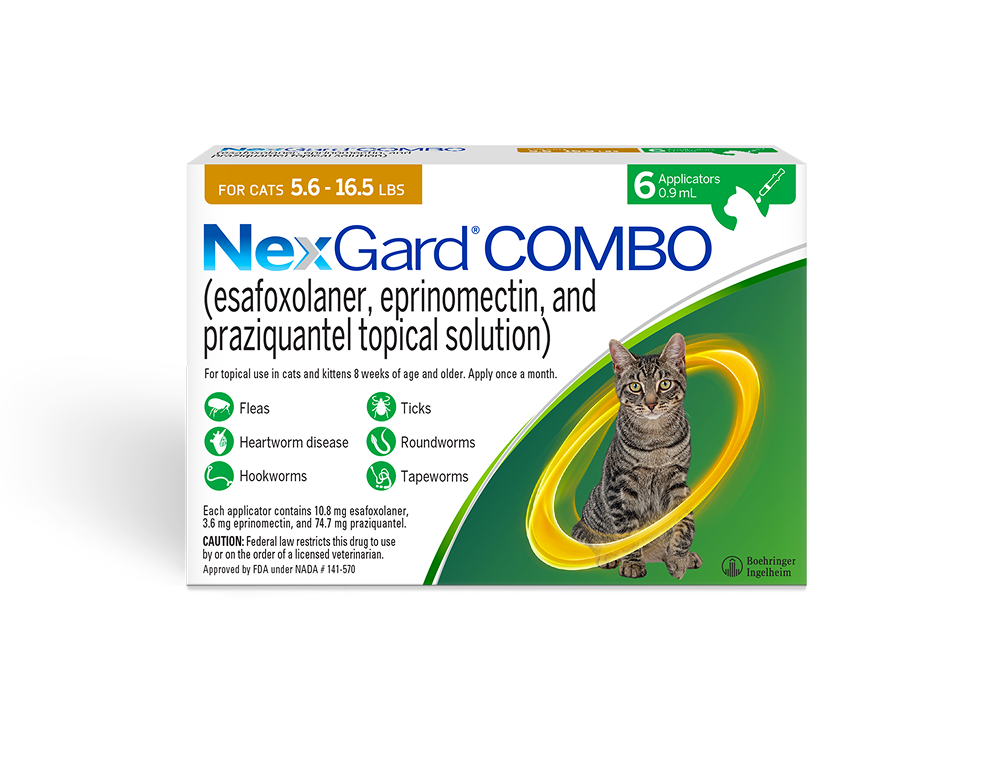
Credit: nexgardforpets.com
Health Impact On Indoor Cats
Indoor cats may seem safe from fleas and ticks. But these pests can still affect them. Fleas and ticks carry diseases that harm your cat’s health.
Even if your cat never goes outside, fleas or ticks can enter your home. They can hitch a ride on people or other pets. Preventing these pests helps keep your cat healthy.
Flea And Tick Related Diseases
Fleas and ticks spread several diseases to cats. These illnesses cause serious health problems. Some can even be life-threatening if not treated.
Fleas can cause anemia by sucking your cat’s blood. They also carry tapeworms and bacteria that cause infections. Ticks spread Lyme disease and other infections that affect your cat’s joints and organs.
- Flea allergy dermatitis causes skin irritation and itching
- Tapeworms lead to digestive issues and weight loss
- Lyme disease causes fever, fatigue, and joint pain
- Tick paralysis can cause weakness and breathing problems
Symptoms To Watch For
Check your cat often for signs of fleas or ticks. Early detection helps prevent serious health issues. Watch your cat’s skin and behavior closely.
Common symptoms include itching, redness, and hair loss. Your cat may also scratch or bite itself more than usual. Look for small bugs or black spots on the skin.
- Excessive scratching or grooming
- Red or irritated skin
- Visible fleas or ticks on fur
- Hair loss in patches
- Restlessness or irritability
- Weakness or trouble walking
Effective Prevention Options
Indoor cats can still get fleas and ticks. These pests enter homes on people or other pets. Preventing infestations is important to keep cats healthy.
There are several ways to protect indoor cats from fleas and ticks. Each method has its benefits and uses. Choose the best option for your cat’s needs.
Topical Treatments
Topical treatments are liquids applied to the cat’s skin. These treatments kill fleas and ticks quickly. They usually last for a month and are easy to use.
Apply the treatment between the cat’s shoulder blades. It spreads over the skin and fur to protect the cat. Always follow the product instructions for safety.
Oral Medications
Oral medications come in pill or chew form. They work from inside the cat’s body to kill fleas and ticks. These medicines act fast and can last from one month to three months.
- Give the pill or chew as directed by your vet.
- Monitor your cat for any side effects.
- Keep a schedule to give doses on time.
Collars And Natural Remedies
Collars offer long-lasting protection. They release chemicals that repel fleas and ticks. Some collars work for several months. Natural remedies include essential oils and herbal sprays.
| Method | Duration | Notes |
| Flea and Tick Collar | 3 to 8 months | Check for fit and replace if damaged |
| Essential Oil Spray | Varies | Use only vet-approved oils, avoid direct contact with eyes |
| Herbal Shampoo | Until next bath | Helps reduce pests but not a full protection |

Credit: www.splootvets.com
Choosing The Right Product
Indoor cats can still get fleas and ticks. Picking the right prevention product is key to keeping them safe.
There are many options like collars, sprays, and spot-on treatments. Choosing the best one depends on your cat’s needs.
Safety Considerations
Some flea and tick products can harm cats if not used correctly. Always check the label to make sure it is safe for indoor cats.
Avoid products made for dogs, as these can be toxic to cats. Also, look for products that do not contain harmful chemicals.
- Use only cat-approved treatments
- Follow the application instructions carefully
- Watch for signs of allergic reactions
- Keep the product away from your cat’s eyes and mouth
Consulting Your Veterinarian
Your vet can help you pick the safest and most effective flea and tick prevention. They know your cat’s health history.
Discuss your cat’s lifestyle and any allergies before buying a product. Your vet can also show you how to apply it properly.
- Ask about product options for indoor cats
- Check if your cat needs a specific treatment
- Get advice on how often to apply prevention
- Report any side effects to your vet immediately
Additional Tips For Flea And Tick Control
Fleas and ticks can still affect indoor cats. It is important to keep your home clean and check all pets regularly. These steps help stop pests from spreading.
Use safe products and stay aware of signs of fleas or ticks. Prevention is easier than treatment.
Regular Cleaning And Vacuuming
Cleaning your home often removes fleas, ticks, and their eggs. Focus on areas your cat visits most.
- Vacuum carpets, rugs, and furniture weekly.
- Wash cat bedding in hot water every week.
- Clean cracks and corners where pests hide.
- Use a vacuum with a strong suction to catch all pests.
Checking Other Pets And Household Members
Fleas and ticks can spread from other pets or people. Check everyone regularly to prevent infestations.
| Who to Check | What to Look For |
| Dogs | Fleas, ticks, scratching, redness |
| Other Cats | Fleas, ticks, hair loss, itching |
| Family Members | Bites, red spots, itching |

Credit: www.splootvets.com
Frequently Asked Questions
Do Indoor Cats Really Need Flea And Tick Prevention?
Yes, indoor cats can still get fleas and ticks. These pests can enter through open doors, windows, or humans. Prevention helps protect your cat from discomfort and diseases. Regular treatments reduce the risk and keep your pet healthy indoors.
How Do Fleas And Ticks Affect Indoor Cats?
Fleas cause itching, skin irritation, and allergies. Ticks can transmit serious diseases like Lyme disease. Indoor cats are not immune. Early prevention avoids infestations and health problems. Protecting your cat ensures comfort and safety.
What Are The Best Flea And Tick Preventatives For Indoor Cats?
Top options include topical treatments, oral medications, and collars. Consult your vet to choose the safest product. Effective preventatives kill and repel pests quickly. Using vet-recommended products ensures your indoor cat stays pest-free and healthy.
Can Fleas And Ticks Survive Inside A Home?
Yes, fleas can survive and breed indoors, especially in carpets and furniture. Ticks are less common indoors but can hitchhike on pets or humans. Regular cleaning and preventive treatments help eliminate these pests. Keeping your home clean supports flea and tick control.
Conclusion
Indoor cats can still face risks from fleas and ticks. These pests may enter your home on clothing or other pets. Preventing fleas and ticks keeps your cat healthy and comfortable. Regular checks and proper treatments help avoid infestations. Protecting your indoor cat is a smart and caring choice.
Stay alert to signs of pests to act quickly. Simple steps can make a big difference in your cat’s wellbeing. Keep your indoor cat safe from unwanted guests all year.

Lily Purrington is the founder of MyKittyPicks.com, a cozy corner of the web dedicated to helping cat lovers discover the best cat products, furniture, toys, and home decor ideas.
A lifelong cat enthusiast, Lily shares trusted tips, honest product recommendations, and stylish inspiration designed to keep kitties happy and homes beautiful.
Her mission is simple: to bring together practical advice and purr-fect picks that make life better for cats and the people who love them.


