

Ever find yourself wondering, “Why does my cat walk around the house meowing?” You’re not alone.
Many cat owners have experienced this puzzling behavior and are eager to understand what’s behind it. Imagine this: you’re relaxing after a long day, and suddenly, your feline friend starts pacing around, meowing as if they have something crucial to say.
It can be both intriguing and a little concerning, right? Understanding your cat’s vocal behavior can be the key to unlocking a deeper bond with them. By deciphering these mysterious meows, you can better meet their needs and ensure they’re happy and content. Are they trying to tell you something important? Is it a call for attention, or perhaps they’re feeling a bit under the weather? Stick around as we uncover the reasons behind your cat’s meowing and how you can respond to make your home a haven for your furry companion.

Credit: www.reddit.com
Common Reasons Cats Meow Indoors
Cats meow indoors for several common reasons that reflect their needs and feelings. Understanding these reasons can help you respond better to your feline friend’s calls. Let’s look at some typical causes of indoor meowing and how you can address them.
Seeking Attention
Your cat may walk around meowing because it wants your attention. Cats quickly learn that vocalizing gets you to look at them or play. If you ignore these meows, your cat might become more persistent, so try giving them some focused time.
Think about the last time your cat meowed at you—did you stop what you were doing to pet or talk to them? This behavior often means they crave interaction or reassurance from you.
Hunger Or Thirst
Meowing can be your cat’s way of telling you it’s hungry or thirsty. Cats often vocalize near their food bowls when they want a meal or fresh water. If meows occur around feeding times or after a while without food, try offering a small snack or checking their water bowl.
Setting a regular feeding schedule helps reduce these meows. Have you noticed if your cat’s meowing spikes before mealtime?
Boredom And Loneliness
Indoor cats can get bored or lonely, especially if left alone for long periods. Meowing while walking around may be a sign they want stimulation or companionship. Providing toys, scratching posts, or even a window perch can keep them entertained and quiet.
If you work long hours, consider interactive toys or puzzle feeders to engage your cat. Could your cat’s meowing be a call for more playtime?
Stress And Anxiety
Stressful changes like new people, moving furniture, or loud noises can make your cat vocalize more. Anxiety often causes restless pacing and persistent meowing as they try to cope. Creating a calm environment with safe hiding spots can help ease their discomfort.
Have you recently changed your routine or environment? Noticing these triggers can help you reduce your cat’s stress and related meowing.

Credit: www.reddit.com
Health Issues Behind Excessive Meowing
Excessive meowing in cats can be more than just a quirk—it often signals that something is wrong with their health. If your feline friend suddenly starts walking around the house meowing persistently, it’s essential to consider underlying health issues. Understanding these causes can help you respond appropriately and ensure your cat gets the care it needs.
Pain Or Discomfort
Cats can’t tell you when they’re hurting, but their meowing often gives clues. If your cat is in pain due to injury, arthritis, or dental problems, it may vocalize more to seek attention or express distress. Watch for signs like limping, hiding, or sensitivity when touched alongside the meowing.
Have you noticed your cat meowing after jumping or moving? It might be a subtle sign of discomfort that deserves a vet visit.
Cognitive Dysfunction In Older Cats
Older cats sometimes develop cognitive dysfunction syndrome, similar to dementia in humans. This condition can cause confusion, anxiety, and increased vocalization, especially at night or in unfamiliar settings. Your cat’s meowing might be a way to communicate disorientation or fear.
Consider whether your aging cat’s meows are different than usual or happen at odd times. These changes often indicate cognitive issues rather than just attention-seeking.
Thyroid Problems
Hyperthyroidism is a common condition in older cats where the thyroid gland produces too much hormone. This imbalance can lead to restlessness and excessive vocalization as your cat’s metabolism speeds up. You might notice weight loss and increased appetite alongside the meowing.
If your cat seems unusually active and vocal, have a vet check the thyroid function to rule out this treatable condition.
Sensory Decline
Loss of hearing or vision can confuse your cat and increase its need to communicate vocally. When cats can’t rely on their senses, they may meow more to seek reassurance or guide themselves around the house. Changes in your cat’s environment can also trigger this behavior if sensory decline is at play.
Think about how your cat’s meowing changes when lights are off or in noisy environments. Sensory decline might be making your cat feel vulnerable and prompting more vocalizations.
Environmental Factors Affecting Cat Vocalization
Cats use meowing to communicate many feelings. Environmental factors affect how often and why cats vocalize. Changes around the home can make cats more talkative. Understanding these triggers helps you respond better to your cat’s needs.
Changes In Routine
Cats like routine and feel safe with it. Sudden changes can cause stress. Moving furniture, different feeding times, or new schedules can make cats meow more. They may call out to check if everything is okay.
New Household Members
Introducing new people or pets can confuse cats. They might feel threatened or curious. Meowing helps them express anxiety or ask for attention. It is their way to adjust to new faces in the house.
Territory And Outside Stimuli
Cats are very aware of their territory. Sounds or sights outside the window can catch their attention. Other animals, birds, or even passing cars may cause them to vocalize. They use meows to alert you or mark their space.
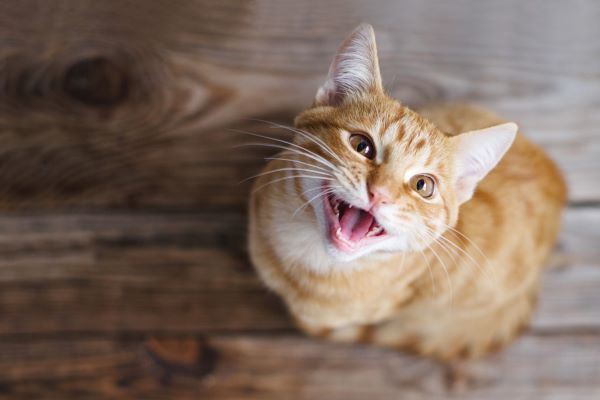
Credit: bowwowinsurance.com.au
How To Respond To Your Cat’s Meowing
Understanding how to respond to your cat’s meowing helps build a stronger bond. Cats use meows to communicate needs and feelings. Paying attention shows you care and helps solve problems quickly.
Identifying The Cause
Observe when and why your cat meows. Common reasons include hunger, thirst, or seeking attention. Sometimes, meowing signals discomfort or stress. Watch your cat’s body language and environment for clues.
Providing Mental And Physical Stimulation
Active cats meow less. Offer toys, play sessions, and climbing areas. Mental challenges like puzzle feeders can reduce boredom. Regular play keeps your cat happy and calm.
Establishing A Routine
Cats feel secure with a daily schedule. Feed and play at the same times each day. A routine helps reduce anxiety and unnecessary meowing. Consistency makes your cat feel safe.
When To Consult A Veterinarian
Persistent meowing may signal health issues. Visit a vet if your cat’s behavior changes suddenly. Pain, illness, or cognitive problems can cause loud or frequent meows. Professional advice ensures your cat stays healthy.
Frequently Asked Questions
Why Does My Cat Meow While Walking Around?
Cats meow to communicate needs like hunger, attention, or discomfort. Walking and meowing often signals they want interaction or are stressed.
Is Constant Meowing A Sign Of Cat Health Issues?
Yes, excessive meowing can indicate pain, illness, or cognitive decline. Consult a vet if behavior changes suddenly or worsens.
How Can I Reduce My Cat’s Meowing At Home?
Provide toys, playtime, and a routine. Ensure feeding times are consistent. Address stress factors and give affection to reduce meowing.
Do Cats Meow More At Night Or During The Day?
Cats may meow more at night due to loneliness or hunger. Daytime meowing often relates to attention-seeking or environmental stimuli.
Conclusion
Cats meow to share their feelings and needs with you. They might want attention, food, or feel lonely. Sometimes, meowing shows they are stressed or unwell. Watching your cat closely helps understand their messages better. Respond with love and care to keep them happy.
Remember, every cat is unique in how they communicate. Patience and kindness build a stronger bond with your pet. Keep learning about your cat’s behavior for a peaceful home. Your gentle response makes a big difference.

Lily Purrington is the founder of MyKittyPicks.com, a cozy corner of the web dedicated to helping cat lovers discover the best cat products, furniture, toys, and home decor ideas.
A lifelong cat enthusiast, Lily shares trusted tips, honest product recommendations, and stylish inspiration designed to keep kitties happy and homes beautiful.
Her mission is simple: to bring together practical advice and purr-fect picks that make life better for cats and the people who love them.


