

If you’ve noticed your cat meowing a lot after mating, you’re probably wondering, “Will this ever stop?” It’s frustrating when your usually quiet pet suddenly becomes noisy. You might be worried if the meowing means something is wrong or if it’s just part of their natural behavior.
Understanding why your cat meows after mating can help you feel more in control and calm your furry friend. Keep reading to discover what’s really going on and how you can help your cat—and yourself—find some peace and quiet.
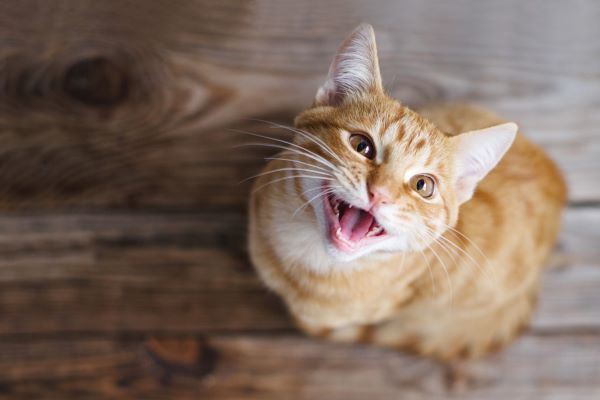
Credit: bowwowinsurance.com.au
Reasons Cats Meow After Mating
Cats often meow after mating, but the reasons vary. Understanding why helps owners respond better. Meowing after mating relates to natural changes and behaviors in cats.
Hormonal Changes
After mating, cats experience shifts in hormone levels. These changes can make them more vocal. Hormones affect mood and physical sensations. This may cause cats to meow more than usual. The meowing can signal discomfort or alertness due to these changes.
Behavioral Responses
Cats react to mating through specific behaviors. Meowing can be a way to express stress or excitement. Sometimes, cats vocalize to seek attention or comfort. The behavior also helps them communicate their state to other cats. This response is natural and varies by individual cat.
Communication Signals
Meowing serves as a communication tool after mating. Cats use vocal sounds to convey messages to mates or rivals. The sounds can indicate readiness to mate again or signal territorial claims. This communication helps maintain social order among cats. It is a key part of their interaction after mating.
Duration Of Post-mating Meowing
After mating, cats often vocalize more than usual. This meowing can last for a while and varies by each cat. Understanding how long this lasts helps pet owners stay calm and responsive to their cat’s needs.
Typical Time Frame
Most cats stop meowing loudly within a few hours after mating. In some cases, the meowing continues for one to two days. This vocalization is part of their natural behavior during this time. It usually fades as the cat calms down.
Factors Affecting Length
- Age: Younger cats may meow longer than older ones.
- Breed: Some breeds are naturally more vocal.
- Stress Level: A stressed cat might meow more after mating.
- Health: Cats in pain or discomfort may vocalize excessively.
- Environment: A noisy or unfamiliar place can increase meowing.
When Meowing Becomes Excessive
Excessive meowing lasts more than two days or sounds unusual. It may indicate pain, injury, or illness after mating. Watch for other signs like hiding, loss of appetite, or changes in behavior. A vet visit is necessary if meowing is continuous or intense.
How To Calm Your Cat After Mating
After mating, your cat might continue to meow as a way to express discomfort or confusion. Calming your cat during this time is crucial to help them settle down and feel safe again. You can take simple steps to create a peaceful atmosphere and offer the care your cat needs.
Creating A Comfortable Environment
Start by making a quiet space for your cat to relax. Dim the lights and reduce loud noises around your home. A cozy bed or a soft blanket can give your cat a sense of security.
Make sure the room temperature is comfortable—not too hot or cold. You could even add familiar scents like a favorite toy or a piece of your clothing to help your cat feel at ease.
Providing Attention And Care
Spend some calm, gentle time with your cat after mating. Talk softly and pet them slowly, focusing on areas they enjoy being touched. This shows your cat that you are there and that they are safe.
Watch for signs that your cat wants space, too. Sometimes, giving them room to rest alone is the best care you can offer.
Using Soothing Techniques
Try using a pheromone diffuser designed for cats to help reduce stress. These products mimic natural calming scents and can make a big difference.
Playing soft music or white noise can also soothe your cat’s nerves. Have you noticed how a steady sound can sometimes calm your own anxiety? It works similarly for cats.
Would you be willing to observe your cat’s reactions closely and adjust your approach? Your attention can make a surprising impact on how quickly they calm down.

Credit: www.reddit.com
When To Consult A Veterinarian
Knowing when to consult a veterinarian after your cat mates is crucial. While some meowing is normal, sudden changes in your cat’s behavior or vocal patterns can signal a problem. Keeping a close eye on your cat’s health and mood helps you act quickly if something seems off.
Signs Of Distress Or Pain
If your cat shows signs of distress, such as hiding more than usual, refusing to eat, or limping, these are red flags. Pain can cause excessive meowing or unusual body language. Don’t ignore these signs; they often mean your cat needs professional care.
Unusual Vocalization Patterns
After mating, some vocalizing is expected, but listen carefully if the meows sound different or more intense. Sudden high-pitched or continuous crying could indicate discomfort or injury. Have you noticed your cat’s meows becoming urgent or frantic? This change often means it’s time to check with a vet.
Health Concerns Post-mating
Post-mating infections or complications can arise, especially if your cat is not spayed or neutered. Watch for swelling, discharge, or foul odors around the genital area. If your cat seems lethargic or feverish, these are clear signs you shouldn’t wait to get veterinary advice.
Preventing Excessive Meowing In The Future
Excessive meowing can be a sign of stress or mating instincts in cats. Controlling this behavior helps both pets and owners enjoy a peaceful home. Understanding how to reduce meowing after mating is key to a calm environment. Several strategies can prevent loud, continuous vocalizations in the future.
Spaying And Neutering Benefits
Spaying or neutering your cat reduces hormone-driven behaviors. It lowers the urge to mate, which cuts down on loud meowing. This surgery helps control the population of stray cats too. After recovery, cats usually become calmer and less vocal. It also reduces health risks like cancers and infections.
Behavioral Training Tips
Teach your cat to respond to quiet commands gently. Use positive reinforcement such as treats or petting when the cat is calm. Avoid yelling or punishment, as this increases stress and meowing. Provide toys and playtime to distract from mating urges. Consistent routines help your cat feel secure and less likely to vocalize.
Managing Mating Behaviors
Keep your cat indoors to limit exposure to other cats. Close windows and doors to reduce outside triggers. Offer cozy resting places to help your cat relax. Use pheromone diffusers to calm your cat’s nerves naturally. Monitor your cat closely and consult a vet if meowing continues.
Credit: animals.howstuffworks.com
Frequently Asked Questions
Why Does My Cat Meow Excessively Before Mating?
Cats meow excessively before mating due to hormonal changes. Females call out loudly to attract mates. Males respond to these calls. This behavior is natural and driven by reproductive instincts.
Will My Cat Stop Meowing Immediately After Mating?
No, cats often continue meowing after mating. The vocalization may decrease but not stop instantly. Stress, discomfort, or lingering hormones can cause ongoing meows. Patience and monitoring are important.
How Long Does Meowing Last After Cat Mating?
Meowing after mating can last several days. It varies depending on the cat’s personality and hormonal levels. Some cats calm quickly, others remain vocal during heat cycles. Consult a vet if excessive meowing persists.
Can Spaying Stop My Cat’s Meowing After Mating?
Yes, spaying eliminates heat cycles and related meowing. It prevents hormonal fluctuations causing vocal behavior. Spaying improves health and reduces unwanted mating behaviors. Consult your vet about the best timing.
Conclusion
Understanding your cat’s meowing is essential. Mating can change their behavior. Post-mating, some cats may quiet down. Others might keep vocalizing. It depends on the individual cat. Observe your cat’s patterns. Consult a vet if needed. They provide professional advice.
Remember, every cat is unique. Their needs and behaviors vary. Patience and understanding go a long way. Stay attentive to your cat’s signals. This strengthens your bond. And ensures their well-being. With time, you’ll notice changes. Celebrate their unique personality.
Enjoy the companionship they offer. Cats enrich our lives in many ways.

Lily Purrington is the founder of MyKittyPicks.com, a cozy corner of the web dedicated to helping cat lovers discover the best cat products, furniture, toys, and home decor ideas.
A lifelong cat enthusiast, Lily shares trusted tips, honest product recommendations, and stylish inspiration designed to keep kitties happy and homes beautiful.
Her mission is simple: to bring together practical advice and purr-fect picks that make life better for cats and the people who love them.


