

Have you ever wondered if your cat truly feels safe with you? You might see your furry friend curled up on your lap or following you around the house, but does that mean they trust you completely?
Understanding how cats perceive safety with their owners can deepen the bond you share and help you create a more comforting environment for them. Keep reading to discover surprising signs your cat uses to feel secure—and how you can make your home their safest place.
Cat Behavior And Safety
Cats show many behaviors that reveal how safe they feel around their owners. Understanding these signs helps build a stronger bond. Cats express comfort and trust in simple, clear ways. Their body language and actions tell a story about their sense of security. Observing these clues can guide owners to meet their cats’ emotional needs better.
Signs Of Comfort Around Owners
- Purring softly while sitting near you
- Slow blinking as a sign of relaxation
- Rubbing their head or body against you
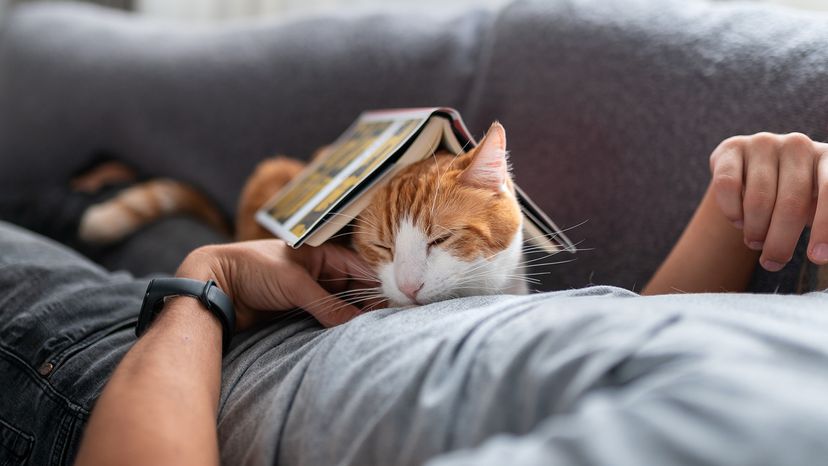
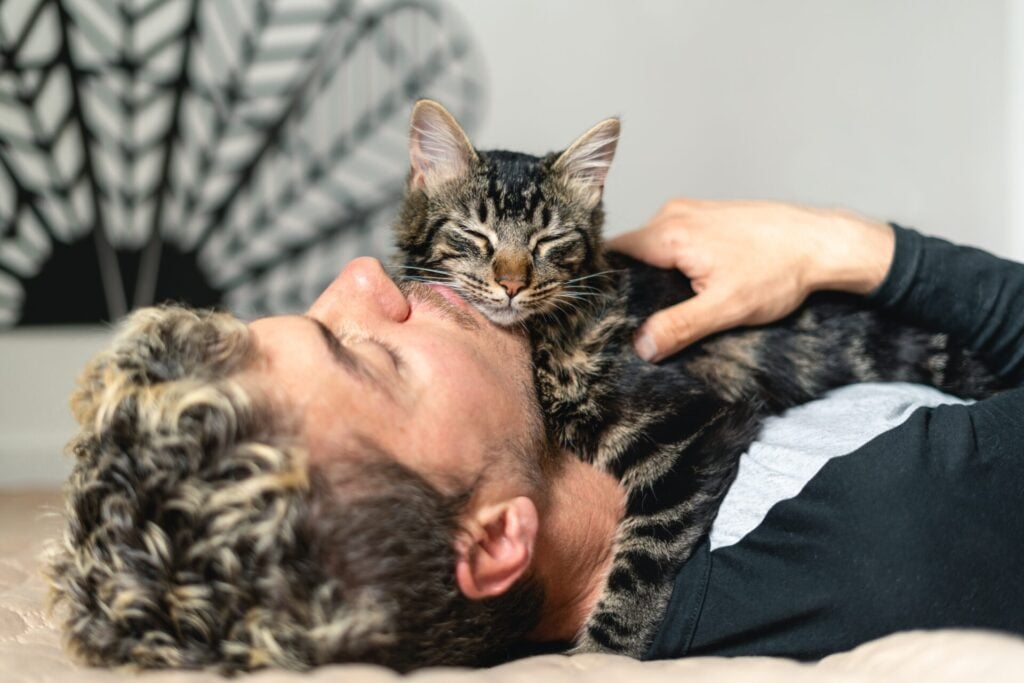
- Choosing to sit or sleep close to you
- Exposing their belly in your presence
Body Language That Shows Trust
A relaxed cat has loose muscles and calm eyes. Tail position matters too:
- Tail held high means confidence and happiness
- A gently twitching tail tip signals curiosity
- Closed eyes or half-closed eyes show contentment
- Slow blinking is a way cats say “I trust you”
Common Behaviors Indicating Security
- Following you from room to room
- Bringing you “gifts” like toys or caught prey
- Kneading soft surfaces or your lap
- Sleeping in vulnerable positions nearby
- Allowing you to touch sensitive areas like paws or ears
Factors Influencing Cat Trust
Trust is the foundation of a strong bond between cats and their owners. Many factors influence how safe cats feel around people. Understanding these factors helps owners create a secure and loving environment. Cats are sensitive creatures. Their trust depends on experiences and surroundings.
Impact Of Early Socialization
Early socialization shapes a cat’s trust in humans. Kittens exposed to gentle handling become more comfortable with people. Positive interactions during their first weeks build confidence. Cats not socialized early may stay shy or fearful. Early experiences set the tone for future relationships.
Owner’s Role In Building Trust
Owners play a key role in earning cat trust. Patience and calm behavior encourage cats to feel safe. Consistent feeding, gentle petting, and quiet voices help. Avoid sudden movements or loud noises that scare cats. Trust grows slowly through daily positive actions.
Environment And Its Effect On Safety
The cat’s environment affects its sense of safety. Quiet, stable places reduce stress and anxiety. Hiding spots and high perches give cats control and comfort. Chaos or frequent changes can make cats nervous. A calm setting helps cats relax and trust their owners more.
How Cats Show Attachment
Understanding how cats show attachment helps you recognize their comfort and trust around you. Cats communicate their feelings in subtle ways that often go unnoticed. Watching for these signs can deepen your bond and make your cat feel safer.
Vocalizations And Communication
Cats use a variety of sounds to express themselves, especially when they feel close to you. Soft meows, purring, and chirping often signal contentment and a desire to connect. If your cat greets you with a gentle meow or purrs while sitting near you, it’s their way of saying they trust you.
Have you noticed your cat’s different meows? Some are demands, but others are clear signs of affection. Paying attention to these vocal cues helps you respond better to their needs and emotions.
Physical Affection And Proximity
Physical closeness is a strong indicator that your cat feels safe with you. Cats often sit on your lap, nuzzle your hand, or gently head-butt you as a sign of attachment. These behaviors show they see you as a source of comfort and security.
Think about how your cat reacts when you’re near—do they relax or move away? If they choose to stay close, it means they trust you. Respecting their space while encouraging gentle contact builds a stronger connection.
Play And Interaction As Bonding
Playtime is more than fun; it’s a way cats bond with their owners. Engaging your cat with toys or interactive games helps them feel involved and valued. When your cat brings you a toy or initiates play, it’s a sign of affection and trust.
Try to set aside regular play sessions. This not only keeps your cat active but also strengthens your relationship. What kind of play does your cat prefer—chasing, pouncing, or problem-solving games? Observing their preferences shows you care about their happiness.

Credit: www.getsurrey.co.uk
Signs Cats Feel Unsafe
Recognizing when your cat feels unsafe is crucial for building a trusting relationship. Cats often show subtle signs before their discomfort becomes obvious. Understanding these signs helps you act quickly to make your feline friend feel secure and loved.
Stress Behaviors To Watch For
Stress in cats can show up in many ways. You might notice excessive grooming that leads to bald spots or over-scratching furniture. Some cats start vocalizing more loudly or frequently, which is their way of expressing unease.
Changes in eating habits also signal stress. If your cat suddenly refuses food or drinks less water, it’s a red flag. Have you ever seen your cat pacing nervously or trembling? These behaviors mean your pet is struggling to feel safe.
Avoidance And Hiding
When cats feel unsafe, they often retreat to quiet, hidden spots. Your cat might vanish for hours or even days, staying under beds or inside closets. This avoidance isn’t just shyness—it’s a clear message that your cat doesn’t feel comfortable around you or in their environment.
Don’t ignore the times your cat refuses to interact or play. These actions can be your cat’s way of saying, “I’m not ready yet.” Ask yourself: Are there loud noises, new people, or changes at home that might be causing this behavior?
Aggression And Defensive Actions
Sometimes, feeling unsafe triggers aggressive behavior. This can include hissing, swatting, or biting when you try to approach. It’s important to understand this aggression is not about being mean—it’s a defense mechanism.
Your cat might also puff up their fur or arch their back to look bigger. These signals warn you to give them space. Have you noticed your cat suddenly acting out after a stressful event? Recognizing these signs helps you prevent escalation and rebuild trust.
Tips To Make Cats Feel Safe
Making your cat feel safe is essential for building trust and a strong bond. Cats are sensitive creatures that pick up on your energy and environment. Helping them feel secure takes small, intentional actions that create comfort and predictability in their daily lives.
Creating A Secure Home Environment
Your home should be a sanctuary for your cat. Provide quiet, cozy spots where your cat can retreat and relax without interruption.
Think about adding soft bedding in low-traffic areas or elevated spaces like shelves or window perches. Cats love to observe safely from a height.
Keep harmful items and loud noises away from their favorite spots to reduce stress. You can also use calming pheromone diffusers to help create a soothing atmosphere.
Consistent Routines And Handling
Cats thrive on routine because it gives them a sense of control. Feeding, playtime, and quiet time should happen around the same times daily.
When handling your cat, always approach gently and respect their boundaries. Watch for signs of discomfort and stop if they seem stressed.
Have you noticed how your cat reacts differently to sudden movements or changes? Keeping your interactions predictable helps avoid unnecessary anxiety.
Positive Reinforcement And Patience
Reward your cat with treats, gentle petting, or praise when they show calm behavior. This encourages them to repeat those actions.
Patience is key. Some cats take longer to trust and feel safe, especially if they have had difficult past experiences.
Try to stay calm and positive, even if progress feels slow. Your steady presence is one of the greatest gifts to your cat’s sense of security.
Credit: animals.howstuffworks.com
Credit: theethicalist.com
Frequently Asked Questions
Do Cats Trust Their Owners Completely?
Cats often show trust through relaxed body language and seeking closeness. Trust builds with consistent care, safe environment, and gentle interaction.
How Do Cats Show They Feel Safe At Home?
Cats feel safe by purring, kneading, slow blinking, and resting near their owners. These behaviors indicate comfort and security.
Can A Cat Feel Stressed Despite Owner’s Care?
Yes, cats can feel stressed from changes, loud noises, or unfamiliar people. Owners must provide calm, predictable surroundings to reduce stress.
Why Do Cats Hide When Scared Of Owners?
Hiding is a natural defense when cats feel threatened or insecure. It helps them feel protected until they regain confidence.
Conclusion
Cats find comfort in familiar faces. Trust grows with care and patience. Owners create safe environments by understanding their cats’ needs. Small gestures matter. A gentle touch or a soft voice can reassure. Cats sense the love and protection around them.
Building a strong bond takes time. It’s worth the effort. Happy cats feel secure and content with their humans. Their purrs and relaxed behavior are signs. A safe cat is a happy companion. Remember, every cat is unique. Understanding their signals strengthens the relationship.
Keep nurturing this special bond. Your cat feels safe with you.

Lily Purrington is the founder of MyKittyPicks.com, a cozy corner of the web dedicated to helping cat lovers discover the best cat products, furniture, toys, and home decor ideas.
A lifelong cat enthusiast, Lily shares trusted tips, honest product recommendations, and stylish inspiration designed to keep kitties happy and homes beautiful.
Her mission is simple: to bring together practical advice and purr-fect picks that make life better for cats and the people who love them.


