

Holding a cat might seem simple, but doing it the right way can make all the difference for you and your furry friend. If you want to keep your cat calm and avoid scratches or stress, learning how to hold them safely is key.
Whether you’re a new cat owner or just want to improve your technique, this guide will show you exactly what to do. Keep reading to discover easy tips that make holding your cat a comfortable and happy experience for both of you.

Credit: www.petscare.com
Choosing The Right Moment
Knowing when to hold your cat is just as important as knowing how to hold them. Cats are independent creatures with moods that can change quickly. Choosing the right moment to pick them up can make all the difference in keeping both you and your cat calm and happy.
Reading Your Cat’s Mood
Watch your cat’s body language closely before you try to hold them. Are their ears pointing forward or flattened against their head? Forward ears usually mean curiosity or contentment, while flattened ears can signal fear or annoyance.
Notice their tail too. A relaxed tail means they might welcome attention, but a twitching or flicking tail often shows irritation. If your cat is purring softly and rubbing against you, it’s a good sign they’re comfortable being held.
Ask yourself: is your cat seeking attention or trying to get away? If they’re hiding or avoiding eye contact, it’s best to wait for a calmer moment.
Avoiding Stressful Situations
Timing matters. Never try to hold your cat when they are eating, using the litter box, or in the middle of an intense play session. Interrupting these activities can stress them out and make holding them a negative experience.
Be aware of loud noises or sudden movements around you. Cats startle easily, so if there’s a vacuum running or guests arriving, hold off on picking them up. Calm surroundings help your cat feel safe and more willing to be handled.
Think about your cat’s recent experiences too. Have they just come from a vet visit or a noisy car ride? They might need some quiet time before you try to hold them again.

Credit: www.youtube.com
Preparing To Hold Your Cat
Before you pick up your cat, setting the right mood is essential. Cats are sensitive creatures who can sense your emotions and environment. Preparing both yourself and the space will make holding your cat a positive experience for both of you.
Calming Techniques
Start by taking a few deep breaths to calm your own nerves. Cats often mirror your energy, so staying relaxed helps them feel safe. Speak softly and avoid sudden movements to keep your cat at ease.
You can also try gentle petting to soothe your cat before picking them up. Focus on areas they love, such as behind the ears or under the chin. Notice their body language—if their tail twitches or they pull away, it’s a sign to slow down.
Creating A Comfortable Environment
Make sure the space where you plan to hold your cat is quiet and free from distractions. Loud noises or other pets nearby can increase stress. A familiar blanket or cushion can add a sense of security.
Consider the lighting and temperature too. Bright lights or cold rooms might make your cat uncomfortable. Adjust the environment so your cat feels cozy and willing to be held.
Proper Holding Techniques
Holding a cat safely requires care and proper technique. Cats feel more comfortable when supported correctly. Using the right methods reduces stress for both you and the cat. Focus on gentle movements and steady support to keep your cat calm and secure.
Supporting The Body
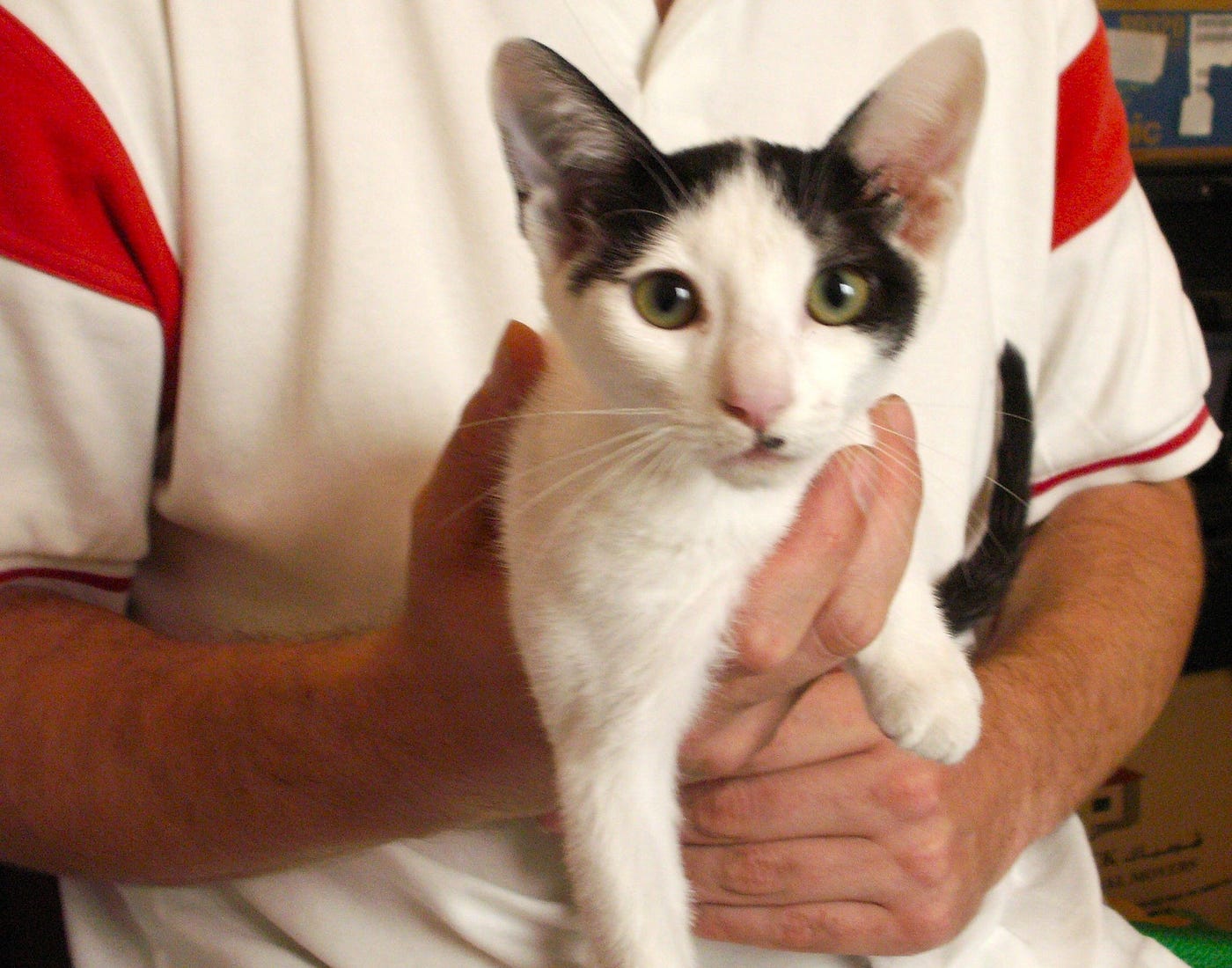
Support the cat’s chest with one hand. Use the other hand to hold the back legs or bottom. This balance keeps the cat from feeling insecure. Avoid holding only by the scruff or front paws. Proper body support prevents injury and helps the cat relax.
Keeping The Cat Secure
Hold the cat close to your body for security. This prevents sudden movements or attempts to jump away. Use your arms as a gentle barrier to keep the cat steady. A secure hold reduces the risk of falls or scratches. Stay calm and confident to reassure the cat.
Gentle Handling Tips
- Move slowly and speak softly to calm the cat.
- Watch the cat’s body language for signs of stress.
- Do not squeeze or hold too tightly.
- Let the cat settle before lifting or moving.
- Use a calm voice to soothe and relax the cat.
Credit: medium.com
Signs Your Cat Is Uncomfortable
Knowing when your cat feels uneasy helps keep them safe. Cats cannot tell you with words. Watching their signs avoids stress and possible scratches. Understanding their feelings builds trust and comfort for both of you.
Body Language To Watch
- Tail flicking or lashing quickly
- Ears flattened or turned back
- Whiskers pulled back against the face
- Wide, staring eyes or dilated pupils
- Stiff body posture or trying to pull away
- Growling, hissing, or spitting sounds
- Rapid breathing or panting
Responding To Discomfort
Pause holding and set your cat down gently. Speak softly to calm them. Avoid sudden moves or loud noises. Let them move away if they want. Try again later with more care. Respecting their signals helps build trust.
Training Your Cat To Enjoy Being Held
Training your cat to enjoy being held takes time and patience. Cats need to feel safe and calm in your arms. Building trust helps your cat relax during hold sessions. Small, positive experiences encourage your cat to want more. Consistency and care make the process smooth and effective.
Positive Reinforcement
Reward your cat with treats and gentle petting after holding. Use soft voices to calm and soothe your cat. Praise helps your cat link being held with good feelings. Avoid forcing your cat into your arms. Let your cat approach you willingly.
Gradual Desensitization
Start by touching your cat lightly near the chest and sides. Hold your cat for just a few seconds at first. Slowly increase the time as your cat feels comfortable. Break holding sessions into short, calm moments. Watch your cat’s body language to avoid stress.
Common Mistakes To Avoid
Holding a cat safely requires more than just gentle hands—it demands awareness of common mistakes that can stress or harm your feline friend. Many people unknowingly make errors that lead to discomfort or even injury for the cat and themselves. Understanding what to avoid helps you build trust and create a calm experience for both of you.
Overholding Or Restricting Movement
It’s tempting to hold your cat tightly to keep it from squirming, but overholding can cause panic and resistance. Cats feel trapped when their movements are restricted, which can lead to scratching or biting.
Instead, support their body gently without squeezing. Let your cat adjust and move within your hold—this shows respect for their personal space. Have you noticed how your cat reacts when you tighten your grip? Observing those subtle cues can prevent a lot of stress.
Ignoring Warning Signs
Cats communicate clearly when they’re uncomfortable—ears flattening, tail flicking, or growling are all red flags. Ignoring these signs often leads to sudden attempts to escape or aggressive behavior.
Pay close attention to these signals and pause if your cat seems upset. Taking a break or changing your approach can turn a tense moment into a bonding opportunity. Have you ever missed these cues and ended up with scratches? Learning to listen to your cat’s body language saves both of you from unnecessary trouble.
Special Considerations For Kittens And Senior Cats
Kittens and senior cats need gentle care when being held. Their bodies are more delicate and sensitive. Kittens are still growing and may feel scared. Senior cats might have aches or weaker bones. Knowing how to hold them safely helps avoid injury. It also builds trust between you and your cat.
Handling Fragile Cats
Support their whole body with both hands. Place one hand under the chest and the other under the hind legs. Avoid squeezing or holding too tightly. Keep movements slow and calm to prevent startling them. Watch for signs of discomfort like squirming or meowing. Let them down gently if they seem upset.
- Use a soft blanket for extra support
- Hold close to your body to make them feel safe
- Never pick up by the scruff unless trained to do so
Adjusting Techniques Based On Age
Kittens need short holds to avoid stress. Hold them for a few minutes, then let them rest. Use a soothing voice to calm their nerves. Senior cats may prefer sitting on your lap instead of being lifted. Be mindful of arthritis or joint pain. Always ask a vet if unsure about how to hold your senior cat.
| Age Group | Best Holding Technique | Key Points |
|---|---|---|
| Kittens | Support chest and hind legs, hold briefly | Gentle, calm, short duration |
| Senior Cats | Hold close or lap sit, avoid lifting if painful | Watch for pain, be gentle and patient |
Frequently Asked Questions
How Do I Hold A Cat Without Hurting It?
Support your cat’s chest with one hand and its hind legs with the other. Hold gently but firmly to avoid stress or injury. Keep the cat close to your body for comfort and stability, ensuring it feels safe and secure.
What Is The Safest Way To Pick Up A Cat?
Approach calmly and place one hand under the chest and the other under the hind legs. Lift slowly and keep the cat close to your body. Avoid sudden movements to prevent startling or injuring your cat.
How Can I Tell If A Cat Likes Being Held?
Signs include relaxed body, purring, and kneading. If the cat struggles or tries to escape, it likely feels uncomfortable. Always respect your cat’s preferences and never force holding if it resists.
Can Holding A Cat Incorrectly Cause Harm?
Yes, improper holding can cause stress or injury. Avoid grabbing by the scruff or dangling the cat. Support its whole body to prevent discomfort and potential harm.
Conclusion
Holding a cat safely builds trust and comfort. Always support their body gently. Keep one hand under the chest. Use the other to hold the hind legs. Be calm and patient. Cats sense your mood. Respect their space and signals.
Practice often to improve your skills. Happy cats mean happy owners. Safety first for both of you. Remember, each cat is unique. Adjust your approach accordingly. Creating a positive experience is key. Enjoy the bond you share.

Lily Purrington is the founder of MyKittyPicks.com, a cozy corner of the web dedicated to helping cat lovers discover the best cat products, furniture, toys, and home decor ideas.
A lifelong cat enthusiast, Lily shares trusted tips, honest product recommendations, and stylish inspiration designed to keep kitties happy and homes beautiful.
Her mission is simple: to bring together practical advice and purr-fect picks that make life better for cats and the people who love them.


