

Have you ever wondered who discovered the cause behind that mysterious infection you can get from a simple cat scratch? Cat Scratch Disease might sound harmless, but it can lead to serious health issues if left untreated.
Understanding its discovery helps you appreciate how far medical science has come in protecting your health. You’ll uncover the story behind the discovery of Cat Scratch Disease, learn who first identified it, and find out why this knowledge matters to you and your furry friends.
Keep reading to uncover the fascinating history that could help keep you safer around cats.
Credit: emedicine.medscape.com
Origins Of Cat Scratch Disease
Cat Scratch Disease is an infection people get after being scratched or bitten by a cat. It causes swollen lymph nodes and fever. Doctors first noticed this illness many years ago.
The cause of Cat Scratch Disease was unclear at first. Researchers studied early cases to understand the disease better.
Early Cases And Symptoms
The first reports of Cat Scratch Disease came in the 1950s. Patients had swollen lymph nodes near the scratch area. They often had fever and tiredness too.
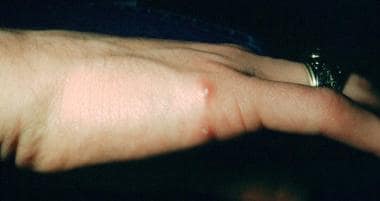
Doctors saw that the infection started with a red bump at the scratch site. This bump could last for days before other symptoms appeared.
- Red bump or blister at scratch site
- Swollen lymph nodes near the scratch
- Fever and fatigue
- Headache or muscle pain in some cases
Initial Theories And Misdiagnoses
At first, doctors did not know what caused the illness. Some thought it was a reaction to cat saliva or bacteria from dirt. Others mistook it for tuberculosis or cancer.
Later, scientists found that a specific bacteria causes Cat Scratch Disease. This discovery helped doctors diagnose and treat the illness correctly.
Pioneers In Medical Research
Cat Scratch Disease is a rare infection caused by bacteria from cats. It causes swollen lymph nodes and fever. Doctors did not know much about it at first.
Many scientists worked hard to find out what causes this disease. Their research helped doctors treat and understand it better.
Key Researchers And Their Contributions
Dr. Robert Debré was one of the first to describe the symptoms of Cat Scratch Disease in the 1950s. He noticed that children with swollen lymph nodes often had contact with cats.
Later, Dr. Thomas J. Wear studied the disease in more detail. He helped identify the link between cat scratches and the illness.
- Dr. Robert Debré described the disease symptoms.
- Dr. Thomas J. Wear found the cat scratch link.
Breakthrough Discoveries
In 1983, researchers discovered the bacteria that cause Cat Scratch Disease. The bacteria was named Bartonella henselae. This was a big step in diagnosis and treatment.
Scientists used new lab tests to find this bacteria in patients. This discovery helped doctors give better care to people with the disease.
- Bartonella henselae identified as the cause in 1983.
- New lab tests developed for quick detection.
- Improved treatment options based on bacteria knowledge.
Identifying The Causative Agent
Cat Scratch Disease is an illness caused by a tiny germ. Scientists searched to find which germ causes it.
They discovered that a specific type of bacteria leads to the disease after a cat scratch or bite.
Bacterial Origin And Transmission
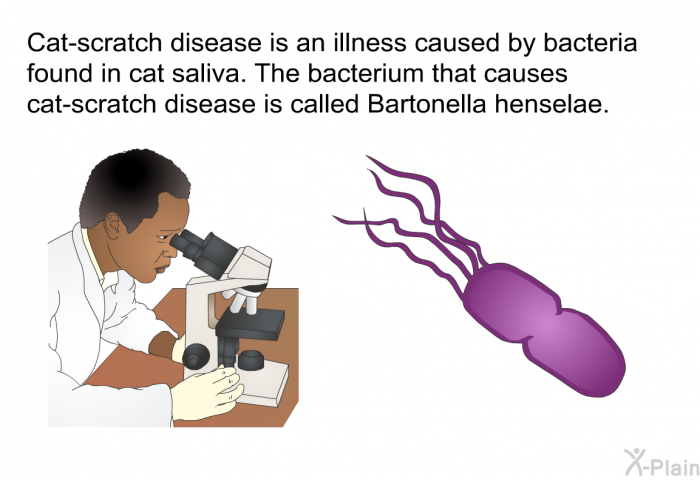
The bacteria that cause Cat Scratch Disease is called Bartonella henselae. It is a small, rod-shaped germ.
This bacteria spreads when a person is scratched or bitten by an infected cat. The bacteria enters the skin and causes infection.
- Bartonella henselae is the main cause.
- It lives in cats but does not always harm them.
- The bacteria passes to humans through scratches or bites.
Role Of Cats And Fleas
Cats carry Bartonella henselae without showing illness. Fleas on cats help spread the bacteria between animals.
When fleas bite cats, they transfer the bacteria. Then, cats can pass it to humans through scratches or bites.
- Fleas carry bacteria between cats.
- Infected cats can spread bacteria to humans.
- Flea control helps reduce the risk of disease.
Advancements In Diagnosis
Cat scratch disease is an infection caused by bacteria from cat scratches or bites. Diagnosing it correctly has improved over the years. New tools and better knowledge help doctors find the illness faster.
These advancements make treatment easier and reduce complications. Two main areas have seen progress: laboratory techniques and clinical recognition.
Laboratory Techniques
Laboratory tests now detect the bacteria that cause cat scratch disease more accurately. These tests include blood tests and tissue samples. They help confirm the diagnosis when symptoms are unclear.
- Polymerase chain reaction (PCR) detects bacterial DNA quickly.
- Serologic tests measure antibodies against the bacteria.
- Cultures grow the bacteria from samples, though this takes longer.
- Immunofluorescence tests highlight bacteria in tissue samples.
Improvements In Clinical Recognition
Doctors now better recognize symptoms linked to cat scratch disease. This helps them suspect the illness early. Common signs include swollen lymph nodes and fever after a cat scratch or bite.
| Symptom | Description |
| Swollen lymph nodes | Painful swelling near the scratch or bite site |
| Fever | Low to moderate fever lasting days |
| Skin lesion | Small bump or blister at the injury site |
| Fatigue | Feeling tired or weak |
Impact On Public Health
Cat Scratch Disease is an infection caused by bacteria from cat scratches or bites. It affects many people worldwide.
The disease was first described in the late 19th century, but its cause was identified in the 20th century. This discovery helped improve diagnosis and treatment.
Epidemiology And Awareness
Cat Scratch Disease mostly affects children and young adults. It spreads mainly through contact with infected cats.
People living in urban and suburban areas with many cats are at higher risk. Awareness about the disease is still low in many regions.
- The disease can cause fever and swollen lymph nodes
- It often goes unreported due to mild symptoms
- Education helps people recognize signs early
Preventive Measures
Preventing Cat Scratch Disease involves reducing risks from cats and their scratches. Good hygiene and care when handling cats are important.
Health officials recommend simple steps to avoid infection and protect public health.
- Wash hands after touching cats
- Clean any cat scratches or bites immediately
- Keep cats free of fleas, which spread bacteria
- Avoid rough play with cats
- Seek medical care if symptoms appear
Credit: www.patedu.com
Current Research And Future Directions
Cat Scratch Disease is a condition caused by bacteria from a cat scratch or bite. Scientists are exploring new ways to understand and treat this disease.
Researchers focus on both ongoing studies and potential treatments. This helps improve health outcomes for those affected by the disease.
Ongoing Studies
Ongoing studies aim to explore how Cat Scratch Disease spreads and affects the body. Scientists use advanced tools to gather important data.
- Researchers study the role of the immune system.
- Investigations focus on genetic factors influencing the disease.
- Analysis of environmental factors linked to outbreaks.
Potential Treatments And Vaccines
Efforts are underway to discover new treatments and vaccines. These could reduce the impact of Cat Scratch Disease on affected individuals.
| Treatment | Status |
| Antibiotic Therapy | In Clinical Trials |
| Vaccine Development | Experimental Phase |
| Immune Boosters | Under Research |
Credit: www.gbnews.com
Frequently Asked Questions
Who Discovered Cat Scratch Disease First?
Dr. Robert Debré first described cat scratch disease in 1950. Later, Dr. Henri Parinaud extensively studied the disease. Their work helped identify the link between cats and the illness.
When Was Cat Scratch Disease Discovered?
Cat scratch disease was discovered in the mid-20th century, around 1950. Medical researchers recognized it as a distinct illness caused by bacteria transmitted from cats.
What Causes Cat Scratch Disease?
Cat scratch disease is caused by Bartonella henselae bacteria. It spreads through scratches or bites from infected cats, especially kittens. The bacteria trigger swelling and flu-like symptoms.
How Was Cat Scratch Disease Linked To Cats?
Researchers observed patients developing symptoms after cat scratches or bites. This connection led to identifying cats as the primary carriers of Bartonella henselae bacteria.
Conclusion
The discovery of Cat Scratch Disease helped doctors understand this illness better. Scientists found the link between cats and the disease in the 20th century. This knowledge allows for better care and prevention. People now know how to avoid getting sick from cats.
It shows how science can solve medical mysteries. Learning about Cat Scratch Disease protects both humans and pets. Simple steps can keep everyone safe and healthy. This discovery remains important for medicine today.

Lily Purrington is the founder of MyKittyPicks.com, a cozy corner of the web dedicated to helping cat lovers discover the best cat products, furniture, toys, and home decor ideas.
A lifelong cat enthusiast, Lily shares trusted tips, honest product recommendations, and stylish inspiration designed to keep kitties happy and homes beautiful.
Her mission is simple: to bring together practical advice and purr-fect picks that make life better for cats and the people who love them.


