

Have you recently been scratched by a cat and started feeling unwell? You might be wondering if it’s something more serious than just a simple scratch.
Cat Scratch Disease can cause discomfort and health issues if left unchecked. Knowing how to test for this condition early can protect your health and give you peace of mind. You’ll discover clear, easy steps to identify if you have Cat Scratch Disease and what tests you can take to confirm it.
Keep reading to learn how to take control of your health after a cat scratch.
Credit: www.droracle.ai
Causes Of Cat Scratch Disease
Cat Scratch Disease is an infection that occurs after a cat scratch or bite. It causes swelling and fever. Understanding the causes helps in testing and treatment.
The disease mainly spreads from cats to humans. Knowing the cause helps doctors find the right test and care.
Role Of Bartonella Henselae
Bartonella henselae is a type of bacteria. It is the main cause of Cat Scratch Disease. The bacteria live in cats without making them sick.
When the bacteria enter the human body, they cause infection. The body reacts with swelling and fever as it fights the bacteria.
Transmission Through Cat Scratches And Bites
The bacteria spread when a cat scratches or bites a person. The cat’s claws or teeth carry the bacteria from its fur or saliva.
Even small scratches can cause infection. Cleaning wounds quickly reduces the risk of getting sick.
- Cat scratch or bite breaks the skin
- Bacteria enter through the wound
- Infection starts near the scratch or bite
- Symptoms appear after a few days
Symptoms To Watch For
Cat Scratch Disease is an infection from a cat scratch or bite. It can cause mild to serious symptoms. Knowing the signs helps you get tested early.
Testing for Cat Scratch Disease starts with recognizing common symptoms. Watch for changes in your body after contact with a cat.
Common Early Signs
The first symptoms usually appear within a few days to two weeks. They often start near the scratch or bite site.
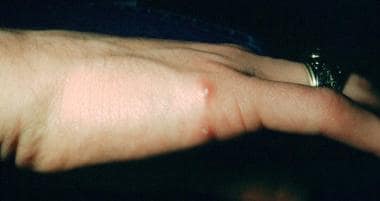
Look for a small bump or blister where the cat scratched you. The area may be red, swollen, or warm to touch.
- Swollen lymph nodes near the scratch
- Low fever
- Fatigue or feeling tired
- Headache
- Loss of appetite
When To Seek Medical Attention
See a doctor if symptoms get worse or do not improve in a week. Early treatment stops the infection from spreading.
Seek medical help if you have:
- High fever over 101°F (38.3°C)
- Severe swelling or pain near the scratch
- Swollen lymph nodes lasting more than two weeks
- Signs of infection like pus or redness spreading
- Weakness or confusion
Physical Examination Steps
Testing for Cat Scratch Disease starts with a careful physical exam. The doctor looks for signs that help confirm the illness.
This exam focuses on areas affected by the infection, such as lymph nodes and scratch sites.
Checking Lymph Nodes
The doctor checks the lymph nodes near the scratch or bite. These nodes often swell if you have Cat Scratch Disease.
Swollen lymph nodes feel like soft lumps under the skin. The doctor presses gently to see if they are tender or painful.
- Common swollen nodes are in the neck, armpits, or groin
- Look for redness or warmth around the nodes
- Note if swelling lasts more than two weeks
Inspecting Scratch Sites
The doctor examines the skin where the cat scratch or bite happened. This area may show signs of infection.
They check for redness, swelling, or small bumps. Sometimes a blister or scab forms at the scratch site.
- Look for a small red bump or blister
- Check if the area is warm or tender
- Note any pus or crust forming on the scratch
Laboratory Tests
Testing helps doctors find out if someone has cat scratch disease. Lab tests check the body’s reaction to the infection. They also look for the bacteria that cause it.
These tests help confirm the diagnosis. They guide doctors to give the right treatment. Different tests give different kinds of information.
Blood Antibody Testing
Blood antibody tests check for proteins made by the immune system. These proteins fight the bacteria that cause cat scratch disease. The test can show if someone was recently infected or had the infection before.
The test looks for two types of antibodies: IgM and IgG. IgM appears early in infection. IgG appears later and stays longer in the blood.
- IgM antibodies mean a recent infection
- IgG antibodies show past or current infection
- Blood samples are taken from a vein
Polymerase Chain Reaction (pcr) Tests
PCR tests look for the bacteria’s DNA in the body. This test is very accurate and fast. It can detect the bacteria even if there are only a few of them.
Doctors use PCR to test samples like blood, lymph node tissue, or other fluids. The test copies the bacteria DNA many times to find it easily.
- Detects Bartonella henselae DNA
- Works on blood or tissue samples
- Gives quick and precise results
Culture Methods
Culture methods grow bacteria from patient samples. This helps to confirm the infection. It takes longer than other tests because bacteria grow slowly.
Doctors place the sample on special plates that help bacteria grow. They watch the plates for days or weeks to see if bacteria appear.
- Samples include blood or lymph node tissue
- Bacteria grow on special media in the lab
- Growth can take 2 to 6 weeks
Imaging Techniques
Imaging helps doctors see inside the body to find signs of cat scratch disease. It shows swollen lymph nodes and other affected areas. These techniques support diagnosis alongside lab tests and physical exams.
Two common imaging methods are ultrasound and other scans like CT or MRI. Each helps detect inflammation or infection in different ways.
Ultrasound For Swollen Lymph Nodes
Ultrasound uses sound waves to create pictures of swollen lymph nodes. It is safe, quick, and does not use radiation. This method helps check size, shape, and texture of lymph nodes.
- Detects enlarged lymph nodes near the skin surface
- Shows if lymph nodes have fluid or pus
- Guides needle biopsy if needed
- Monitors lymph node changes over time
Other Imaging Options
Other scans can help if the infection spreads or if ultrasound results are unclear. These include CT scans and MRI.
| Imaging Type | Purpose | Key Feature |
| CT Scan | Detect deep lymph node swelling and abscesses | Detailed cross-sectional images |
| MRI | View soft tissue inflammation without radiation | High contrast for soft tissues |
| X-Ray | Check for bone or lung involvement | Quick and widely available |
At-home Testing And Precautions
Cat Scratch Disease is an infection caused by bacteria from a cat's scratch or bite. It is important to know how to test and prevent this disease at home.
Testing at home involves watching for symptoms and taking care of scratches properly. Knowing when to see a doctor is also crucial.
Monitoring Symptoms
Pay attention to symptoms if you have been scratched by a cat. Common signs include fever, fatigue, and swollen lymph nodes.
Other symptoms might be headaches or a lack of appetite. If you notice these, consider them a warning sign.
- Fever
- Fatigue
- Swollen lymph nodes
- Headache
- Lack of appetite
When To Visit A Doctor
See a doctor if symptoms persist or worsen after a few days. Medical help is needed if you experience severe symptoms.
It’s also important to visit a doctor if you have a weak immune system. They can provide proper tests and treatment.
- Symptoms persist or worsen
- Severe symptoms occur
- Weak immune system
Interpreting Test Results
Testing for cat scratch disease helps determine if you have been infected. Understanding your test results is key to knowing your next steps.
Results can show if the infection is present. It’s important to know what a positive or negative result means for you.
Positive Vs Negative Outcomes
A positive result indicates the presence of the disease. This means the bacteria causing the infection is in your body.
If your test is negative, it means you do not have the infection. You may need further tests if symptoms persist.
Next Steps After Diagnosis
After diagnosis, follow your doctor’s advice for treatment. This ensures you manage symptoms and reduce complications.
- Take prescribed antibiotics if necessary
- Rest and drink plenty of fluids
- Monitor symptoms and report changes to your doctor
| Action | Purpose |
| Medication | Treat infection |
| Rest | Boost recovery |
| Hydration | Maintain health |
Credit: emedicine.medscape.com

Credit: cullottalaw.com
Frequently Asked Questions
What Are The Common Symptoms Of Cat Scratch Disease?
Cat Scratch Disease often causes swollen lymph nodes, fever, fatigue, and a skin lesion at the scratch site. Symptoms typically appear within 3 weeks after contact with a cat.
How Is Cat Scratch Disease Diagnosed By Doctors?
Doctors diagnose Cat Scratch Disease through physical exams, patient history, and blood tests detecting Bartonella henselae antibodies. Sometimes, lymph node biopsy confirms the diagnosis.
Which Tests Confirm Cat Scratch Disease Infection?
Serologic blood tests, such as indirect fluorescent antibody (IFA) or enzyme immunoassay (EIA), confirm Cat Scratch Disease by detecting specific antibodies against Bartonella henselae bacteria.
Can Cat Scratch Disease Be Detected Through Imaging?
Yes, imaging like ultrasound or CT scans helps identify swollen lymph nodes and complications in severe Cat Scratch Disease cases.
Conclusion
Testing for Cat Scratch Disease helps catch it early and avoid problems. Visit a doctor if you notice swollen lymph nodes or fever after a cat scratch. Blood tests and skin tests can confirm the infection. Early diagnosis makes treatment easier and faster.
Keep your pets clean and avoid rough play to stay safe. Knowing the signs and testing quickly protects your health. Stay aware, stay safe.

Lily Purrington is the founder of MyKittyPicks.com, a cozy corner of the web dedicated to helping cat lovers discover the best cat products, furniture, toys, and home decor ideas.
A lifelong cat enthusiast, Lily shares trusted tips, honest product recommendations, and stylish inspiration designed to keep kitties happy and homes beautiful.
Her mission is simple: to bring together practical advice and purr-fect picks that make life better for cats and the people who love them.


