

Have you ever wondered how a simple scratch from your cat could lead to something more serious? Cat Scratch Disease might sound harmless, but understanding how you get it can protect you and your furry friend.
If you’ve ever been scratched or bitten by a cat, this is important information for you. Keep reading to learn exactly how this infection spreads and what steps you can take to stay safe. Your health and your cat’s well-being depend on it.
Credit: www.patedu.com
What Is Cat Scratch Disease
Cat scratch disease is an infection caused by bacteria. It spreads from cats to people. Usually, it happens after a cat scratch or bite.
The disease often causes swollen lymph nodes and fever. Most cases are mild and get better without treatment.
The main way to get cat scratch disease is through contact with infected cats. The bacteria live in cat saliva and claws.
- Scratches from a cat that has the bacteria
- Bites from an infected cat
- Contact with cat saliva on broken skin or eyes
- Touching cat fur with bacteria then touching your face
Who Is At Risk
Anyone can catch cat scratch disease. Children and people with weak immune systems have higher risk. People who own cats or work with cats also face more risk.
| Group | Risk Level | Reason |
| Children | High | More likely to be scratched or bitten |
| Cat Owners | Medium | Close contact with cats daily |
| Veterinarians | High | Work directly with many cats |
| People with Weak Immunity | High | Harder to fight infections |
Signs And Symptoms
Symptoms usually appear one to two weeks after the scratch or bite. Common signs include:
- Swollen and tender lymph nodes near the injury
- Fever and headache
- Fatigue or feeling tired
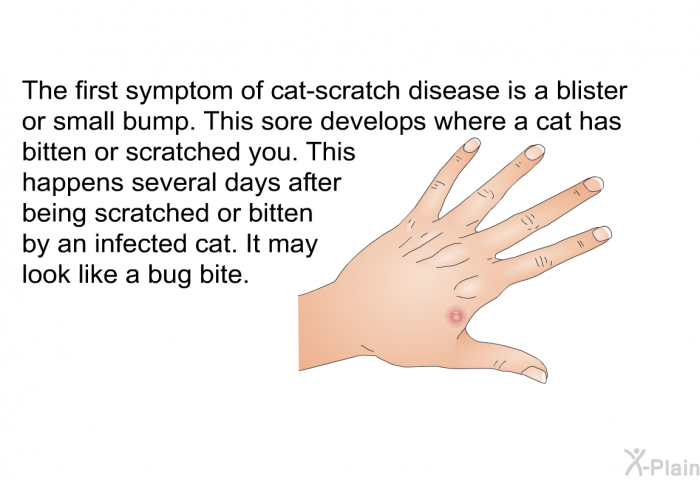
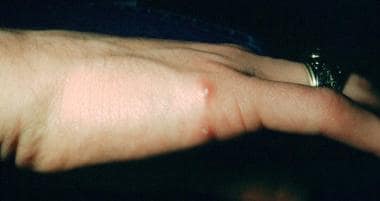
- Small red bump or blister at the scratch site
Credit: emedicine.medscape.com
How Cat Scratch Disease Spreads
Cat Scratch Disease is an infection caused by bacteria. It usually spreads from cats to humans.
Understanding how this disease spreads helps people stay safe around cats and other animals.
Role Of Cats In Transmission
Cats are the main source of Cat Scratch Disease. The bacteria live in their blood and saliva.
When a cat scratches or bites a person, the bacteria can enter through the skin. Fleas on cats can also carry the bacteria.
- Scratches from cats transfer bacteria to humans
- Bites from cats can also spread the disease
- Fleas on cats carry bacteria between animals
Other Possible Transmission Methods
People can get Cat Scratch Disease in ways other than cat scratches or bites. The bacteria can spread through contact with cat saliva on broken skin.
Rarely, the disease spreads through blood transfusions or organ transplants. It is not passed from person to person.
- Touching cat saliva on open wounds
- Contact with fleas that carry bacteria
- Blood transfusions or organ transplants (rare)
Common Causes Of Infection
Cat scratch disease is an infection caused by bacteria from cats. People get sick after contact with cats.
The infection happens mostly through scratches, bites, or contact with cat saliva. These are the main ways to catch it.
Cat Scratches And Bites
Scratches and bites from cats can let bacteria enter the skin. This causes cat scratch disease.
Dirty or deep scratches and bites increase the risk of infection. Cats carry bacteria on their claws and teeth.
- Scratches from kittens are more risky
- Bites cause deeper wounds that trap bacteria
- Scratches often happen during play or fights
- Cleaning wounds quickly helps prevent infection
Contact With Cat Saliva
Cat saliva contains bacteria that cause cat scratch disease. It can infect people through the skin or eyes.
Touching your face after petting a cat or after a scratch can spread bacteria. Saliva on broken skin is a common cause.
- Petting cats can transfer bacteria from saliva
- Saliva can infect cuts or scrapes on skin
- Rubbing eyes after touching cats spreads bacteria
- Washing hands reduces the risk of infection

Credit: indianexpress.com
Recognizing Symptoms
Cat Scratch Disease is an infection caused by bacteria from a cat scratch or bite. Knowing the symptoms helps you get treatment early.
This guide explains how to spot the signs and when to see a doctor for help.
Early Signs
Symptoms usually start within a few days to two weeks after the scratch or bite. Early signs include redness and swelling near the wound.
- A small bump or blister at the scratch site
- Mild pain or tenderness around the area
- Swollen lymph nodes near the scratch, often under the arm or neck
- Low fever and feeling tired
Progression Of Symptoms
If untreated, symptoms can get worse over weeks. The infection may spread to other parts of the body.
| Symptom | Description |
| Swollen Lymph Nodes | May become very large and painful |
| Fever | High and persistent |
| Fatigue | Severe tiredness and weakness |
| Headache | Common in later stages |
| Skin Rash | Occasional redness beyond the scratch |
When To Seek Medical Help
Visit a doctor if symptoms do not improve or get worse. Early treatment can stop serious problems.
- Swollen lymph nodes that grow or become very painful
- High fever lasting more than three days
- Severe headache or confusion
- Skin redness spreading quickly
- Fatigue that stops you from doing daily tasks
Diagnosing The Disease
Cat scratch disease can be tricky to diagnose because its symptoms are like other illnesses.
Doctors use medical tests and careful checks to find out if someone has this disease.
Medical Tests
Doctors use blood tests to look for antibodies made by the body to fight the infection.
- Serology tests check for specific antibodies against Bartonella henselae.
- Polymerase chain reaction (PCR) detects bacterial DNA in samples.
- Skin or lymph node biopsy may be done if swelling occurs.
- Imaging tests like ultrasound help check swollen lymph nodes.
Differentiating From Other Conditions
Symptoms can look like other diseases such as lymphoma or tuberculosis.
| Condition | Similar Symptoms | Key Differences |
| Cat Scratch Disease | Swollen lymph nodes, fever | History of cat contact, positive Bartonella test |
| Lymphoma | Swollen lymph nodes, weight loss | Biopsy shows cancer cells |
| Tuberculosis | Fever, swollen lymph nodes | Positive TB skin or blood test |
Treatment Options
Cat scratch disease is caused by bacteria from a cat scratch or bite. Treatment focuses on relieving symptoms and preventing infection spread.
Most cases resolve on their own, but some need medical help. Let’s explore treatment options.
Antibiotics And Medications
Doctors may prescribe antibiotics if the infection is severe. These help fight the bacteria causing the disease.
Medications can also reduce symptoms like fever and swelling. Always follow the doctor’s instructions for dosage.
- Common antibiotics include azithromycin and doxycycline
- Pain relievers help reduce discomfort
- Antihistamines might be used for itching
Home Care Tips
Home care is essential for mild cases. It helps speed up recovery and comfort.
Simple steps can be taken at home to manage symptoms. Here are some useful tips.
- Clean the wound with soap and water
- Apply a warm compress to reduce swelling
- Keep the affected area elevated
- Rest and drink plenty of fluids
Preventing Cat Scratch Disease
Cat Scratch Disease is a bacterial infection caused by cat scratches or bites. It is important to know how to prevent it for your safety.
There are several ways to avoid getting this disease. By handling cats safely and maintaining their health, you can reduce the risk.
Safe Cat Handling
Handling cats properly is key to preventing scratches and bites. Always approach cats calmly and avoid rough play.
- Use toys for play instead of hands
- Do not disturb cats while eating or sleeping
- Teach children to be gentle with cats
Maintaining Cat Health
Healthy cats are less likely to carry the bacteria that cause the disease. Regular vet check-ups can keep your cat in good health.
| Health Check | Frequency |
| Veterinarian Visit | Annually |
| Flea Control | Monthly |
| Vaccination | As per vet advice |
Hygiene Practices
Good hygiene reduces the chance of infection. Wash your hands after handling cats and clean any scratches immediately.
Risks And Complications
Cat Scratch Disease spreads when a person is scratched or bitten by a cat. The bacteria from the cat’s saliva or claws enter the skin. Most people get mild symptoms, but some face serious problems.
Knowing who is at risk and the possible health issues helps to stay safe and get treatment early.
Who Is Most Vulnerable
People with weak immune systems are more likely to get sick from Cat Scratch Disease. This includes children, older adults, and those with certain illnesses.
People who handle cats a lot, like pet owners and animal workers, also have a higher chance of infection.
- Children under 15 years old
- Older adults
- People with HIV or cancer
- Those taking immune-suppressing medicines
- Veterinarians and animal shelter workers
Possible Severe Outcomes
Most cases cause mild fever and swollen lymph nodes. But the infection can spread and cause serious problems.
Rarely, Cat Scratch Disease can lead to complications affecting the brain, eyes, or other organs.
- Encephalitis (brain swelling)
- Parinaud’s oculoglandular syndrome (eye infection)
- Endocarditis (heart infection)
- Peliosis hepatis (liver blood-filled cysts)
- Long-lasting fever and fatigue
Frequently Asked Questions
What Causes Cat Scratch Disease?
Cat scratch disease is caused by the bacteria Bartonella henselae. It spreads through scratches or bites from infected cats. Fleas on cats also carry the bacteria, increasing transmission risk. The disease mainly affects people who have close contact with cats.
How Do Cats Transmit Cat Scratch Disease?
Cats transmit the disease mainly through scratches or bites. The bacteria reside in their saliva and under their claws. Flea bites on cats can also contaminate their claws. Kittens are more likely to carry the bacteria than older cats.
What Are Common Symptoms Of Cat Scratch Disease?
Symptoms include swollen lymph nodes near the scratch site, fever, fatigue, and headaches. The scratch site may develop a small bump or blister. Symptoms usually appear within 1-2 weeks after exposure. Most cases resolve without severe complications.
Can Cat Scratch Disease Be Prevented?
Yes, by avoiding rough play with cats and promptly cleaning any scratches or bites. Using flea control on cats reduces risk. Wash hands after handling cats and keep cats indoors. Avoid contact with stray or sick cats.
Conclusion
Cat scratch disease spreads mainly through scratches or bites from cats. Small germs enter the skin and cause infection. Keeping cats clean and avoiding rough play helps reduce risk. Wash any cat scratches or bites quickly with soap and water.
Watch for symptoms like swollen lymph nodes or fever. See a doctor if symptoms appear or worsen. Understanding how the disease spreads helps protect you and your pets. Stay safe and enjoy time with your cat carefully.

Lily Purrington is the founder of MyKittyPicks.com, a cozy corner of the web dedicated to helping cat lovers discover the best cat products, furniture, toys, and home decor ideas.
A lifelong cat enthusiast, Lily shares trusted tips, honest product recommendations, and stylish inspiration designed to keep kitties happy and homes beautiful.
Her mission is simple: to bring together practical advice and purr-fect picks that make life better for cats and the people who love them.


