

Have you ever been scratched by a cat and wondered if it could be more than just a little itch? You might be surprised to learn about Cat Scratch Disease, a condition that can sneak up after a simple scratch or bite from your furry friend.
Understanding what this disease is and how it affects you is crucial for keeping yourself safe. Keep reading to discover the signs, risks, and what steps you can take to protect your health when living with or around cats. Your well-being might depend on knowing this important information.
Cat Scratch Disease Basics
Cat Scratch Disease is an infection caused by bacteria. It usually happens after a cat scratch or bite.
This disease mostly affects children and people with weak immune systems.
What Causes Cat Scratch Disease
The disease is caused by a bacteria called Bartonella henselae. This bacteria lives in cats’ blood.
- Bartonella henselae spreads through flea bites on cats.
- Cats carry the bacteria without showing signs of illness.
- People get infected when scratched or bitten by an infected cat.
- The bacteria can enter the body through broken skin or eyes.
How Cats Transmit The Infection
Cats spread the infection in several ways. Fleas play a big role in this process.
| Transmission Method | Description |
| Cat Scratch | Bacteria enters through scratches from an infected cat |
| Cat Bite | Bacteria can enter through cat bites |
| Flea Bites | Fleas carry bacteria and infect cats, which then infect humans |
| Contact with Cat Saliva | Bacteria may spread if saliva contacts broken skin or eyes |
Credit: emedicine.medscape.com
Recognizing Symptoms
Cat Scratch Disease is an infection caused by bacteria from a cat scratch or bite. It often starts with mild symptoms that can easily be missed. Knowing what to look for helps you get care quickly.
Symptoms vary from person to person. Some may only have small problems while others may get more serious signs. Watch your body closely after contact with a cat.
Early Signs To Watch For
The first signs of Cat Scratch Disease usually appear within one to two weeks. These early symptoms often look like a mild infection or flu.
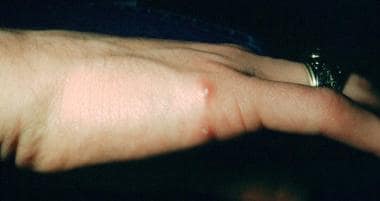
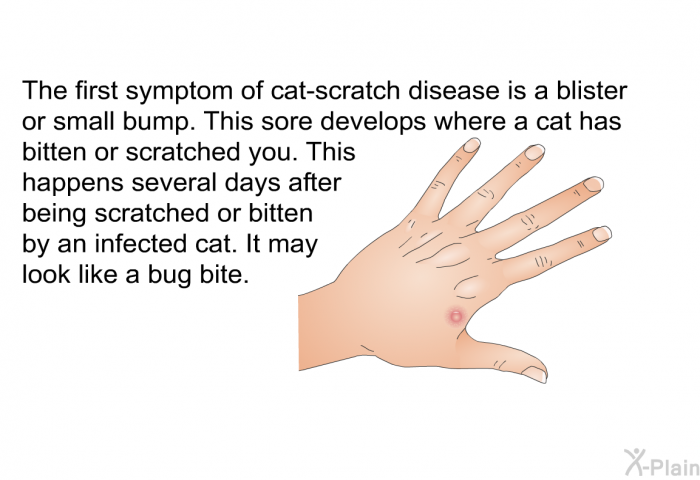
Common early signs include a small bump or blister at the scratch site. This area may become red, swollen, or sore. You may also feel tired or have a slight fever.
- Small bump or blister near scratch or bite
- Redness and swelling around the wound
- Mild fever and tiredness
- Swollen lymph nodes near the scratch
Advanced Symptoms And Complications
If untreated, Cat Scratch Disease can cause more serious problems. The infection may spread to other parts of the body. This can lead to longer-lasting symptoms and complications.
Advanced symptoms include large swollen lymph nodes that may become painful. Some people might have headaches, loss of appetite, or weight loss. Rarely, the disease can affect the liver, eyes, or brain.
- Large, painful swollen lymph nodes
- Persistent fever lasting weeks
- Headaches and loss of appetite
- Eye inflammation or vision problems
- In rare cases, liver or brain infection
Who Is At Risk
Cat scratch disease is caused by bacteria from cats. It spreads when a cat scratches or bites a person.
Not everyone has the same chance of getting sick. Some people are more likely to catch it than others.
High-risk Groups
People who spend a lot of time with cats have a higher risk. This includes pet owners and animal workers.
- Children under 15 years old
- People with weak immune systems
- Veterinarians and animal shelter workers
- Cat owners with many kittens
Risk Factors To Consider
Several factors raise the chance of catching cat scratch disease. Knowing them helps you stay safe.
| Risk Factor | Why It Matters |
| Having many cats | More chances for scratches and bites |
| Contact with stray cats | Strays may carry more bacteria |
| Poor hygiene after scratches | Bacteria can enter the skin easily |
| Weakened immune system | Harder to fight the infection |
Credit: www.patedu.com
Preventing Infection
Cat Scratch Disease is caused by bacteria from cat scratches or bites. You can reduce infection risk by being careful with cats and keeping clean.
Learning how to handle cats safely and practicing good hygiene helps protect you from this disease.
Safe Handling Of Cats
Always handle cats gently to avoid scratches or bites. Do not disturb a cat when it eats or sleeps.
If a cat shows signs of aggression, stop touching it. Use toys to play instead of hands.
- Hold cats calmly and securely
- Do not try to grab a cat quickly
- Keep cats indoors to reduce fleas
- Trim cats’ nails regularly
Effective Hygiene Practices
Wash your hands after touching cats, their food, or litter boxes. This stops bacteria from spreading.
Clean cat scratches or bites right away with soap and water. Use antiseptic if available and cover the wound.
- Wash hands with soap for at least 20 seconds
- Keep cat areas clean and disinfected
- Do not share food or bedding with cats
- See a doctor if a wound looks infected
Treatment Options
Cat Scratch Disease is an infection caused by bacteria. It often comes from cat bites or scratches. Treatment depends on the severity of symptoms.
Most cases resolve on their own, but some need medical help. Let’s look at the treatment options available.
Medical Interventions
For serious symptoms, doctors may suggest medications. These can help fight the infection and ease discomfort.
- Antibiotics: Used to kill bacteria and speed recovery.
- Pain Relievers: Help reduce pain and swelling.
- Anti-inflammatory Drugs: Ease inflammation and improve comfort.
Home Care Tips
Many cases of Cat Scratch Disease can be managed at home. Simple care methods can support recovery.
| Tip | Action |
| Clean the Wound | Wash with soap and water immediately. |
| Apply Warm Compress | Use on swollen areas to reduce swelling. |
| Rest | Get plenty of sleep to help the body heal. |
When To See A Doctor
Cat Scratch Disease is caused by bacteria from cat scratches or bites. Most people get mild symptoms that go away on their own.
You should see a doctor if symptoms get worse or do not improve in a few days.
Warning Signs
Look for signs that may need medical care. These include swelling near the scratch or bite, fever, and feeling very tired.
Seek medical help if you notice:
- Swollen or painful lymph nodes near the injury
- Fever higher than 101°F (38.3°C)
- Redness or pus around the scratch or bite
- Headache or muscle aches
- Feeling weak or very tired
- Symptoms lasting more than two weeks
Diagnostic Procedures
Doctors will ask about your cat contact and symptoms. They may examine the scratch or bite area carefully.
Tests may include blood tests to check for infection. Sometimes, a sample from the swollen lymph node is taken.
- Physical exam of the affected area
- Blood tests to detect bacteria
- Imaging tests if lymph nodes are very swollen
- Biopsy of lymph node in rare cases
Myths And Facts
Cat Scratch Disease (CSD) is often misunderstood. Many myths surround this illness.
Let’s explore some common myths and reveal the facts behind them.
Myth: Only Cats Spread Csd
Some believe that only cats can transmit Cat Scratch Disease. This is not true.
- Cats are the main carriers, but fleas can spread it too.
- Fleas carry the bacteria from one cat to another.
- Humans can get it through scratches or bites from infected cats.
Fact: Csd Is Usually Mild
Many people think CSD is a severe disease, but it is usually mild.
| Symptom | Severity |
| Fever | Mild to moderate |
| Swollen lymph nodes | Mild |
| Fatigue | Mild |
Myth: Csd Affects Only Children
There is a belief that only children can get Cat Scratch Disease. This is incorrect.
While children are more likely to interact with cats, adults can get CSD too.
Fact: Prevention Is Possible
Preventing CSD is easier than many think. Simple steps can reduce risk.

Credit: news.cvm.ncsu.edu
Frequently Asked Questions
What Is Cat Scratch Disease And Its Causes?
Cat Scratch Disease is an infection from Bartonella henselae bacteria. It spreads mainly through cat scratches or bites. Fleas on cats can carry the bacteria, increasing transmission risks. It typically causes swollen lymph nodes and flu-like symptoms in humans.
How Common Is Cat Scratch Disease In Humans?
Cat Scratch Disease is relatively uncommon but occurs worldwide. It mainly affects children and young adults. Most cases are mild and resolve without treatment. Immunocompromised individuals may experience more severe symptoms and complications.
What Are The Symptoms Of Cat Scratch Disease?
Symptoms include swollen lymph nodes near the scratch site, fever, fatigue, and headaches. A small bump or blister may appear at the scratch or bite location. Symptoms usually develop within 1-3 weeks after exposure to an infected cat.
How Is Cat Scratch Disease Diagnosed?
Doctors diagnose Cat Scratch Disease based on symptoms, exposure history, and physical exams. Blood tests can detect antibodies against Bartonella henselae. In some cases, lymph node biopsy helps confirm the infection.
Conclusion
Cat Scratch Disease is a mild infection from cat scratches or bites. Most people recover without problems. Watch for symptoms like swollen lymph nodes or fever. Keep cat claws trimmed and clean wounds quickly. See a doctor if symptoms worsen or last long.
Understanding this disease helps protect you and your cat. Stay safe and enjoy your pet with care.

Lily Purrington is the founder of MyKittyPicks.com, a cozy corner of the web dedicated to helping cat lovers discover the best cat products, furniture, toys, and home decor ideas.
A lifelong cat enthusiast, Lily shares trusted tips, honest product recommendations, and stylish inspiration designed to keep kitties happy and homes beautiful.
Her mission is simple: to bring together practical advice and purr-fect picks that make life better for cats and the people who love them.


