
You’ve just spotted a stray cat, and your heart goes out to it. You want to help, but you’re not quite sure where to take it for vet care.
This decision might feel overwhelming, but don’t worry – you’re not alone, and there are options available. Understanding where to take a stray cat for vet care can make a world of difference for this furry friend. Your decision could be the turning point in this cat’s life, leading it to health, comfort, and perhaps even a new home.
By the end of this article, you’ll have a clear path to follow, and you’ll feel empowered to take action. Stay with us, and discover how you can be the hero in this cat’s story.
Identifying Urgent Vet Needs
When you find a stray cat in need, knowing the signs that demand urgent vet care can make a life-saving difference. Stray cats often hide their pain, so recognizing urgent symptoms early is crucial. Acting fast can prevent minor issues from becoming severe health problems.
Signs Of Immediate Medical Attention
Look out for these clear signs that a stray cat needs emergency care right away:
- Difficulty breathing:Rapid, shallow breaths or gasping for air are alarming.
- Severe bleeding:Any uncontrolled bleeding needs immediate vet intervention.
- Unconsciousness or unresponsiveness:If the cat cannot wake or respond, urgent help is necessary.
- Seizures or collapse:Sudden shaking or falling down signals serious distress.
- Visible broken bones or severe wounds:Fractures or deep cuts require prompt attention.
- Extreme weakness or inability to stand:This could indicate critical internal issues.
Have you ever hesitated, unsure if a cat’s condition was serious? Err on the side of caution—vets prefer seeing a worried caretaker than a late emergency.
Common Health Issues In Stray Cats
Stray cats often suffer from health problems that need vet care but may not appear urgent at first glance. Here are some common issues to watch for:
- Parasites:Fleas, ticks, and worms can cause discomfort and serious illness.
- Upper respiratory infections:Sneezing, eye discharge, and nasal congestion are common signs.
- Malnutrition and dehydration:A thin, weak cat may be suffering from lack of food or water.
- Skin infections or wounds:Sores and scabs often indicate untreated injuries or infections.
- Eye problems:Redness, swelling, or discharge can impair vision and signal infection.
Spotting these issues early allows you to get the stray cat the care it needs before conditions worsen. What signs have you noticed in cats that others might miss? Your awareness can change their fate.
Credit: www.goodrx.com
Finding Local Animal Clinics
Finding local animal clinics is the first step when you discover a stray cat that needs medical attention. Knowing where to go quickly can make a big difference in the cat’s health and comfort. Local clinics often provide the urgent care and advice you need without long wait times.
How To Locate Nearby Vet Services
Start by searching online using terms like “animal clinic near me” or “emergency vet services.” Many clinics have websites with details about their services and hours. Checking reviews can help you pick a place known for good care and friendly staff.
If you don’t have internet access, call local animal shelters or pet stores. They usually keep a list of trusted vets in the area. Sometimes, community centers or libraries also have bulletin boards with local vet advertisements.
Ask neighbors or friends who have pets. Personal recommendations often lead you to reliable and compassionate clinics. Have you ever found a vet through a chance conversation? That kind of tip can save you time and stress.
What To Expect At A General Animal Clinic
When you bring a stray cat to a general animal clinic, the staff will first try to assess the cat’s condition. They usually perform a physical exam and check for signs of injury or illness. Expect questions about the cat’s behavior or how long you’ve had it.
The clinic may offer vaccinations, deworming, and flea treatment, which are common needs for stray cats. If the cat isn’t microchipped, they might scan for one to help locate the owner. You can also ask about spaying or neutering options, which are important for controlling stray populations.
Don’t hesitate to tell the vet if you’re unsure about the cat’s history or health. They can guide you on the best next steps, whether that means immediate treatment or follow-up care. How would you feel handing over a stray cat and trusting a clinic to help? Preparing yourself mentally can ease the process for both you and the animal.
Exploring Low-cost And Charity Clinics
Finding affordable vet care for a stray cat can feel overwhelming. Thankfully, there are clinics and organizations that focus on low-cost or charity-based services. These options provide essential medical help without draining your wallet, ensuring the cat gets the care it needs.
Nonprofit Organizations Offering Vet Care
Nonprofit groups often run clinics that provide vet services at reduced prices or even for free. These organizations rely on donations and volunteers to help animals in need.
For example, groups like the ASPCA or local humane societies often have programs for spaying, neutering, vaccinations, and basic health checks. They sometimes hold special events where you can bring a stray cat for care without an appointment.
Have you checked if there’s a nonprofit near you? Many communities have these resources, and a quick call or online search can connect you with one.
Community-based Animal Health Services
Community clinics focus on helping pets and strays within specific neighborhoods. They usually offer services on a sliding scale based on income, making vet care accessible to more people.
These clinics might also provide mobile units that visit areas with many strays, making it easier for you to get the cat checked without traveling far.
Consider asking local shelters or animal control about community health programs. They often have partnerships with these clinics and can guide you to the right place.
Utilizing Animal Shelters And Rescue Groups
Animal shelters and rescue groups play a vital role in caring for stray cats. They offer safe spaces and medical attention for cats in need. These organizations often have resources to provide vet care or can connect you with local clinics. Using their services helps protect the cat’s health and increases its chance for a better life.
Shelters With Vet Facilities
Many shelters have on-site veterinary clinics. These clinics offer basic care such as vaccinations, spaying, and treatment for injuries. Having a vet on-site means quick attention for sick or injured cats. Shelters with vet facilities often provide low-cost or free care for strays. They focus on treating and rehabilitating cats before adoption.
Partnering With Rescue Organizations
Rescue groups work closely with shelters and local vets. They help find medical care for cats needing special attention. Rescues often arrange foster homes where cats receive extra care. They can guide you on how to handle and transport a stray cat safely. Partnering with these groups ensures the cat gets proper treatment and shelter.
Mobile Vet Services And Home Visits
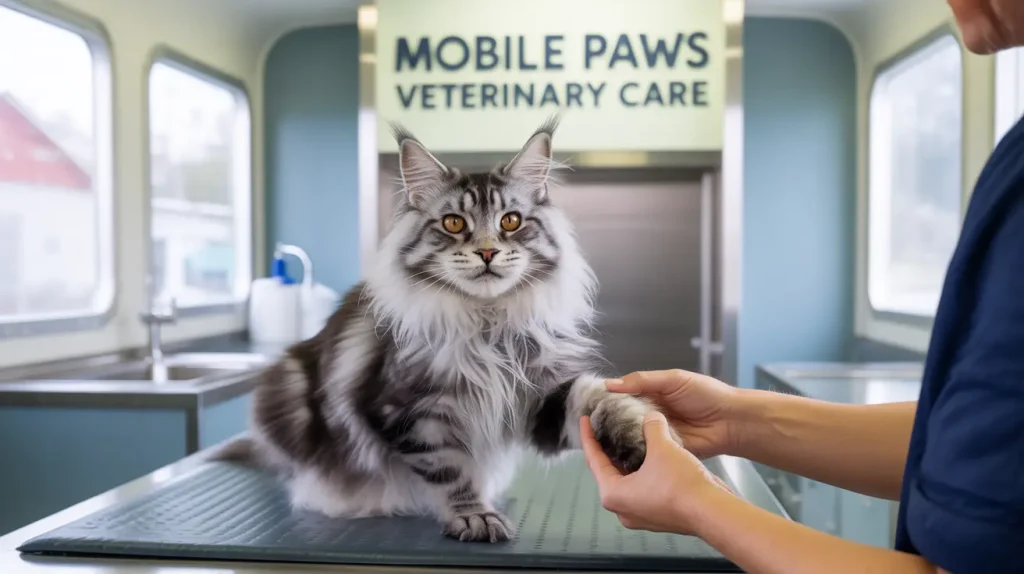
Mobile vet services and home visits offer a flexible way to care for stray cats. These services bring professional help directly to the cat’s location. This approach reduces stress for the animal and allows vets to work in a familiar environment for the cat.
Mobile vets are equipped to perform exams, vaccinations, and minor treatments on site. They can also provide advice on feeding, shelter, and long-term care. Home visits help overcome common barriers like transport difficulties or shy behavior.
Benefits Of Mobile Vet Care
- Less stress for the cat in a calm, familiar place.
- Immediate attention without the need for travel.
- Safe handling by professionals trained in stray cat care.
- Convenient for caretakers with limited time or transport options.
- Quick response to emergencies or sudden health issues.
- Personalized advice on the cat’s environment and needs.
How To Arrange Home Vet Appointments
Start by searching for local mobile vet services online. Check reviews and confirm they treat stray cats. Call to explain the situation and ask about availability.
Prepare a quiet space for the visit. Keep the cat safe in a carrier or secure area. Have any questions or concerns ready to discuss with the vet.
Confirm the appointment time and ask about costs. Some vets may offer sliding scale fees or charity support. After the visit, follow the vet’s care instructions carefully.

Credit: www.goodrx.com
Preparing A Stray Cat For Vet Visit
Preparing a stray cat for a vet visit can feel overwhelming, but the right approach makes all the difference. Stray cats often react out of fear, so your calm and careful actions set the tone. Getting them safely to the vet means thinking ahead about handling and the details the vet will need to know.
Safe Handling And Transport Tips
Start by choosing a sturdy cat carrier with a secure door. If you don’t have one, a cardboard box with air holes and a secure lid can work temporarily. Place a soft towel or blanket inside to help the cat feel a bit more comfortable and reduce sliding during transport.
Approach the cat slowly and speak in a gentle voice. Avoid sudden movements that could frighten them. Using gloves or a thick towel can protect you from scratches if the cat is scared or aggressive.
When placing the cat in the carrier, try to slide them in gently rather than forcing. If the cat resists, give them a moment to calm down and try again. Covering the carrier with a light cloth can help reduce visual stimuli and keep the cat calmer during the ride.
What Information To Provide The Vet
Be ready to share any observations you have about the cat’s condition. Mention if you noticed limping, coughing, sneezing, or any wounds. Even if the cat seems healthy, vets appreciate knowing about behavior changes or unusual signs.
Explain where and how you found the cat, including how long they might have been on the streets. This helps the vet assess possible exposure to diseases or parasites. If you’ve fed the cat, tell the vet what type of food was given and when.
Ask yourself: What would you want the vet to know if this were your pet? Providing thorough information helps the vet deliver the best care. Remember, the more details you can share, the better the vet can tailor the treatment.
Aftercare And Follow-up Options
After your stray cat receives veterinary care, the journey to full health continues at home. Proper aftercare and timely follow-up visits are essential to ensure your feline friend recovers well and stays healthy. Paying close attention to your cat’s condition and scheduling the right vet appointments can make all the difference in their recovery.
Monitoring Recovery At Home
Once your cat is back from the vet, watch for any changes in behavior or physical condition. Look out for signs like lethargy, loss of appetite, or unusual hiding, which may indicate complications.
Keep the recovery area quiet and comfortable. Providing a warm, safe space helps reduce stress and aids healing.
Remember to follow any medication schedules exactly as prescribed. Skipping doses or stopping treatments early can delay recovery or cause setbacks.
Scheduling Future Vet Visits
Your vet will likely recommend follow-up appointments to monitor progress. These visits help catch any issues early and adjust treatments if needed.
Mark your calendar as soon as you leave the clinic to avoid missing important check-ups. Consistency in vet visits can prevent small problems from becoming serious.
Ask your vet what signs you should watch for that require immediate attention. Knowing when to return to the clinic can save your cat’s life.

Credit: bowwowinsurance.com.au
Preventive Care For Stray Cats
Preventive care is vital for stray cats to ensure they live healthier lives. Stray cats face many health risks. Vaccination and parasite control protect them from common diseases. Spaying and neutering help control the stray cat population and improve their well-being. These steps reduce suffering and promote long-term health.
Vaccination And Parasite Control
Vaccines protect stray cats from serious illnesses. Common vaccines include rabies, feline distemper, and respiratory infections. Parasite control targets fleas, ticks, and worms. These parasites cause discomfort and spread diseases. Regular check-ups and treatments keep stray cats safe and healthy.
Spaying And Neutering Importance
Spaying and neutering prevent unwanted litters. Overpopulation leads to more stray cats without homes. These surgeries also reduce aggressive behavior and roaming. They lower the risk of certain cancers and infections. Spaying and neutering improve quality of life for stray cats and the community.
Frequently Asked Questions
Where Can I Find Low-cost Vet Care For Stray Cats?
Local animal shelters and nonprofit clinics often offer affordable or free vet services for stray cats. Check community resources or humane societies nearby. They provide vaccinations, spaying/neutering, and health checks at reduced rates to support stray cat welfare.
What Should I Do Before Taking A Stray Cat To The Vet?
Handle the cat gently and use a secure carrier to transport it safely. Avoid feeding immediately before the visit. Gather any visible health concerns to inform the vet for proper diagnosis and treatment.
Are Animal Shelters Good Places For Stray Cat Vet Care?
Yes, animal shelters typically provide initial medical exams and vaccinations for stray cats. They also offer advice on care and can guide you to additional veterinary services if needed.
Can I Take A Stray Cat To Any Vet Clinic?
Most vet clinics accept stray cats for care, but calling ahead is best. Some clinics specialize in feral or stray animals and offer specialized treatments and advice.
Conclusion
Taking a stray cat to a vet helps keep it safe and healthy. Local animal shelters and rescue groups often offer low-cost care. Some vets provide special services for stray or feral cats. Acting quickly can prevent serious health problems.
Caring for stray cats shows kindness and responsibility. Every small step makes a big difference for these animals. Find a trusted vet or shelter near you today. Give the stray cat the care it needs and deserves.

Lily Purrington is the founder of MyKittyPicks.com, a cozy corner of the web dedicated to helping cat lovers discover the best cat products, furniture, toys, and home decor ideas.
A lifelong cat enthusiast, Lily shares trusted tips, honest product recommendations, and stylish inspiration designed to keep kitties happy and homes beautiful.
Her mission is simple: to bring together practical advice and purr-fect picks that make life better for cats and the people who love them.


