
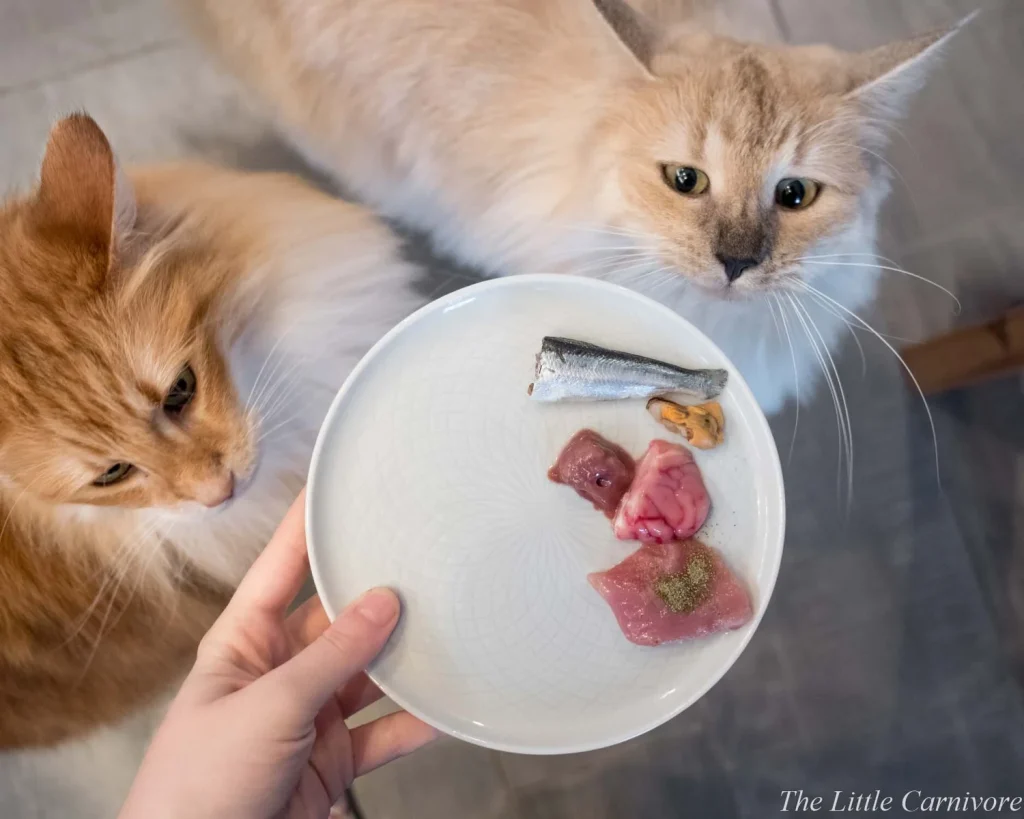
You want the best for your cat, right? Understanding what nutrition your feline friend truly needs is key to keeping them happy and healthy.
But with so many food options and conflicting advice, it’s easy to feel lost. What nutrients are essential? How can you make sure your cat gets everything they need? Keep reading, and you’ll discover simple, clear answers that will help you give your cat the perfect diet.
Your cat’s health depends on it—and you’ll feel confident every time you fill their bowl.

Credit: www.hindustantimes.com
Key Nutrients For Cats
Cats need special nutrients to stay healthy and strong. They rely on a balanced diet with essential nutrients.
This guide explains the key nutrients cats require for good health and well-being.
Proteins And Amino Acids
Proteins are vital for cats because they build muscles and repair tissues. Cats need more protein than many animals.
Amino acids are the building blocks of proteins. Some, like taurine, are essential and must come from food.
- High-quality animal proteins are best
- Taurine supports heart and eye health
- Proteins help with energy and growth
Fats And Fatty Acids
Fats provide cats with energy and help absorb vitamins. They also keep skin and fur healthy.
Essential fatty acids like omega-3 and omega-6 support brain function and reduce inflammation.
- Fats are a concentrated energy source
- Omega-3 supports brain and eye health
- Omega-6 helps skin and coat condition
Vitamins And Minerals
Vitamins and minerals help cats grow and stay healthy. They support the immune system and body functions.
Important vitamins include A, D, E, and B-complex. Minerals like calcium and phosphorus build strong bones.
| Vitamin/Mineral | Role in Cat Health |
|---|---|
| Vitamin A | Supports vision and skin health |
| Vitamin D | Regulates calcium and bone health |
| Calcium | Builds strong bones and teeth |
| Iron | Helps carry oxygen in blood |
Water Requirements
Water is essential for all life processes in cats. It helps regulate body temperature and remove waste.
Cats need fresh water daily. Wet food can also help increase their water intake.
- Always provide clean, fresh water
- Cats on dry food need more water
- Wet food boosts hydration
Types Of Cat Food
Cats need the right nutrition to stay healthy. Different types of cat food offer various nutrients.
Choosing the best food depends on your cat’s needs and lifestyle. Here are the main types of cat food.
Dry Food Benefits And Drawbacks
Dry cat food is easy to store and lasts a long time. It helps keep cats’ teeth clean by reducing plaque.
Dry food can be less expensive. It also allows cats to eat small amounts throughout the day.
- Easy to store and serve
- Supports dental health
- Usually cost-effective
- May have less moisture, which can affect hydration
- Some cats may find it less tasty
Wet Food Advantages
Wet cat food contains more water, which helps keep cats hydrated. It often smells and tastes better to cats.
Wet food is good for cats with dental issues or who need a softer diet. It also usually has higher protein levels.
- High moisture content supports hydration
- More appealing smell and taste
- Good for cats with chewing problems
- Usually higher in protein
- Can be more expensive and spoils faster
Raw And Homemade Diets
Raw and homemade diets give owners full control over ingredients. They can be fresh and free from fillers.
These diets need careful planning to meet all nutritional needs. Preparing food at home takes more time and effort.
- Control over quality and ingredients
- Often fresher than commercial food
- Requires balanced nutrition knowledge
- Time-consuming to prepare
- Risk of bacteria if not handled properly
Special Dietary Needs
Cats need different nutrition at each life stage. Their diet must match their age and health.
Some cats have special needs like allergies or weight problems. Feeding them right helps them stay healthy.
Kittens Vs Adult Cats
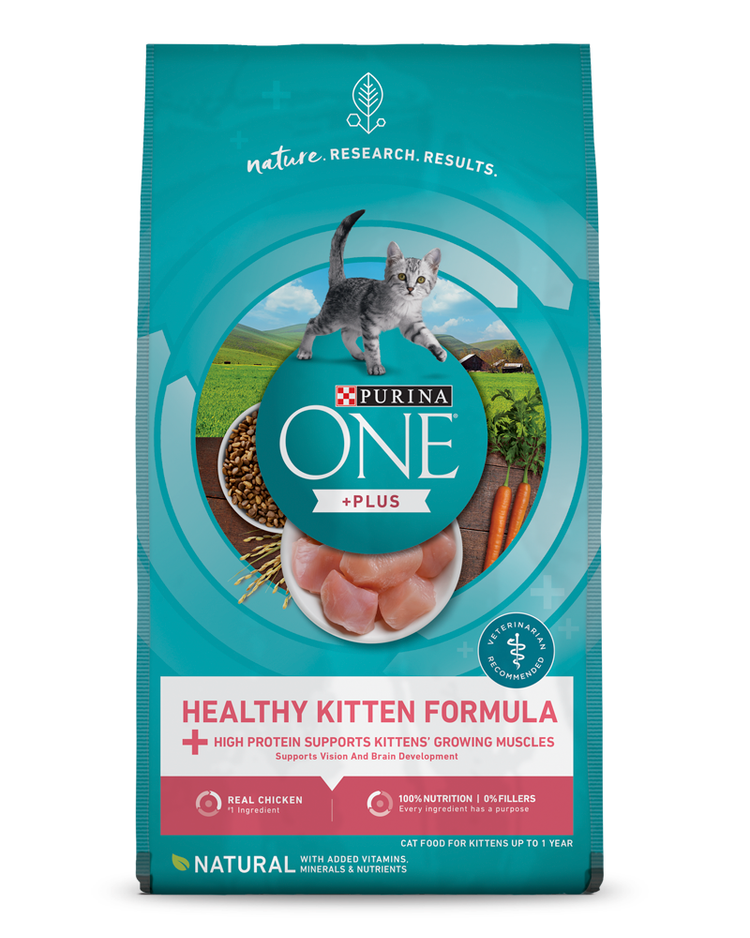
Kittens grow fast and need more calories and nutrients. Their food should support strong bones and muscles.
Adult cats need balanced food to keep their energy and health steady. They require fewer calories than kittens.
- Kittens need extra protein and fat
- Adults need maintenance-level nutrients
- Kittens benefit from DHA for brain growth
- Adult food helps prevent weight gain
Senior Cat Nutrition
Older cats digest food slower. They need easy-to-digest proteins and less fat.
Senior cats may need supplements for joints and a diet that supports kidney health.
- High-quality protein for muscle maintenance
- Lower calories to prevent obesity
- Added fiber for digestion
- Omega-3 fatty acids for inflammation
Managing Food Allergies
Cats can be allergic to some ingredients in food. Allergies may cause itching or stomach upset.
Elimination diets help find the cause. Special hypoallergenic foods reduce allergic reactions.
- Common allergens: beef, dairy, fish, wheat
- Use limited ingredient diets
- Try novel protein sources like duck or rabbit
- Consult a vet for allergy testing
Weight Management
Overweight cats face health risks like diabetes and joint problems. Managing weight improves life quality.
Portion control and low-calorie foods help keep cats at a healthy weight.
- Feed measured portions, not free feeding
- Choose high-protein, low-carbohydrate foods
- Encourage regular play and exercise
- Monitor weight and adjust diet as needed
Credit: www.petmd.com
Feeding Tips For Optimal Health
Cats need the right nutrition to stay healthy and active. Feeding them properly helps avoid health problems.
Learn how to feed your cat with the right portions, ingredients, and foods to avoid.
Meal Frequency And Portion Control
Feed adult cats two meals a day. Kittens need more frequent meals. Use portion control to avoid overeating.
- Measure food to match your cat’s weight and activity.
- Feed at the same times each day.
- Watch for signs of hunger or fullness.
Choosing Quality Ingredients
Pick foods rich in protein and low in fillers. Cats need meat-based ingredients for energy and health.
| Ingredient | Benefit |
| Chicken | High in protein |
| Fish | Good source of omega-3 |
| Rice | Easy to digest carbohydrate |
| Vegetables | Provide vitamins and fiber |
Avoiding Harmful Foods
Some foods can harm cats. Keep these away to ensure your cat’s safety.
- Do not feed chocolate or caffeine.
- Avoid onions, garlic, and grapes.
- Never give alcohol or raw dough.
- Limit dairy products as many cats are lactose intolerant.
Signs Of Nutritional Deficiencies
Cats need the right nutrition to stay healthy and active. Poor nutrition can cause health problems.
Recognizing signs of nutritional deficiencies helps you care for your cat better. Watch for changes in behavior and health.
Common Symptoms
Nutritional deficiencies can show in many ways. Some signs are easy to see, while others need closer attention.
- Dull or dry fur and hair loss
- Weight loss or poor growth
- Weakness and low energy
- Changes in appetite or eating habits
- Diarrhea or vomiting
- Swollen or bleeding gums
- Frequent infections or slow healing
- Behavior changes like irritability or lethargy
When To Consult A Veterinarian
See a vet if your cat shows any signs of poor nutrition. Early help can prevent serious illness.
The vet will check your cat’s health and may do tests. They can suggest the best diet and treatment.
- If your cat loses weight quickly
- If fur becomes very dull or falls out
- If your cat is weak or moves less
- If vomiting or diarrhea lasts more than a day
- If your cat stops eating or drinks too much
- If you notice mouth problems like sores or bad breath
Credit: www.purina.com
Frequently Asked Questions
What Essential Nutrients Do Cats Need Daily?
Cats need protein, taurine, fats, vitamins, and minerals daily. Protein supports muscles, taurine aids vision, and fats provide energy. Vitamins and minerals ensure overall health. A balanced diet meets all these nutritional needs effectively.
Why Is Taurine Important For Cat Health?
Taurine is crucial for cats as they cannot produce it themselves. It supports heart function, vision, and reproduction. A taurine deficiency can lead to serious health issues like blindness and heart disease. Cats must get taurine from their diet.
Can Cats Eat Carbohydrates Safely?
Cats can digest some carbohydrates, but they need minimal amounts. Their diet should primarily consist of protein and fat. Excess carbs can cause weight gain and digestive issues. High-quality cat food balances carbohydrate content appropriately.
How Much Water Should Cats Drink Daily?
Cats need about 50-60 ml of water per kilogram of body weight daily. Proper hydration supports kidney function and overall health. Wet cat food helps increase water intake. Always provide fresh, clean water for your cat.
Conclusion
Cats need a balanced diet to stay healthy and strong. Protein is key for their muscles and energy. They also need fats, vitamins, and minerals to feel their best. Fresh water helps keep them hydrated and active. Feeding your cat the right food supports a long, happy life.
Pay attention to their needs and changes in appetite. Good nutrition helps prevent many health problems. Caring for your cat starts with what you feed them daily. Simple steps make a big difference in their well-being.

Lily Purrington is the founder of MyKittyPicks.com, a cozy corner of the web dedicated to helping cat lovers discover the best cat products, furniture, toys, and home decor ideas.
A lifelong cat enthusiast, Lily shares trusted tips, honest product recommendations, and stylish inspiration designed to keep kitties happy and homes beautiful.
Her mission is simple: to bring together practical advice and purr-fect picks that make life better for cats and the people who love them.


