

Have you ever caught your feline friends acting a little strange and wondered if they might be in the throes of romance? Understanding whether your cats are mating can be a bit of a puzzle.
But deciphering this mystery is crucial, especially if you want to prevent unexpected litters or are simply curious about your cats’ behavior. You’ll discover the telltale signs of feline mating, helping you become more attuned to your cats’ needs and actions.
Keep reading to unlock the secrets of feline courtship and ensure you’re equipped to manage your cats’ amorous adventures. Don’t miss out on this essential knowledge—it’s time to see your cats in a whole new light!
Cat Mating Behavior
Cat mating behavior is a unique and instinctive process driven by natural urges. Observing these behaviors helps identify when cats are ready to breed. Both female and male cats show distinct signs during this time. Understanding these signs makes it easier to recognize mating activities.
Signs In Female Cats
- Frequent vocalizing, such as loud yowling or crying
- Restlessness and increased affection toward humans or other cats
- Raised hindquarters and tail to the side when touched
- Rolling on the floor and rubbing against objects or people
- Reduced appetite and changes in grooming habits
Signs In Male Cats
- Marking territory with strong-smelling urine
- Increased roaming and searching for females
- Frequent vocalizations like loud meowing or yowling
- Showing aggression toward other male cats
- Mounting behavior toward objects or other cats
Common Mating Actions
- The male follows and chases the female closely
- The female assumes a mating position with tail raised
- The male mounts the female from behind
- Brief but intense copulation, often lasting only seconds
- Post-mating vocalizing and grooming by both cats
Physical Changes During Mating
Physical changes during cat mating can be subtle yet telling. Observing these changes helps you understand what your cat is experiencing. Both female and male cats show distinct signs that signal mating behavior.
Changes In Female Cats
Female cats, or queens, display noticeable physical signs when they are in heat and mating. Their vulva swells and becomes more pronounced, often appearing redder than usual. You might also notice increased licking around the genital area as they try to soothe themselves.
Additionally, queens may vocalize loudly and frequently, which is a clear sign of readiness to mate. Their body posture changes too—often arching their back and raising their hindquarters to invite the male. These physical shifts are hard to miss if you pay close attention.
Changes In Male Cats
Males, or tomcats, also show specific physical changes during mating. Their testicles enlarge and become more prominent, signaling sexual readiness. You might observe restlessness and increased rubbing against objects or the female cat.
Tomcats often display a stiffened tail and may mount the female with a firm grip using their front paws. After mating, males sometimes vocalize or groom themselves intensely. Noticing these behaviors can help you confirm if your cat is actively mating.
Sounds And Vocalizations
Sounds and vocalizations are key clues when trying to figure out if your cats are mating. Cats use a variety of noises during this time, and paying attention to these can give you a clearer picture of their behavior. These sounds often signal different stages or emotions involved in the mating process.
Typical Mating Calls
Female cats, or queens, often produce loud, persistent yowling sounds during heat. These calls can be sharp and intense, sometimes lasting for several minutes. The purpose is to attract male cats, or toms, and announce their readiness to mate.
Male cats respond with their own vocalizations, which are usually more urgent and sometimes include growls or hisses. These sounds can indicate competition or excitement as they try to win the female’s attention. You might hear a mix of meows, chirps, and even some rougher noises during this period.
What Vocal Cues Mean
High-pitched yowls from a female generally mean she’s in heat and inviting mating. If the yowling turns into frantic or distressed sounds, it could signal discomfort or rejection of a male’s advances. Understanding these subtle differences helps you know if the mating process is progressing or if your cat needs space.
Male cats often use deep, throaty sounds to show dominance or excitement. Loud hisses or growls between males may mean competition is heating up. Have you noticed your cats’ vocal patterns change when they’re around each other? Paying close attention to these cues can help you better manage their interactions and avoid stress.
Credit: www.pethealthclub.com
Timing And Frequency
Understanding the timing and frequency of cat mating behavior helps you recognize when your feline might be involved in this natural process. Cats don’t mate randomly; their behavior follows distinct biological rhythms and environmental cues. Observing these patterns gives you practical clues to identify if your cat is mating or ready to mate.
Heat Cycle In Females
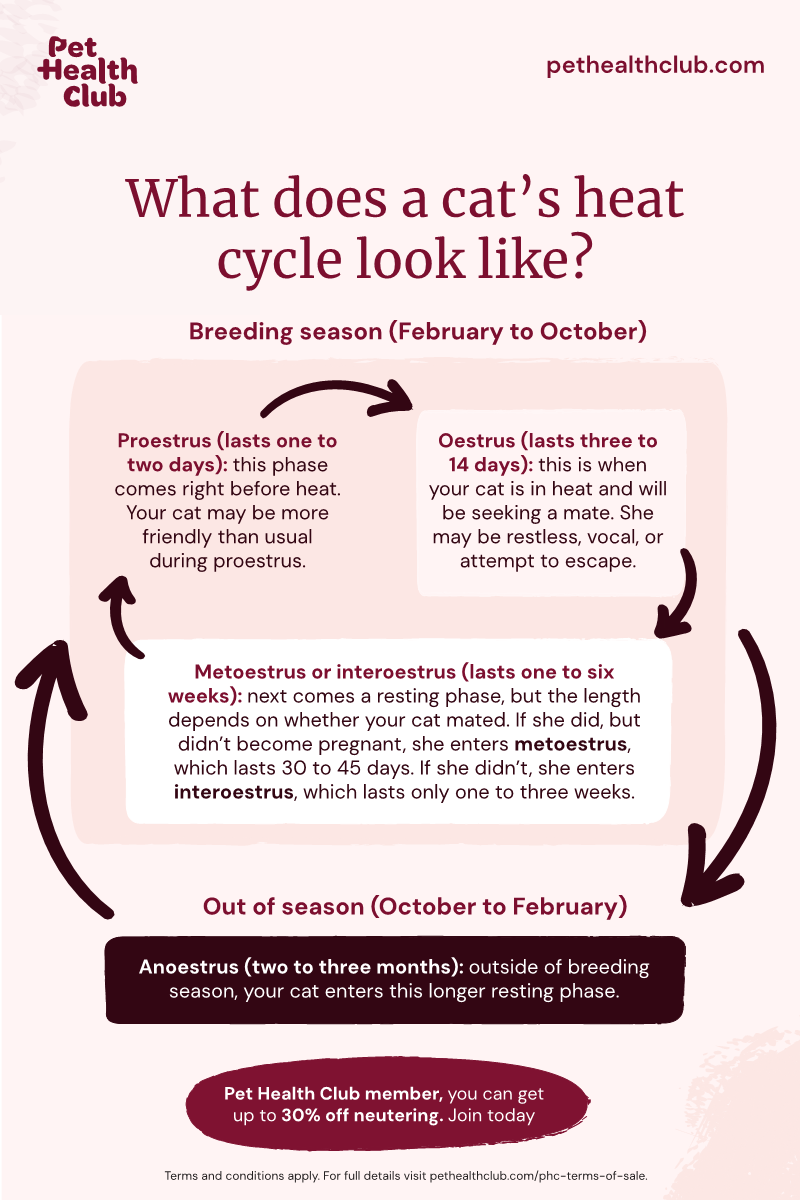
The female cat’s heat cycle is key to knowing when mating occurs. It usually lasts about 7 to 10 days and repeats every two to three weeks if the cat does not become pregnant. During this period, your cat may become more vocal, restless, and affectionate.
You might notice your cat rubbing against furniture, rolling on the floor, or assuming a mating stance with her rear end raised. These signs indicate she is in estrus and ready to mate. If you see these behaviors often, pay attention to the timing—they usually happen during the heat cycle.
Mating Season Trends
Cats tend to mate more frequently during certain times of the year, especially in spring and early summer. This is because longer daylight hours trigger hormonal changes that start the heat cycle in females. Males become more active and competitive during these months as well.
In my experience with neighborhood cats, I noticed a spike in mating behaviors right after winter. This pattern helps you predict when your cat might be mating or seeking a mate. Do you observe changes in your cat’s behavior with the seasons? Tracking these trends can help you understand their mating frequency better.
Expert Tips For Observation
Observing cats during mating can feel tricky, especially if you want to respect their space while ensuring everything is going smoothly. Knowing what signs to look for and how to watch without disturbing them makes a big difference. Below are some expert tips that can help you monitor your cats safely and effectively.
Safe Ways To Monitor Cats
Keep your distance to avoid stressing the cats. Use a quiet corner or a room with a clear view where you can watch without being noticed. Avoid sudden movements or loud noises, as these can interrupt natural behavior.
Using a camera or phone to record from afar is a smart move. This lets you check details later without hovering too close. Make sure your equipment is discreet and doesn’t shine bright lights.
When To Intervene
Intervention is rarely needed, but you should step in if you see signs of aggression or distress. Cats may hiss or swipe during mating, but constant fighting or vocalizing means something’s wrong. If one cat appears injured or overly stressed, separate them calmly.
Ask yourself: Is the behavior natural or harmful? If unsure, consult a vet for advice. Your goal is to keep the experience safe and comfortable for both cats.
Recording Mating Behavior
Documenting what you observe can help you understand your cats better. Use a simple notebook or a note app to jot down times, actions, and reactions. This record can reveal patterns or issues that might need attention.
Photos or videos provide clear proof for vets or breeders if questions arise later. You might notice subtle signals, like tail positions or vocalizations, that indicate readiness or discomfort. Have you ever caught a moment on video that surprised you? That’s the kind of detail worth capturing.
Credit: www.pethealthclub.com
After Mating Care
After your cats have mated, paying close attention to their care is essential. Proper after mating care helps ensure the health of both the female and potential kittens. It also prevents stress and complications that can arise during this delicate time.
Health Check For Cats
Once mating occurs, schedule a vet visit for your female cat. The vet can perform a thorough health check to rule out infections or injuries caused during mating. This checkup is crucial because even small wounds can lead to serious infections if left untreated.
Keep an eye on your cat’s behavior and appetite over the next few days. If she seems lethargic, refuses to eat, or shows signs of discomfort, contact your vet immediately. Early intervention can prevent bigger health issues down the line.
Signs Of Pregnancy
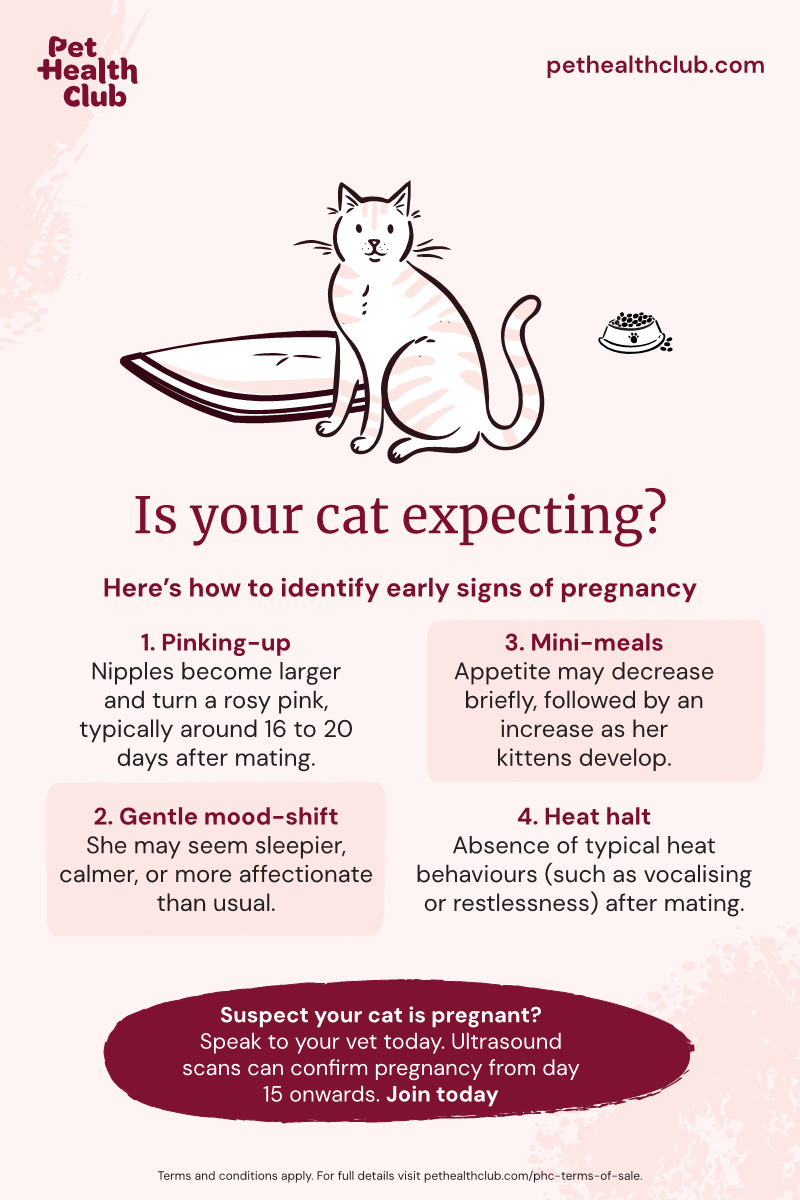
Noticing early signs of pregnancy can help you prepare for your cat’s needs. Look for changes such as increased appetite, weight gain, and swelling of the nipples, which usually appear about two weeks after mating. Your cat might also become more affectionate or seek out quiet, cozy places to rest.
Have you observed your cat acting differently after mating? These subtle changes often signal that she is pregnant. Tracking these signs helps you provide better care and catch any problems early.
Preventing Unwanted Litters
If you want to avoid unexpected kittens, consider spaying your cat after confirming her reproductive status. Spaying not only prevents future litters but also reduces the risk of certain cancers and infections. Discuss the best timing for the surgery with your vet.
Another option is to keep your male and female cats separated after mating to avoid repeated breeding. Remember, responsible pet ownership includes making decisions that protect your cat’s health and well-being.

Credit: www.petscare.com
Frequently Asked Questions
How Can I Tell If My Cats Are Mating?
Cats show behaviors like vocalizing loudly, restlessness, and mounting. Female cats in heat display lordosis, signaling readiness to mate. These signs help identify if cats are mating.
What Are Common Cat Mating Behaviors?
Common behaviors include loud yowling, increased affection, and rubbing against objects. Males may fight or spray to mark territory. Females often exhibit rolling and tail raising when receptive.
How Long Does Cat Mating Last?
Cat mating typically lasts only a few seconds to minutes. The act is brief but may be repeated multiple times during the female’s heat cycle.
Do Cats Make Noise When Mating?
Yes, cats often vocalize loudly during mating. Females emit loud yowls, which is normal and part of their mating behavior.
Conclusion
Cats show clear signs when they are mating. You may notice changes in behavior and sounds. Female cats often call loudly and act restless. Male cats may become more aggressive or protective. Watching these signs helps you understand your cats better.
It also helps you care for them during this time. Pay close attention to their actions and environment. Knowing these signs keeps your cats safe and healthy. Stay patient and watch carefully. Caring for cats means understanding their natural habits well.

Lily Purrington is the founder of MyKittyPicks.com, a cozy corner of the web dedicated to helping cat lovers discover the best cat products, furniture, toys, and home decor ideas.
A lifelong cat enthusiast, Lily shares trusted tips, honest product recommendations, and stylish inspiration designed to keep kitties happy and homes beautiful.
Her mission is simple: to bring together practical advice and purr-fect picks that make life better for cats and the people who love them.


