

Carrying a cat might seem simple, but if you don’t do it right, your furry friend can get scared or even scratch you. You want to keep your cat calm and comfortable every time you pick them up.
Imagine how much easier trips to the vet or quick moves around the house would be if your cat trusted your touch. You’ll discover easy, practical steps to carry your cat safely and gently. By the end, you’ll feel confident and your cat will feel secure—making every hold a moment you both enjoy.
Keep reading to learn how to make carrying your cat stress-free for both of you.
Credit: www.lillyandmax.com
Choosing The Right Moment
Choosing the right moment to carry your cat is key to a calm experience. Cats are sensitive and can get stressed easily. Picking a time when your cat feels safe helps build trust. Watch your cat’s mood and body language to know the best time. This makes carrying smooth for both of you.
Signs Your Cat Is Ready
Look for signs that show your cat is calm and relaxed. A cat that is purring or kneading is usually happy. Soft blinking and a relaxed tail also mean your cat feels safe. Your cat may approach you or rub against your hand. These actions show your cat might enjoy being picked up.
- Calm breathing and relaxed muscles
- Soft eyes and slow blinking
- Tail held low or gently waving
- Approaching you without hesitation
- Enjoying petting or gentle touch
Avoiding Stressful Situations
Do not pick up your cat if it seems scared or angry. Avoid loud noises or busy places. If your cat hides or hisses, wait for a better time. Avoid carrying your cat during playtime or meal times. Respect your cat’s space and mood to keep it calm.
- Avoid carrying when the cat is hiding
- Do not pick up during loud noises
- Stay away from busy or crowded areas
- Wait until the cat is calm after play
- Never force your cat to be held
Preparing Yourself
Preparing yourself before carrying a cat makes the experience better for both of you. Cats can sense your mood and body language. Staying calm helps your cat feel safe and relaxed. This preparation lowers stress and prevents sudden movements or scratches. Taking time to get ready shows respect for your cat’s feelings and needs.
Calming Your Cat First
Start by finding a quiet place with no distractions. Speak softly to soothe your cat’s nerves. Gentle petting can help your cat relax. Watch for signs of stress, such as tail flicking or ears back. If your cat seems tense, pause and give it a moment to settle. Calm energy encourages your cat to trust you.
Using Treats And Toys
Treats work well to distract and reward your cat. Offer small, tasty treats to create positive feelings. Toys also help shift your cat’s focus to play, not fear. Use a favorite toy to engage your cat before lifting. This makes your cat more willing to be held. Combining treats and toys builds a good experience around carrying time.
Safe Carrying Techniques
Carrying a cat safely is essential for both you and your feline friend. Using the right techniques helps your cat feel secure and reduces stress or injury risks. Let’s look at how you can hold your cat comfortably and confidently.
Supporting The Chest And Hindquarters
Always support your cat’s chest with one hand while using the other to lift and support the hindquarters. This balanced hold prevents strain on their spine and keeps them stable.
Imagine lifting your cat with just one hand under their front legs—you’d feel uneasy, right? Cats feel the same way. Proper support makes them calm and less likely to squirm or scratch.
If your cat is small, use both hands gently but firmly. For larger cats, it’s even more important to support their weight evenly. This shows you respect their comfort and safety.
Cradling Vs. Upright Hold
Cradling your cat is like holding a baby—you tuck them close to your chest. This hold works great for relaxed cats who enjoy cuddling and want to feel secure.
On the other hand, the upright hold keeps your cat sitting on your forearm with their body vertical. This is useful if your cat prefers to see their surroundings or if you need to keep them alert.
Which hold you choose depends on your cat’s personality. Does your cat enjoy quiet moments with you, or are they curious and alert? Try both and watch how your cat responds.
- Cradling:Use when your cat is calm and trusts you.
- Upright Hold:Use when your cat feels active or nervous.

Credit: medium.com
Handling Different Cat Types
Handling different cat types requires understanding their unique needs. Each cat has its personality. This affects how they like to be held. Knowing the right way to carry them ensures their comfort and safety.
Carrying Kittens
Kittens are fragile and need gentle handling. Support their chest and bottom with your hands. Use one hand to cradle their chest. Use the other to support their hindquarters. Ensure they feel secure and close to your body. This prevents wiggling and possible falls.
Managing Large Or Nervous Cats
Large cats need extra support due to their weight. Place one hand under their chest. Use the other hand to support their hindquarters. Keep them close to your chest for added security.
Nervous cats might resist being picked up. Approach them calmly and avoid sudden movements. Gently place your hands as you would with large cats. Speak softly to reassure them. If they struggle, it’s best to put them down and try later.
Common Mistakes To Avoid
Carrying a cat can be tricky. Many owners make common mistakes that upset their pets. These errors cause stress and make cats resist being held. Avoiding these mistakes helps build trust. It also makes the experience calm and safe for both of you.
Grabbing Too Quickly
Sudden moves scare cats. Reaching out fast can startle them. Cats need time to feel safe. Move slowly and speak softly before touching. Rushing can make cats scratch or run away. Always let the cat see your hands first. This reduces fear and builds comfort.
Ignoring Body Language
Cats use their body to show feelings. Ignoring these signs causes problems. Watch ears, tail, and eyes for clues. If ears flatten or tail twitches, the cat feels stressed. Look for stiff body or growling sounds. Stop holding if the cat shows discomfort. Respecting signals keeps your cat calm and happy.

Credit: www.amazon.com
Using Carriers And Aids
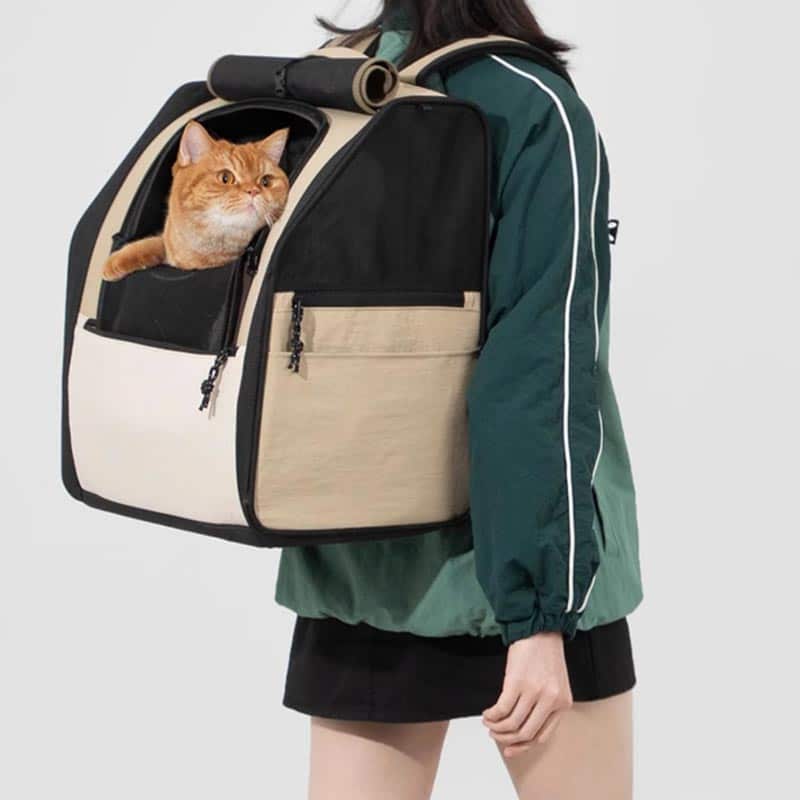
Carriers and aids keep cats safe and calm during travel. Choose a well-ventilated carrier that fits your cat comfortably. Secure your cat gently inside and carry with steady hands to avoid stress.
Carrying your cat safely and comfortably is essential for both of you. Using carriers and aids can make the process easier and more enjoyable. It’s not just about convenience—it’s about ensuring your feline friend feels secure and stress-free.Choosing The Right Carrier
Selecting the perfect carrier can make all the difference. Ensure the carrier is spacious enough for your cat to stand, turn around, and lie down comfortably. Ventilation is key, so opt for a carrier with multiple mesh windows. Consider the material. Hard carriers offer more protection, especially during travel, while soft carriers are lightweight and easier to carry. Reflect on your specific needs and preferences. A top-loading option can make it easier to place your cat inside.Transitioning Cats To Carriers
Transitioning your cat to using a carrier shouldn’t be a daunting task. Start by leaving the carrier open in a common area, allowing your cat to explore it at their own pace. Place a familiar blanket or toy inside to create a sense of familiarity. Reward curiosity. Use treats or playtime to encourage your cat to venture into the carrier voluntarily. Gradually increase the time your cat spends inside, closing the door briefly to build comfort and confidence. Remember, patience is your ally. How do you coax your cat into feeling at home in a new space? Share your experiences in the comments!Tips For Transport And Travel
Transporting your cat safely and comfortably can make all the difference during travel. Cats are sensitive creatures who can easily become stressed in new environments. Paying attention to their needs and behavior helps create a smoother journey for both of you.
Keeping Cats Calm On The Go
Start by familiarizing your cat with the carrier before any trip. Leave the carrier open at home with a cozy blanket and some treats inside. This makes the carrier a safe space, reducing anxiety when travel time comes.
During travel, keep the environment as quiet as possible. Soft, calming music or a gentle voice can soothe your cat’s nerves. Avoid sudden movements and loud noises, as these can trigger panic.
Have you noticed how some cats respond to pheromone sprays? These sprays mimic natural calming scents and can ease stress during transport. Try spraying the carrier 15 minutes before placing your cat inside to help them relax.
Safety Precautions During Travel
Always secure your cat in a well-ventilated, sturdy carrier. Ensure the carrier is the right size—big enough for your cat to turn around comfortably but not so big that they slide around.
Never hold your cat on your lap or in your arms while driving. Unsecured pets can distract you and risk injury during sudden stops. Instead, place the carrier on the floor or securely fastened with a seatbelt.
Keep essentials handy: water, a small bowl, and a few snacks. Long trips may require breaks for hydration and comfort. Also, avoid feeding your cat right before travel to prevent nausea.
Signs Your Cat Is Uncomfortable
Knowing when your cat feels uncomfortable is key to carrying them safely and calmly. Cats have subtle ways of showing stress that you might miss if you’re not paying close attention. Recognizing these signs early can help you avoid scratches, bites, and a lot of unnecessary stress for both of you.
Recognizing Stress Signals
Your cat’s body language says a lot. Look for signs like flattened ears, a twitching tail, or wide, staring eyes. These often mean your cat is feeling uneasy or scared.
Listen closely too. Hissing, growling, or sudden meows can be clear warnings. Even a sudden stiffening of their body or trying to pull away tells you they want to be left alone.
Think about your cat’s usual behavior. Does your normally calm cat suddenly seem restless or agitated when you approach? That’s a red flag you should notice before picking them up.
Responding To Resistance
If your cat resists being carried, don’t push it. Forcing them can break trust and make future attempts harder. Instead, pause and let them calm down.
Try to gently soothe your cat with soft words or slow petting before trying again. You can also change your approach—maybe lift them from under their chest and support their back legs, instead of grabbing from the scruff.
Ask yourself: Is there something in the environment stressing your cat out? Sometimes noises, other pets, or even a new smell can make them uneasy. Adjusting these factors can make carrying time easier for both of you.
Frequently Asked Questions
How Do I Safely Pick Up A Cat?
To safely pick up a cat, support its chest with one hand and its hind legs with the other. Approach calmly and avoid sudden movements. Hold the cat close to your body to make it feel secure and prevent struggling.
What Is The Best Way To Carry A Nervous Cat?
For a nervous cat, wrap it gently in a soft towel or blanket. Hold it close to your chest to provide comfort. Speak softly to calm the cat and avoid sudden movements that might increase anxiety.
Can I Carry My Cat With One Hand?
Carrying a cat with one hand is not recommended. It can cause discomfort and stress. Always use both hands to support the cat’s chest and hindquarters for safety and comfort.
How Long Should I Carry My Cat At Once?
Carry your cat for short periods, ideally under five minutes. Long carrying sessions may stress your cat. Always watch for signs of discomfort and let your cat down if it struggles.
Conclusion
Carrying a cat can be easy with the right steps. Hold your cat gently but firmly. Support its body to keep it calm and safe. Watch your cat’s reactions to avoid stress or fear. Practice patience and kindness every time you carry your cat.
This helps build trust and makes your cat feel comfortable. Remember, each cat is different, so learn what your cat likes best. Carrying your cat well keeps both of you happy and relaxed. Simple care makes a big difference in your cat’s life.

Lily Purrington is the founder of MyKittyPicks.com, a cozy corner of the web dedicated to helping cat lovers discover the best cat products, furniture, toys, and home decor ideas.
A lifelong cat enthusiast, Lily shares trusted tips, honest product recommendations, and stylish inspiration designed to keep kitties happy and homes beautiful.
Her mission is simple: to bring together practical advice and purr-fect picks that make life better for cats and the people who love them.


