
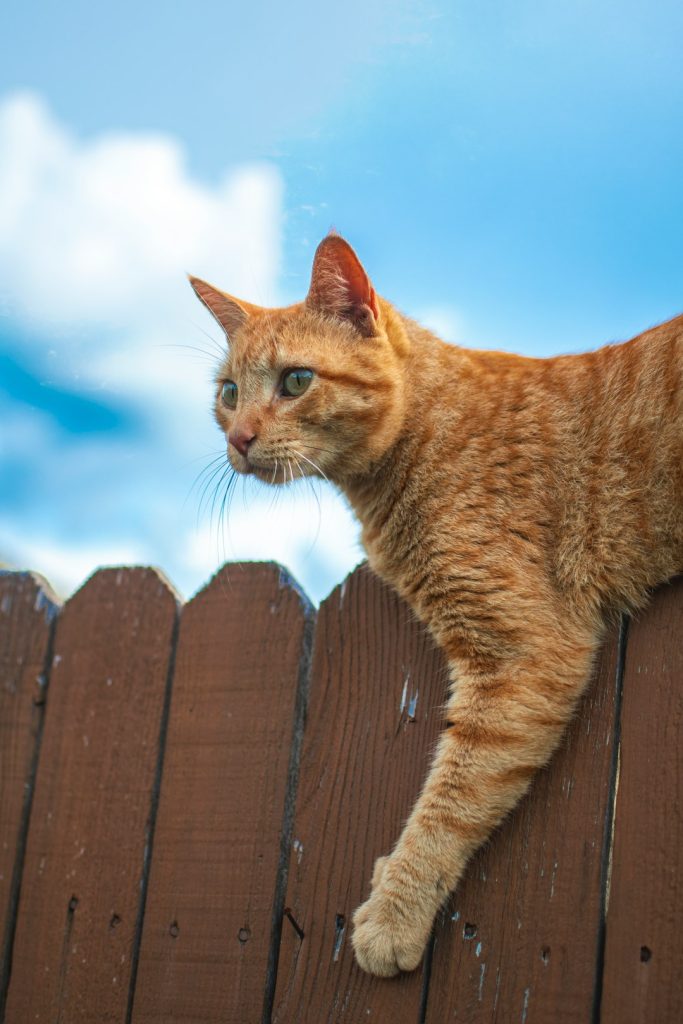
Are you tired of stray cats constantly wandering into your yard? Their presence can be frustrating, from digging up your plants to leaving unwanted messes.
But what if you could keep your outdoor space peaceful and cat-free without harming them? You’ll discover simple, effective ways to prevent stray cats from coming into your yard. Keep reading to find easy steps that protect your garden and create a safe, comfortable space for you and your family.
Identify Why Cats Visit
Stray cats may visit your yard for many reasons. Understanding why they come helps you stop them.
Some cats look for food, shelter, or a safe place to rest. Knowing their reasons helps you protect your yard.
Attractants In Your Yard
Cats are drawn to yards with easy food sources or cozy hiding spots. These attractants make your yard inviting.
Common attractants include open trash cans, pet food left outside, and bird feeders. Cats also like gardens and dense bushes.
- Leftover pet food or water outside
- Trash or compost bins with food scraps
- Bird feeders with seeds and spilled food
- Dense shrubs or tall grass for hiding
- Warm places like sunny spots or vents
Common Cat Behaviors
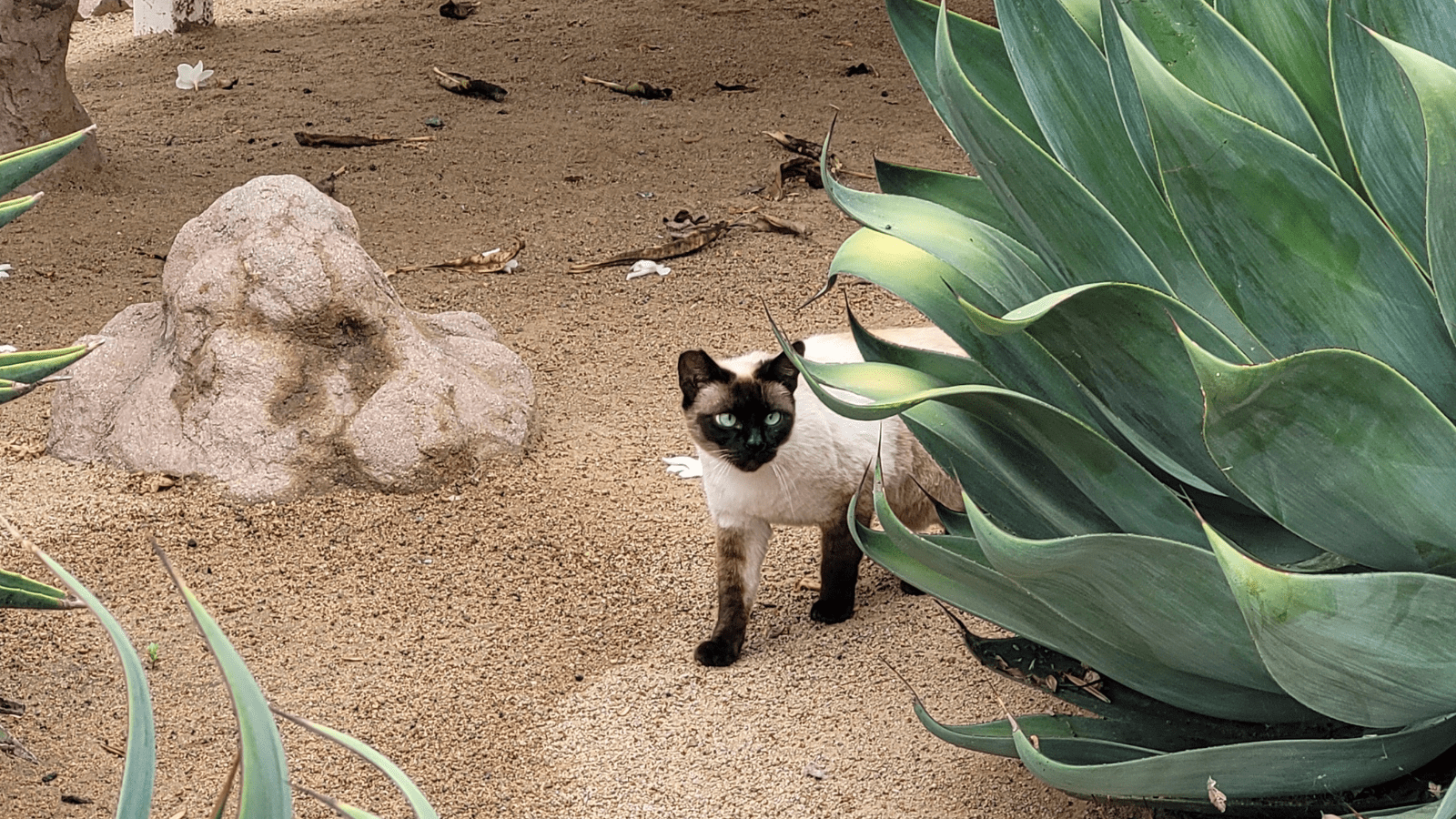
Cats visit yards to hunt, explore, or mark territory. They also look for safe places to rest or hide.
You may see cats scratching fences, spraying to mark, or resting in quiet corners. Understanding these helps you notice their patterns.
- Scratching to mark territory or sharpen claws
- Spraying urine to claim space
- Hiding in bushes or under porches
- Hunting small animals or insects
- Resting in warm, quiet areas
Credit: trapandreturn.com
Remove Food Sources
Stray cats often come into yards looking for easy food. Removing food sources helps keep them away.
Focus on managing trash and avoid feeding cats outside. This reduces their attraction to your yard.
Secure Trash Bins
Trash bins can attract stray cats if left open or damaged. Keep bins closed tightly to block access.
- Use bins with secure lids or locks
- Fix any holes or tears in trash bags
- Clean bins regularly to remove food smells
- Place bins away from yard entrances
Avoid Outdoor Feeding
Feeding cats outside encourages them to return often. Stop outdoor feeding to reduce visits.
| Reasons to Avoid Outdoor Feeding | How It Helps |
| Attracts stray cats | Reduces their presence |
| Feeds pests like raccoons | Keeps yard cleaner |
| Encourages dependence | Promotes natural hunting |
Use Natural Deterrents
Stray cats can be a problem in your yard. Using natural deterrents keeps them away safely.
Natural methods work without harming the cats or the environment. You can try plants and scents.
Plants Cats Dislike
Cats avoid some plants because of their smell or texture. Planting these can help keep cats out.
- Lavender – cats dislike its strong scent
- Rue – a bitter-smelling herb cats avoid
- Rosemary – its smell keeps cats away
- Pennyroyal – a minty plant cats dislike
- Citronella – cats dislike its lemon smell
Place these plants around your yard or garden edges to block cats from entering.
Scent Repellents
Cats have a strong sense of smell. Certain scents can keep them away from your yard.
- Citrus peels like orange, lemon, or lime
- Vinegar sprayed lightly around garden edges
- Essential oils such as eucalyptus or peppermint
- Coffee grounds spread in flower beds
- Commercial natural cat repellents with safe ingredients
Use these scents regularly to maintain a cat-free yard. Replace or refresh often.
Credit: dengarden.com
Install Physical Barriers
Stray cats can cause problems in your yard. One way to stop them is to use physical barriers. These barriers keep cats out without hurting them.
Physical barriers create a clear boundary. They make it hard for cats to enter your yard. This helps protect your garden and outdoor space.
Fencing Options
Fences can block stray cats from entering your yard. Choose a fence that is tall and hard to climb. Solid fences work better than open ones.
You can add cat-proof features to your fence. For example, add a slanted top or a smooth surface to stop cats from climbing over.
- Use a fence at least 6 feet tall
- Add a smooth metal or plastic topper
- Fill gaps at the bottom to block entry
- Consider wire mesh for extra protection
Motion-activated Sprinklers
Motion-activated sprinklers spray water when they detect movement. This surprises cats and makes them leave the area. The water is safe and does not harm the cats.
These sprinklers work well because cats dislike getting wet. They learn to avoid your yard after a few sprays. Place sprinklers where cats often come.
- Set sprinklers near entry points
- Adjust sensitivity to avoid false triggers
- Use in areas with power or batteries
- Check and refill water regularly
Maintain Your Yard
Keeping your yard tidy helps stop stray cats from visiting. Cats look for places with food, shelter, and hiding spots.
By maintaining your yard, you can make it less attractive to stray cats. This keeps your space clean and safe.
Clean Up Debris
Remove leaves, sticks, and trash from your yard. Debris can hide food or create places for cats to hide. Keep your lawn trimmed and free of clutter.
- Pick up fallen fruit and pet food
- Clear brush piles and tall grass
- Store trash bins with tight lids
- Remove old boxes or wood stacks
Limit Shelter Spots
Stray cats need shelter from weather and predators. Limit places where cats can hide or rest in your yard.
| Common Shelter Spot | How to Limit |
|---|---|
| Under decks or porches | Seal gaps with lattice or panels |
| Wood piles | Store wood off the ground and covered |
| Thick bushes | Trim bushes regularly to reduce cover |
| Garages or sheds | Keep doors closed and repair holes |
Consider Humane Trapping
Stray cats often wander into yards, creating challenges for homeowners. Humane trapping is a method to manage this issue safely.
By using humane traps, you can capture cats without harm. This approach helps in controlling the stray cat population responsibly.
Trap-neuter-return Programs
Trap-Neuter-Return (TNR) programs are effective in managing stray cat populations. These programs humanely trap cats, neuter them, and then return them to their territory.
This process helps reduce the number of stray kittens. It also minimizes unwanted behavior like spraying and fighting.
- Trapped cats are neutered by a vet
- Cats are returned to their original location
- Programs are supported by local animal groups
Local Animal Control Resources
Local animal control can offer resources and support. They may provide traps or guidance on how to manage stray cats.
Contacting them can help you understand local laws. They might also have partnerships with TNR programs.
- Check with local shelters for advice
- Some areas offer free trapping services
- Animal control can advise on best practices

Credit: www.reddit.com
Frequently Asked Questions
How Can I Keep Stray Cats Out Of My Yard?
Remove food sources, secure trash bins, and block hiding spots. Use motion-activated sprinklers or ultrasonic repellents to deter cats effectively.
What Natural Repellents Work Against Stray Cats?
Citrus peels, coffee grounds, and vinegar sprays repel cats naturally. Planting lavender or rue can also discourage them from entering your yard.
Is Fencing Effective In Preventing Stray Cats?
Yes, installing a tall, smooth fence can limit cat entry. Adding cat-proof barriers or rollers on top increases effectiveness.
Can I Use Humane Traps To Remove Stray Cats?
Humane traps capture cats without harm. Contact local shelters for safe relocation or assistance with feral cat management.
Conclusion
Preventing stray cats from entering your yard takes patience and simple steps. Use natural repellents and remove food sources. Keep your yard clean and secure entry points. Small changes make a big difference over time. Stay consistent with your efforts every day.
A peaceful yard is possible with care and time. Keep trying different methods until you find what works best. Your yard can become a safe space for you and your pets.

Lily Purrington is the founder of MyKittyPicks.com, a cozy corner of the web dedicated to helping cat lovers discover the best cat products, furniture, toys, and home decor ideas.
A lifelong cat enthusiast, Lily shares trusted tips, honest product recommendations, and stylish inspiration designed to keep kitties happy and homes beautiful.
Her mission is simple: to bring together practical advice and purr-fect picks that make life better for cats and the people who love them.


