
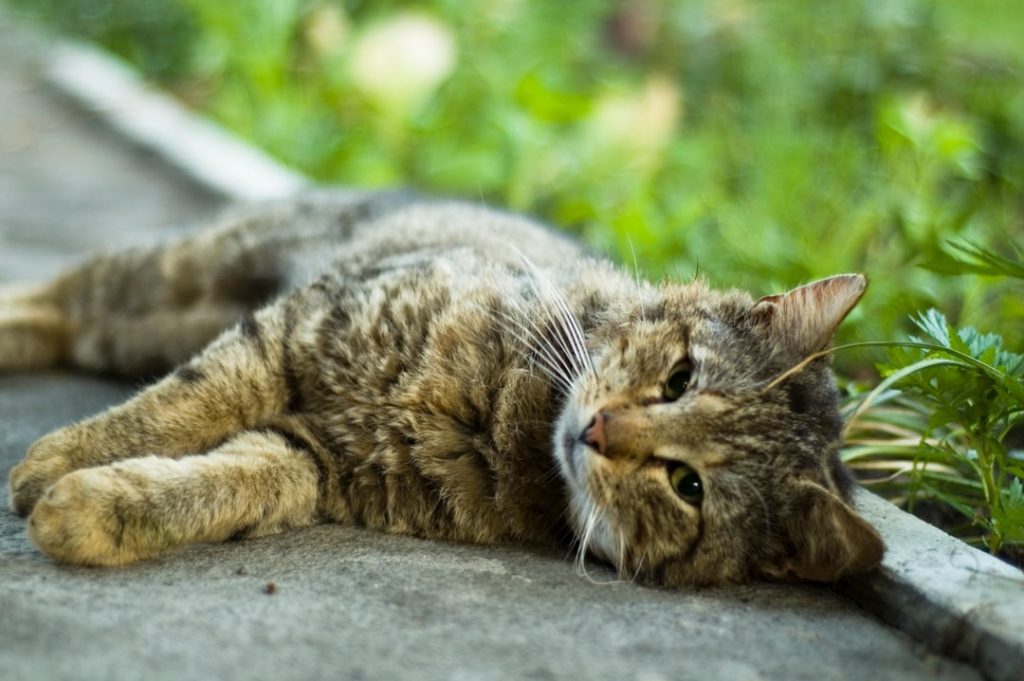
Have you noticed your cat drinking more water than usual or acting unusually tired? These could be signs that something is wrong with your furry friend’s kidneys.
Kidney disease in cats is common but often goes unnoticed until it’s serious. Understanding the symptoms early can make a huge difference in your cat’s health and happiness. You’ll learn the key signs to watch for and what you can do to help your cat live a healthier life.
Keep reading to protect your beloved pet before it’s too late.

Credit: videohighlight.com
Common Kidney Disease Symptoms
Kidney disease in cats can show many signs. It is important to know these early symptoms to help your cat quickly.
Many symptoms affect how your cat drinks, eats, and behaves. Watch for changes in daily habits and health.
Increased Thirst And Urination
Cats with kidney disease often drink more water than usual. This causes them to urinate more often. You may notice your cat visiting the litter box frequently or outside it.
Loss Of Appetite
A sick cat may stop eating or eat less. Kidney problems can cause a bad taste in their mouth or nausea. This lowers their desire to eat regular food.
Weight Loss
Weight loss happens because cats eat less and their body does not work well. Muscle loss and a thinner look are common signs.
Lethargy And Weakness
Kidney disease can make cats feel tired and weak. They may sleep more and play less. This drop in energy is a warning sign.
| Symptom | Signs to Watch For |
|---|---|
| Increased Thirst | Drinks much more water than usual |
| Frequent Urination | Uses litter box often or accidents outside |
| Loss of Appetite | Refuses food or eats less |
| Weight Loss | Noticeably thinner body and less muscle |
| Lethargy | Less active, sleeps more than normal |
| Weakness | Struggles with jumping or walking |
| Vomiting and Nausea | Throws up or shows stomach discomfort |
Vomiting And Nausea
Vomiting can happen if the kidneys do not remove waste well. Cats may also lick their lips or drool from feeling sick. Watch for these signs closely.

Credit: www.vetopia.com.hk
Behavioral Changes
Kidney disease in cats can cause many changes in their behavior. These changes may be signs that your cat is not feeling well. Watching for these signs can help catch the disease early.
Behavioral changes often appear before physical symptoms. Knowing what to look for helps you care for your cat better.
Hiding Or Withdrawal
Cats with kidney disease often hide more than usual. They may stay in quiet, dark places. This happens because they feel tired or sick.
Withdrawal from family and play is common. Your cat may seem less social and less interested in attention.
Decreased Grooming
Cats usually groom themselves daily. Kidney disease can make grooming hard or less important to them. This may lead to a messy or dull coat.
- Fur looks oily or unkempt
- Hair mats or clumps appear
- Bad smell from the fur
- Skin may look dry or flaky
Changes In Sleeping Patterns
| Change | What It Means |
|---|---|
| Sleeping more than usual | Cat may feel weak or tired |
| Restlessness at night | Discomfort or pain can cause this |
| Difficulty finding a comfortable position | Kidney issues may cause body aches |
Physical Signs
Kidney disease in cats often shows through changes in their body. These signs tell you when your cat needs help. Watch for changes in their mouth, skin, and overall look.
Noticing these physical signs early can help your cat get care. The signs may seem small but are important to catch.
Bad Breath And Mouth Ulcers
Bad breath in cats with kidney disease smells very strong and unpleasant. This happens because waste builds up in their blood.
Mouth ulcers may appear as sores or red spots inside the mouth. These can make eating painful for your cat.
- Strong, foul odor from the mouth
- Red or swollen sores inside the mouth
- Difficulty eating or chewing
Dehydration Signs
Kidney disease makes cats lose more water, causing dehydration. Their skin may feel dry and less stretchy.
You can check dehydration by gently pinching the skin. If it stays up instead of falling back, your cat is dehydrated.
- Dry mouth and nose
- Skin stays up when pinched
- Sunken eyes
- Less urination or very dark urine
Pale Or Yellowish Gums
Healthy gums are pink, but kidney disease can make them pale or yellow. This change shows problems with blood or liver function.
Check your cat’s gums by gently lifting their lips. Look for any color change as a warning sign.
- Gums appear very light or white
- Gums look yellow or jaundiced
- Gums may bleed or look swollen
Advanced Symptoms
Kidney disease in cats can worsen over time. Advanced symptoms show serious health problems.
Recognizing these symptoms helps you get proper care for your cat quickly.
Swelling Or Fluid Retention
Swelling happens when the kidneys fail to remove extra fluid. This causes puffiness in the legs, belly, or face.
- Swollen paws or legs
- Bloated belly
- Visible puffiness around the eyes or face
- Weight gain without eating more
Seizures Or Tremors
Seizures or tremors happen when toxins build up in the blood. The kidneys can no longer clean the blood well.
| Symptom | Description |
| Seizures | Sudden, uncontrolled body movements or convulsions |
| Tremors | Shaking or trembling of the limbs or head |
| Disorientation | Confused or unsteady behavior |
Breathing Difficulties
Breathing problems occur when fluid builds up in the lungs. The cat may breathe fast or struggle to breathe.
- Rapid breathing
- Open-mouth breathing
- Wheezing or coughing
- Weakness or fatigue during breathing
When To See A Vet
Kidney disease in cats can show many signs. Some are easy to miss at first. Knowing when to visit a vet helps protect your cat’s health.
Early vet visits can catch kidney problems sooner. This helps your cat get the right care fast.
Early Detection Importance
Finding kidney disease early can slow its progress. Cats often hide illness well. Watching for small changes is key.
Early treatment can improve your cat’s comfort. It may also help your cat live longer with better quality.
- Increased thirst or urination
- Loss of appetite or weight
- Lethargy or weakness
- Bad breath or mouth sores
- Vomiting or diarrhea
Diagnostic Tests For Kidney Disease
Your vet uses tests to check kidney health. These tests find disease even before signs appear.
Common tests include blood work and urine analysis. They show how well the kidneys work.
- Blood tests check waste levels in the blood
- Urine tests measure concentration and protein
- Ultrasound checks kidney size and shape
- Blood pressure tests detect related problems
Credit: www.goodrx.com
Managing Kidney Disease
Kidney disease in cats requires careful attention. Managing it helps improve a cat’s life quality.
Understanding symptoms and treatment options is vital. This helps in providing better care for your cat.
Dietary Adjustments
Diet is important for cats with kidney disease. A special diet helps manage symptoms effectively.
Low protein and phosphorus foods are recommended. They reduce kidney strain and maintain health.
- Provide wet food for hydration.
- Consult a vet for a balanced diet plan.
- Ensure steady access to fresh water.
Medication Options
Medication can help manage kidney disease. It is important to follow the vet’s instructions closely.
Medications help control symptoms like nausea and high blood pressure. They can improve your cat’s comfort.
- Always give medication as prescribed.
- Monitor for side effects and inform the vet.
- Do not skip doses for effective treatment.
Regular Monitoring
Regular monitoring is essential for managing kidney disease. It helps track the cat’s health status.
Blood tests and urine analysis are common. They help assess kidney function and detect any issues early.
- Schedule vet visits regularly.
- Keep track of your cat’s weight and appetite.
- Note any changes in behavior or habits.
Frequently Asked Questions
What Are The Early Signs Of Kidney Disease In Cats?
Early signs include increased thirst, frequent urination, and decreased appetite. Cats may also show weight loss and lethargy. Spotting these symptoms early helps in timely veterinary care and better management of kidney disease.
How Does Kidney Disease Affect A Cat’s Behavior?
Cats with kidney disease often become less active and hide more. They may show irritability or confusion due to toxin buildup. Behavioral changes signal declining kidney function and need prompt veterinary attention.
Can Kidney Disease Cause Vomiting In Cats?
Yes, vomiting is a common symptom of kidney disease in cats. It occurs due to toxin buildup and nausea. Persistent vomiting requires immediate veterinary evaluation to manage kidney health effectively.
Why Do Cats With Kidney Disease Drink More Water?
Increased thirst happens because kidneys can’t concentrate urine properly. Cats try to flush out toxins by drinking more water. This symptom is a key indicator of kidney dysfunction.
Conclusion
Recognizing kidney disease symptoms in cats helps protect their health. Early signs like increased thirst or weight loss need quick attention. Watch your cat’s behavior for changes in appetite or energy. Regular vet visits can catch problems before they get worse.
Acting fast improves your cat’s comfort and quality of life. Stay alert and care with love. Your cat depends on you to notice these important signs.

Lily Purrington is the founder of MyKittyPicks.com, a cozy corner of the web dedicated to helping cat lovers discover the best cat products, furniture, toys, and home decor ideas.
A lifelong cat enthusiast, Lily shares trusted tips, honest product recommendations, and stylish inspiration designed to keep kitties happy and homes beautiful.
Her mission is simple: to bring together practical advice and purr-fect picks that make life better for cats and the people who love them.


