
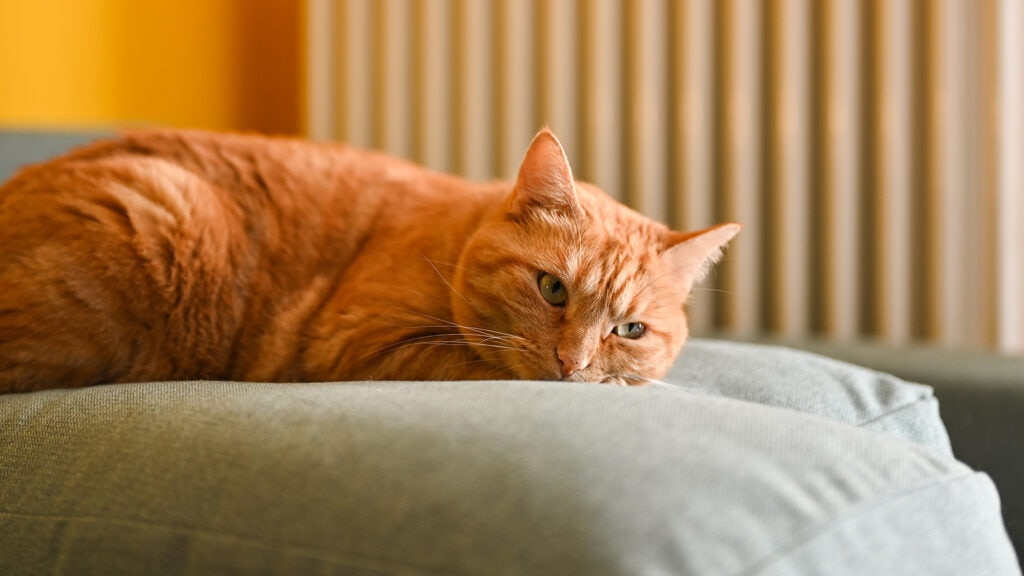
If your cat has been diagnosed with liver disease, you’re probably filled with questions and worries. One of the biggest concerns is often: how long can your furry friend live with this condition?
Understanding what to expect can help you prepare and make the best decisions for your cat’s care. You’ll discover important facts about liver disease in cats, how it affects their lifespan, and what you can do to give your pet the best chance at a longer, happier life.
Keep reading to find out how to support your cat through this challenging time.
Liver Disease In Cats
Liver disease is a serious health problem for cats. It affects how well the liver works in the body.
The liver helps clean the blood and digest food. When it is sick, cats may feel weak or sick.
Common Types Affecting Cats
Cats can get different types of liver disease. Some are caused by infections, others by toxins or fat buildup.
Knowing the type helps the vet treat the cat better.
- Hepatic Lipidosis (fatty liver disease)
- Chronic Hepatitis (long-term liver inflammation)
- Feline Infectious Peritonitis (FIP)
- Hepatic Cirrhosis (scarring of the liver)
- Cholangitis (inflammation of bile ducts)
Symptoms To Watch For
Signs of liver disease may be hard to see early on. Watch your cat for changes in behavior and health.
Common symptoms include:
- Loss of appetite
- Weight loss
- Vomiting and diarrhea
- Yellow gums or eyes (jaundice)
- Weakness or low energy
- Increased thirst and urination
- Swollen abdomen
Causes And Risk Factors
Liver disease can happen for many reasons. Some causes are preventable, others are not.
Common causes and risk factors include:
- Obesity and poor diet
- Exposure to toxins and poisons
- Infections from viruses or bacteria
- Genetic or breed predisposition
- Other illnesses like diabetes
- Age, as older cats have higher risk
Impact On Cat Lifespan
Liver disease can shorten a cat’s life. The liver helps clean the blood and make energy. When it fails, the cat feels weak and sick.
The length of time a cat lives with liver disease depends on many things. Early care can help cats live longer.
Stages Of Liver Disease
Liver disease in cats has different stages. Each stage shows how much the liver is damaged. Early stages may have few signs. Later stages cause serious health problems.
- Stage 1:Mild liver damage with no clear symptoms.
- Stage 2:Moderate damage, some signs like poor appetite.
- Stage 3:Severe damage with jaundice and weight loss.
- Stage 4:Liver failure, high risk of death.
Factors Influencing Survival Time
Survival time varies by many factors. Some cats live longer with good care. Others have shorter lives due to severe disease.
| Factor | Effect on Survival |
|---|---|
| Stage of Disease | Early stage cats live longer than late stage cats |
| Cat’s Age | Younger cats tend to recover better |
| Treatment | Proper treatment can extend life |
| Overall Health | Healthy cats survive longer |
| Cause of Liver Disease | Some causes respond better to treatment |
Diagnosis And Monitoring
Liver disease in cats requires careful diagnosis to understand its severity. Monitoring helps track the illness over time.
Regular checkups and tests help veterinarians adjust treatments and improve care for affected cats.
Veterinary Tests And Procedures
Vets use different tests to check the liver health of cats. Blood tests often show liver enzyme levels and other important markers.
- Blood chemistry panel to check liver enzymes
- Ultrasound to see liver size and texture
- Biopsy to examine liver tissue under a microscope
- X-rays to rule out other problems
These tests help find the cause of liver disease and guide treatment decisions.
Tracking Disease Progression
Tracking liver disease helps vets see if treatments work and if the condition worsens or improves.
| Test | Purpose | Frequency |
|---|---|---|
| Blood tests | Monitor liver enzymes and function | Every 1-3 months |
| Ultrasound | Check liver size and structure | Every 6-12 months |
| Physical exam | Assess overall health and symptoms | Every visit |
Good monitoring helps keep cats comfortable and may extend their life despite liver disease.

Credit: justcatsclinic.com
Treatment Options
Cats with liver disease need special care to help them live longer. Treatment focuses on supporting the liver and managing symptoms.
Different methods work together to improve your cat’s quality of life. These include medicine, diet changes, and extra support.
Medications And Therapies
Vets use medicines to help reduce liver damage and control symptoms. These can include drugs to protect liver cells and antibiotics to fight infections.
- Antioxidants help reduce liver stress.
- Anti-inflammatory drugs lower swelling.
- Antibiotics treat or prevent infections.
- Medications to support bile flow.
Dietary Adjustments
Good nutrition supports the liver and helps your cat stay strong. Diet changes focus on easy-to-digest foods with less fat and protein.
| Diet Type | Benefit |
| Low-Protein Diet | Reduces liver workload |
| High-Quality Protein | Supports body repair |
| Increased Carbohydrates | Provides energy |
| Vitamin Supplements | Boosts liver health |
Alternative And Supportive Care
Along with medicine and diet, extra care helps cats feel better. This may include fluids, rest, and herbal supplements.
Common supportive care methods include:
- IV fluids to prevent dehydration
- Herbal remedies like milk thistle
- Regular vet check-ups for monitoring
- Comfortable, quiet resting areas
Managing Quality Of Life
Cats with liver disease need special care to keep them comfortable. Managing their quality of life helps them live longer and feel better.
Understanding their needs and making changes can reduce stress and pain. This guide helps you support your cat well.
Recognizing Pain And Discomfort
Cats hide pain well, so watch for small signs. Changes in behavior often mean discomfort or pain.
Look for less activity, hiding, or changes in eating and grooming. Vocalizing or restlessness can also show pain.
- Less jumping or playing
- Hiding in quiet places
- Eating less or refusing food
- Less grooming or a messy coat
- Unusual meowing or growling
- Restlessness or pacing
Environmental And Lifestyle Changes
Make your cat’s space calm and easy to use. Avoid loud noises or sudden changes that can stress them.
Provide soft bedding and easy access to food, water, and litter boxes. Keep their area clean and warm.
- Use low-sided litter boxes for easy access
- Place food and water near resting spots
- Keep bedding soft and in a quiet room
- Limit loud noises and avoid sudden moves
- Offer gentle play and attention
When To Seek Palliative Care
Palliative care helps keep your cat comfortable when liver disease worsens. It focuses on reducing pain and stress.
Talk to your vet if your cat stops eating, seems very weak, or shows severe pain. They can suggest ways to ease suffering.
- Loss of appetite for several days
- Difficulty breathing or extreme weakness
- Constant crying or signs of pain
- Inability to move or stand
- Changes that affect daily comfort

Credit: amyshojai.com
Preventive Measures
Cats with liver disease need special care to live longer. Preventive measures can help maintain their health.
Monitoring their health and environment is crucial for managing liver disease. Simple steps can improve their quality of life.
Regular Vet Checkups
Regular vet checkups help track your cat’s liver health. Early detection of issues can prevent complications.
Veterinarians can provide treatments and adjustments to your cat’s care plan. This can ensure better health management.
- Schedule checkups every six months
- Discuss any changes in behavior with the vet
- Request liver function tests when necessary
Nutrition And Hydration Tips
Proper nutrition supports liver health in cats. A balanced diet can reduce stress on the liver.
Hydration is important for cats with liver issues. Ensure they have access to clean water at all times.
- Provide a diet rich in protein and low in fat
- Consult a vet for dietary supplements
- Encourage water intake with wet food
Avoiding Toxins And Hazards
Cats with liver disease are sensitive to toxins. Keeping harmful substances away is vital for their health.
Household items and certain plants can be dangerous. Ensure their environment is safe and hazard-free.
- Keep cleaning supplies out of reach
- Avoid feeding human foods like onions and garlic
- Remove toxic plants from the home

Credit: justcatsclinic.com
Frequently Asked Questions
How Long Can Cats Live With Liver Disease?
Cats with liver disease can live from months to years. Lifespan depends on disease severity, treatment, and overall health. Early diagnosis and proper care improve survival chances significantly.
What Are Common Symptoms Of Liver Disease In Cats?
Common symptoms include weight loss, vomiting, jaundice, lethargy, and appetite loss. Early signs may be subtle, so monitor your cat closely for any changes.
Can Diet Affect A Cat’s Liver Disease Prognosis?
Yes, a proper diet low in protein and rich in antioxidants supports liver function. Special veterinary diets can slow disease progression and improve quality of life.
Is Liver Disease In Cats Curable Or Manageable?
Liver disease is often manageable but rarely fully curable. Treatment focuses on controlling symptoms, slowing progression, and improving liver health through medication and diet.
Conclusion
Cats with liver disease can live for months or even years. Early diagnosis helps treat the condition better. Regular vet visits and proper care improve their quality of life. Diet changes and medicines support liver health. Every cat is different, so outcomes vary.
Watch your cat closely for any changes. Act quickly if symptoms get worse. Love and attention make a big difference. Stay informed and stay patient. Your care gives your cat the best chance.

Lily Purrington is the founder of MyKittyPicks.com, a cozy corner of the web dedicated to helping cat lovers discover the best cat products, furniture, toys, and home decor ideas.
A lifelong cat enthusiast, Lily shares trusted tips, honest product recommendations, and stylish inspiration designed to keep kitties happy and homes beautiful.
Her mission is simple: to bring together practical advice and purr-fect picks that make life better for cats and the people who love them.


