

Is your cat peeing outside the litter box? It can be frustrating and confusing, but you’re not alone.
Many cat owners face this problem and wonder how to stop it for good. Understanding why your cat is doing this and learning simple, effective steps can save you time, stress, and protect your home. Keep reading, and you’ll discover easy ways to prevent your cat from peeing where it shouldn’t—so you and your furry friend can enjoy a happier, cleaner home together.
Credit: vetic.in
Reasons Cats Pee Outside Litter Box
Many cat owners face the problem of their cats peeing outside the litter box. This behavior can be confusing and frustrating. Understanding why cats do this helps find the right solution.
Cats may avoid the litter box for several reasons. These include health problems, stress, litter box issues, or marking their territory.
Medical Issues
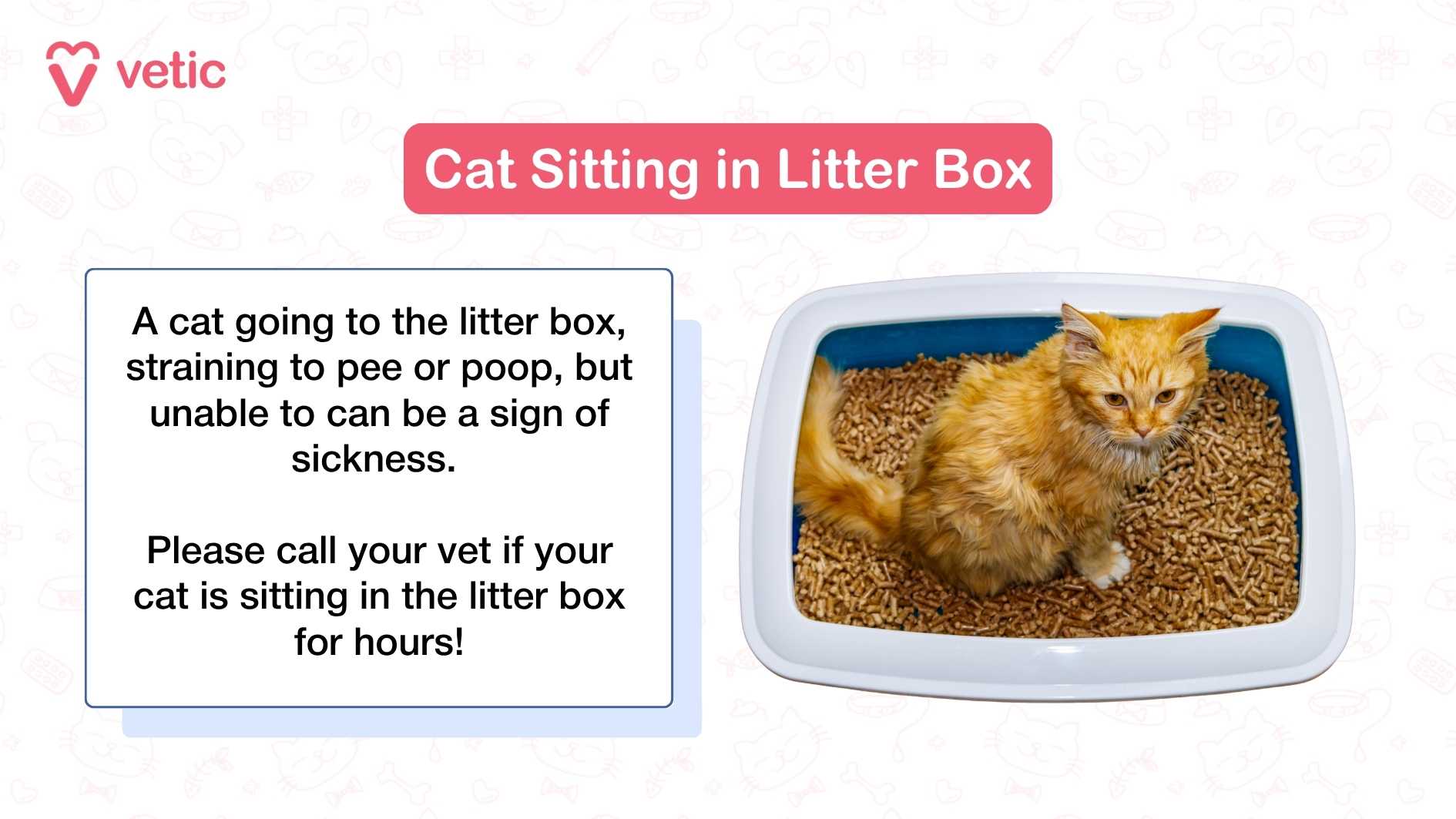
Health problems often cause cats to pee outside the litter box. Pain or discomfort can make it hard for them to use the box properly. Urinary tract infections and bladder stones are common causes.
If your cat suddenly starts peeing outside the box, visit a vet. The vet can check for infections or other medical issues.
Stress And Anxiety
Stress makes cats behave differently. Changes like new pets, moving homes, or loud noises can upset them. This can lead to urinating outside the litter box.
Giving your cat a calm and safe space helps reduce stress. Pay attention to their behavior and try to keep routines stable.
Litter Box Problems
Sometimes cats avoid the litter box because of the box itself. It may be dirty, too small, or in a noisy place. Cats like clean and quiet spots for their bathroom needs.
- Clean the box daily
- Use unscented litter
- Choose a large enough box
- Place box in quiet areas
Try having more than one litter box if you have multiple cats. This prevents overcrowding and keeps cats comfortable.
Territorial Marking
Cats sometimes pee outside the box to mark their territory. This is common in unneutered or unspayed cats. It shows other cats that this space belongs to them.
Neutering or spaying your cat can reduce marking behavior. Cleaning marked areas well also helps stop repeat marking.
Credit: pethelpful.com
Choosing The Right Litter Box
Choosing the right litter box helps stop cats from peeing outside. A good litter box fits your cat’s size and habits.
Many factors affect your cat’s comfort. Size, type, number, and placement all matter.
Size And Type
Pick a litter box that fits your cat’s body. Small boxes make cats avoid using them.
- Choose a box at least 1.5 times your cat’s length.
- Open boxes feel less crowded for some cats.
- Covered boxes help keep smell down but some cats dislike them.
- Self-cleaning boxes can help but may scare shy cats.
Number Of Boxes
Having enough boxes is important. Too few boxes cause accidents outside.
- One box per cat is the rule.
- Add one extra box if possible.
- Place boxes in different rooms for easy access.
Placement Tips
Put litter boxes in quiet, low-traffic spots. Cats want privacy when they go.
| Good Placement | Bad Placement |
|---|---|
| Quiet corner | Near loud appliances |
| Easy to reach | Far from where cat eats |
| Well-ventilated area | Humid or damp spaces |
Selecting Suitable Litter
Choosing the right cat litter can stop cats from peeing outside the box. Cats like certain textures and smells. Picking the best litter helps keep them happy.
Good litter also makes cleaning easier and keeps your home fresh. Let’s look at key points about litter texture, scent, clumping, and cleaning.
Texture And Scent
Cats prefer soft, sandy textures that feel natural. Rough or hard litter can scare them away. A light scent helps mask odors but strong smells may bother cats.
Unscented or lightly scented litter usually works best. Avoid perfumes or strong odors. Texture and scent together make the litter box inviting.
- Soft, sandy texture feels natural to cats
- Light or no scent is less likely to scare cats
- Strong perfumes can cause cats to avoid the box
Clumping Vs Non-clumping
Clumping litter forms solid clumps when wet. This makes it easy to scoop out waste. Non-clumping litter absorbs moisture but does not form clumps.
Many cats prefer clumping litter because it stays cleaner longer. It also helps owners keep the box fresh with less effort.
- Clumping litter is easy to clean
- Non-clumping litter absorbs moisture but needs full change often
- Choose based on your cat’s preference and cleaning routine
Cleaning Frequency
Cleaning the litter box often keeps cats from peeing outside. Dirty boxes make cats find other places. Scoop waste daily to keep the box fresh.
Change the litter completely once a week or as needed. A clean box invites cats to use it every time.
- Scoop waste at least once a day
- Change litter fully every week
- Wash the box with mild soap before refilling

Credit: www.reddit.com
Behavioral Training Techniques
Cats may pee outside the litter box due to stress or habits. Training helps change their behavior gently.
Using the right techniques can encourage cats to use their litter box again. Consistency is key in this process.
Positive Reinforcement
Reward your cat when it uses the litter box. This shows the cat that good behavior has benefits.
- Give treats immediately after the cat uses the box.
- Praise your cat with a soft voice to show approval.
- Play with your cat to create a happy connection.
- Keep the litter box clean to encourage use.
Redirecting Behavior
Guide your cat to use the litter box instead of other areas. Redirecting stops bad habits early.
- Watch your cat to learn where it likes to pee.
- Place a temporary litter box near the wrong spot.
- Slowly move the box to the correct place over days.
- Remove the box once the cat uses the right spot.
Using Deterrents
Deterrents help keep cats away from places they should not pee. Use safe methods to avoid stress.
| Deterrent Type | How It Works | Notes |
| Citrus Scents | Repels cats with strong smell | Use natural peels or sprays |
| Aluminum Foil | Uncomfortable texture on surfaces | Place on spots cats avoid |
| Motion-Activated Sprays | Sprays water when cat approaches | Use only indoors |
| Double-Sided Tape | Sticky surface deters walking | Safe and non-toxic |
Managing Stress And Environment
Cats sometimes pee outside the litter box due to stress. Creating a comfortable environment helps. Cats need safe spaces to relax and feel secure.
Managing stress and ensuring a stable environment can prevent unwanted behavior. Let’s explore ways to help your cat feel at ease.
Creating Safe Spaces
Cats like quiet spots to hide. Provide them with cozy beds or boxes. This gives them a sense of security and reduces stress.
Ensure these spaces are away from loud noises and busy areas. A peaceful environment encourages good litter box habits.
- Place beds in quiet corners
- Use soft blankets for comfort
- Avoid high-traffic areas
Routine And Consistency
Cats thrive on routine. Feed them at the same time daily. Clean the litter box regularly to keep it inviting.
Consistent routines help cats feel secure. They know what to expect and when, reducing stress-related accidents.
- Feed at regular times
- Keep the litter box clean
- Provide fresh water daily
Reducing Household Stressors
Identify and minimize stressors in your home. Loud noises and sudden changes can upset cats. Try to keep the environment calm.
Introduce new pets or furniture slowly. Give your cat time to adjust to any changes to prevent stress.
- Minimize loud noises
- Introduce changes gradually
- Provide toys for distraction
Addressing Medical Concerns
Cats may pee outside the litter box because of health problems. Checking medical issues helps keep your cat healthy.
Understanding when to see the vet and common urinary issues can stop accidents. Treatment keeps your cat comfortable.
When To Visit The Vet
Take your cat to the vet if it pees outside the box often. Sudden changes in bathroom habits can signal illness.
Other signs include straining to pee, blood in urine, or frequent trips to the litter box.
- Sudden urination outside the litter box
- Straining or pain while urinating
- Blood in the urine
- Frequent urination in small amounts
- Lethargy or loss of appetite
Common Urinary Issues
Urinary tract infections are common and cause discomfort. They make cats avoid the litter box.
Other problems include bladder stones and urinary blockages. These need quick care to prevent harm.
- Urinary tract infections (UTIs)
- Bladder stones or crystals
- Feline lower urinary tract disease (FLUTD)
- Urinary blockages
Treatment Options
Vets may give antibiotics for infections. Changing diet can help dissolve bladder stones.
In serious cases, surgery may be needed. Follow your vet’s advice to keep your cat healthy.
- Antibiotics for infections
- Special diets to prevent stones
- Increased water intake
- Surgery for blockages or stones
- Pain relief and anti-inflammatory drugs
Cleaning And Odor Control
Cats sometimes pee outside the litter box. This can create bad odors in your home. Proper cleaning and odor control can help stop this behavior.
Using the right products and techniques keeps your home fresh. It also encourages your cat to use the litter box again.
Effective Cleaning Products
Choose cleaning products that break down cat urine. Enzyme-based cleaners are excellent for this purpose. They remove the source of the odor, not just cover it up.
Avoid using ammonia-based cleaners. Cats may mistake the smell for their own urine and return to the spot.
- Enzyme cleaners are best for urine removal
- Avoid ammonia-based products
- Test cleaners on a small area first
Removing Stains And Smells
Act fast when you find a urine spot. Blot the area with paper towels to absorb the liquid. Apply an enzyme cleaner to the spot and let it sit for at least 15 minutes.
Rinse the area with clean water after the enzyme cleaner. Dry it with a clean towel. This helps to remove any remaining cleaner and urine.
- Blot fresh spots with paper towels
- Use enzyme cleaner for 15 minutes
- Rinse with water and dry
Preventing Repeat Accidents
Place litter boxes in quiet, accessible areas. Clean them regularly to keep them inviting. If your cat avoids the litter box, try changing the type of litter.
Stress can cause cats to pee outside the box. Try to identify any changes in your home that might affect your cat. Provide a calm environment for your pet.
- Place litter boxes in quiet areas
- Change litter type if needed
- Reduce stress for your cat
Frequently Asked Questions
Why Is My Cat Peeing Outside The Litter Box?
Cats may pee outside the box due to stress, illness, or dirty litter. Identifying the cause helps solve the issue quickly and effectively.
How Can I Stop My Cat From Peeing Indoors?
Keep the litter box clean, place it in a quiet area, and use unscented litter. Address any health problems promptly for best results.
What Litter Box Type Prevents Cats From Peeing Outside?
Cats prefer uncovered, spacious litter boxes with low sides. Choose a box that’s easy to access and clean to encourage use.
Can Stress Cause Cats To Pee Outside The Litter Box?
Yes, stress from changes, new pets, or loud noises can cause inappropriate urination. Providing a calm environment reduces this behavior.
Conclusion
Preventing cats from peeing outside the litter box takes patience and care. Watch your cat’s behavior closely every day. Keep the litter box clean and in a quiet place. Try different types of litter to find what your cat likes.
Make sure your cat feels safe and stress-free at home. Small changes often bring big results. With time and attention, your cat will use the litter box again. Trust the process and stay consistent. A happy cat means a happy home.

Lily Purrington is the founder of MyKittyPicks.com, a cozy corner of the web dedicated to helping cat lovers discover the best cat products, furniture, toys, and home decor ideas.
A lifelong cat enthusiast, Lily shares trusted tips, honest product recommendations, and stylish inspiration designed to keep kitties happy and homes beautiful.
Her mission is simple: to bring together practical advice and purr-fect picks that make life better for cats and the people who love them.


