
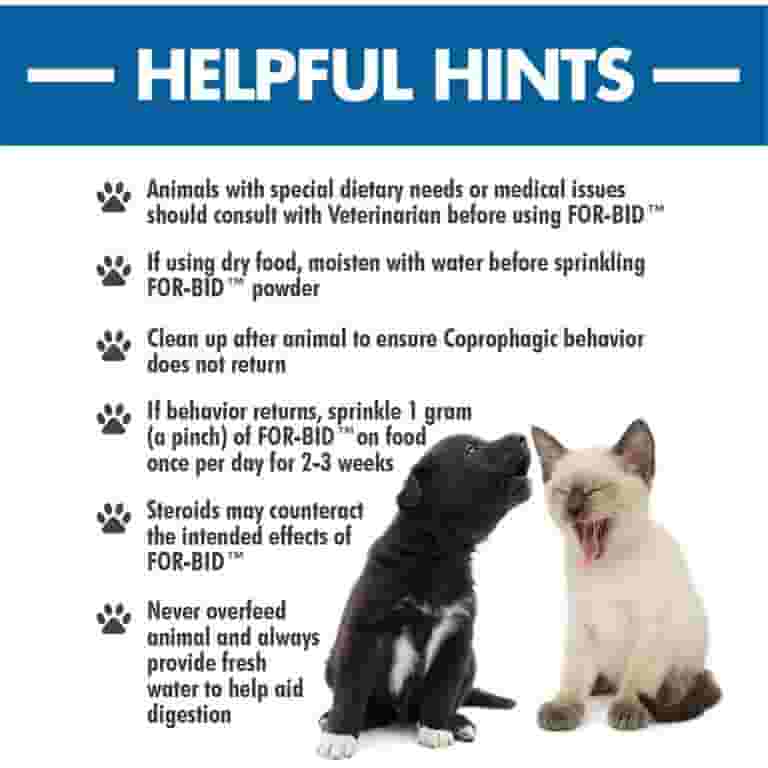
If you’re a dog owner with a cat at home, you’ve probably faced the frustrating problem of your dog eating cat poop. It’s not just gross—it can also be harmful to your dog’s health.
You want a clean, safe home for both your pets, but stopping this habit can feel tricky. Don’t worry, you’re not alone, and there are simple steps you can take right now to keep your dog away from cat litter.
Keep reading to discover effective ways to protect your furry friend and maintain a happy, healthy home.

Credit: www.amazon.com
Why Dogs Eat Cat Poop
Dogs sometimes eat cat poop, which can surprise their owners. This habit can cause health problems for dogs.
Understanding why dogs do this helps owners stop the behavior. There are a few main reasons dogs eat cat poop.
Nutritional Curiosity
Cat poop contains undigested food that may smell tasty to dogs. Dogs might eat it to get extra nutrients.
Sometimes dogs miss certain nutrients in their diet. They try to get these by eating cat feces.
Behavioral Reasons
Dogs explore the world with their mouths. Eating cat poop can be a way to explore smells and tastes.
Some dogs eat poop out of boredom or stress. This can become a habit if they get no other attention.
- Exploration of new smells
- Boredom or lack of mental stimulation
- Stress or anxiety behavior
Health Concerns
Eating cat poop can cause health problems for dogs. Cat feces may contain parasites or bacteria harmful to dogs.
Dogs that eat cat poop risk infections and digestive issues. Owners should watch for signs of illness.
- Parasite infections
- Bacterial infections
- Digestive upset
Risks Of Dogs Eating Cat Poop
Dogs may eat cat poop out of curiosity or boredom. This habit can cause serious health problems. Cat feces contain harmful things that can hurt your dog.
It is important to understand the risks. Knowing the dangers helps you keep your dog safe and healthy.
Parasites And Bacteria
Cat poop often has parasites and bacteria. These can infect your dog and cause illness. Common parasites include worms and protozoa.
- Roundworms can cause vomiting and diarrhea.
- Hookworms can lead to anemia and weakness.
- Bacteria like Salmonella can cause fever and stomach pain.
- Toxoplasma gondii may cause serious infections.
Toxic Substances
Cat feces sometimes contain toxic substances. These come from medications or chemicals in the cat’s body. Eating this can poison your dog.
| Substance | Source | Effect on Dogs |
| Antiparasitic drugs | Cat medication | Vomiting, tremors |
| Cleaning agents | Litter box residues | Stomach upset, burns |
| Heavy metals | Environmental contamination | Kidney damage |
Digestive Issues
Eating cat poop can cause many digestive problems in dogs. Their stomachs are not meant for this type of waste. This can lead to pain and diarrhea.
Common digestive issues include:
- Stomach upset and cramps
- Diarrhea and dehydration
- Loss of appetite
- Potential blockages in the intestines
Keeping The Litter Box Safe
Dogs often get curious about cat poop. This can cause health problems for your dog and a mess for you. Keeping the litter box safe helps stop dogs from eating cat poop.
There are simple ways to protect the litter box. This guide covers choosing covered litter boxes, placing them smartly, and cleaning regularly.
Choosing Covered Litter Boxes
Covered litter boxes block your dog’s access to cat poop. They also help control odors and keep the litter inside the box. Choose a box with a secure lid and small entrance that fits your cat but not your dog.
- Look for boxes with a locking lid
- Pick a size suitable for your cat’s comfort
- Use boxes with high sides to prevent spills
- Avoid open-top boxes if your dog is very curious
Strategic Placement
Where you place the litter box matters a lot. Put it in a quiet, low-traffic spot where your cat feels safe. At the same time, make sure it is hard for your dog to reach.
| Placement Tip | Reason |
| Use a room with a door | Close door to keep dog out |
| Place box on a high surface | Dogs cannot easily jump up |
| Keep away from dog’s food area | Reduce dog’s interest in litter box |
| Use baby gates with small openings | Cats can pass; dogs blocked |
Regular Cleaning
Cleaning the litter box often helps keep your dog away. Fresh litter smells less appealing to dogs. Cats also prefer a clean box, so they use it more.
- Scoop out waste at least twice daily
- Change litter fully once a week
- Wash the box with mild soap monthly
- Keep the area around the box clean

Credit: www.amazon.com
Training Your Dog
Dogs sometimes eat cat poop out of curiosity. Training can help stop this behavior. Use simple methods to teach your dog to avoid cat litter boxes.
Training takes time and patience. Consistent practice with your dog is important. You can teach them to follow commands and ignore distractions.
Basic Commands To Use
Basic commands help guide your dog’s actions. Teach them “leave it” to ignore cat poop. “Sit” and “stay” are also useful commands.
Practice these commands daily. Reward your dog when they obey. Consistency is key to successful training.
- “Leave it” to avoid unwanted objects
- “Sit” to calm and focus your dog
- “Stay” to keep your dog in place
Positive Reinforcement
Positive reinforcement encourages good behavior. Give treats or praise when your dog listens. This helps them understand what you want.
Rewards should be immediate. This way, your dog connects the reward with the behavior. Use treats they love for better results.
- Offer treats for obeying commands
- Use verbal praise to motivate
- Be consistent with rewards
Redirecting Attention
Redirect your dog’s attention from cat poop. Use toys or commands to shift their focus. This helps them ignore the litter box.
Engage your dog with activities they enjoy. Take them for walks or play games. Keeping them busy reduces unwanted behavior.
- Use toys to distract from cat poop
- Engage in playtime for mental stimulation
- Take your dog on regular walks
Using Deterrents
Dogs sometimes eat cat poop, which can be unhealthy. Using deterrents can stop this behavior safely.
Deterrents include safe repellents, physical barriers, and taste deterrents. These help keep dogs away from cat litter.
Safe Repellents
Safe repellents are sprays or powders that dogs dislike. They keep dogs from approaching the cat’s litter box.
These repellents use natural smells like citrus or vinegar. Dogs find these scents unpleasant but they are safe for cats.
- Citrus spray made from lemon or orange peels
- White vinegar diluted with water
- Commercial pet-safe repellent sprays
Physical Barriers
Physical barriers block dogs from reaching the cat litter. They create a clear boundary around the litter box area.
These barriers can be fences, gates, or special litter box covers. They stop dogs without hurting them.
- Small pet gates to block access
- Litter box covers with top entry
- Furniture or baby gates around the litter area
Taste Deterrents
Taste deterrents make cat poop taste bad to dogs. Dogs learn to avoid eating it after bad experiences.
These include safe powders or sprays added to the litter. They have bitter or unpleasant flavors that dogs dislike.
- Bitter apple spray safe for cats
- Commercial taste deterrent powders
- Adding small amounts of safe spices like turmeric
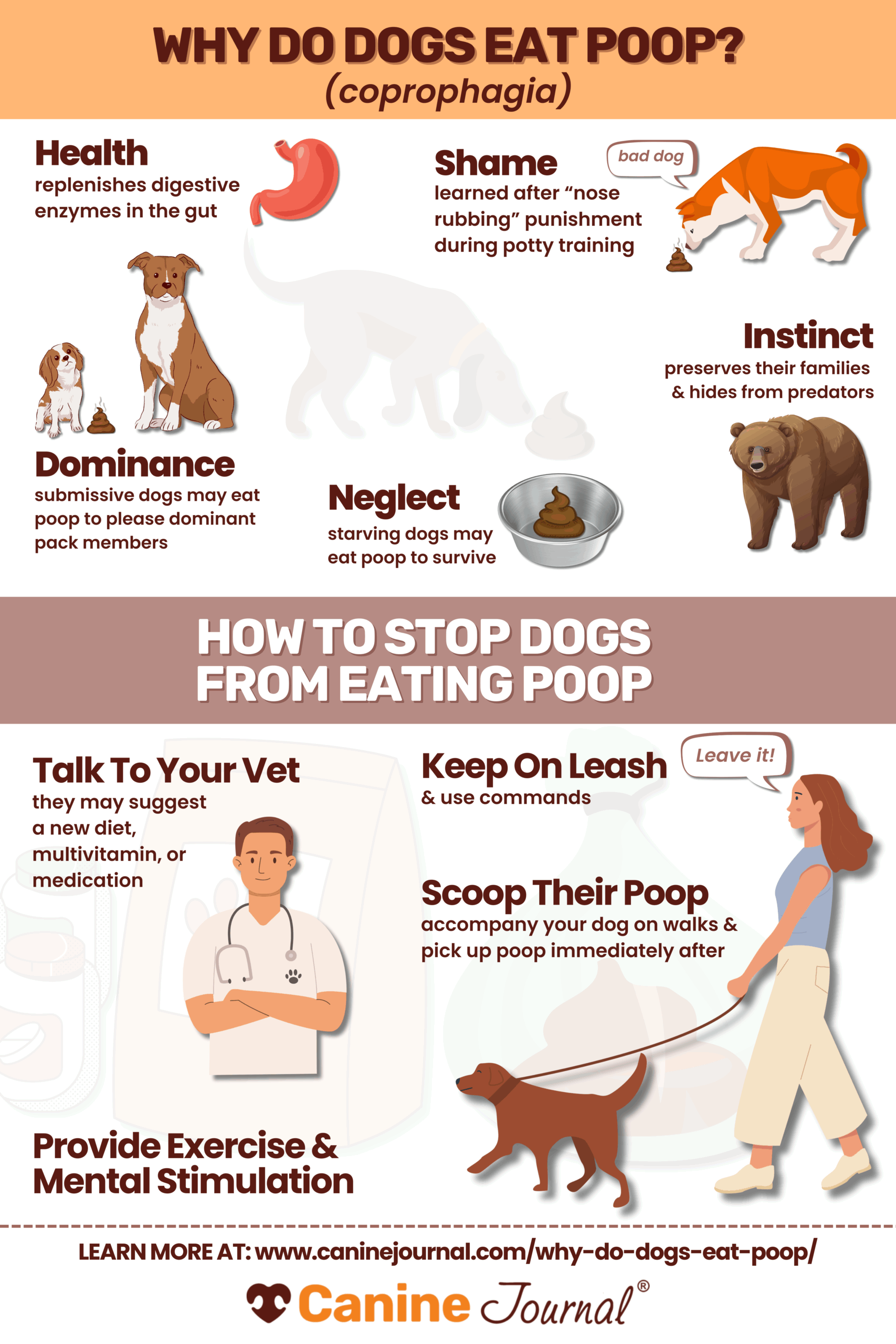
Credit: www.caninejournal.com
Diet And Health Adjustments
Dogs eating cat poop can be a troubling habit. It may be linked to dietary or health issues. Adjusting diet and health can help curb this behavior.
Let’s explore some ways to address this through balanced nutrition, supplements, and regular vet checkups.
Balanced Nutrition
A balanced diet is key for your dog’s health. It can also reduce unwanted eating habits. Make sure your dog gets all essential nutrients.
- Include proteins like chicken or fish
- Add vegetables like carrots and peas
- Ensure proper vitamins and minerals
Supplements To Reduce Interest
Some supplements can make cat poop less appealing. These may include digestive enzymes or specific deterrents.
Regular Vet Checkups
Regular vet checkups are important. They can identify health issues that may cause unusual eating habits.
| Checkup Frequency | Recommended Actions |
| Every 6 months | Full health assessment |
| Annually | Update vaccinations and check diet |
When To Seek Professional Help
Dogs eating cat poop can be a troubling behavior. Sometimes, this habit needs expert help to stop it.
If you tried home solutions and the dog keeps eating cat poop, it is time to ask a professional.
Behavioral Specialists
Behavioral specialists study pet actions. They help dogs learn better habits and avoid eating cat poop.
These experts use training techniques to change your dog’s behavior safely and kindly.
- If your dog shows signs of anxiety or stress
- If the dog repeats the behavior despite training
- If eating cat poop causes health or safety issues
Veterinarian Advice
Veterinarians check if health issues cause your dog to eat cat poop. Some illnesses lead to this behavior.
They can run tests and suggest treatments or diet changes to fix the problem.
- If your dog suddenly starts eating cat poop
- If the dog shows signs of illness or poor nutrition
- If there are changes in appetite or digestion
Frequently Asked Questions
Why Do Dogs Eat Cat Poop?
Dogs eat cat poop due to curiosity and its strong smell. Cat feces contain undigested nutrients that attract dogs. This behavior can also be due to boredom or nutritional deficiencies. Understanding the cause helps in preventing this habit effectively.
How To Stop Dogs Eating Cat Poop?
To stop dogs from eating cat poop, keep litter boxes clean. Use covered or high-sided litter boxes to limit access. Train your dog with commands like “leave it. ” Provide plenty of exercise and mental stimulation to reduce boredom.
Can Eating Cat Poop Harm My Dog?
Yes, eating cat poop can harm dogs. It may expose them to parasites, bacteria, and toxins. This can cause digestive issues or infections. Preventing access to cat feces is important for your dog’s health.
What Litter Boxes Prevent Dogs From Eating Poop?
Covered litter boxes or top-entry designs effectively prevent dogs from accessing cat poop. High-sided boxes also work well. Choose a box that suits your cat’s comfort but restricts your dog’s reach.
Conclusion
Stopping dogs from eating cat poop takes patience and care. Keep the litter box clean and in a quiet place. Train your dog to avoid the area with treats and praise. Use barriers or covers to block access if needed.
Watch your dog closely during playtime and walks. These simple steps help keep your dog safe and healthy. Consistency matters most for good habits. Small changes make a big difference every day. Protect your pets with these easy tips.

Lily Purrington is the founder of MyKittyPicks.com, a cozy corner of the web dedicated to helping cat lovers discover the best cat products, furniture, toys, and home decor ideas.
A lifelong cat enthusiast, Lily shares trusted tips, honest product recommendations, and stylish inspiration designed to keep kitties happy and homes beautiful.
Her mission is simple: to bring together practical advice and purr-fect picks that make life better for cats and the people who love them.


