
Are you curious about what makes Bengal cats so unique and captivating? If you’re thinking about bringing one into your home or just want to learn more, understanding their key characteristics is a great place to start.
Bengal cats aren’t your typical pets—they have a striking look and a personality that sets them apart. Keep reading to discover what makes these cats truly special and find out if a Bengal could be the perfect match for you.
Physical Appearance
The physical appearance of a Bengal cat immediately grabs your attention. Their striking look sets them apart from other breeds and often sparks curiosity about their origins and traits. Understanding these features helps you appreciate why Bengals are so admired worldwide.
Coat Patterns And Colors
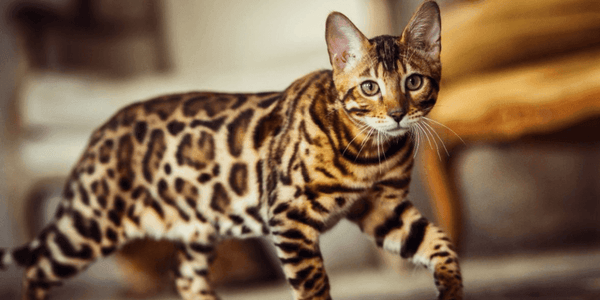
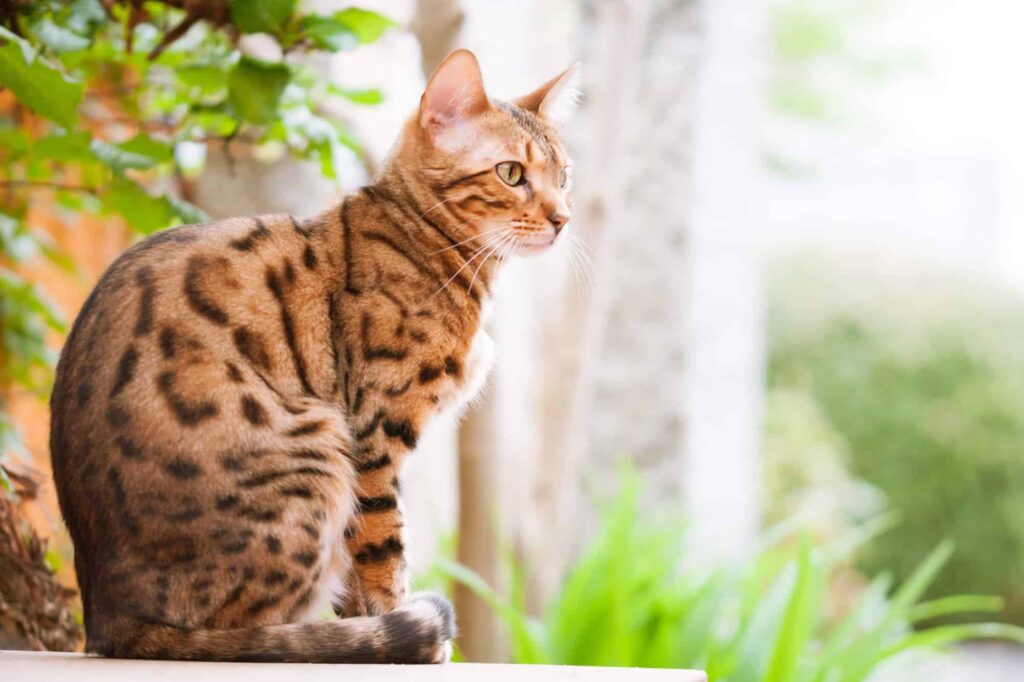
Bengal cats are famous for their wild-looking coats. Their fur showcases spots, rosettes, or marbled patterns that resemble those of a leopard or jaguar. The colors range from golden browns and rich oranges to creamy whites and silvery hues.
Have you noticed how each Bengal’s pattern is unique? This variety adds to their charm and makes identifying your cat easier in a crowd. Plus, their short, dense coat feels soft and luxurious to the touch, which makes petting them a real joy.
Size And Build
Bengals have a strong, muscular build that reflects their energetic personality. They tend to be medium to large in size, with males generally larger than females. Their athletic body allows them to be agile and playful, often surprising owners with impressive leaps and sprints.
When you see a Bengal, you might wonder if they are part wild cat. Their broad shoulders and sturdy legs give them a powerful appearance without sacrificing elegance. This balance of strength and grace is a key part of their appeal.
Eye Shape And Color
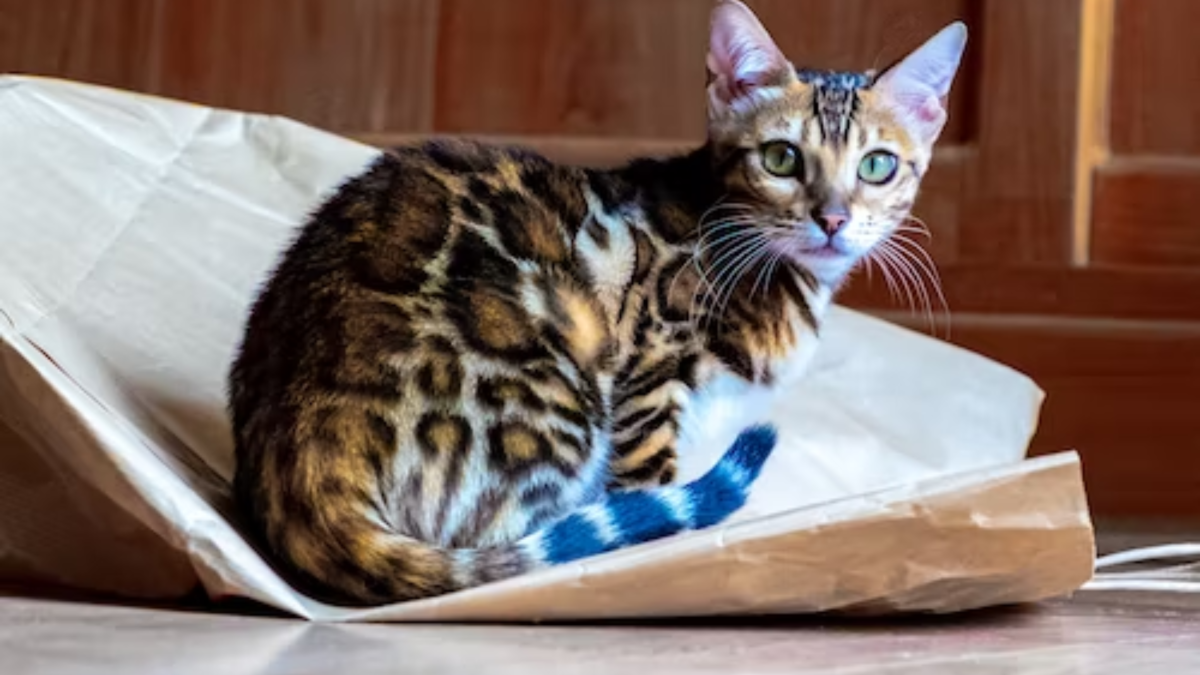
Bengal cats have large, almond-shaped eyes that give them an alert and intelligent expression. Their eye colors vary widely, including shades of green, gold, and blue, often complementing their coat beautifully. The vividness of their eyes can make their gaze truly mesmerizing.
Have you ever caught your Bengal staring intently, as if trying to understand you? Their expressive eyes often communicate moods better than their meows. Paying attention to these subtle cues can deepen your bond with your feline friend.
Personality Traits
Bengal cats are not just a feast for the eyes with their striking coats; they also possess a vibrant personality that can light up any home. These felines are renowned for their active and engaging nature, which makes them a popular choice for those seeking a lively pet. Understanding the key personality traits of a Bengal cat can help you decide if this breed is the right companion for your lifestyle.
Playfulness And Energy
Bengal cats are bundles of energy. They love to play and will turn any corner of your home into their personal playground. Whether it’s chasing a feather toy or leaping onto high shelves, they enjoy any activity that lets them burn off energy.
Think of them as the athletes of the cat world. They need regular physical activity to stay happy and healthy. If you have children or other pets, Bengal cats can be the perfect playmates, keeping everyone entertained for hours.
Intelligence And Curiosity
With intelligence that rivals some dog breeds, Bengal cats are quick learners. They can be trained to perform tricks, walk on a leash, or even play fetch. Their curiosity knows no bounds, often leading them to explore every nook and cranny of your home.
Interactive toys and puzzles are great ways to stimulate their minds. Have you ever considered teaching your cat to open a door or solve a puzzle feeder? With a Bengal, these are not just dreams but achievable goals.
Social Behavior
Bengals are highly social creatures who thrive on interaction. They form strong bonds with their human families and often follow you around, eager to be part of your daily activities. This social nature means they don’t do well when left alone for long periods.
If you’re considering adding a Bengal to your household, think about your schedule. Are you home often, or do you have other pets to keep the Bengal company? Their need for socialization is as important as their need for food and exercise.
Have you ever had a pet that seemed to understand your emotions and respond accordingly? With their keen social instincts, Bengal cats can be incredibly empathetic, often providing comfort when you need it most.
Behavioral Habits
Bengal cats have unique behavioral habits that make them special companions. They are active, curious, and often playful. Understanding their behavior helps owners build a strong bond and create a happy home.
These cats communicate in various ways and have strong natural instincts. Their interaction style with owners is different from many other cat breeds. Let’s explore their vocalization, hunting habits, and how they connect with people.
Vocalization And Communication
Bengals are known for their wide range of sounds. They meow, chirp, and trill to express their feelings. Their voice can be loud or soft depending on the mood.
They use vocal sounds to get attention or show excitement. Bengals often “talk” with their owners, making communication clear and fun.
Hunting Instincts
These cats have strong hunting skills inherited from wild ancestors. They love to chase toys and pounce on moving objects.
Bengals enjoy games that mimic hunting like chasing laser pointers or feather wands. Their sharp instincts keep them active and mentally sharp.
Interaction With Owners
Bengals form deep bonds with their owners. They enjoy playing and exploring together. These cats often follow their humans around the house.
They crave attention but also respect quiet time. Bengals show affection through gentle headbutts and purring. Their playful nature makes them great companions.
Credit: rawznaturalpetfood.com
Care And Maintenance
Caring for a Bengal cat requires attention to their unique needs. These cats are active and curious, so they need proper care to stay healthy and happy. Regular care helps maintain their beautiful coat and lively personality. Here’s what you should know about grooming, diet, and exercise for a Bengal cat.
Grooming Needs
Bengal cats have short, dense fur that is easy to maintain. Brushing once a week removes loose hair and keeps their coat shiny. Bathing is rarely needed unless they get very dirty. Check their ears and eyes regularly for cleanliness. Trim their nails every few weeks to prevent scratches and damage.
Diet And Nutrition
Bengals need a high-protein diet to support their energy levels. Choose quality cat food with real meat as the main ingredient. Avoid foods with too many fillers like corn or soy. Fresh water should always be available. Feeding small meals multiple times a day helps keep their metabolism steady and avoids overeating.
Exercise Requirements
These cats are very active and need daily playtime to stay fit. Provide toys that encourage jumping and climbing. Interactive play helps prevent boredom and behavioral problems. Create a safe space with scratching posts and climbing trees. Mental stimulation is important, so rotate toys regularly and offer puzzle feeders.
Health Considerations
Understanding the health considerations of your Bengal cat is key to ensuring a happy and energetic companion. These cats are generally robust, but like all breeds, they have specific needs and potential health concerns you should watch for. Staying informed helps you catch issues early and provide the best care possible.
Common Health Issues
Bengal cats can be prone to a few hereditary conditions. One well-known issue is hypertrophic cardiomyopathy (HCM), a heart disease that can affect cats silently. Regular heart screenings can help detect this condition early.
Another concern is progressive retinal atrophy (PRA), which can lead to vision loss over time. It’s important to monitor your cat’s eyesight and report any changes to your vet immediately.
Some Bengals may also experience hip dysplasia or patellar luxation, which affect mobility. Watch for signs like limping or difficulty jumping, so you can address these problems promptly.
Preventive Care
Preventive care is your best tool to keep your Bengal healthy. Regular vet check-ups allow early detection of issues before they become serious. Vaccinations and parasite prevention protect your cat from common diseases and discomfort.
Dental care is often overlooked but crucial. Daily brushing or dental treats can prevent plaque buildup and gum disease, which affect overall health.
Nutrition plays a vital role too. Feeding a balanced diet tailored to Bengals supports their active lifestyle and immune system. Have you reviewed your cat’s diet recently with your veterinarian?
Lifespan Expectations
Bengal cats typically live between 12 to 16 years, sometimes even longer with good care. Their lifespan can be influenced by genetics, diet, and environment. Providing a safe, stress-free home contributes significantly to their longevity.
Consider enriching your Bengal’s environment with toys and climbing spaces to keep them mentally and physically fit. How often do you engage your cat in play? Active Bengals tend to stay healthier and happier for years.

Credit: www.outdoorbengal.com
Credit: pethelpful.com
Frequently Asked Questions
What Physical Traits Define A Bengal Cat?
Bengal cats have a distinctive spotted or marbled coat resembling wild leopards. Their fur is soft, dense, and glittered, creating a shimmering effect. They have muscular bodies, large eyes, and a sleek build, making them agile and athletic.
How Is A Bengal Cat’s Personality Described?
Bengals are active, curious, and intelligent cats. They love playtime and mental stimulation. These cats are social, affectionate, and enjoy human interaction. Their energetic nature requires plenty of exercise and engagement to stay happy.
Are Bengal Cats Good For Families With Children?
Yes, Bengal cats generally get along well with children. Their playful and friendly temperament suits active households. However, supervision is advised to ensure gentle handling, as Bengals are energetic and need respectful interaction.
What Care Does A Bengal Cat Require?
Bengals need regular play, mental challenges, and social interaction. Their short coat requires minimal grooming, usually a weekly brush. Providing climbing structures and toys helps satisfy their natural curiosity and energy levels.
Conclusion
Bengal cats are lively, smart, and beautiful pets. Their spotted coats and playful nature stand out. They enjoy climbing, exploring, and spending time with people. These cats need attention and love daily activity. Owning a Bengal means having a fun and active companion.
They bring energy and joy to any home. Understanding their traits helps in caring for them well. Bengal cats truly make special and loving pets.

Lily Purrington is the founder of MyKittyPicks.com, a cozy corner of the web dedicated to helping cat lovers discover the best cat products, furniture, toys, and home decor ideas.
A lifelong cat enthusiast, Lily shares trusted tips, honest product recommendations, and stylish inspiration designed to keep kitties happy and homes beautiful.
Her mission is simple: to bring together practical advice and purr-fect picks that make life better for cats and the people who love them.


