

Training a Bengal cat can feel like a challenge, but it’s also one of the most rewarding experiences you’ll have as a cat owner. If you want your Bengal to be well-behaved, happy, and responsive, you need the right approach.
Imagine having a cat that listens to you, plays on command, and stays out of trouble. Sounds great, right? You’ll discover simple, effective ways to train your Bengal cat that anyone can follow. Whether you’re new to Bengals or looking to improve your current training, this guide is made for you.
Keep reading, and unlock the secrets to a stronger bond with your amazing Bengal.
Credit: www.petscare.com
Bengal Cat Traits
Bengal cats are unlike any other breed you’ve met. Their unique traits shape how they learn and interact with you. Understanding these traits helps you tailor your training methods for better results and a happier cat.
Energetic Personality
Bengals are bundles of energy. They love to climb, jump, and explore every corner of your home.
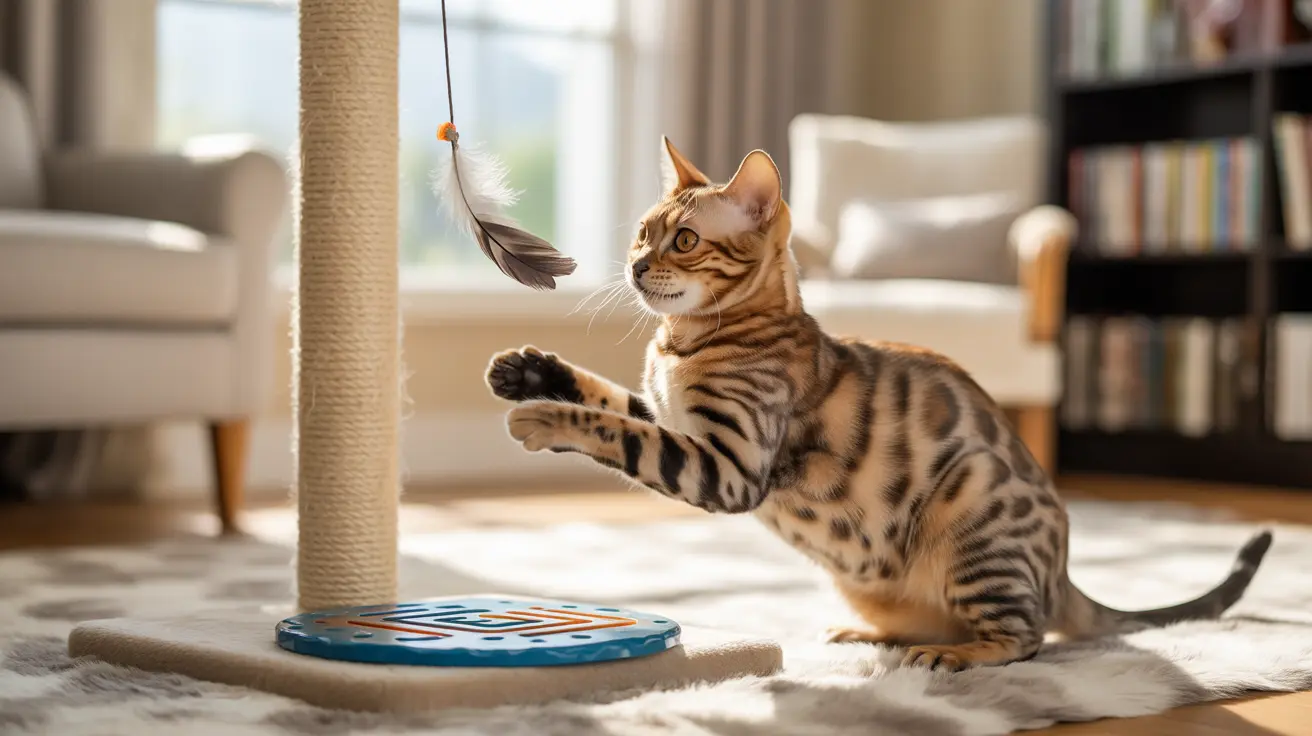
If you don’t provide enough outlets for their energy, they may become bored or destructive. Try setting up climbing shelves or interactive toys to keep them busy.
Have you noticed your Bengal’s bursts of energy at odd hours? Use those moments to practice short training sessions—they thrive on activity and mental challenges.
Intelligence Levels
Bengal cats are highly intelligent, which means they catch on quickly but also get bored easily.
They can learn tricks like fetching, sitting, or even walking on a leash if you keep training fun and varied. Use treats and praise to motivate them, but avoid repetitive tasks that might frustrate your cat.
Think about the last time your Bengal surprised you with a clever move—what motivated them? Use that insight to design training sessions that challenge their mind.
Social Behavior
Bengals are social cats that enjoy interaction but also have a strong independent streak.
They often form close bonds with their owners and may follow you around like a loyal companion. However, they can be wary of strangers or other pets at first.
How does your Bengal react when visitors come over? Use positive reinforcement to help them feel secure and encourage friendly behavior in new situations.

Credit: www.outdoorbengal.com
Preparing For Training
Gather necessary supplies like treats, toys, and a quiet space before starting training. Understand your Bengal cat’s personality to tailor the approach. Patience and consistency help build trust and encourage learning.
Preparing for Training Training a Bengal cat can be a rewarding experience that strengthens your bond and enriches your pet’s life. However, before diving into the training process, it’s crucial to prepare adequately. This preparation sets the stage for effective learning and ensures both you and your cat enjoy the journey.Choosing The Right Environment
The environment where you train your Bengal cat plays a significant role in the success of your sessions. Opt for a quiet space free from distractions like loud noises or other pets. This helps your cat focus entirely on you and the task at hand. Consider the lighting and comfort of the space. A well-lit, comfortable area encourages your cat to engage actively. Remember, your Bengal cat is highly curious, so eliminate any potential distractions, like dangling cords or open windows.Gathering Training Supplies
Having the right supplies can make training smoother and more efficient. Start with treats that your Bengal cat loves. These act as positive reinforcement and motivate your cat to learn new commands or tricks. Clickers can also be useful as they provide a consistent sound that your cat will associate with rewards. Don’t forget to have a few toys on hand. These can be used to redirect your cat’s energy and maintain their interest during training sessions.Setting Realistic Goals
Before you begin, set clear and achievable goals for your training sessions. Start with simple tasks like teaching your cat to sit or come when called. As your cat masters these commands, gradually introduce more complex tasks. Be patient and adjust your expectations. Every cat learns at its own pace. Celebrate small victories and use them as stepping stones to more advanced training. Are you ready to watch your Bengal cat thrive and learn?Basic Training Techniques
Training a Bengal cat involves simple, clear techniques that build trust and understanding. Bengals are smart and active, so training should be fun and rewarding. Basic training helps shape good behavior and strengthens your bond.
Using Positive Reinforcement
Positive reinforcement means rewarding your Bengal for good behavior. Use treats, praise, or petting to encourage actions you want to see again. This method helps your cat connect actions with rewards quickly. Avoid punishment, as it can confuse or scare your cat.
- Give a treat after your cat follows a command.
- Use a happy voice to praise good behavior.
- Offer gentle petting as a reward.
Establishing Commands
Choose simple words for commands like “sit,” “come,” or “stay.” Speak clearly and use the same word every time. Show your cat what to do by guiding or demonstrating the action. Repeat commands often during training sessions.
- Say the command before asking your cat to act.
- Use hand signals to support verbal commands.
- Reward your cat immediately after a correct response.
Consistency In Training Sessions
Keep training sessions short and regular to hold your Bengal’s attention. Practice daily, at the same time if possible. Consistency helps your cat understand what is expected. Avoid long sessions that may tire or bore your cat.
- Train for 5 to 10 minutes per session.
- Use the same commands and rewards every time.
- End sessions on a positive note to keep motivation high.

Credit: www.outdoorbengal.com
Advanced Training Tips
Advanced training takes your Bengal cat’s skills to the next level. These intelligent cats thrive on mental challenges and clear communication. You’ll see a stronger bond and smoother daily life when you apply these tips consistently.
Teaching Tricks And Commands
Bengals love to learn tricks that keep their sharp minds busy. Start with simple commands like “sit”or “high five”. Use small treats as rewards immediately after they perform the action to reinforce the behavior.
Be patient and break down each trick into tiny steps. For example, to teach “sit,” gently press their hindquarters down while saying the command. Once they get it, praise them warmly. You’ll find short, frequent sessions work better than long ones.
Have you tried teaching your Bengal to fetch? Many owners report success by tossing a small toy and encouraging their cat to bring it back. This not only entertains your cat but also builds responsiveness to your commands.
Handling Unwanted Behaviors
Addressing unwanted behaviors early makes training easier. If your Bengal scratches furniture, redirect their attention to a scratching post immediately. Reward them when they use the post to reinforce positive habits.
Ignore attention-seeking meowing or jumping if it’s not the right time to engage. Bengal cats are smart enough to learn which behaviors get results. Consistency in your reactions helps them understand limits clearly.
Sometimes, an unwanted behavior signals boredom or stress. Have you noticed if your Bengal acts out when left alone? Adding puzzle feeders or interactive toys can reduce these issues by keeping their mind active.
Encouraging Problem Solving
Bengal cats enjoy figuring things out on their own. You can boost this natural talent with puzzle feeders or hiding treats in safe places. Watching your cat solve these challenges is rewarding and stimulates their brain.
Try creating simple obstacle courses using household items. Encourage your Bengal to navigate through tunnels or jump on platforms. This keeps their body and mind engaged simultaneously.
What new problem-solving games can you introduce today? Rotate toys regularly to maintain interest and avoid boredom. Your Bengal’s curiosity will drive them to explore and learn more every day.
Maintaining Training Progress
Maintaining training progress with your Bengal cat ensures they remember and enjoy their lessons. Consistency helps your cat stay sharp and obedient. Training is not a one-time event but a continuous effort. Regular attention keeps your Bengal engaged and eager to learn more.
Regular Practice Routines
Set short, daily training sessions to keep skills fresh. Practice at the same time to create a habit. Use quiet spots to avoid distractions. Short sessions prevent your cat from losing interest. Repeat important commands often to reinforce learning.
Reward Systems
Use treats or praise to encourage good behavior. Rewards motivate your Bengal to repeat actions. Keep rewards small and frequent for better effect. Change rewards occasionally to maintain interest. Avoid punishment; it can harm trust and slow progress.
Adapting To Your Cat’s Needs
Observe your Bengal’s mood and energy before training. Adjust session length based on their attention span. Use different rewards if one stops working well. Notice signs of stress and pause training if needed. Tailor your approach to your cat’s unique personality.
Common Challenges
Training a Bengal cat comes with its own set of challenges that can test your patience and creativity. These cats are smart and energetic, but their unique traits sometimes make training tricky. Understanding these hurdles helps you stay prepared and find better ways to connect with your Bengal.
Dealing With Distractions
Bengal cats are naturally curious and easily distracted by sounds, movements, or even shadows. You might find your training session interrupted by a passing bird outside the window or a sudden noise in the house.
To handle this, create a quiet, controlled space for training. Use toys and treats that capture your cat’s full attention. Have you noticed what specifically grabs your Bengal’s focus? Use that to your advantage.
Managing Short Attention Spans
Bengals can quickly lose interest in repetitive tasks. Expect training sessions to last only a few minutes before your cat wanders off. Trying to push beyond that often leads to frustration for both of you.
Break training into short, varied activities. Mix commands with play or new tricks to keep things exciting. Think about how you can make each session feel fresh and rewarding for your cat.
Overcoming Fear Or Anxiety
Some Bengals may show anxiety when introduced to new environments, noises, or people, which can stall training progress. Recognizing signs like hiding, hissing, or reluctance to engage is important.
Use calm, gentle encouragement and avoid forcing interactions. Building trust slowly often leads to more effective training. What small steps can you take today to make your Bengal feel safer and more confident?
Frequently Asked Questions
How Long Does It Take To Train A Bengal Cat?
Training a Bengal cat typically takes 4 to 6 weeks with consistent daily sessions. Patience and positive reinforcement speed up learning. Early socialization helps them adapt quickly. Bengal cats respond well to treats and praise during training.
What Is The Best Method To Train Bengal Cats?
Positive reinforcement is the most effective method to train Bengal cats. Use treats, toys, and praise to reward good behavior. Avoid punishment as it can cause fear. Consistency and short training sessions keep Bengals engaged and motivated.
Can Bengal Cats Learn Tricks And Commands?
Yes, Bengal cats are intelligent and can learn tricks like sit, fetch, and come. Training with patience and rewards improves their skills. Interactive playtime boosts their learning ability. Regular practice helps reinforce commands effectively.
How To Stop A Bengal Cat From Scratching Furniture?
Provide scratching posts and reward your Bengal for using them. Use deterrents like double-sided tape on furniture. Consistent redirection helps them learn acceptable scratching areas. Keep their claws trimmed to reduce damage.
Conclusion
Training a Bengal cat takes patience and consistency. Start with simple commands and gentle rewards. Keep sessions short to hold your cat’s attention. Bengals are smart and curious, so stay calm and positive. Training builds trust and deepens your bond.
Enjoy the process and celebrate small wins. Your Bengal can learn many tricks with time. Remember, every cat is unique and learns differently. Stay patient, and you will see progress soon. Training a Bengal cat can be a fun, rewarding journey.

Lily Purrington is the founder of MyKittyPicks.com, a cozy corner of the web dedicated to helping cat lovers discover the best cat products, furniture, toys, and home decor ideas.
A lifelong cat enthusiast, Lily shares trusted tips, honest product recommendations, and stylish inspiration designed to keep kitties happy and homes beautiful.
Her mission is simple: to bring together practical advice and purr-fect picks that make life better for cats and the people who love them.


