
Are you thinking about welcoming a Bengal cat into your home? Or maybe you already have one of these charming, lively felines and want to ensure you’re providing the best care possible.
Bengal cats are not your average house pets; they’re a delightful mix of wild beauty and domestic charm, with a dash of mischievous energy. To keep them happy and healthy, you need to know how to meet their unique needs.
In this guide, you’ll discover essential tips and tricks that will transform your understanding of Bengal cat care. Prepare to unlock the secrets to a happier, healthier, and more harmonious life with your Bengal companion! Keep reading, and let’s dive into the world of Bengal cats together.

Credit: purebredkitties.com
Choosing The Right Bengal Cat
Choosing the right Bengal cat sets the foundation for a happy pet-owner relationship. Bengal cats have unique needs and traits that require careful consideration. Selecting a healthy and well-bred kitten ensures a strong, loving companion. Understanding the key factors in the selection process helps you find the perfect Bengal cat for your home.
Selecting A Reputable Breeder
Trustworthy breeders focus on the cat’s health and temperament. They provide detailed information about the kitten’s parents and background. Visit the breeder’s facility to see the living conditions. Ask about health tests and vaccinations. Good breeders answer questions openly and offer support after adoption.
Identifying Healthy Kittens
Healthy Bengal kittens are active and curious. Their eyes should be clear and bright, without discharge. Check for clean ears and a shiny coat. The kitten’s breathing must be smooth and quiet. Observe their play behavior; they should be lively but not overly aggressive.

Credit: www.yahoo.com
Setting Up Your Home
Setting up your home for a Bengal cat requires careful planning. Bengals are active and curious. They need a space that keeps them safe and engaged. Preparing your home ensures your Bengal feels comfortable and happy from day one.
Safe And Stimulating Environment
Bengal cats love to climb and explore. Provide tall cat trees and shelves for climbing. Avoid fragile items where your cat can jump or play. Secure cords and small objects to prevent accidents. Create cozy resting spots with soft bedding. A window perch lets your Bengal watch outside safely.
Essential Supplies To Get Started
Prepare basic supplies before bringing your Bengal home. Here are key items to have ready:
- Litter box with low sides for easy access
- High-quality cat food suited for active cats
- Food and water bowls, preferably stainless steel or ceramic
- Variety of toys to keep your Bengal entertained
- Scratching posts to protect your furniture
- Grooming tools like a brush and nail clippers
- Carrier for safe trips to the vet
Nutrition And Feeding
Proper nutrition is key to keeping your Bengal cat healthy and energetic. Bengals are active cats with strong muscles and sharp minds. Their diet should support their high energy needs and maintain their sleek coat. Choosing the right food and feeding routine helps your Bengal thrive every day.
Balanced Diet For Bengals
Bengal cats need a diet rich in protein to fuel their muscles. Meat-based foods work best, such as chicken, turkey, or fish. Include high-quality commercial cat food labeled for active cats. Avoid foods with fillers like corn or wheat, which offer little nutrition.
Essential nutrients for Bengals include:
- Taurine for heart and eye health
- Omega-3 and Omega-6 fatty acids for a shiny coat
- Vitamins and minerals for strong bones and immunity
Fresh water should always be available. Wet food can help with hydration and is easier to digest.
Feeding Schedule And Portions
Bengals benefit from small, frequent meals throughout the day. This approach matches their natural hunting behavior. Feed your Bengal 3 to 4 times daily. Divide the total daily amount into these meals.
Portion size depends on age, weight, and activity level. Monitor your cat’s weight and adjust portions to avoid obesity. Overfeeding can lead to health problems.
Use a measuring cup to ensure consistent portions. Avoid free-feeding dry food to control intake better.
Credit: www.tippaws.com
Grooming Needs
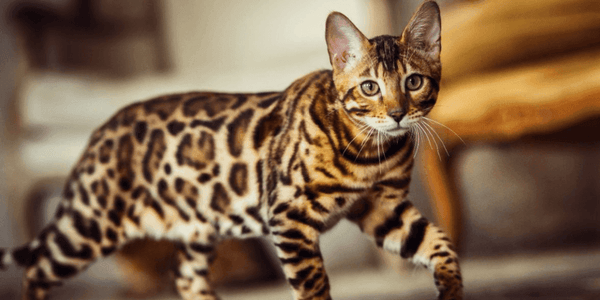
Bengal cats have a short, dense coat that shines with a beautiful pattern. Their grooming needs are simple but regular care keeps their coat healthy and vibrant. Grooming also helps strengthen the bond between you and your Bengal cat. Pay attention to brushing, nail trimming, and dental hygiene for overall well-being.
Brushing And Coat Care
Brushing removes loose hair and dirt from your Bengal’s coat. Use a soft bristle brush or grooming glove for gentle care. Brush at least once a week to reduce shedding and hairballs. Check for any skin problems, like dryness or irritation, during grooming. Bathing is rarely needed unless your cat gets very dirty.
Nail Trimming And Dental Hygiene
Trim your Bengal’s nails every two to three weeks. Use special cat nail clippers and avoid cutting too close to the quick. Regular nail care prevents scratching damage and keeps paws healthy. Brush your cat’s teeth two to three times per week using cat-safe toothpaste. Good dental hygiene stops bad breath and tooth problems. Offer dental treats or toys to help maintain clean teeth.
Exercise And Playtime
Exercise and playtime are essential parts of caring for a Bengal cat. These energetic felines thrive when they have regular opportunities to run, jump, and explore. Without enough activity, they can become bored or even develop behavioral problems.
Interactive Toys And Activities
Interactive toys keep your Bengal cat engaged and moving. Toys like feather wands, laser pointers, and motorized mice mimic the movement of prey, sparking your cat’s hunting instincts.
Try rotating toys every few days to maintain your cat’s interest. Puzzle feeders are also great because they challenge your Bengal to work for treats, combining play with a reward.
- Use wand toys to encourage jumping and pouncing.
- Set up climbing shelves or cat trees to support climbing and stretching.
- Introduce puzzle feeders to make mealtime more stimulating.
Encouraging Physical And Mental Stimulation
Physical exercise is only half the battle; mental stimulation matters just as much for Bengals. These cats are intelligent and curious, so you need to challenge their minds regularly.
Try teaching your cat simple tricks or commands using clicker training. This not only strengthens your bond but also provides mental workouts that tire them out.
Have you noticed how your Bengal reacts when you hide treats around the house? Turning feeding into a game encourages natural hunting behaviors and keeps your cat alert.
- Create scavenger hunts with hidden toys or treats.
- Introduce new environments, like safe outdoor enclosures, to explore.
- Spend time daily on play sessions to build routine and reduce stress.
Health And Vet Care
Keeping your Bengal cat healthy is essential for a happy life. Regular health care helps catch problems early. It ensures your cat stays active and playful. Understanding their unique needs supports better care and longer life.
Regular Checkups And Vaccinations
Take your Bengal to the vet every year for checkups. These visits allow early detection of health issues. Vaccinations protect against common diseases. Your vet will advise which vaccines are necessary.
Checkups usually include:
- Physical examination
- Weight and dental check
- Vaccination updates
- Parasite control
Keep a health record for your Bengal. This helps track medical history and treatments.
Common Health Issues In Bengals
Bengal cats are generally healthy but can have some issues. Knowing these helps you watch for symptoms and act fast.
- Hypertrophic Cardiomyopathy (HCM):A heart condition common in Bengals.
- Progressive Retinal Atrophy (PRA):Causes vision loss over time.
- Hip Dysplasia:Affects joint health and movement.
- Patellar Luxation:Knee joint problems causing lameness.
Regular vet visits help detect these problems early. Report any unusual behavior or signs to your vet quickly.
Behavior And Training
Bengal cats are lively and intelligent pets. Their behavior reflects their wild ancestry combined with domestic traits. Training a Bengal requires patience and consistency. Understanding their needs helps build a strong bond. Proper behavior management prevents unwanted actions and keeps your cat happy.
Socializing Your Bengal
Start socializing your Bengal early. Expose them gently to new people and places. This reduces fear and builds confidence. Use calm voices and soft touches. Playtime with other pets teaches good manners. Encourage positive interactions with treats and praise. Socialized Bengals adapt better to changes and stay friendly.
Managing Aggression And Anxiety
Bengals may show aggression if stressed or bored. Watch for signs like hissing or swatting. Provide plenty of toys to keep them busy. Create quiet spaces for your cat to relax. Avoid sudden loud noises or quick movements. Use gentle redirection to calm aggressive behavior. Consult a vet if anxiety or aggression worsens.
Travel And Safety Tips
Traveling with a Bengal cat needs careful planning. Their curious and active nature means safety is a priority. Keeping your Bengal calm and secure during trips is essential. This section shares tips for safe travel and outdoor security.
Safe Transport Methods
Choose a sturdy, well-ventilated carrier for your Bengal. Soft-sided carriers offer comfort but hard-sided ones provide more protection. Line the carrier with a soft blanket for coziness.
Secure the carrier in the vehicle to prevent movement. Never let your Bengal roam free in the car. Sudden stops can cause injuries.
For longer trips, take breaks to check on your cat. Offer water and a chance to relax outside the carrier briefly. Avoid feeding right before travel to prevent motion sickness.
- Use a harness and leash if carrying your cat outside the carrier.
- Keep familiar toys or blankets inside the carrier to reduce stress.
- Maintain a calm voice and gentle touch during travel.
Keeping Your Bengal Secure Outdoors
Bengal cats love exploring, but outdoor safety is key. Use a harness and leash for controlled outdoor time. Never let your Bengal roam unsupervised.
Build a secure cat enclosure or “catio” for outdoor play. It offers fresh air without escape risks. Check for holes or weak spots regularly.
Always watch your Bengal when outside. Protect them from cars, other animals, and harmful plants. Microchipping and ID tags help in case they get lost.
- Keep outdoor visits short to prevent overheating or exhaustion.
- Provide shaded areas and fresh water in outdoor spaces.
- Train your Bengal to respond to basic commands for easier control.
Frequently Asked Questions
How Often Should I Groom My Bengal Cat?
Bengal cats need grooming once a week to keep their coat shiny. Regular brushing reduces shedding and prevents hairballs. This routine also strengthens your bond and helps spot skin issues early.
What Is The Best Diet For Bengal Cats?
Feed Bengal cats a high-protein diet with quality cat food. Include wet and dry food to ensure hydration and dental health. Avoid fillers and artificial additives for optimal nutrition and energy.
How Much Exercise Does A Bengal Cat Need Daily?
Bengal cats need at least 30 minutes of active play daily. They are energetic and enjoy climbing, chasing, and interactive toys. Regular exercise prevents obesity and keeps them mentally stimulated.
Are Bengal Cats Prone To Any Health Issues?
Bengal cats are generally healthy but can have genetic issues like hypertrophic cardiomyopathy. Regular vet check-ups and a balanced diet help detect and prevent health problems early.
Conclusion
Caring for a Bengal cat takes time and patience. They need love, play, and good food daily. Keep their coat clean and check their health often. Give them space to explore and stay active. Bengals enjoy attention but also need quiet moments.
Following these tips helps your Bengal live happy and strong. Enjoy the special bond you build with your cat. Small efforts lead to a joyful and healthy pet life.

Lily Purrington is the founder of MyKittyPicks.com, a cozy corner of the web dedicated to helping cat lovers discover the best cat products, furniture, toys, and home decor ideas.
A lifelong cat enthusiast, Lily shares trusted tips, honest product recommendations, and stylish inspiration designed to keep kitties happy and homes beautiful.
Her mission is simple: to bring together practical advice and purr-fect picks that make life better for cats and the people who love them.


