
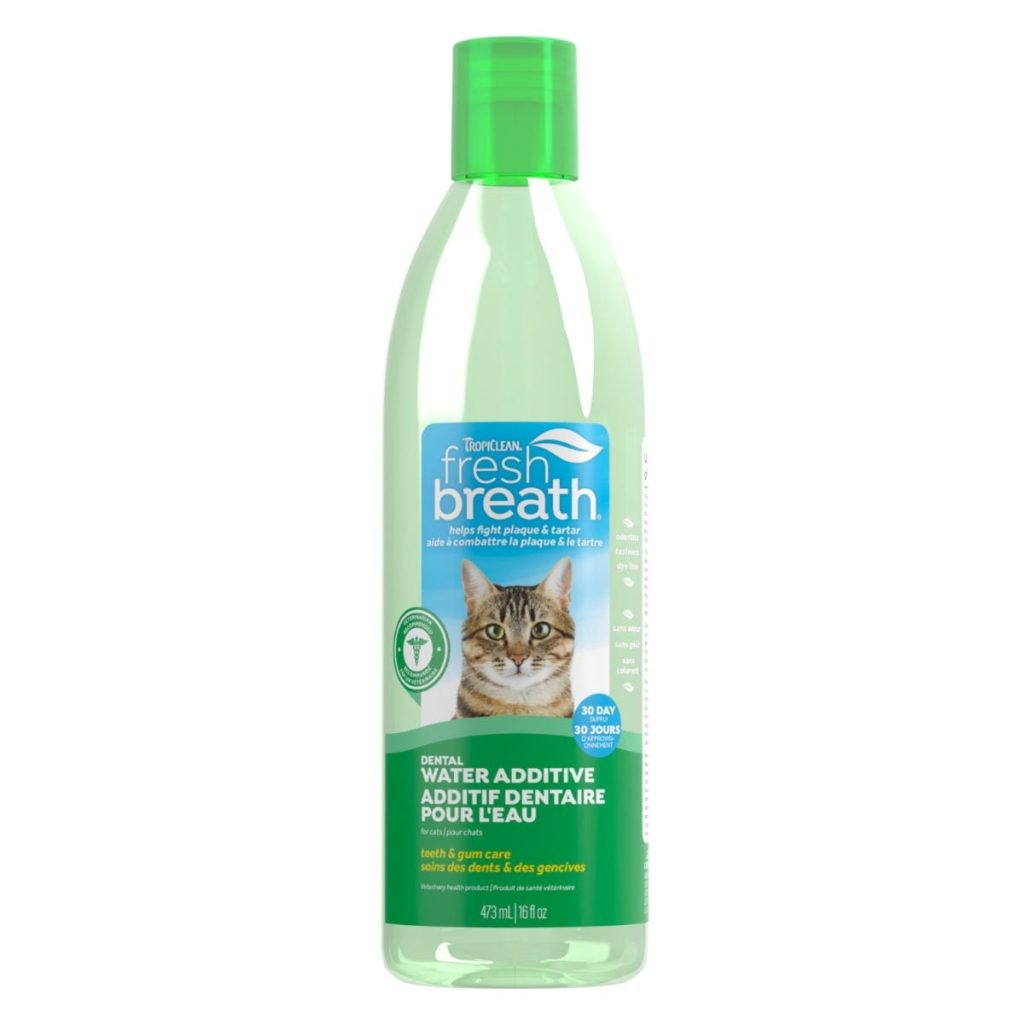
Are you worried about your cat’s dental health and wondering if dental solution additives really help prevent plaque build-up? Keeping your furry friend’s teeth clean is key to avoiding painful problems and costly vet visits.
But with so many products out there, it’s hard to know what actually works. You’ll discover how dental additives can protect your cat’s teeth and keep their smile bright. Stick with me, and you’ll learn simple, effective ways to fight plaque before it becomes a bigger issue.
Your cat deserves the best care, and you’ll be ready to give it!

Credit: www.petscare.com
Plaque And Cats
Plaque is a sticky film of bacteria that forms on cats’ teeth. It can cause dental problems if not cleaned.
Dental solution additives are sometimes used to help reduce plaque buildup in cats. Understanding plaque helps to know if these additives work.
How Plaque Forms
Plaque forms when food particles mix with bacteria in a cat’s mouth. The bacteria stick to the teeth and gums.
If plaque stays on the teeth, it hardens into tartar. This can be harder to remove and cause more problems.
- Bacteria feed on leftover food
- Sticky plaque forms on teeth
- Plaque hardens into tartar over time
- Tartar irritates gums and teeth
Effects On Cat Health
Plaque and tartar can cause gum disease in cats. This can lead to pain and tooth loss if untreated.
Dental problems can also affect a cat’s eating and overall health. Bad breath is another common sign of plaque buildup.
- Gum inflammation and bleeding
- Tooth decay and loss
- Pain when eating
- Bad breath
- Possible infections affecting other organs
Role Of Dental Additives
Dental solution additives help keep cats‘ teeth clean. They are added to water or food to reduce plaque buildup.
These additives work in different ways to protect cats from dental problems. Understanding their role can help pet owners choose the right care.
Types Of Additives
Several types of dental additives are used to prevent plaque in cats. Each type has a specific function to improve dental health.
- Enzymes that break down food particles
- Antibacterial agents that kill harmful bacteria
- Minerals that strengthen teeth
- Chewing agents that promote saliva flow
Mechanism Against Plaque
Dental additives reduce plaque by stopping bacteria and cleaning the mouth. They act in multiple ways to keep teeth healthy.
| Mechanism | Description |
| Enzyme Action | Breaks down leftover food to prevent plaque formation |
| Antibacterial Effect | Kills bacteria that cause plaque and bad breath |
| Mineral Reinforcement | Strengthens enamel and reduces tooth decay |
| Saliva Stimulation | Increases saliva to wash away debris and bacteria |
Scientific Evidence
Dental solution additives claim to reduce plaque buildup in cats. Scientists have studied these additives to see if they really work. This article reviews key studies on their effectiveness.
Understanding the scientific evidence helps pet owners choose the best dental care for their cats. The studies focus on how these additives affect plaque and oral health.
Key Studies Reviewed
Several studies tested different dental additives in cat food and water. Researchers measured plaque levels and oral health after using these products. The studies varied in length from 4 weeks to 6 months.
- A 2018 study evaluated a dental additive in dry cat food over 12 weeks.
- A 2020 trial tested a water additive’s effect on plaque in 30 cats.
- A 2019 research project compared oral gels with no additive controls.
- Another 2021 study looked at enzyme-based additives in wet food.
Effectiveness Results
The results show mixed but mostly positive effects on plaque reduction. Some additives reduced plaque by up to 40%. Others showed smaller or no significant changes.
| Study | Additive Type | Duration | Plaque Reduction | Additional Findings |
|---|---|---|---|---|
| 2018 Dry Food Study | Polyphosphates | 12 weeks | 35% | Improved gum health |
| 2020 Water Additive Trial | Chlorhexidine | 8 weeks | 40% | Some cats disliked taste |
| 2019 Oral Gel Research | Enzyme-based | 6 months | 20% | Reduced bad breath |
| 2021 Wet Food Study | Natural Extracts | 10 weeks | 15% | No side effects |
Choosing The Right Additive
Dental solution additives can help reduce plaque on cats’ teeth. Picking the right one keeps your cat’s mouth healthy. Some additives work better than others depending on their ingredients.
Knowing what to look for and safety tips helps you choose the best option. This guide covers key ingredients and safety considerations.
Ingredients To Look For
Certain ingredients help break down plaque and freshen breath. Look for these in dental additives for cats.
- Chlorhexidine: Kills bacteria that cause plaque.
- Zinc Gluconate: Reduces tartar buildup.
- Enzymes: Break down food particles on teeth.
- Natural Extracts: Such as green tea or aloe vera for soothing gums.
- Essential Oils: Like peppermint to freshen breath safely.
Safety Considerations
Not all additives are safe for cats. Check the label carefully and avoid harmful substances.
| Safety Tip | Details |
| Check for Toxic Ingredients | Avoid xylitol, alcohol, and fluoride. |
| Use Vet-Approved Products | Choose additives recommended by veterinarians. |
| Follow Dosage Instructions | Use the correct amount to prevent side effects. |
| Watch for Allergies | Stop use if your cat shows signs of irritation. |
Application Tips
Dental solution additives can help reduce plaque buildup on cats. Using them correctly improves their effect. This guide explains how to apply additives and add them to your cat’s oral care.
Following these tips will make the process easier for you and your cat. Proper use supports better dental health and fresher breath.
How To Use Additives
Always read the label instructions before use. Some additives mix with water, while others go directly on the cat’s food. Use the right amount to avoid side effects.
- Shake the bottle well before use.
- Measure the correct dose based on your cat’s weight.
- Add the solution to fresh water or wet food.
- Replace water daily if using in a water bowl.
- Watch your cat for any changes in appetite or behavior.
Integrating With Oral Care Routine
Combine additives with brushing and regular dental check-ups. This helps keep plaque under control and supports overall oral health.
| Oral Care Step | Frequency | Notes |
| Use dental additives | Daily | Mix with water or food |
| Brush cat’s teeth | 2–3 times a week | Use cat-safe toothpaste |
| Vet dental check-up | Every 6 months | Professional cleaning if needed |

Credit: www.skoutshonor.com
Alternatives To Additives
Cats need proper dental care to prevent plaque. Dental solution additives can help, but there are other ways too. These alternatives focus on diet, chews, and regular dental checkups.
It’s important to explore these options to ensure your cat’s teeth stay healthy. This guide provides simple tips on how to do that.
Diet And Chews
A healthy diet can reduce plaque build-up in cats. Dry cat food is better than wet food for teeth. It helps scrub away plaque as your cat eats.
Chews also play a role in dental health. Special dental chews are available that can help clean your cat’s teeth. They are designed to reduce plaque and keep teeth strong.
- Dry food helps clean teeth
- Dental chews reduce plaque
- Look for chews approved by veterinarians
Regular Dental Checkups
Regular dental checkups are important for your cat. A vet can spot early signs of plaque build-up and other dental issues. They can offer professional cleaning if needed.
Checkups ensure any dental problems are caught early. This can prevent pain and more serious health issues for your cat.
- Visit the vet for dental exams
- Professional cleanings may be needed
- Early detection prevents bigger problems

Credit: www.petco.com
Frequently Asked Questions
Do Dental Solution Additives Reduce Plaque In Cats?
Yes, dental solution additives can help reduce plaque buildup in cats. They contain enzymes and antibacterial agents that break down plaque, promoting oral health and fresher breath.
How Effective Are Additives Compared To Brushing Cats’ Teeth?
Additives are helpful but not a substitute for brushing. Brushing removes plaque mechanically, while additives support oral hygiene by preventing plaque formation.
Are Dental Solution Additives Safe For All Cats?
Most dental additives are safe when used as directed. Always check ingredients and consult a vet before introducing new dental products to your cat.
Can Dental Additives Prevent Periodontal Disease In Cats?
Dental additives help reduce plaque, lowering the risk of periodontal disease. However, regular vet check-ups and proper oral care remain essential for prevention.
Conclusion
Dental solution additives can help reduce plaque on cats’ teeth. They work best when used regularly and as part of good dental care. Brushing your cat’s teeth and giving proper food also support oral health. Keep an eye on your cat’s mouth for signs of problems.
Healthy teeth mean a happier, healthier cat. Simple steps make a big difference in preventing plaque build-up. Choose safe products and follow your vet’s advice. Your cat deserves the best care for a bright smile.

Lily Purrington is the founder of MyKittyPicks.com, a cozy corner of the web dedicated to helping cat lovers discover the best cat products, furniture, toys, and home decor ideas.
A lifelong cat enthusiast, Lily shares trusted tips, honest product recommendations, and stylish inspiration designed to keep kitties happy and homes beautiful.
Her mission is simple: to bring together practical advice and purr-fect picks that make life better for cats and the people who love them.


