

If you’re a cat owner, you know how worrying it can be when your furry friend faces health problems. One serious issue that can quickly turn into an emergency is urinary blockage.
It’s painful for your cat and can be life-threatening if not treated promptly. But here’s the good news: you have the power to prevent it. You’ll discover simple, effective steps you can take right now to keep your cat healthy and avoid this dangerous condition.
Keep reading to learn how to protect your beloved pet and give yourself peace of mind.
Credit: www.goodrx.com
Causes Of Urinary Blockage
Urinary blockage is a serious health problem in cats. It happens when something stops urine flow from the bladder.
Understanding the causes helps owners prevent this painful condition. Several factors affect a cat’s risk of blockage.
Diet And Hydration
A cat’s diet plays a big role in urinary health. Poor nutrition can lead to crystals or stones in the bladder.
Low water intake makes urine more concentrated. This can cause blockages more easily.
- Diets high in minerals like magnesium can increase risk
- Dry food often leads to less water consumption
- Wet food helps keep cats hydrated
- Fresh water should always be available
Breed And Age Factors
Some cat breeds have a higher chance of urinary blockage. Male cats are more at risk than females.
Young adult cats, especially males, often face this problem. Older cats can also develop blockages due to other illnesses.
- Male cats have narrower urethras
- Burmese and Persian cats show higher risk
- Urinary blockage is rare in kittens
- Age-related health issues can contribute in older cats
Stress And Environment
Stress affects a cat’s urinary tract health. Changes in the home or routine can cause urinary problems.
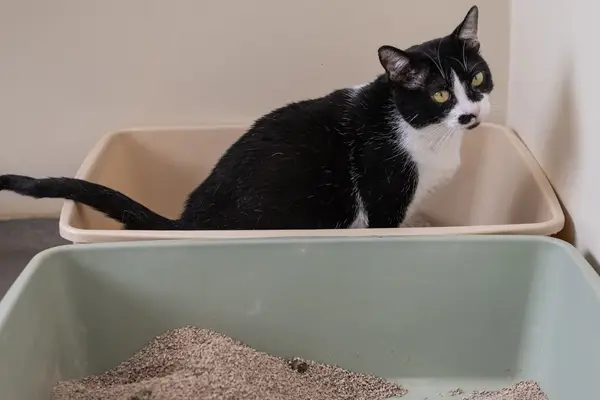
Dirty litter boxes or lack of privacy may increase stress. This can lead to urinary blockage or infections.
- Keep litter boxes clean and quiet
- Provide safe spaces for cats to relax
- Limit sudden changes in the environment
- Offer regular playtime to reduce stress
Credit: gsvs.org
Recognizing Early Signs
Cat urinary blockage is a serious problem. It can stop your cat from peeing properly. Early signs help you act fast.
Knowing these signs can save your cat’s life. Watch your cat closely for any changes.
Behavioral Changes
Your cat may act differently if it has urinary blockage. Pay attention to how it behaves around the litter box.
It might try to pee often but produce little or no urine. Your cat may also seem restless or uncomfortable.
- Frequent trips to the litter box
- Straining or crying while trying to pee
- Licking the genital area more than usual
- Hiding or avoiding usual activities
Physical Symptoms
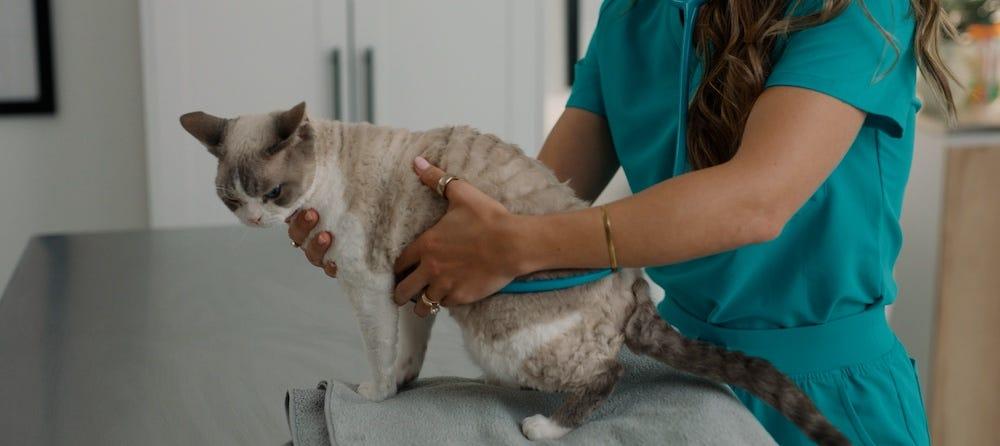
Physical signs can show that your cat is in trouble. These signs may include changes in the body or posture.
Look for swelling, pain, or unusual smells. Your cat may also vomit or lose appetite.
- Swollen abdomen or belly
- Painful or tense belly
- Small or no urine output
- Vomiting or nausea
- Bad smell from urine
- Loss of appetite or weakness
When To See A Vet
If your cat shows any signs of urinary blockage, see a vet immediately. This condition can become life-threatening quickly.
Do not wait if your cat strains to pee or cries out in pain. Early treatment improves the chance of recovery.
- Cat tries to pee but nothing comes out
- Strong signs of pain or discomfort
- Weakness or collapse
- Vomiting and loss of appetite
- Swollen belly or tense abdomen
Dietary Strategies
Cat urinary blockage is a serious health issue. Diet plays a key role in prevention. Choosing the right food can keep your cat healthy and comfortable.
Water intake and avoiding harmful ingredients also help reduce the risk. Below are ways to manage your cat’s diet to prevent urinary blockage.
Choosing The Right Food
Select foods that support urinary health. Wet food is often better than dry because it contains more moisture. A diet low in magnesium and phosphorus can reduce crystals in urine.
- Pick wet food with controlled mineral levels
- Choose diets designed for urinary care
- Feed high-quality protein sources
- Avoid sudden food changes
Increasing Water Intake
Water helps flush the urinary tract and dilute urine. Cats often drink little water, so encouraging fluids is important. Feeding wet food adds moisture. Fresh water should always be available.
| Method | Benefit |
| Wet food | Increases daily water intake |
| Water fountains | Makes drinking more fun |
| Multiple water bowls | Encourages frequent drinking |
| Flavoring water | Attracts cats to drink more |
Avoiding Harmful Ingredients
Some ingredients can raise the risk of urinary problems. Avoid foods high in salt or artificial additives. These can irritate the bladder or create crystals in urine. Read labels carefully and choose natural options.
- Do not feed salty snacks or treats
- Avoid artificial colors and flavors
- Limit high magnesium foods
- Stay away from grains if your cat is sensitive
Credit: www.litter-robot.com
Environmental Adjustments
Preventing cat urinary blockage starts with a calm and safe home. Small changes in your cat’s space help lower stress. A peaceful environment keeps your cat healthy.
Adjusting your cat’s surroundings can reduce risks. Focus on stress, litter box care, and clean spaces. These help your cat feel secure and relaxed.
Stress Reduction Techniques
Stress can cause urinary problems in cats. You can use simple methods to make your cat feel calm. Quiet areas and gentle playtime work well.
- Provide hiding spots like boxes or covered beds
- Keep a regular feeding and play schedule
- Use calming sprays or diffusers with cat-friendly scents
- Avoid loud noises and sudden changes
- Spend quiet time petting and talking softly to your cat
Litter Box Management
Clean litter boxes encourage your cat to use them. Dirty boxes cause your cat to hold urine, which can lead to blockage. Location and type of box matter.
| Litter Box Tips | Details |
| Number of Boxes | One box per cat plus one extra |
| Cleaning Frequency | At least once a day |
| Box Location | Quiet, low-traffic areas |
| Litter Type | Unscented, clumping litter preferred |
| Box Size | Large enough for easy movement |
Safe And Clean Spaces
Your cat needs a clean and safe place to rest. Avoid strong cleaning chemicals. Keep water and food bowls in separate quiet spots.
Tips for Safe Spaces:
- Wash bedding weekly with mild detergent
- Keep floors dry and free of sharp objects
- Provide fresh water in multiple locations
- Use non-toxic plants and avoid harmful substances
Regular Veterinary Care
Regular veterinary care is key to keeping your cat healthy. It helps catch problems early. This is important for preventing urinary blockage.
Your vet can guide you on how to care for your cat’s urinary health. They check for signs of trouble before they get worse.
Routine Checkups
Take your cat to the vet for routine checkups. These visits help spot early signs of urinary issues. The vet will examine your cat and may run tests.
- Physical exam to check for pain or swelling
- Urine tests to detect crystals or infection
- Blood tests to check kidney function
- Weight and diet review
Monitoring Urinary Health
Watch your cat’s bathroom habits closely. Changes can signal urinary problems. Early detection helps prevent blockage.
| Sign | What It Means |
| Frequent urination | Possible irritation or infection |
| Straining to urinate | Could be a blockage or inflammation |
| Blood in urine | May indicate stones or injury |
| Urinating outside litter box | Could signal pain or bladder issues |
Vaccinations And Medications
Your vet may recommend vaccines to protect your cat from infections. Sometimes, medications help keep the urinary tract healthy.
- Vaccines against feline viruses that affect the urinary tract
- Antibiotics to treat or prevent infections
- Medications to dissolve urinary crystals
- Supplements to maintain urine pH balance
Emergency Response Tips
Cat urinary blockage is a serious issue. It needs quick action to prevent harm. Here are tips on what to do in an emergency.
Being prepared can save your cat’s life. Learn the steps to act swiftly and safely.
Immediate Actions To Take
When you suspect a urinary blockage, act fast. Look for signs like frequent trips to the litter box without success.
- Check if your cat is in pain or crying out.
- Observe any signs of lethargy or vomiting.
- Call your vet immediately for advice.
Transporting Your Cat Safely
Once you’ve contacted the vet, plan to transport your cat. Safe transport is crucial to avoid stress and additional injury.
Use a secure pet carrier with soft bedding. Make sure the carrier is well-ventilated.
Drive carefully to prevent sudden movements that could frighten your cat.
Preventing Recurrence
After treatment, focus on preventing future blockages. This involves diet changes and monitoring.
| Action | Details |
| Diet Change | Switch to urinary health cat food. |
| Hydration | Ensure your cat drinks plenty of water. |
| Regular Vet Checks | Schedule routine check-ups. |
Frequently Asked Questions
What Causes Urinary Blockage In Cats?
Urinary blockage in cats is mainly caused by crystals, stones, or inflammation in the urinary tract. It blocks urine flow, leading to serious health issues. Diet, dehydration, and infections often contribute to this condition.
How Can Diet Prevent Cat Urinary Blockage?
Feeding your cat a balanced diet with proper moisture helps prevent urinary blockages. Wet food increases hydration, reducing crystal formation. Avoid high magnesium or ash content in food to lower risk.
How Much Water Should My Cat Drink Daily?
Cats should drink about 50-60 ml of water per kg of body weight daily. Encourage hydration by providing fresh water and wet food. Adequate water intake helps flush the urinary tract and prevent blockages.
What Are Early Signs Of Urinary Blockage In Cats?
Early signs include frequent attempts to urinate, straining, blood in urine, and excessive licking of the genital area. Immediate veterinary attention is crucial to prevent complications.
Conclusion
Preventing cat urinary blockage takes care and attention. Give your cat fresh water every day. Feed a balanced diet made for urinary health. Keep the litter box clean and easy to reach. Watch for signs like straining or frequent urination.
Quick action can save your cat’s life. Regular vet visits help spot problems early. Small steps make a big difference in your cat’s health. Stay alert and keep your cat comfortable and happy.

Lily Purrington is the founder of MyKittyPicks.com, a cozy corner of the web dedicated to helping cat lovers discover the best cat products, furniture, toys, and home decor ideas.
A lifelong cat enthusiast, Lily shares trusted tips, honest product recommendations, and stylish inspiration designed to keep kitties happy and homes beautiful.
Her mission is simple: to bring together practical advice and purr-fect picks that make life better for cats and the people who love them.


