
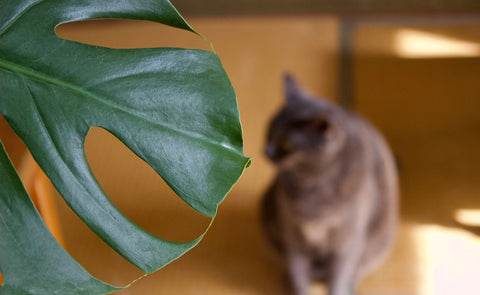
Are you thinking about adding a Monstera plant to your home but worried about your cat’s safety? You’re not alone.
Many pet owners want to enjoy beautiful greenery without risking their furry friend’s health. What if you could have both—a stunning Monstera and a happy, safe cat? Keep reading to discover everything you need to know about Monstera plants and how they can affect your curious kitty.
This simple guide will help you make the best choice for your home and your pet.
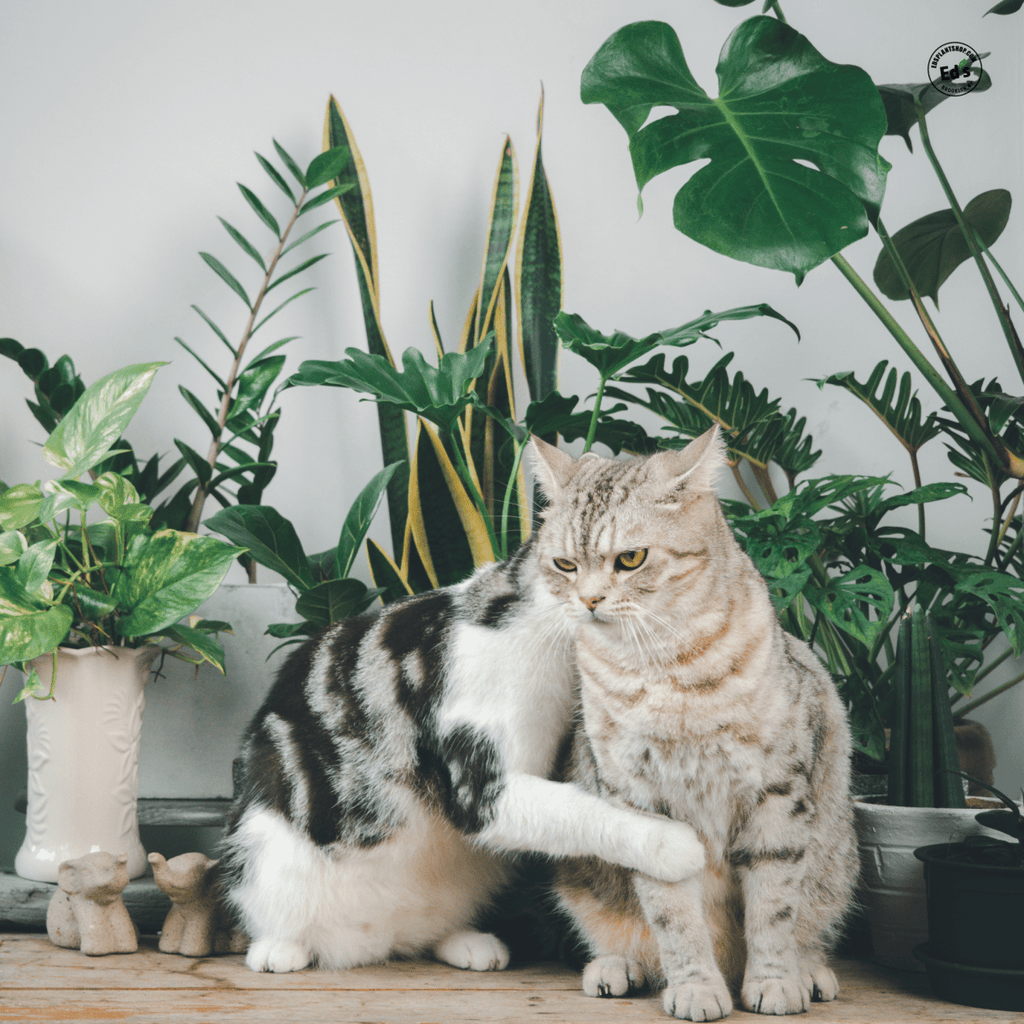
Credit: edsplantshop.com
Monstera Plant Basics
The Monstera plant has become a popular choice for indoor gardeners and plant lovers alike. Its large, glossy leaves with unique splits and holes bring a touch of the tropics into your home. But before you add one to your collection, it’s important to understand its basics, especially if you have curious pets around.
Common Monstera Varieties
Monstera plants come in several varieties, each with distinct looks and care needs. The most common is Monstera deliciosa, known for its large, fenestrated leaves. Then there’s Monstera adansonii, which features smaller leaves with more holes, giving it a lace-like appearance.
Another popular type is the Monstera obliqua, a rare variety prized for its delicate, intricate holes. Knowing the variety you have helps you provide the right environment and understand any risks, such as potential toxicity to pets.
Typical Indoor Uses
Monstera plants are often used as statement pieces in living rooms and offices. Their bold leaves add texture and a splash of green that can brighten any dull corner. You might place your Monstera near a window where it can get bright, indirect light, which mimics its natural tropical habitat.
People also use Monstera plants to improve indoor air quality and create a calming atmosphere. Have you noticed how having a leafy plant nearby can reduce stress? It’s not just in your head; plants like Monstera help you feel more connected to nature even inside your home.

Credit: www.leafenvy.co.uk
Toxicity Of Monstera To Cats
Monstera plants are a popular choice for indoor greenery, but if you have cats, you might wonder whether these lush leaves pose a danger to your furry friends. Understanding the toxicity of Monstera to cats is crucial to keeping your pets safe. Let’s look closely at what makes this plant risky and how to spot the warning signs if your cat comes into contact with it.
Harmful Compounds In Monstera
Monstera contains insoluble calcium oxalate crystals, which are the main culprits behind its toxicity. These tiny, needle-like crystals can cause irritation and pain when chewed or ingested by cats.
The crystals embed themselves in the tissues of your cat’s mouth, throat, and digestive tract, leading to immediate discomfort. Even small amounts can trigger a strong reaction, so it’s better to keep Monstera out of reach.
Symptoms Of Poisoning
If your cat nibbles on Monstera leaves, watch for symptoms like:
- Excessive drooling
- Swelling of the mouth, tongue, or lips
- Difficulty swallowing or pawing at the mouth
- Vomiting or decreased appetite
- Signs of distress such as restlessness or whining
These symptoms usually appear quickly after exposure. If you notice any of these signs, prompt veterinary care is essential. Have you ever caught your cat chewing on a houseplant? How did you handle it?
Immediate Steps After Exposure
Exposure to Monstera plants can cause discomfort or harm to cats. Acting quickly helps reduce risks and eases symptoms. Immediate care can prevent serious health issues. Knowing the right steps after exposure is crucial for any cat owner.
First Aid For Cats
Remove your cat from the plant area to stop further contact. Check the mouth and paws for any plant pieces. Rinse the cat’s mouth gently with water to clear irritants. Wipe the paws carefully to remove any sap or residue. Watch for signs like drooling, pawing at the mouth, or vomiting. Keep your cat calm and comfortable during this time.
When To See A Vet
Contact a veterinarian if symptoms worsen or do not improve. Seek help if your cat has difficulty breathing or swallowing. Immediate vet care is necessary for severe vomiting or excessive drooling. Any sudden changes in behavior or weakness need professional attention. Quick vet visits can prevent complications and ensure proper treatment.
Preventing Monstera-related Risks
Monstera plants can pose risks to curious cats. Taking steps to reduce these risks keeps both your pet and plant safe. Small actions help prevent accidents and discomfort for your furry friend.
Safe Placement Of Plants
Place Monstera plants out of your cat’s reach. High shelves or rooms closed to pets work well. Avoid low tables or windowsills where cats jump or climb. Use sturdy plant stands to prevent tipping. Check that pots are stable and heavy enough. Keep soil covered to stop cats from digging. These steps protect cats from chewing leaves or ingesting toxic parts.
Alternative Cat-friendly Plants
Choose plants safe for cats to avoid risks. Some good options include:
- Spider Plant
- Bamboo Palm
- Boston Fern
- Areca Palm
- Calathea
These plants add greenery without danger. They allow cats to explore safely. Try replacing Monstera with these pet-friendly choices. Keep your home green and your cat happy.
Long-term Care For Cats Around Plants
Keeping your cat safe around plants like Monstera requires ongoing attention. Long-term care means more than just knowing the plant’s toxicity; it involves creating an environment where your cat can explore safely. You’ll need patience and consistent effort to balance your love for greenery with your pet’s well-being.
Behavioral Training Tips
Start by gently discouraging your cat from chewing on plants. Use positive reinforcement when your cat shows interest in safe toys or scratching posts instead of your Monstera.
Try these practical tips to redirect your cat’s attention:
- Spray plants with a harmless citrus scent, as cats often dislike it.
- Place double-sided tape around the pot to deter pawing.
- Offer alternative greenery like cat grass or catnip to satisfy their urge to nibble.
Have you noticed your cat’s favorite spots to chew? Use that insight to place plants out of reach or create barriers.
Monitoring Cat Health
Watch for signs that your cat might be reacting to plant exposure. Symptoms like vomiting, drooling, or lethargy can indicate a problem, even if the plant is considered mildly toxic.
Keep a journal of any unusual behavior linked to your cat’s interaction with plants. This can help you and your vet make quick decisions if health issues arise.
Regular vet check-ups are crucial. Ask your vet about specific risks related to Monstera or other houseplants you have at home.

Credit: www.sansiled.com
Frequently Asked Questions
Is Monstera Toxic To Cats?
Yes, Monstera plants contain insoluble calcium oxalates, which are toxic to cats. Ingesting any part can cause irritation and swelling in their mouth and digestive tract.
What Symptoms Appear If Cats Eat Monstera?
Cats may show drooling, vomiting, oral pain, and difficulty swallowing after eating Monstera leaves. Immediate vet care is recommended to avoid complications.
Can Monstera Cause Severe Harm To Cats?
While Monstera is not deadly, it can cause significant discomfort and potential airway swelling. Prompt treatment reduces risks of serious health issues in cats.
How To Keep Cats Safe Around Monstera Plants?
Place Monstera plants out of cats’ reach. Use deterrents or create cat-safe zones to prevent chewing and accidental ingestion of toxic leaves.
Conclusion
Monstera plants pose risks to curious cats. Their leaves contain calcium oxalate crystals. These can irritate a cat’s mouth and stomach. Watch for symptoms like drooling or pawing at the mouth. Always place your Monstera out of reach. Consider safer plant alternatives for homes with cats.
Research before adding any plant to your home. Protecting your pet is crucial. Ensure your feline friend stays healthy and happy. Prioritize their safety above all. Understanding plant safety helps prevent emergencies. Keep your home a safe haven for all.

Lily Purrington is the founder of MyKittyPicks.com, a cozy corner of the web dedicated to helping cat lovers discover the best cat products, furniture, toys, and home decor ideas.
A lifelong cat enthusiast, Lily shares trusted tips, honest product recommendations, and stylish inspiration designed to keep kitties happy and homes beautiful.
Her mission is simple: to bring together practical advice and purr-fect picks that make life better for cats and the people who love them.


