
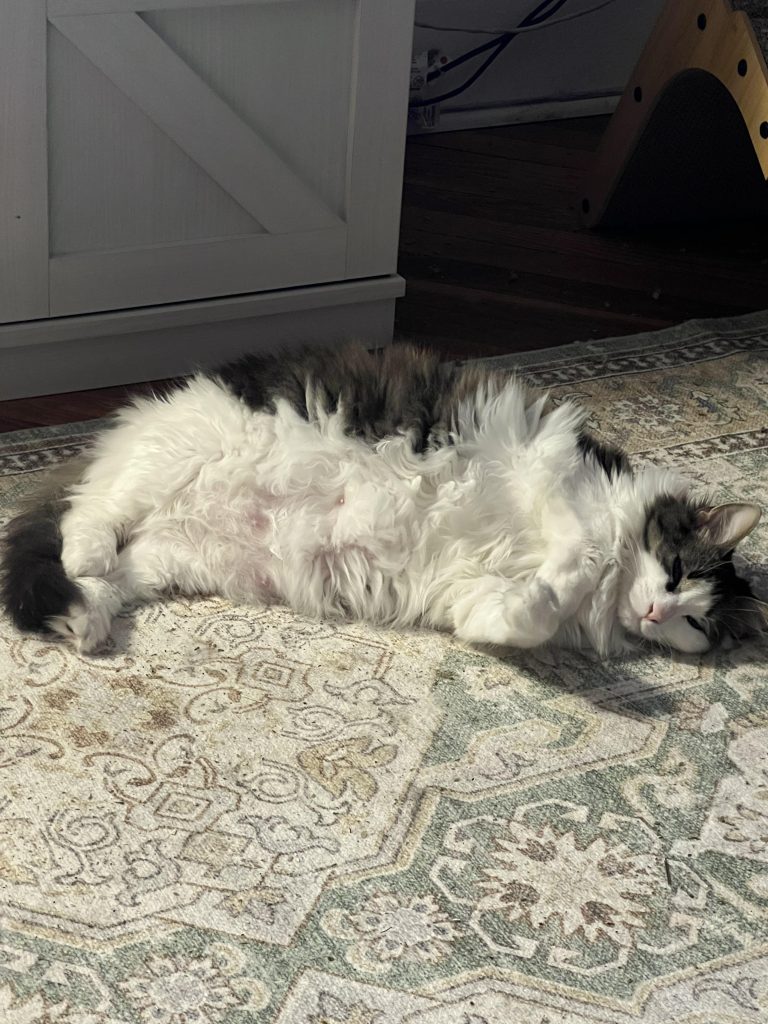
Have you noticed your cat licking itself more than usual? You might be wondering, “Is my cat over grooming?”
It’s easy to miss the signs, but over grooming can point to hidden problems like stress, allergies, or skin issues. Understanding why your furry friend is spending extra time cleaning can help you keep them happy and healthy. Keep reading to discover the warning signs and what you can do to help your cat feel comfortable again.

Credit: www.reddit.com
Signs Of Over Grooming
Noticing signs of over grooming in your cat is important for their health. Over grooming can cause discomfort and skin problems. Cats may groom themselves too much due to stress, allergies, or parasites. Spotting these signs early helps you take action quickly.
Bald Patches And Skin Irritation
Look for bald spots where fur has thinned or disappeared. These patches often appear on the belly, legs, or neck. The skin underneath may look red, inflamed, or scabby. These signs mean your cat is grooming too much and hurting the skin.
Excessive Licking And Chewing
Your cat may lick or chew one area nonstop. This behavior goes beyond normal grooming. It can cause wounds, sores, or bleeding. Notice if your cat spends a lot of time on the same spot. This is a clear sign of over grooming.
Changes In Fur Texture
The fur may look dull, dry, or brittle. Over grooming removes natural oils that keep fur healthy. You might see uneven fur patches or clumps falling out. These texture changes often signal your cat is stressed or uncomfortable.

Credit: www.purina.com
Common Causes
If you notice your cat spending an unusual amount of time grooming, it might be more than just normal cleaning behavior. Over grooming can signal underlying issues that need your attention. Understanding the common causes can help you spot the problem early and take action to keep your feline friend healthy and happy.
Stress And Anxiety
Cats often groom themselves to calm down when they feel stressed or anxious. Changes in their environment, like moving to a new home or the arrival of another pet, can trigger this behavior. Have you seen your cat lick or bite the same spot repeatedly after a stressful event? That could be a sign they’re trying to soothe themselves.
Pay attention to your cat’s daily routine and environment. Providing a quiet space or interactive toys may help reduce their anxiety and cut down on over grooming.
Allergies And Skin Conditions
Just like people, cats can suffer from allergies that irritate their skin. Food, pollen, dust, or chemicals in cleaning products might cause itching and discomfort. If your cat is licking or chewing at certain areas, check for redness, swelling, or hair loss.
Consulting your vet can pinpoint the exact allergy or skin condition. They might recommend a special diet or medicated shampoo to ease your cat’s discomfort and stop the over grooming.
Parasites And Infections
Parasites like fleas or mites cause intense itching, prompting cats to groom excessively. Even a small flea infestation can make your cat restless and over groom. Skin infections caused by bacteria or fungi can also lead to similar symptoms.
Regular flea prevention and prompt treatment of any infections are key. Have you checked your cat’s fur for tiny bugs or scabs lately? Early detection makes treatment much easier and more effective.
Health Risks From Over Grooming
Over grooming in cats isn’t just a quirky habit. It can lead to serious health issues. Cats may groom excessively due to stress, allergies, or skin problems. Understanding these health risks is crucial for your cat’s well-being.
Skin Damage And Infections
Excessive grooming can harm your cat’s skin. Constant licking and biting can cause sores and irritation. Open wounds might develop and become infected. Bacteria can enter these wounds easily. This can lead to skin infections. Regular checks can help spot these issues early. Keep an eye on any redness or swelling.
Hair Loss And Discomfort
Continuous grooming can lead to hair loss. Cats may have bald spots from constant licking. This can make them uncomfortable. Hair loss can expose the skin to external elements. This exposure can lead to more irritation. It may cause your cat to groom even more.
Behavioral Issues
Over grooming might indicate underlying stress. Cats may groom excessively to cope with anxiety. This can become a compulsive behavior. It can affect their daily activities. Addressing the root cause is important. Providing a stress-free environment can help. Consider consulting with a vet for guidance.

Credit: www.reddit.com
How To Help Your Cat
Helping your cat stop over grooming requires patience and attention to both their environment and health. Over grooming isn’t just a bad habit; it can signal deeper issues like stress or skin problems. Understanding how to support your cat can make a big difference in their comfort and happiness.
Reducing Stress Triggers
Stress often leads cats to groom excessively. You can start by identifying what might be causing anxiety in your cat’s life.
- Changes in routine or new pets can be unsettling.
- Noise, unfamiliar visitors, or lack of hiding spots might increase stress.
- Try creating a quiet, safe space for your cat to retreat to.
Adding interactive toys and regular playtime can redirect their energy and reduce nervous grooming. Have you noticed if your cat’s over grooming spikes during loud noises or when you’re away?
Improving Skin Health
Healthy skin is less itchy and less likely to trigger excessive licking. Make sure your cat’s diet supports skin health by including omega-3 fatty acids.
- Regular brushing helps remove loose fur and prevents skin irritation.
- Check for fleas or other parasites that might cause itching.
- Bathing your cat with a vet-approved shampoo can soothe irritated skin.
Sometimes, simple changes like switching to a hypoallergenic litter can reduce skin allergies. Have you checked your cat’s skin closely for redness or bumps recently?
When To Visit The Vet
If over grooming continues despite your efforts, it’s time to seek professional advice. A vet can diagnose underlying medical conditions such as allergies, infections, or hormonal imbalances.
- They might recommend treatments like medicated shampoos or anti-anxiety medication.
- In some cases, behavioral therapy or environmental enrichment is advised.
- Early intervention can prevent further damage to your cat’s skin.
Remember, your vet is your partner in helping your cat feel comfortable again. Would you consider keeping a grooming diary to share with your vet and track progress?
Preventing Over Grooming
Preventing over grooming in cats helps keep them healthy and happy. Cats groom to clean and relax, but too much grooming can cause harm. Careful attention and small changes can stop this behavior early. Understanding your cat’s needs plays a big role in prevention.
Regular Grooming Routine
Brushing your cat often reduces their need to groom themselves excessively. It removes loose fur and dirt gently. Choose a soft brush that suits your cat’s fur type. Grooming also strengthens the bond between you and your cat. Set a calm time and place for grooming sessions.
Environmental Enrichment
Keep your cat active with toys and playtime every day. Toys that move or mimic prey encourage natural hunting skills. Provide scratching posts and cozy resting spots. Change the toys regularly to keep interest high. A stimulating environment helps reduce stress that triggers over grooming.
Monitoring Behavior Changes
Watch your cat for signs of stress or illness. Changes in appetite, sleep, or mood may indicate problems. Note any new spots of hair loss or skin irritation. Early detection allows quick action to stop over grooming. Keep a journal to track behavior and share it with your vet.
Frequently Asked Questions
What Are Common Signs Of Cat Over Grooming?
Cat over grooming signs include hair loss, red or irritated skin, and excessive licking. You may also notice bald patches or scabs. These signs indicate stress, allergies, or underlying health issues. Early detection helps prevent further skin damage and discomfort.
Why Does My Cat Groom Excessively?
Cats groom excessively due to stress, anxiety, allergies, or skin infections. Over grooming can be a coping mechanism for emotional distress. Identifying the cause helps address the behavior and improves your cat’s well-being.
How Can I Stop My Cat From Over Grooming?
To stop over grooming, identify and treat underlying causes like allergies or stress. Provide a calm environment and regular playtime. Consult a vet for medication or behavioral therapy if needed. Early intervention is key to preventing skin damage.
When Should I See A Vet For Cat Over Grooming?
See a vet if your cat’s skin is red, bleeding, or bald patches worsen. Persistent over grooming can lead to infections and pain. A vet can diagnose the cause and recommend proper treatment.
Conclusion
Cats groom themselves to stay clean and healthy. Too much grooming can cause skin problems and hair loss. Watch your cat’s behavior closely. Changes in grooming might signal stress or health issues. Consult a vet if you notice wounds or bald spots.
Early care helps your cat feel better fast. Keep your cat happy with love and attention. Healthy grooming means a happy cat and a peaceful home.

Lily Purrington is the founder of MyKittyPicks.com, a cozy corner of the web dedicated to helping cat lovers discover the best cat products, furniture, toys, and home decor ideas.
A lifelong cat enthusiast, Lily shares trusted tips, honest product recommendations, and stylish inspiration designed to keep kitties happy and homes beautiful.
Her mission is simple: to bring together practical advice and purr-fect picks that make life better for cats and the people who love them.


