

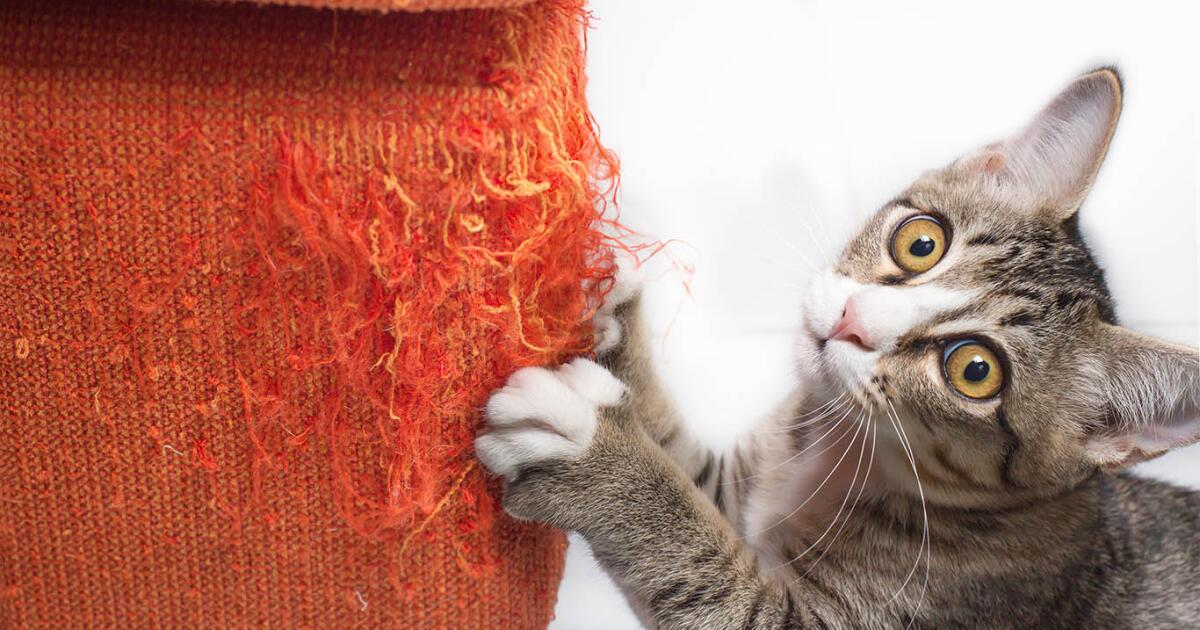
If you’ve ever come home to shredded furniture or torn curtains, you know how frustrating it can be when your cat scratches everything but their own post. Teaching your cat to use a scratching post isn’t just about saving your belongings—it’s about giving your furry friend a healthy way to express their natural instincts.
Imagine a peaceful home where your cat happily scratches their post instead of your favorite couch. In this guide, you’ll discover simple, effective steps to train your cat to love their scratching post. Keep reading, and you’ll soon enjoy a happier cat and a damage-free home.
Credit: www.latimes.com
Choosing The Right Scratching Post
Choosing the right scratching post is key to training your cat effectively. Cats have specific preferences that affect their interest in a post. Picking a post that fits their needs encourages them to use it instead of furniture. Consider the materials, size, and where you place the post. Each factor plays a role in success.
Materials Cats Prefer
Cats enjoy scratching on certain materials more than others. Natural fibers feel great on their claws. Common options include:
- Sisal rope:Durable and rough, perfect for scratching.
- Carpet:Soft but firm, many cats like this texture.
- Cardboard:Easy to replace and cats often love it.
Plastic and smooth wood usually do not appeal to cats. Choose materials that offer resistance and a satisfying scratch.
Ideal Size And Stability
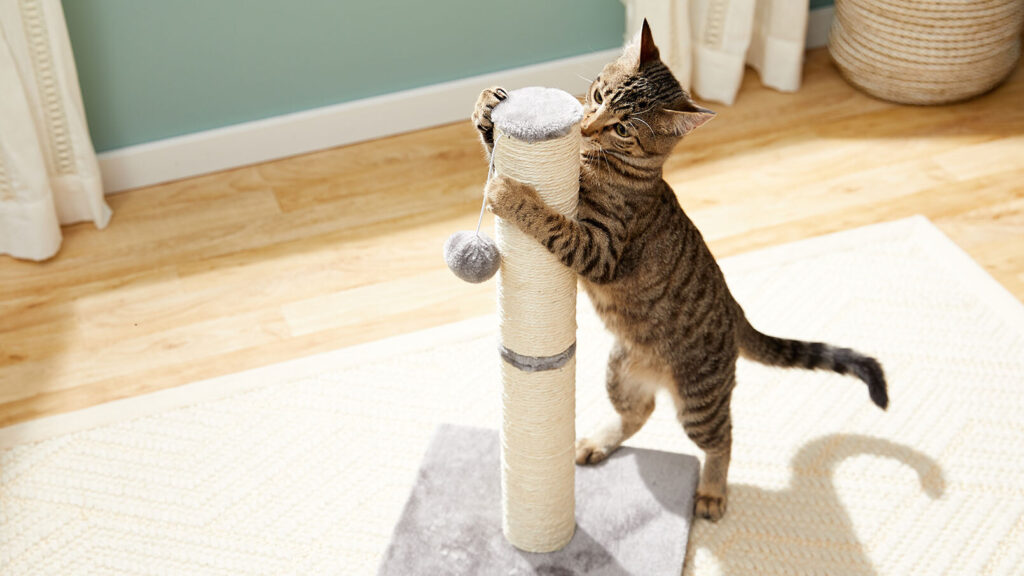
The post must be tall enough for your cat to stretch fully. A good height is around 28 to 32 inches. The base should be wide and heavy to prevent tipping. Cats need to feel secure while scratching. A wobbly post scares them away.
Consider your cat’s size and strength. Bigger cats need sturdier posts. Small posts often fail to keep a cat’s interest.
Placement Tips
Place the scratching post in areas where your cat spends time. Near sleeping spots or favorite resting places works well. Cats like to stretch and scratch after naps.
Avoid hiding the post in corners or closets. Make it visible and easy to access. Also, place it away from their food and litter box. Cats prefer separate zones for different activities.
Try moving the post if your cat ignores it. Experiment with different rooms to find the best spot.
Introducing The Scratching Post
Cats need a place to scratch that protects your furniture. Teaching them to use a scratching post is simple with patience. Place the post in a favorite spot and encourage your cat to explore it.
Introducing a scratching post to your cat can be a fun experience. Cats have a natural instinct to scratch, which helps them keep their claws healthy. A scratching post can save your furniture from claw marks. It’s important to introduce it properly so your cat feels comfortable using it.Encouraging Initial Exploration
Place the scratching post in a spot your cat often visits. This helps your cat notice it more easily. Encourage your cat to explore the post by gently guiding them towards it. Let them sniff and touch it without pressure. Reward any interest with gentle praise or treats.Using Catnip And Toys
Sprinkle a little catnip on the scratching post. Catnip can attract your cat and make the post more appealing. You can also use toys to grab their attention. Hang a feather toy from the post to encourage playful interaction. Movement will draw their interest naturally.Demonstrating With Your Hands
Show your cat how to use the post by demonstrating. Gently run your fingers down the post as if you are scratching it. This action shows your cat what to do. Never force their paws onto the post. Let them learn by watching and mimicking your actions.Positive Reinforcement Techniques
Positive reinforcement is a powerful tool when training your cat to use a scratching post. Instead of focusing on punishment, it encourages your cat to repeat good behavior by rewarding it. This approach builds trust and makes training a more enjoyable experience for both of you.
Rewarding Scratching Behavior
Catch your cat in the act of scratching the post, then immediately offer a treat or affection. This helps your cat link the action with something positive. Using a favorite toy as a reward can also be very effective.
Try to vary the rewards to keep your cat interested. Sometimes it can be a tasty bite, other times just gentle petting or praise. This variety makes your cat more likely to want to repeat the behavior.
Timing Treats And Praise
Timing is everything. Give the reward within seconds of your cat using the scratching post so they understand exactly what you are praising. Delayed rewards can confuse your cat and reduce training success.
Pay close attention to your cat’s body language to catch the exact moment they begin scratching. This sharp timing reinforces the desired behavior more clearly. Have treats or your chosen reward ready whenever you expect your cat to scratch.
Avoiding Negative Responses
Never punish your cat for scratching furniture or other unwanted areas. Negative reactions can cause stress and damage your relationship. Instead, gently redirect your cat to the scratching post and reward when they comply.
Consider if your cat is scratching out of boredom or stress. Offering more playtime or interactive toys can reduce unwanted scratching. You want your cat to associate the scratching post with positive experiences only.
Credit: www.chewy.com
Redirecting Undesired Scratching
Redirecting your cat’s scratching away from your furniture is key to protecting your home while helping your cat develop good habits. Cats scratch to mark territory, stretch muscles, and keep their claws healthy. Understanding why your cat scratches where it does can help you guide them gently toward their scratching post instead.
Protecting Furniture
Start by covering the spots your cat likes to scratch with protective materials. Double-sided tape or aluminum foil can make these areas less appealing because cats dislike the texture. You might also use a furniture cover or slipcover temporarily to shield your sofa or chairs.
Another effective tip is placing scratching posts right next to the furniture your cat usually targets. Cats prefer to scratch close to their favorite spots. This way, you offer an alternative without removing the familiar location entirely.
Gentle Redirection Strategies
When you catch your cat scratching furniture, calmly pick them up and place them by their scratching post. Avoid yelling or punishment; instead, use a soft voice and praise when they use the post. You can also sprinkle catnip or hang toys on the post to make it more inviting.
Try mimicking the scratching motion on the post to show your cat what to do. Sometimes, your involvement sparks their curiosity and encourages them to follow your lead. Have you noticed how your cat watches your actions closely? Use that to your advantage.
Consistency In Responses
Consistency is crucial. Make sure everyone in the household responds the same way when the cat scratches furniture. Mixed signals confuse your cat and slow down training progress.
Keep redirecting every time you see unwanted scratching, even if it feels repetitive. Over time, your cat will learn that the scratching post is the right place. How often do you notice your cat’s habits changing with steady guidance?
Maintaining Interest In The Post
Keeping your cat interested in the scratching post is key to success. Cats can get bored with the same old post. Changing things up helps keep their curiosity alive. Small efforts can make the post a favorite spot again.
Rotating Toys And Scents
Switch the toys attached to the post often. Use different textures and shapes to attract your cat. Sprinkling a bit of catnip or using feline pheromone sprays can boost interest. These scents invite cats to explore and scratch more.
Regular Cleaning And Upkeep
Keep the post clean and fresh. Wipe down surfaces to remove dust and dirt. Clean posts smell better and feel nicer to scratch. Replace worn-out parts or frayed areas to maintain appeal.
Adjusting Placement If Needed
Move the post to a new spot if your cat ignores it. Choose a busy room or near their favorite resting area. Cats like scratching near their personal space. Observing your cat’s habits helps find the best place.
Troubleshooting Common Issues
Training your cat to use a scratching post can sometimes come with bumps along the way. When your feline friend doesn’t respond as expected, it helps to understand why and how to fix these issues quickly. Let’s look at some common problems and practical ways to overcome them so both you and your cat can enjoy a scratch-friendly home.
Ignoring The Post
If your cat is ignoring the scratching post, first check its location. Cats prefer posts in high-traffic areas or near their favorite resting spots. Try moving the post closer to where your cat spends most of its time.
Next, consider the post’s texture. Some cats dislike certain materials. Try wrapping it with sisal rope or adding catnip to attract interest.
Have you tried rewarding your cat when it uses the post? Positive reinforcement like treats or gentle praise can make a big difference. Patience is key—your cat may take time to get used to the new habit.
Scratching Excessively
Excessive scratching can mean your cat is stressed or bored. Are you providing enough playtime and mental stimulation? Interactive toys or puzzle feeders can help reduce anxiety and redirect energy.
Check the condition of the scratching post. If it’s worn out, your cat might be looking for something new and satisfying to scratch. Replacing or adding another post can help.
Sometimes, excessive scratching targets furniture. Protect these areas with double-sided tape or furniture covers while encouraging use of the post. How do you balance your cat’s natural behavior with keeping your home intact?
Dealing With Multiple Cats
Multiple cats can complicate training if they compete for a single scratching post. Make sure to provide enough posts—ideally one per cat plus an extra.
Observe if one cat is dominating the post, preventing others from using it. Placing posts in different locations helps reduce territorial disputes.
Sometimes, cats have different preferences. One might prefer vertical posts while another likes horizontal scratchers. Offering a variety allows each cat to find its favorite spot.

Credit: www.latimes.com
Frequently Asked Questions
How Long Does It Take To Train A Cat To Scratch Posts?
Training a cat to use a scratching post usually takes 1 to 3 weeks. Consistency and positive reinforcement speed up the process. Patience is key, as cats learn best with gentle encouragement and rewards.
What Types Of Scratching Posts Do Cats Prefer?
Cats prefer scratching posts made of sisal, carpet, or cardboard. Vertical and sturdy posts work best. Choose posts tall enough for a full stretch to satisfy your cat’s natural scratching instincts.
How Can I Encourage My Cat To Use The Scratching Post?
Place the post in a favorite spot. Use catnip or toys to attract your cat. Reward with treats and praise when they use the post. Avoid punishing as it may cause fear or confusion.
Should I Discourage My Cat From Scratching Furniture?
Yes, gently redirect your cat from furniture to the scratching post. Use deterrents like double-sided tape on furniture. Consistent redirection and rewards help reinforce good scratching habits.
Conclusion
Training a cat to use a scratching post takes time and patience. Consistency helps your cat learn good habits quickly. Place the post where your cat likes to scratch most. Reward your cat with treats and praise often. This encourages them to keep using the post.
Remember, every cat is different and learns at its own pace. Stay calm and keep trying daily. Soon, your furniture will stay safe, and your cat will be happy. A simple routine makes a big difference. Keep it positive and enjoy the process together.

Lily Purrington is the founder of MyKittyPicks.com, a cozy corner of the web dedicated to helping cat lovers discover the best cat products, furniture, toys, and home decor ideas.
A lifelong cat enthusiast, Lily shares trusted tips, honest product recommendations, and stylish inspiration designed to keep kitties happy and homes beautiful.
Her mission is simple: to bring together practical advice and purr-fect picks that make life better for cats and the people who love them.


