

If you have a cat and love having plants around, you might be wondering, “Is Pothos cat safe?” You want your home to be green and cozy, but your furry friend’s safety comes first. Pothos is a popular, easy-care plant that brightens up any space.
But what if it’s harmful to your cat? Knowing the truth can protect your pet and keep your home worry-free. Read on to find out everything you need to know about Pothos and your cat’s health. This information could save you from unexpected trips to the vet.
Don’t miss it!
Credit: seedwith.me
Pothos Plant Basics
The Pothos plant is a favorite for many indoor gardeners. Its vibrant green leaves and easy care make it a popular choice. But before you bring one home, understanding the basics is key—especially if you share your space with a curious cat.
Common Varieties
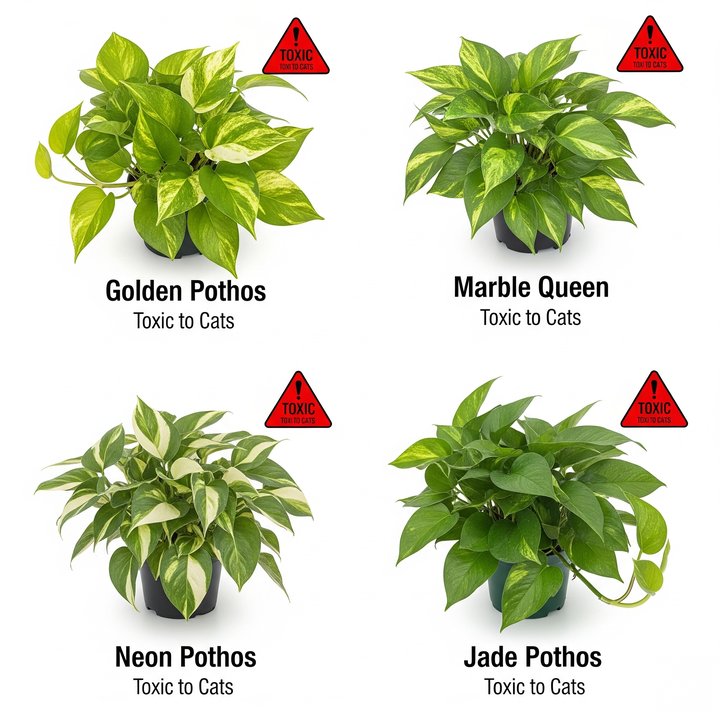
Pothos comes in several varieties, each with its own unique leaf patterns and colors. The most common types include:
- Golden Pothos:Bright green leaves with golden yellow variegation.
- Marble Queen:White and green marbled leaves, offering a striking look.
- Neon Pothos:Vibrant lime green leaves that brighten any room.
- Jade Pothos:Deep green, solid-colored leaves with a lush appearance.
Each variety shares similar care needs, but their looks can add different vibes to your home. Which one would brighten your space the most?
Growth And Care Tips
Pothos plants thrive with minimal effort, making them perfect for beginners. They prefer indirect light but can survive in low-light areas, though growth may slow down. Water your plant when the top inch of soil feels dry, but avoid overwatering to prevent root rot.
Regular pruning helps keep your Pothos healthy and encourages bushier growth. Use clean scissors to trim long vines or remove yellow leaves. If you notice your plant looking a bit tired, try moving it to a brighter spot or adjusting your watering schedule.
One tip I learned the hard way is that Pothos can grow quickly and become unruly. Regularly checking your plant and trimming it keeps your space tidy and your plant happy. Have you ever had a plant take over your room?

Credit: www.petland.ca
Toxicity To Cats
Pothos is a popular houseplant known for its easy care and attractive leaves. Many cat owners wonder if this plant is safe around their pets. Understanding the toxicity of pothos to cats is important to keep your furry friends safe. Some plants can cause health issues when cats chew or eat their leaves. Knowing the risks helps you act fast if your cat shows signs of illness.
Toxic Compounds In Pothos
Pothos contains calcium oxalate crystals, which are harmful to cats. These tiny crystals irritate the skin and mouth. When cats bite or chew pothos leaves, the crystals cause a painful reaction. The crystals can also swell and block the throat, making it hard to breathe or swallow. Pothos does not contain poisons that affect the whole body but causes strong local irritation.
Symptoms Of Poisoning
After chewing pothos, cats may show several symptoms. Watch for:
- Drooling or excessive salivation
- Swelling of the mouth, tongue, or lips
- Difficulty swallowing or coughing
- Pawing at the mouth or face
- Vomiting or gagging
These signs appear quickly after exposure. If you see any, contact a vet immediately. Early treatment can prevent serious problems. Keep pothos out of reach to avoid these risks.
Risks For Cats
Pothos plants are popular for homes but pose risks to cats. The plant contains calcium oxalate crystals. These crystals can cause discomfort and health issues in cats. Understanding how cats react helps in keeping them safe around pothos.
How Cats Interact With Pothos
Cats often explore plants by sniffing or chewing leaves. Pothos leaves may attract cats due to their texture or curiosity. Some cats nibble on the leaves, causing ingestion of harmful compounds. Even small bites can lead to irritation in the mouth and throat.
Severity Of Reactions
Reactions to pothos vary depending on how much the cat ingests. Common symptoms include:
- Drooling
- Oral pain
- Swelling of lips, tongue, or throat
- Difficulty swallowing
- Vomiting
In severe cases, breathing may become difficult. Quick action is important to prevent serious problems. Mild exposure usually causes temporary discomfort, but heavy ingestion needs veterinary care.
Preventive Measures
Keeping your cat safe around plants is very important. Pothos can be harmful if chewed or eaten. Taking simple steps helps protect your furry friend. These preventive measures reduce risks and keep your home safe.
Safe Placement Of Plants
Place pothos plants where cats cannot reach. High shelves or hanging baskets work well. Avoid low tables or floor spots. Cats like to explore, so block easy access. Use plant stands with barriers to keep plants out of reach.
Consider using deterrents near the plants. Bitter sprays or scents cats dislike can discourage chewing. Check plants often for signs of nibbling or damage. Remove any fallen leaves quickly to prevent ingestion.
Alternatives To Pothos
Choose cat-safe plants instead of pothos. Spider plants, bamboo palms, and Boston ferns are good options. These plants are non-toxic and safe if your cat chews on them. They add greenery without danger.
Cat grass is another safe choice. Cats enjoy nibbling on it and it helps digestion. Keeping safe plants encourages healthy behavior and protects your pet.
What To Do If Exposure Occurs
Pothos plants contain substances that can harm cats if they chew or swallow the leaves. Knowing what to do after exposure helps protect your cat’s health. Quick action can reduce the risks and ease discomfort.
Watch for signs like drooling, vomiting, or difficulty swallowing. Act fast to help your pet feel better.
First Aid Steps
- Remove any plant pieces from your cat’s mouth gently.
- Rinse your cat’s mouth with clean water to remove toxins.
- Offer fresh water to help dilute any remaining irritants.
- Keep your cat calm and in a safe, quiet place.
- Do not induce vomiting unless a vet advises it.
When To Contact A Vet
- If your cat shows vomiting, drooling, or loss of appetite.
- When you see swelling in the mouth or difficulty breathing.
- If your cat appears weak or lethargic after exposure.
- Any unusual behavior or symptoms lasting more than a few minutes.
- For professional advice on treatment and care.
Other Pet-safe Indoor Plants
Choosing pet-safe indoor plants is essential for homes with cats and dogs. Many plants can harm pets if ingested. Luckily, some plants are safe and still bring greenery inside. These plants offer beauty without risk. They create a healthy environment for both pets and people.
Popular Non-toxic Options
- Spider Plant: Easy to grow and safe for cats and dogs.
- Areca Palm: Adds a tropical feel and is non-toxic.
- Bamboo Palm: Great air purifier and safe around pets.
- Prayer Plant: Colorful leaves and pet-friendly.
- Boston Fern: Lush green foliage, harmless to animals.
- Calathea: Attractive patterns and safe for cats.
Benefits Of Pet-friendly Plants
Pet-friendly plants improve indoor air quality. They reduce toxins and add oxygen. These plants also lower stress and boost mood. Safe plants prevent accidental poisoning. They allow pets to explore without danger. Overall, pet-safe plants create a calm and healthy home.

Credit: www.sansiled.com
Frequently Asked Questions
Is Pothos Toxic To Cats?
Yes, pothos is toxic to cats. It contains insoluble calcium oxalates. Ingesting pothos can cause oral irritation, drooling, vomiting, and difficulty swallowing in cats.
What Are Symptoms Of Pothos Poisoning In Cats?
Common symptoms include oral irritation, excessive drooling, vomiting, and difficulty swallowing. Cats may also paw at their mouth or show signs of distress.
Can A Small Amount Of Pothos Harm Cats?
Even small amounts can cause irritation and discomfort. While not usually fatal, ingestion requires prompt attention to prevent severe symptoms.
How To Treat Pothos Poisoning In Cats?
If your cat eats pothos, rinse its mouth with water and contact your vet immediately. Early treatment can prevent complications and ensure recovery.
Conclusion
Pothos plants can pose risks to cats. Their leaves contain calcium oxalate crystals. These can irritate a cat’s mouth and stomach. Symptoms include drooling, vomiting, and difficulty swallowing. It’s essential to keep pothos out of reach. Consider cat-safe plants instead.
Always monitor your pets around houseplants. Consult a vet if your cat ingests any. Safety first for your furry friends. A little caution goes a long way. Keep your home safe and cat-friendly. Make informed choices for your pet’s well-being.
Your pet’s health is your priority.

Lily Purrington is the founder of MyKittyPicks.com, a cozy corner of the web dedicated to helping cat lovers discover the best cat products, furniture, toys, and home decor ideas.
A lifelong cat enthusiast, Lily shares trusted tips, honest product recommendations, and stylish inspiration designed to keep kitties happy and homes beautiful.
Her mission is simple: to bring together practical advice and purr-fect picks that make life better for cats and the people who love them.


