
Are you a cat lover worried about keeping your feline friend safe around your houseplants? You’re not alone.
Many pet owners are surprised to learn that some common plants can be harmful to cats. Your home should be a haven for both you and your pet, and that includes the greenery you choose to have around. Imagine your cat lounging peacefully next to a vibrant plant that not only beautifies your space but is also completely safe for them.
Intrigued? You’ll discover a range of cat-safe plants that will add life to your home without posing a risk to your furry friend. Let’s dive into the world of pet-friendly botanicals that both you and your cat will love.

Credit: www.outdoorbengal.com
Why Choose Cat Safe Plants
Choosing cat safe plants is more than just a style decision for your home. It’s about creating a safe and healthy environment for your feline friends. You might think all greenery is harmless, but some popular houseplants can cause serious health problems for cats. So, why settle for anything less than plants that keep your cats safe and your home beautiful?
Benefits For Your Cat’s Health
Cat safe plants provide a natural way to improve your cat’s well-being. Many cats enjoy nibbling on greenery, which can aid digestion and reduce hairballs.
Plants like cat grass or catnip give them a safe outlet to satisfy this urge, preventing them from chewing on harmful plants or household items. Giving your cat access to safe plants can boost their mood and reduce stress.
Avoiding Toxicity Risks
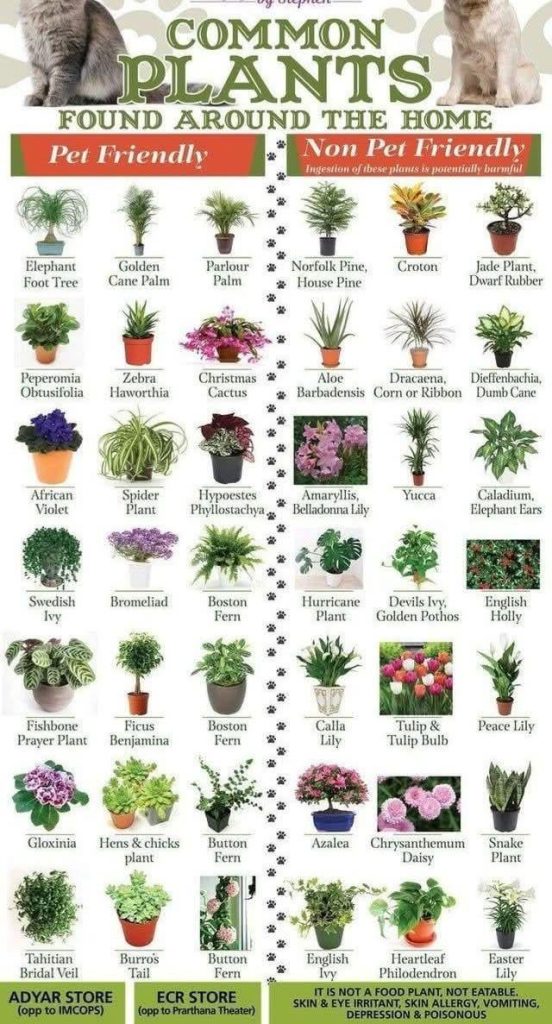
Some common houseplants like lilies, philodendrons, and pothos are toxic to cats and can cause vomiting, diarrhea, or worse. Choosing cat safe plants means you don’t have to worry about accidental poisoning.
It’s a simple way to protect your cat without constant supervision. Have you ever felt anxious when your cat gets near a plant? Safe plants remove that fear and let you relax.
Enhancing Indoor Air Quality
Cat safe plants don’t just benefit your pets—they improve your home’s air quality too. Plants like spider plants and Boston ferns filter out harmful toxins and add oxygen to the air.
Better air quality means a healthier environment for everyone living in your home. Why not pick plants that protect both your cat and your family’s health?

Credit: www.reddit.com
Common Cat Safe Plants
Choosing plants that are safe for your cat can make your home a healthier, happier place for both of you. Cats are naturally curious and may nibble on leaves, so it’s crucial to know which plants won’t harm them. Here are some common cat safe plants that bring greenery to your space without the worry.
Spider Plant
The Spider Plant is a favorite among cat owners because it’s non-toxic and easy to care for. Its long, arching leaves can be irresistible to cats, often turning into a playful toy. If your cat likes to chew on plants, the Spider Plant is a safe choice that won’t cause upset stomachs.
Boston Fern
Boston Ferns add a lush, soft touch to any room and are perfectly safe for cats. They prefer indirect light and regular misting, which means they thrive in most indoor environments. Plus, their fluffy fronds often attract curious paws, making them a fun but harmless addition.
Areca Palm
Areca Palms bring a tropical vibe to your home and are completely safe for your feline friends. These palms are great for improving indoor air quality and require moderate watering. Their graceful fronds can add beauty without the risk of toxicity, even if your cat decides to take a bite.
Bamboo Palm
Bamboo Palms are another excellent choice for cat owners who want a stylish plant that’s safe. They grow well in low light and help purify the air, which benefits everyone in your household. Because they are non-toxic, you don’t need to worry if your cat wanders over for a little nibble.
Herbs And Edibles Cats Love
Many cats enjoy certain herbs and edible plants that are safe and healthy for them. These plants offer natural stimulation and can improve their mood. They also provide a fun way for cats to explore new tastes and scents. Growing cat-safe herbs helps keep cats entertained and curious without any risk.
Catnip
Catnip is a favorite herb among cats. It contains a natural oil called nepetalactone. This oil triggers playful and happy behavior in many cats. Catnip can be grown indoors or outdoors. It is safe for cats to chew and roll on. The effects usually last about 10 to 15 minutes.
Cat Grass
Cat grass includes wheat, oat, and barley grasses. Cats like nibbling on these grasses to aid digestion. It helps them clear hairballs naturally. Cat grass is easy to grow in small pots at home. It is a safe way to add greens to a cat’s diet. Many cats enjoy the fresh, mild taste.
Valerian
Valerian is another herb that cats love. It has a strong scent that excites some cats. Valerian can help reduce stress and anxiety in cats. Cats may chew or roll in valerian plants. This herb is safe and non-toxic for cats. It provides a natural way to keep cats calm and happy.
Low Maintenance Pet-friendly Plants
Choosing low maintenance pet-friendly plants means less hassle for you and a safer environment for your cat. These plants thrive with minimal care but still brighten up your space and keep your curious feline safe. They offer the perfect balance between beauty and practicality.
Parlor Palm
The Parlor Palm is an excellent choice if you want a lush, green plant without much effort. It can tolerate low light and doesn’t need frequent watering, making it ideal for busy households. Plus, it’s non-toxic to cats, so you don’t have to worry if your pet decides to nibble on its fronds.
Have you noticed how your cat reacts to greenery? Many enjoy the texture of palm leaves, but with Parlor Palm, you can relax knowing it’s safe for them to explore.
Prayer Plant
Prayer Plants are known for their vibrant leaf patterns and unique habit of folding their leaves at night. They need moderate indirect light and only occasional watering, which keeps their care simple. Most importantly, they are non-toxic to cats, making them a smart addition to any pet-friendly home.
Imagine adding a splash of color without the worry of toxicity. Would you try placing one where your cat likes to rest?
Calathea Varieties
Calatheas come in many varieties, each with stunning, patterned leaves that catch the eye. These plants prefer indirect light and moist soil but don’t demand constant attention. They are also safe for cats, so your furry friend can safely coexist with these striking plants.
Have you ever seen your cat’s reaction to moving leaves? Calatheas provide gentle movement without harm, offering a dynamic and safe environment for your pet.
Plants To Avoid Around Cats
Knowing which plants to keep away from your cat is crucial for their safety and your peace of mind. Some plants that seem harmless can actually cause serious health issues if your feline friend decides to nibble on them. Understanding these risks helps you create a safe environment that protects your curious companion.
Common Toxic Plants
Many popular houseplants are toxic to cats. Some of the most dangerous include:
- Lilies:Even small amounts can cause kidney failure.
- Philodendron:Contains calcium oxalate crystals that irritate the mouth and throat.
- Dieffenbachia (Dumb Cane):Causes oral irritation, drooling, and difficulty swallowing.
- Aloe Vera:Toxic if ingested, leading to vomiting and diarrhea.
- Azaleas and Rhododendrons:Can cause vomiting, diarrhea, and heart problems.
Have you ever brought home a plant without checking if it’s safe? It’s easy to overlook, but these plants can be hidden dangers.
Symptoms Of Plant Poisoning
Recognizing signs of poisoning early can save your cat’s life. Symptoms to watch for include:
- Excessive drooling or pawing at the mouth
- Vomiting or diarrhea
- Loss of appetite or lethargy
- Difficulty breathing or swallowing
- Swelling around the face or mouth
If your cat shows any of these signs after contact with a plant, don’t wait. Immediate action is key.
Emergency Steps
If you suspect your cat has ingested a toxic plant, act quickly.
- Remove your cat from the area to prevent further exposure.
- Try to identify the plant your cat ate; this helps the vet provide the right treatment.
- Call your veterinarian or an emergency animal poison control center right away.
- Do not induce vomiting unless instructed by a professional.
- Keep calm and follow the advice given to you carefully.
Have you prepared an emergency plan for your pet’s safety? It’s worth having one ready before any accident happens.

Credit: parade.com
Tips For Keeping Plants Safe
Keeping your plants safe from curious cats is important for both plant health and your pet’s safety. Cats may chew on leaves or dig in soil, which can harm the plant or upset your cat’s stomach. Simple tips can help protect your green friends and keep your cat happy.
Placement Strategies
Place plants where cats cannot easily reach them. High shelves or hanging baskets work well. Avoid spots near windows or doorways where cats often like to explore. Using plant stands can also create a barrier. Choose locations that are out of your cat’s usual path.
Using Deterrents
Deterrents help keep cats away without causing harm. Use citrus peels around the plant base. Cats dislike the smell of citrus. You can also try placing aluminum foil or double-sided tape near plants. These textures feel unpleasant to cats. Commercial sprays designed to repel cats are another option. Always test sprays on a small leaf first to avoid damage.
Regular Plant Care
Healthy plants are less likely to attract cats. Water plants regularly to keep soil moist but not soggy. Remove dead leaves and debris to reduce temptation. Check for pests that might attract cats. Prune plants to keep them compact and less appealing. Healthy plants grow stronger and resist damage better.
Frequently Asked Questions
What Plants Are Safe For Cats At Home?
Safe plants for cats include spider plants, Boston ferns, and bamboo palms. These plants are non-toxic and won’t harm your feline friends if ingested. Always verify plant safety before bringing new greenery into your home.
Why Are Some Plants Toxic To Cats?
Certain plants contain chemicals that can cause vomiting, diarrhea, or more severe symptoms in cats. These toxins affect their digestive and nervous systems. Avoiding toxic plants protects your cat’s health and prevents costly vet visits.
How Can I Identify Cat-safe Plants?
Look for plants labeled non-toxic by reputable sources like the ASPCA. Research plant species online to confirm they are safe. When in doubt, consult your veterinarian before introducing new plants.
Can Cat-safe Plants Improve Indoor Air Quality?
Yes, many cat-safe plants like spider plants and Boston ferns help filter indoor air. They remove toxins and increase oxygen levels, creating a healthier environment for both cats and humans.
Conclusion
Choosing cat safe plants keeps your furry friend healthy and happy. These plants add beauty without risk. You can enjoy greenery without worry. Always check plants before bringing them home. Small efforts protect your cat from harm. Safe plants create a calm, natural space.
Cats and plants can live together peacefully. Keep your home both lively and safe.

Lily Purrington is the founder of MyKittyPicks.com, a cozy corner of the web dedicated to helping cat lovers discover the best cat products, furniture, toys, and home decor ideas.
A lifelong cat enthusiast, Lily shares trusted tips, honest product recommendations, and stylish inspiration designed to keep kitties happy and homes beautiful.
Her mission is simple: to bring together practical advice and purr-fect picks that make life better for cats and the people who love them.


